
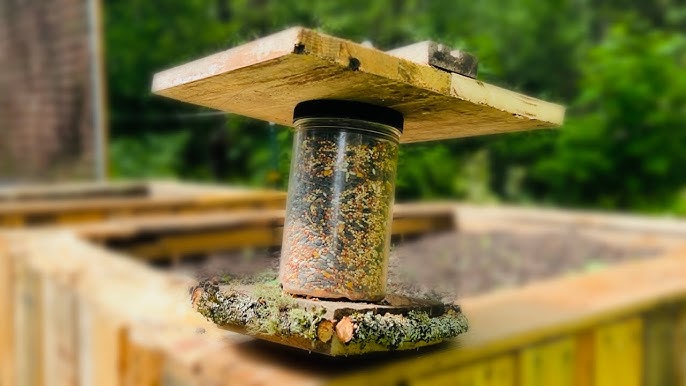
Do you want to bring more life and color to your backyard? Making a simple bird feeder is easier than you think, and it’s a fun way to connect with nature right outside your door.
Imagine watching beautiful birds visit your feeder every day, filling your space with their songs and colors. In this guide, you’ll discover easy steps to create your own bird feeder using simple materials. By the end, you’ll have a charming spot that attracts birds and brightens your outdoor space.
Ready to get started? Let’s dive in!

Credit: www.youtube.com
Materials Needed
Gathering the right materials is the first step to create a simple bird feeder. Using easy-to-find items keeps the project fun and stress-free. Most supplies cost little or nothing and can be reused from around your home.
Choose materials that are safe for birds and durable outdoors. The list below covers everything needed for a basic feeder that attracts different birds.
Wooden Board Or Pallet
- Use untreated wood to avoid chemicals.
- Choose a size around 12 by 12 inches for a small feeder.
- Thin plywood or a wooden pallet piece works well.
String Or Twine
- Select strong string to hang the feeder securely.
- Natural fibers like jute are safe for birds.
- Length depends on where you plan to hang it.
Small Nails Or Screws
- Use nails or screws to hold parts together.
- Choose rust-resistant types for outdoor use.
- Keep them short to avoid harming birds.
Bird Seed Mix
- Pick a mix suitable for local birds.
- Include seeds like sunflower, millet, or cracked corn.
- Fresh seed attracts more birds and keeps them healthy.
Optional: Small Plate Or Shallow Container
- Use as a base to hold seeds if preferred.
- Plastic, metal, or ceramic plates work well.
- Ensure it has a lip to keep seeds from spilling.
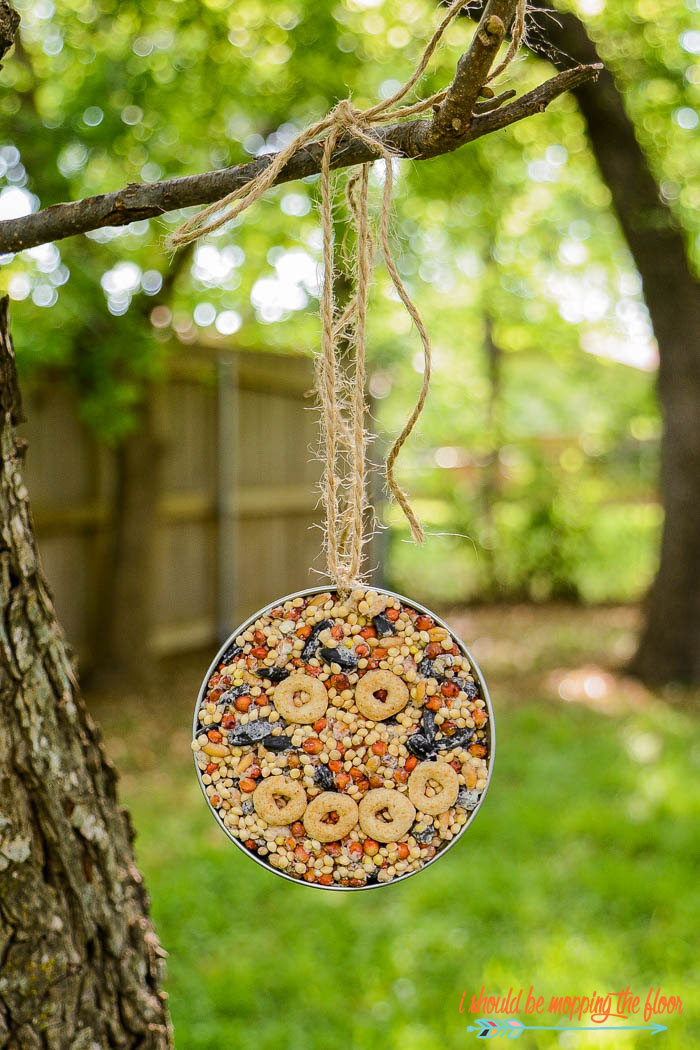
Credit: www.ishouldbemoppingthefloor.com
Choosing The Right Location
Choosing the right location for your simple bird feeder is crucial to attract birds and keep them safe. The spot you pick affects how often birds visit and how comfortable they feel. Think about factors like visibility, safety, and convenience when deciding where to place your feeder.
Visibility And Accessibility For Birds
Birds need to see your feeder easily to find it. Place it where there’s a clear line of sight from trees or shrubs, which provide natural perches nearby. Avoid placing feeders too close to busy windows or noisy areas that might scare birds away.
Have you noticed how birds prefer feeders near some bushes rather than out in the open? That’s because they feel safer when they can quickly hide if a predator approaches.
Safety From Predators And Hazards
Safety matters more than you might think. Choose a location that keeps birds safe from cats, squirrels, and other predators. A good rule is to keep the feeder at least 10 feet away from places predators can launch from, like fences or trees.
Also, avoid spots where birds might be exposed to strong winds or heavy rain. A sheltered area can prevent your feeder from getting damaged and keep the birds more comfortable.
Convenience For Refilling And Cleaning
Think about how easy it will be for you to refill and clean the feeder regularly. Place it somewhere reachable without needing ladders or special tools. This helps keep the feeder fresh and inviting, which encourages birds to visit more often.
From my experience, feeders near a kitchen window or back porch get the most attention because I can quickly top them up and spot the visiting birds. Where would you place yours to enjoy watching without much hassle?
Step-by-step Assembly
Building a simple bird feeder is a fun and rewarding project. Follow these easy steps to create a feeder that welcomes birds to your garden. The process involves preparing the base, constructing the feeder, and adding finishing touches for durability and style.
Preparing The Base
Start by selecting a sturdy piece of wood for the base. The base should be flat and large enough to hold birdseed. Sand the wood to smooth any rough edges. This prevents harm to the birds and gives a neat look. Drill small holes in each corner for drainage. This keeps the seed dry and fresh. Attach small feet or blocks under the base to elevate it off surfaces.
Constructing The Feeder
Choose lightweight wood or recycled materials for the walls. Cut four pieces to fit around the base, forming a box shape. Secure the pieces with nails or wood glue. Leave the top open or create a removable lid. This makes refilling easy. Attach a roof or cover to protect seeds from rain. Use waterproof paint or sealant to increase durability. Add small holes or mesh sides for ventilation.
Adding Finishing Touches
Paint the feeder with bird-safe, non-toxic colors. Bright colors attract birds but avoid toxic paints. Install a hook or rope for hanging the feeder from a tree or pole. Place small perches near the feeding area. These give birds a place to rest while eating. Check the feeder regularly for damage or wear. Clean the feeder often to keep birds healthy. A well-maintained feeder invites birds season after season.

Credit: www.youtube.com
Selecting Bird Food
Choosing the right bird food is key to attracting a variety of birds to your feeder. Different birds prefer different types of seeds and treats, so offering the right mix can make your feeder a popular spot in your backyard. Think about the kinds of birds you want to see and what they enjoy eating.
Selecting Seeds For Common Backyard Birds
Black oil sunflower seeds are a favorite for many birds. They have a thin shell, making them easy for small birds to crack open. Cardinals, chickadees, and finches all love these seeds.
Nyjer (thistle) seeds attract finches like goldfinches and siskins. These tiny seeds require a special feeder with small holes, but the payoff is worth it if you want to see colorful finches visit.
Using Suet And Other Treats
Suet cakes provide energy-rich food, especially during colder months. Woodpeckers, nuthatches, and wrens often visit suet feeders. You can buy suet cakes or make your own with simple ingredients like peanut butter and oats.
Adding dried fruits or mealworms can attract insect-eating birds. Have you noticed how robins and bluebirds appear when you offer mealworms? It’s a simple way to invite diverse species.
What To Avoid To Keep Birds Safe
Avoid salted or flavored seeds as they can harm birds. Also, steer clear of bread, which offers little nutrition and can cause health problems. Fresh, natural foods keep birds healthy and coming back for more.
Have you ever wondered why some birds avoid your feeder? It might be the food choice. Sticking to natural, bird-friendly options is the best way to ensure your feeder is a safe and welcoming spot.
Maintaining Your Feeder
Keeping your bird feeder in good shape is key to attracting and supporting healthy birds. Proper maintenance prevents mold, pests, and wasted seed. It also ensures your feathered friends keep coming back for more.
Cleaning Tips
Clean your feeder regularly to avoid bacteria buildup. Use warm soapy water and a scrub brush to remove old seed and dirt. Rinse thoroughly and let it dry completely before refilling.
Some parts may need extra attention, like small crevices where mold can hide. If your feeder is metal or plastic, a gentle bleach solution (1 part bleach to 9 parts water) can help disinfect it. Just rinse well afterward to protect the birds.
Think about how often you clean based on weather and usage. Wet or humid conditions mean faster mold growth. Have you noticed any strange smells or clumps in the seed? Those are signs it’s time to clean.
Refilling Schedule
Keep your feeder stocked but avoid overfilling. Fresh seed attracts more birds and reduces waste. Check the seed level daily, especially in busy seasons like spring and fall.
If you see seed getting damp or moldy, empty the feeder and replace with fresh seed. Birds prefer fresh food and will visit more often if you keep it clean and full.
Adjust how often you refill depending on bird activity and weather. On cold days, birds eat more, so refill more often. How many visits does your feeder get daily? Use that to set a refilling routine that works for you.
Attracting Different Birds
Attracting different birds to your simple bird feeder can turn your garden into a lively spot filled with colorful visitors. Different species prefer various types of food, feeder styles, and locations. Knowing these preferences helps you create a welcoming environment that invites a variety of feathered friends.
Choosing The Right Seeds For Different Birds
Different birds have distinct tastes. Black oil sunflower seeds are a favorite for many species like finches and cardinals. Thistle or nyjer seeds will attract smaller birds such as goldfinches and siskins.
If you want to see woodpeckers or nuthatches, try offering suet or peanuts. Avoid using bread, as it provides little nutrition and can harm birds.
Placing Your Feeder To Appeal To Various Species
Birds feel safer when feeders are near natural cover. Placing feeders close to shrubs or trees gives birds a quick escape if predators appear. However, avoid placing feeders too close to windows to reduce collision risks.
Try varying feeder heights. Ground feeders attract sparrows and doves, while hanging feeders appeal to finches and chickadees. Do you notice which birds visit when you change the feeder’s location?
Adding Water Sources To Draw More Birds
Birds need water not just for drinking but also for bathing. A shallow birdbath near your feeder can increase visits. Moving water, like a small fountain, is even better as it attracts birds with the sound and sparkle.
Keep water fresh and clean, especially in hot weather. Have you observed how quickly birds discover new water sources?
Using Different Feeder Types To Attract Varied Birds
- Tube feeders:Great for small songbirds like chickadees and finches.
- Platform feeders:Suitable for larger birds such as jays and doves.
- Suction cup feeders:Perfect for window watching and attracting curious birds.
- Suet cages:Ideal for woodpeckers and nuthatches.
Offering a mix of feeder types can increase the diversity of birds visiting your feeder. Have you tried changing feeder styles to see which birds show up?
Frequently Asked Questions
What Materials Do I Need For A Bird Feeder?
To make a simple bird feeder, you’ll need a plastic bottle, string, scissors, and birdseed. These materials are easily accessible and affordable. Reusing a plastic bottle is eco-friendly. The string helps to hang the feeder, while scissors are used to cut openings for the birds.
How Can I Hang My Bird Feeder?
To hang your bird feeder, tie a strong string around the bottle’s neck. Ensure it’s secure and balanced. Choose a tree branch or hook in your garden. Hang it at a height that is safe from predators. This placement will attract more birds.
Where Should I Place My Bird Feeder?
Place your bird feeder in a quiet, sheltered spot. It should be away from predators and harsh weather. Near trees or shrubs is ideal for bird safety. Ensure it’s visible to attract birds. Avoid placing near windows to prevent collisions.
How Do I Clean My Bird Feeder?
To clean your bird feeder, empty the contents first. Use warm, soapy water and a brush to scrub it thoroughly. Rinse well to remove soap residue. Let it dry completely before refilling. Regular cleaning prevents mold and maintains bird health.
Conclusion
Building a simple bird feeder brings joy and nature close. It helps birds find food, especially in cold months. You can use easy materials and spend little time. Watching birds visit feels peaceful and fun. Try making your feeder today and enjoy bird songs.
Small steps like this support local wildlife well. Everyone can create a cozy spot for birds to eat. Nature becomes part of your daily life this way. Keep your feeder clean and filled for best results. Simple, kind actions make a big difference outside.