
Are you looking for a simple way to help birds stay hydrated right in your backyard? Making your own water feeder for birds at home is easier than you think.
Not only will you provide a safe spot for birds to drink, but you’ll also enjoy watching them up close. Imagine the joy of seeing colorful birds visit your garden every day, all because of something you made yourself. Keep reading, and you’ll discover easy steps to create a water feeder that birds will love—and you’ll feel great knowing you’re making a difference.
Materials Needed
Gathering the right materials is key to making a simple and effective water feeder for birds. The supplies should be easy to find and safe for birds. This helps create a clean water source that attracts birds to your garden or balcony.
Choosing The Right Container
Select a container that holds water well and is easy to clean. Look for these features:
- Shallow depth, about 1 to 2 inches, to avoid drowning risks
- Wide enough to allow birds to perch or land safely
- Made of durable, weather-resistant material like ceramic, glass, or plastic
- Stable base to prevent tipping over
Essential Tools
Prepare simple tools to assemble the feeder. These may include:
- Drill or sharp object to make drainage holes if needed
- Sandpaper for smoothing rough edges
- Strong waterproof glue or sealant for fixing parts
- Wire or string for hanging the feeder
- Scissors or cutter for trimming materials
Optional Decorations
Decorate the feeder to blend with your outdoor space. Use bird-safe decorations like:
- Natural stones or pebbles inside the water basin
- Non-toxic paint to add color outside
- Small branches or twigs for perches
- Leaves or moss around the base for a natural look
Preparing The Container
Preparing the container is a crucial step in making a water feeder for birds at home. The right container ensures the water stays clean, accessible, and safe for birds. Taking time to prepare it properly can make a big difference in how well the feeder works and how often you need to refill or clean it.
Cleaning And Sanitizing
Start by choosing a container that you can easily clean, like a plastic bottle or a shallow bowl. Before using it, wash the container thoroughly with warm soapy water to remove any dirt or residues. Rinse well to avoid leaving soap behind, which can harm birds.
Sanitize the container by soaking it in a solution of one part white vinegar to nine parts water for about 10 minutes. This kills any bacteria or mold that might be lurking. Rinse the container again with clean water and let it air dry completely before adding water for the birds.
Making Water Holes
Water holes allow birds to drink without spilling the water everywhere. Use a small drill or a heated needle to make holes around the rim of the container. The holes should be just big enough for birds to access the water but not so large that water leaks quickly.
Test the holes by filling the container with water and watching how it flows out. Adjust the size or number of holes if the water drains too fast or stays stagnant. Finding the right balance keeps the water fresh and available for your feathered visitors.
Ensuring Stability
Your feeder needs to stay steady even when birds land on it. Choose a container with a flat base, or attach a stable platform beneath it. You can use heavy stones, a wooden board, or even a stand made from recycled materials.
Think about where you will place your feeder—on the ground, hanging, or attached to a post. Each spot requires a different approach to stability. Ensuring your feeder doesn’t tip over will save you from constant refills and keep birds coming back.
Assembling The Feeder
Assembling the water feeder is an important step to ensure it works well for birds. The structure must be sturdy and safe. You will add parts that make drinking easy and comfortable for birds. Follow simple steps to put all pieces together smoothly.
Attaching Perches
Perches give birds a place to stand while they drink. Use small sticks or wooden dowels for perches. Attach them near the water opening using strong glue or by drilling small holes. Make sure perches are secure and not too close to the water. This prevents splashing and keeps birds safe.
Sealing Connections
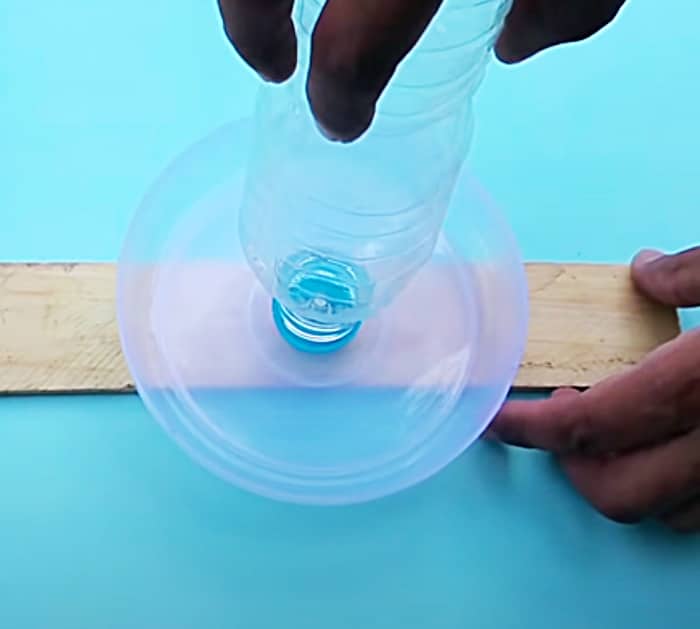
Seal all joints to stop water leaks. Use waterproof silicone or a non-toxic sealant. Apply sealant around the edges where bottles or containers meet. Allow the sealant to dry completely before adding water. This step keeps your feeder clean and prevents water waste.
Filling With Water
Fill the feeder with fresh, clean water. Use a funnel to avoid spills. Check that water flows slowly and stays inside the feeder. Keep the water level high enough for birds to drink easily. Change the water daily to keep it fresh and safe.

Credit: www.youtube.com
Placing The Feeder Outdoors
Placing the water feeder outdoors is a key step to attract birds safely. The right spot encourages birds to visit often. It also keeps the feeder clean and easy to refill. Careful placement helps protect birds from predators and harsh weather.
Selecting The Location
Choose a quiet area with some shade. Birds prefer spots near trees or bushes for cover. Avoid places near busy roads or strong winds. Pick a spot visible from a window for easy bird watching. Ensure the area gets sunlight but not too much heat.
Mounting Techniques
Use sturdy poles or hooks to hang the feeder. Secure the feeder well to prevent it from falling. Attach it at a height where birds feel safe from ground predators. Consider using a platform or tray if the feeder stands on a surface. Check the feeder’s stability regularly.
Safety Considerations
- Keep the feeder away from places where cats or squirrels can reach easily.
- Place it at least 5 feet above the ground for safety.
- Use smooth, rounded edges to avoid bird injuries.
- Clean the feeder often to prevent disease.
- Keep fresh water available and change it daily.
Maintenance Tips
Maintaining your homemade water feeder ensures birds stay healthy and hydrated. Clean water attracts more visitors and prevents diseases. Following simple upkeep tips keeps the feeder in good shape all year.
Regular Cleaning
Clean the feeder every few days to stop algae and dirt buildup. Use warm water and mild soap for washing. Rinse thoroughly to remove soap traces. Avoid harsh chemicals that can harm birds. A clean feeder means fresh water for birds.
Refilling Schedule
Refill the water daily or as needed to keep it fresh. Check the water level in the morning and evening. Birds prefer fresh, cool water, especially in warm weather. Empty old water before adding new to avoid contamination. Consistent refilling encourages birds to visit often.
Seasonal Adjustments
Adjust your feeder care with the changing seasons. In summer, refill more often to prevent water from drying out. In winter, use warm water and check for ice. Place the feeder where it is protected from strong winds. Seasonal care keeps the feeder safe and useful all year.
Credit: diyjoy.com
Attracting Birds To The Feeder
Attracting birds to your homemade water feeder creates a lively and beautiful garden. Birds need safe, easy access to water, especially during hot or dry days. Creating the right environment helps bring them closer.
Birds prefer areas that feel secure and offer food or shelter nearby. Small changes in your garden can make a big difference. Here are ways to encourage birds to visit your water feeder often.
Adding Bird-friendly Plants
Plant shrubs and flowers that provide food and shelter. Choose native plants with berries, seeds, or nectar. These plants attract birds looking for food and a place to rest.
- Sunflowers and coneflowers offer seeds.
- Holly and elderberry produce berries.
- Flowering plants like bee balm attract insects birds eat.
Place plants near the water feeder. This gives birds a safe spot to hide and watch for danger.
Avoiding Predators
Birds avoid feeders near places where predators hide. Keep feeders away from thick bushes or low ground cover. Use open spaces with clear views around the feeder.
- Place feeders at least 5 feet from shrubs.
- Use poles or hang feeders from trees away from branches.
- Trim nearby plants to reduce hiding spots for cats or snakes.
Safe feeding spots help birds feel calm and visit more often.
Using Bird Calls
Bird calls can attract birds to your feeder. Play recorded sounds of local birds quietly near the feeder. This signals a safe and active area.
- Use calls of common species in your area.
- Keep volume low to avoid scaring birds.
- Turn off calls if birds seem stressed or avoid the feeder.
Bird calls create curiosity and encourage birds to explore your feeder.

Credit: www.youtube.com
Frequently Asked Questions
How Do I Make A Bird Water Feeder?
To make a bird water feeder, use a plastic bottle, a shallow dish, and some string. Cut holes in the bottle, fill it with water, and hang it securely. The dish will catch the water, creating a simple feeder. Ensure it’s stable and regularly cleaned for safe bird use.
What Materials Are Needed For A Bird Water Feeder?
To make a bird water feeder, you’ll need a plastic bottle, a shallow dish, string, and scissors. These materials are easily available and inexpensive. Ensure the bottle is clean and the dish is stable. This simple DIY project helps attract birds and supports their hydration needs.
How Often Should I Refill The Bird Water Feeder?
Refill the bird water feeder every two to three days. This ensures the water remains fresh and safe for birds. During hot weather, check it daily as water evaporates faster. Regular refilling helps attract more birds and supports their hydration needs effectively.
Why Is A Bird Water Feeder Important?
A bird water feeder provides essential hydration, especially during hot and dry seasons. It attracts more birds to your garden, offering them a reliable water source. This simple addition supports local wildlife, enhancing your garden’s ecosystem while offering birdwatching opportunities.
Conclusion
Creating a water feeder for birds at home helps them stay healthy. It’s simple, cheap, and fun to make. You can use common materials found around the house. Birds will visit more often, bringing nature closer to you. Keep the feeder clean and refill it regularly.
Enjoy watching different birds drink and play. Small actions like this protect wildlife and brighten your day. Try making one today and see the joy it brings. Helping birds has never been easier or more rewarding.