
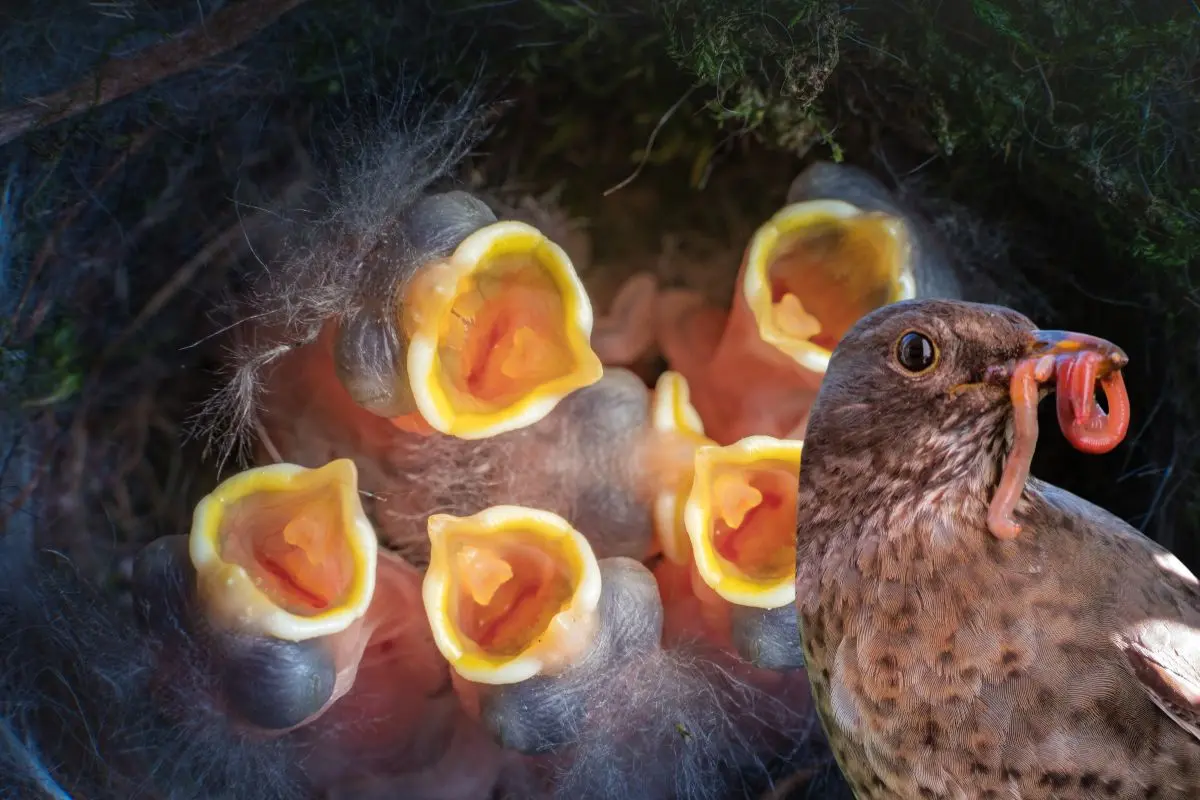
Caring for newborn birds can feel overwhelming, especially when you’re unsure how often to feed them. You want to give your tiny feathered friends the best chance to grow strong and healthy.
But feeding them too little or too much can cause serious problems. You’ll discover exactly how often to feed newborn birds, with simple tips that make the process easy and stress-free. Keep reading to learn the key signs to watch for and how to create a feeding schedule that works perfectly for your little birds.
Feeding Frequency By Age
Newborn birds need different feeding frequencies as they grow. Understanding how often to feed them by age helps ensure they get the right amount of nutrition without overfeeding. Your attention to these changes can make a big difference in their survival and healthy development.
First Week Feeding Schedule
In the first week, newborn birds are incredibly fragile and require feeding every 15 to 20 minutes from dawn until dusk. This means you might be feeding them up to 20 times a day. I remember struggling with the timing, but keeping a strict schedule helped the chicks thrive.
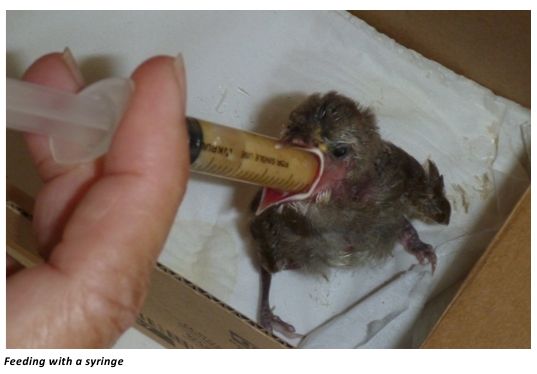
During this period, feeding should be consistent and gentle. Use a syringe or small dropper to deliver the food slowly. Never let them go longer than an hour without feeding.
Feeding In Weeks Two And Three
By the second week, the feeding frequency decreases to about every 30 to 60 minutes. This gives you some breathing room but still requires close attention. You’ll notice the chicks becoming more active and alert, signaling they are getting stronger.
Food quantity increases as their stomachs grow. You can start offering slightly thicker or more solid food. Keep observing their reaction to adjust the feeding amounts.
Adjustments After Three Weeks
After three weeks, feeding intervals can stretch to every 1 to 2 hours. The young birds begin to practice eating on their own but still rely on you for nutrition. This is the stage where you can introduce more variety in their diet.
Pay attention to their cues—if they start refusing food, it might be time to reduce the frequency. Have you noticed how quickly they learn to eat independently once given the chance?
Types Of Food For Newborn Birds
Feeding newborn birds the right types of food is crucial for their growth and survival. Their tiny bodies need nutrients that mimic what they would get from their parents in the wild. Choosing the right food can be confusing, but understanding the options helps you provide the best care.
Natural Diet Options
Newborn birds usually rely on what their parents feed them, which varies by species. Common natural foods include insects, worms, and soft fruits. These foods supply essential proteins and vitamins needed for healthy development.
If you’re hand-feeding, try mashed mealworms or finely chopped earthworms, which are rich in protein. Soft fruits like mashed berries can add vitamins but should be given sparingly. You might ask yourself: can your bird handle the texture and nutrients of these foods?
Commercial Formula Choices
Commercial formulas offer a convenient and balanced option for feeding newborn birds. These are specially designed to meet the nutritional needs of various bird species. Look for formulas labeled for baby birds or hand-feeding use.
Powdered formulas mixed with warm water create a smooth, easy-to-digest meal. They save time and reduce the risk of nutritional gaps compared to homemade mixes. Have you checked the ingredients to ensure no harmful additives are included?
Avoiding Harmful Foods
Some foods can be dangerous for newborn birds and should be strictly avoided. Avoid giving bread, milk, or processed human foods as these can cause digestive problems or malnutrition. Also, foods high in salt, sugar, or fat can harm their delicate systems.
Never feed birds foods that are too hard or large, as this can cause choking. It’s important to stay informed about what not to feed to keep your baby bird safe. Are you confident that your feeding choices support your bird’s health without risks?
Signs Of Proper Nutrition
Recognizing signs of proper nutrition in newborn birds is vital for their survival and growth. Well-fed birds show clear physical and behavioral signals. These signs help caretakers ensure the birds receive enough food and nutrients daily.
Healthy Weight Gain
Newborn birds should steadily gain weight each day. Use a small scale to check their weight regularly. A steady increase means they get enough food. Sudden weight loss or no gain signals a problem. Record weights to track their progress over time.
Active Behavior Indicators
Healthy birds move actively and respond to sounds. They open their mouths wide when hungry and close them after feeding. Sleepy or weak birds may need more care. Bright eyes and quick movements show good health. Watch for alertness during feeding times.
Feather Development Milestones
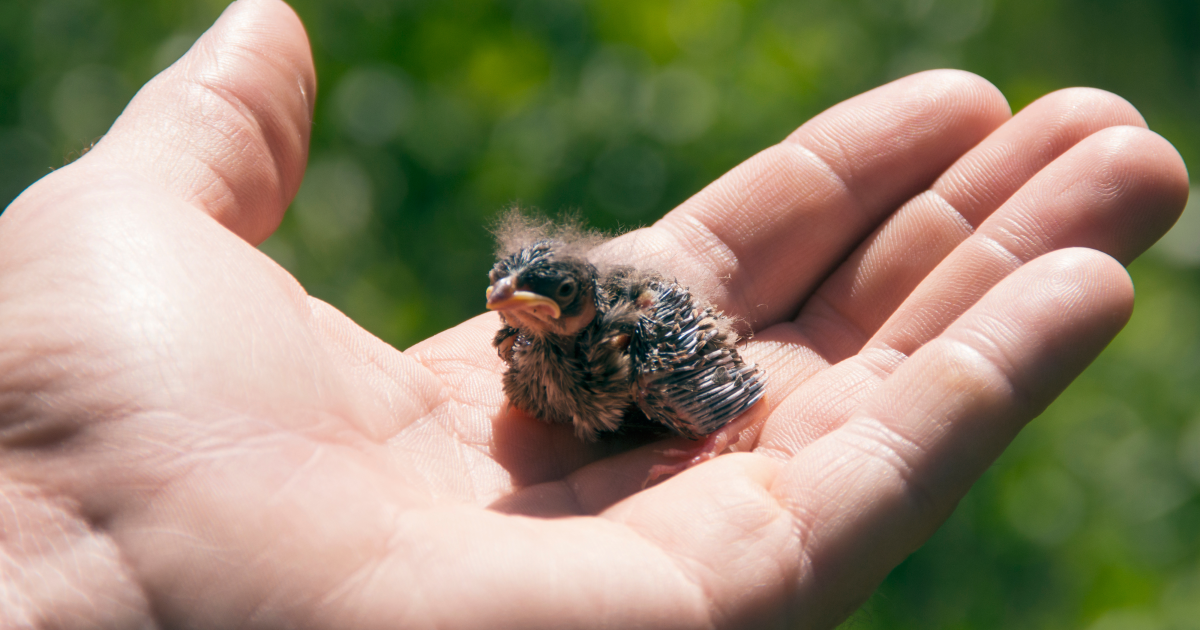
Feathers grow in stages, showing proper nutrition. First, soft down feathers appear, followed by stronger feathers. Regular feather growth means the bird gets enough protein and vitamins. Poor feather condition can show nutritional issues. Keep a close eye on feather changes weekly.
Credit: besgroup.org
Feeding Techniques
Feeding newborn birds requires careful attention to technique. How you feed them can impact their health and growth significantly. Mastering the right methods helps you provide the right amount of nutrition without causing harm.
Hand-feeding Tips
Use your fingers gently to open the bird’s mouth wide enough for feeding. Avoid forcing the beak open, as this can stress or injure the bird.
Warm the food to body temperature before feeding. Cold food can cause digestive problems and discomfort.
Feed in small amounts at a time. Overfeeding can lead to choking or regurgitation, so watch for signs that your bird is full.
Using Feeding Syringes
Choose a syringe with a soft, rounded tip to protect the bird’s delicate mouth. A 1-3 ml syringe usually works well for small birds.
Fill the syringe with the prepared formula and remove air bubbles to prevent choking. Slowly and steadily push the plunger to release the food.
Position the syringe carefully at the side of the mouth, not directly down the throat. This reduces the risk of aspiration.
Maintaining Hygiene
Clean all feeding tools thoroughly after each use. This prevents bacterial growth that can harm the baby bird.
Wash your hands before and after feeding to avoid transferring germs. Use warm water and mild soap.
Regularly sterilize syringes and utensils by boiling or using a safe disinfectant. Keep the feeding area clean and dry at all times.
Common Feeding Challenges
Feeding newborn birds can be challenging. Many new caregivers face common problems that affect the birds’ health and growth. Understanding these issues helps provide better care and improve feeding success.
Refusal To Eat
Newborn birds may refuse food for several reasons. Stress or fear can make them close their mouths. Sometimes, the food temperature is too hot or cold. The texture or taste might not suit their needs. Patience and gentle encouragement often help. Try offering food slowly and softly to gain their trust.
Overfeeding Risks
Overfeeding can harm a newborn bird’s health. It may cause choking or stomach problems. Feeding too often or giving too much food overwhelms their small bodies. Watch for signs like bloating or difficulty breathing. Feeding in small, regular amounts keeps birds safe and healthy.
Dealing With Illness
Illness affects a bird’s appetite and feeding habits. Sick birds may eat less or refuse food altogether. Symptoms include lethargy, unusual droppings, or breathing trouble. Consult a vet quickly if illness appears. Proper care and hygiene prevent many feeding problems during sickness.
Credit: pethelpful.com
Transitioning To Solid Food
Transitioning newborn birds to solid food marks an important phase in their growth. It requires careful timing and patience to ensure they adapt well. This change supports their developing digestive system and prepares them for independent feeding.
Timing The Transition
Begin introducing solid food when the bird’s crop feels less full after feeding. This usually happens around two to three weeks old. Watch for signs like interest in food or pecking at soft items. Avoid rushing; too early can cause digestive upset.
Introducing New Textures
Start with soft, easy-to-digest foods like mashed fruits or soaked pellets. Gradually increase the texture firmness over several days. Offer small pieces to encourage exploration without overwhelming the bird. Consistency helps them get used to new tastes.
Encouraging Independent Eating
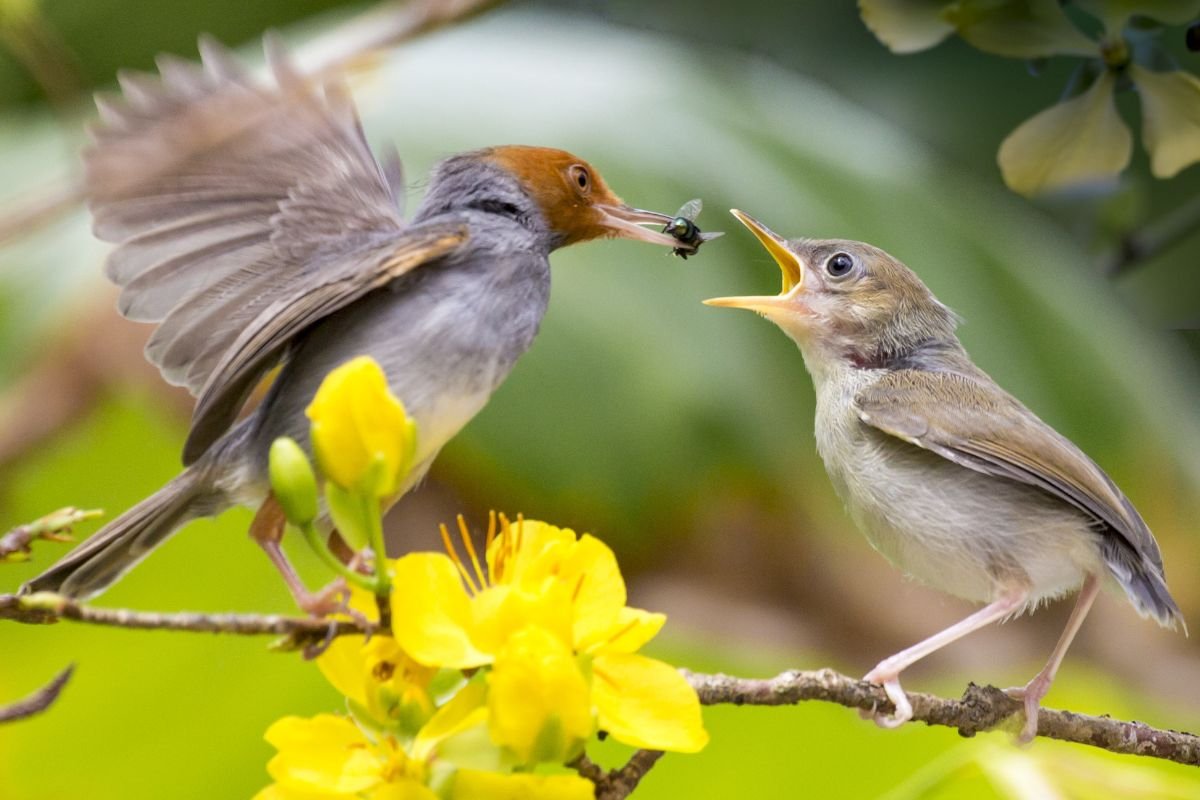
Place food within reach to motivate self-feeding. Use shallow dishes and clean water nearby. Gently guide their beak to the food without forcing. Praise or gentle encouragement helps build confidence. Patience is key during this learning stage.
Credit: wildbloo.com
Frequently Asked Questions
How Often Should Newborn Birds Be Fed Daily?
Newborn birds need feeding every 15 to 20 minutes during daylight. This frequent feeding ensures they get enough nutrients for healthy growth and development.
What Type Of Food Is Best For Feeding Newborn Birds?
Soft, protein-rich foods like soaked dog food, egg yolk, or specialized bird formula are ideal. Avoid hard or processed foods that can harm their delicate digestion.
How To Tell If A Newborn Bird Is Getting Enough Food?
A well-fed newborn bird appears active and has a rounded belly. Consistent weight gain and regular begging indicate proper feeding and good health.
Can Feeding Frequency Change As Birds Grow Older?
Yes, as birds mature, feeding frequency decreases. Older nestlings require feeding every 30 to 60 minutes until they can feed themselves.
Conclusion
Feeding newborn birds often helps them grow strong and healthy. Young birds need food every 15 to 20 minutes during daylight. As they get older, feedings slow down. Watch the birds closely to know when they are hungry. Giving the right amount of food is important.
Too much or too little can cause problems. Patience and care make a big difference. Feeding with love helps these tiny creatures survive. Keep learning about their needs for the best care. Small actions lead to big results.