
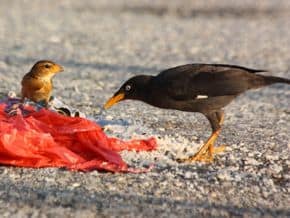
Have you ever wondered if feeding rice to birds is safe or harmful? You might have heard different opinions, and it can be confusing to know what’s true.
What if the rice you toss to birds could actually affect their health? You’ll discover the real facts about feeding rice to birds—what’s safe, what’s not, and how you can make the best choice for your feathered friends. Keep reading to clear up the mystery and make sure your bird-feeding habits are helping, not hurting.
Rice And Birds
Rice is a common food staple worldwide. Many people believe feeding rice to birds is harmful. Understanding the facts about rice and birds helps clear confusion. Birds often eat grains in the wild, but the type of rice matters.
Common Beliefs
Some believe uncooked rice can harm birds. The myth says rice swells in their stomachs. This could cause discomfort or even death. Others think cooked rice is unhealthy for birds. These ideas make people hesitate to feed birds rice.
Experts say these fears are mostly false. Birds like pigeons and sparrows eat grains like rice naturally. Uncooked rice does not expand enough to harm birds. Cooked rice is safe but can spoil quickly outside.
Types Of Rice
Rice comes in many forms. Each type affects birds differently. Here are some common types:
- Uncooked white rice:Safe for most birds. It is dry and hard.
- Cooked rice:Easier to eat but can spoil fast.
- Brown rice:Contains more fiber but harder to digest.
- Wild rice:Actually a seed, often eaten by waterfowl.
Feeding plain, unseasoned rice is best. Avoid rice with salt, spices, or additives. Birds need natural, simple food to stay healthy.

Credit: www.chroniclelive.co.uk
Effects Of Feeding Rice
Feeding rice to birds can affect them in different ways. It is important to understand these effects before offering rice as food. Some impacts are positive, while others may cause harm. Knowing these can help you make better choices for bird feeding.
Impact On Bird Health
Rice provides energy through carbohydrates. Birds can digest cooked rice easily. Raw rice might be harder to digest for some species. Overfeeding rice can lead to poor nutrition. Birds need a balanced diet with seeds, fruits, and insects. Too much rice can cause weight gain or nutrient deficiency. Some birds may develop digestive problems if rice is the main food.
Behavioral Changes
Feeding rice regularly can change bird behavior. Birds may gather in larger groups near feeding spots. This can increase competition and stress. Birds might become dependent on human-provided food. Dependency can reduce their natural foraging habits. Some birds may lose fear of humans, which can be risky. Feeding rice in moderation helps avoid these issues.
Scientific Research
Scientific research offers clear insights into the effects of feeding rice to birds, clearing up many common misconceptions. Understanding what studies reveal can help you make informed choices about bird feeding. Let’s look closely at what the data says about rice consumption by birds and the conclusions drawn by experts.
Studies On Rice Consumption
Researchers have examined whether rice poses any health risks to birds. Multiple studies have focused on both raw and cooked rice, observing how birds react and digest these grains. These investigations often involve common bird species found in urban and rural settings.
One notable study tracked wild birds that consumed rice in their natural habitats. Scientists checked for digestive issues, physical harm, or changes in behavior after rice consumption. They also compared rice with other common grains and seeds to see if any problems were unique to rice.
- Birds readily ate both raw and cooked rice without hesitation.
- No evidence showed that rice caused digestive blockages or poisoning.
- Some species even showed preference for rice over other food sources.
Findings And Conclusions
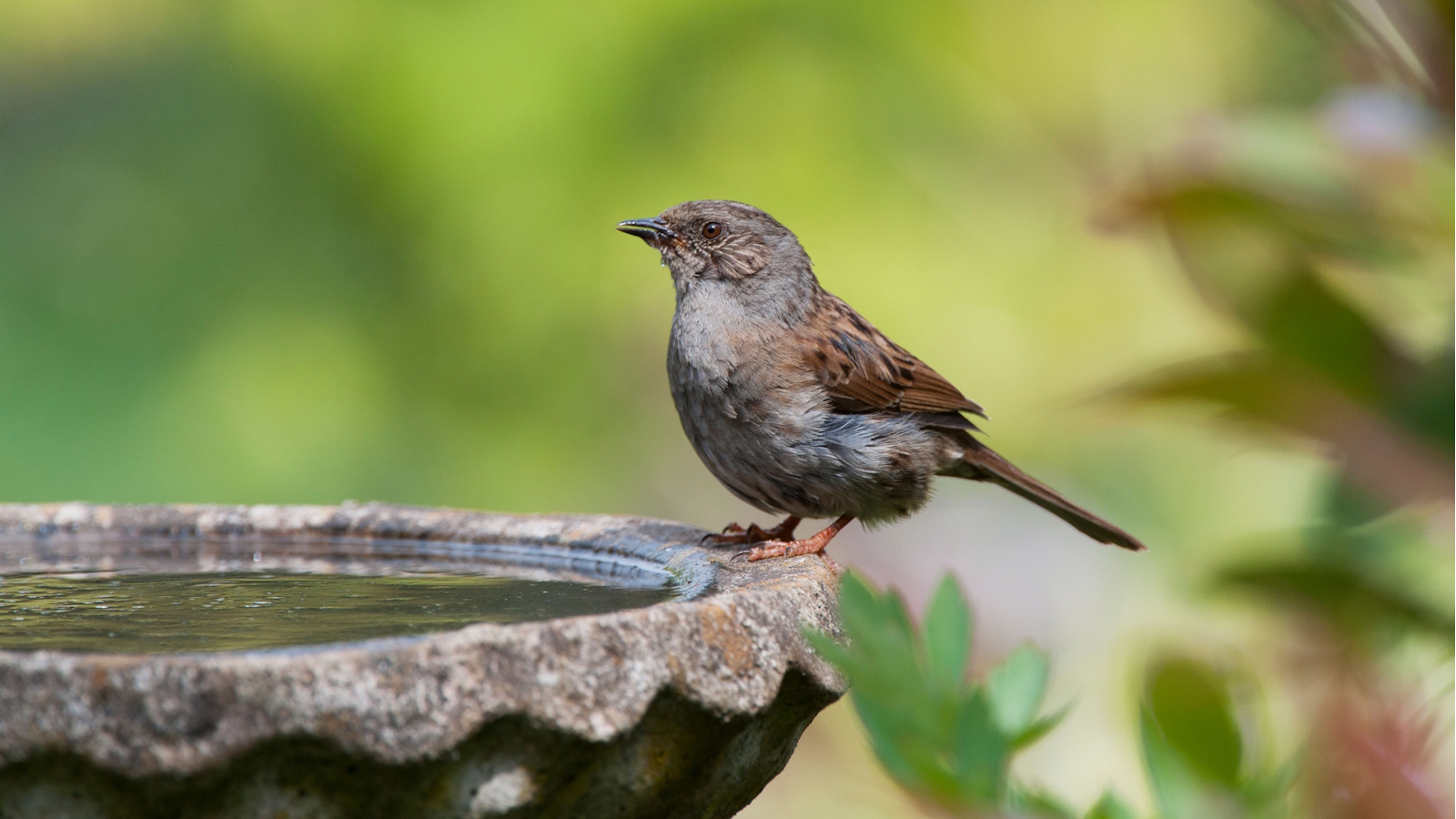
The findings consistently show that rice is safe for birds to eat. Contrary to the myth that raw rice expands in birds’ stomachs and harms them, science proves this is false. Birds have strong stomach acids that can handle rice grains effectively.
This means you don’t need to worry about feeding rice to the birds in your backyard. However, it’s important to avoid adding salt, spices, or oils, which can harm birds. Plain rice, whether cooked or uncooked, can be a nutritious part of their diet.
Have you ever noticed birds eagerly picking at leftover rice after a picnic? That natural behavior aligns well with what research confirms: rice is not harmful to them. Next time you want to feed birds, consider offering plain rice confidently, knowing it’s backed by science.
Credit: www.homesandgardens.com
Myths About Rice And Birds
Many people believe feeding rice to birds is harmful. These beliefs spread widely and often scare people from sharing food with birds. Understanding the truth about rice and birds helps clear confusion. It also encourages safe feeding practices for wild birds.
Debunking Popular Myths
One common myth says rice causes birds’ stomachs to explode. This idea is false. Birds eat grains like rice naturally without harm. Cooked or raw rice does not swell enough inside birds to cause damage.
Another myth claims rice is toxic to birds. Rice is not poisonous. Birds digest rice safely as part of their diet. It provides energy and nutrients just like other seeds.
Some believe only certain types of rice are safe. In reality, all rice types are generally safe for birds. White, brown, or wild rice does not pose a risk when fed in moderation.
Origins Of The Myths
The exploding stomach myth may come from misunderstandings of bird digestion. People wrongly think rice expands rapidly inside birds. This idea lacks scientific evidence.
Myths also spread from cultural stories and old warnings. These stories aimed to protect birds but created confusion. Misinformation passed down through generations continues to influence beliefs.
Fear of harming wildlife often causes people to avoid feeding birds rice. This caution is good but should be based on facts. Learning the truth helps people feed birds safely and confidently.
Safe Alternatives
Choosing safe alternatives to feeding rice to birds can protect their health and encourage natural foraging habits. Not all human foods are safe for birds, so knowing what works best makes a real difference. Let’s explore some bird-friendly options and practical feeding tips that will keep your feathered friends happy and healthy.
Bird-friendly Foods
Birds enjoy a variety of seeds, nuts, and fruits that provide essential nutrients without the risks associated with uncooked rice. You can easily offer:
- Sunflower seeds:These are rich in fat and energy, perfect for many songbirds.
- Millet:Small birds like finches and sparrows love millet.
- Chopped unsalted nuts:Peanuts or almonds offer protein and healthy fats.
- Fresh fruits:Apples, berries, and grapes provide vitamins and hydration.
Have you noticed birds returning more often when you switch from rice to these options? Their preference can guide you toward better feeding habits.
Feeding Tips
How you feed birds can be just as important as what you feed them. Keep these tips in mind:
- Offer food in small amounts:This prevents waste and keeps the feeding area clean.
- Use appropriate feeders:Platform feeders work well for larger seeds, while tube feeders suit smaller seeds.
- Keep feeding areas dry:Wet food can spoil quickly and attract pests.
- Observe and adjust:Watch which foods your local birds prefer and adjust accordingly.
Have you tried changing your feeding schedule or location to see if more birds visit? Small changes can create big differences.

Credit: besgroup.org
Frequently Asked Questions
Is It Safe To Feed Rice To Birds?
Yes, feeding rice to birds is safe. Cooked or uncooked rice does not harm birds. Birds can digest rice easily.
Can Birds Eat Raw Rice Without Problems?
Birds can eat raw rice without issues. The myth that raw rice harms birds is false and unsupported by science.
Does Feeding Rice To Birds Attract More Wildlife?
Feeding rice can attract various birds and wildlife. It provides a quick energy source, especially during migration or cold seasons.
What Type Of Rice Is Best For Feeding Birds?
Both cooked and uncooked white or brown rice are suitable. Avoid seasoned or flavored rice as additives may harm birds.
Conclusion
Feeding rice to birds is a common practice with mixed facts. Birds can eat uncooked rice safely in small amounts. It does not cause them harm or make them sick. Cooked rice is also fine but should not have added salt or spices.
Always offer rice as part of a varied diet to keep birds healthy. Avoid feeding too much rice alone. Remember, fresh water is just as important for birds. Careful feeding helps birds thrive and stay active in your garden.