
Finding a baby bird in need can be both exciting and overwhelming. You want to help, but you might wonder, how and what should you feed a baby bird to keep it healthy and strong?
Feeding a baby bird the wrong food or at the wrong time can harm it, even if your intentions are good. You’ll discover clear, simple steps to provide the right nutrition and care. Whether you’re a first-timer or just want to be sure you’re doing it right, this guide will give you the confidence to help that little bird thrive.
Keep reading to learn everything you need to know about feeding a baby bird safely and effectively.

Credit: www.youtube.com
Choosing The Right Food
Choosing the right food for a baby bird is vital for its health and growth. Baby birds need a special diet that matches their natural needs. Feeding the wrong food can harm them or slow their development. Understanding what to feed and what to avoid helps you care for them properly.
Types Of Suitable Foods
- Soft, small insects like mealworms and crickets
- Commercially made baby bird formula for hand-feeding
- Mashed fruits such as apples, bananas, and berries
- Soaked dog or cat kibble, softened with water
- Boiled eggs, mashed finely for protein
Foods To Avoid
- Milk and dairy products that birds cannot digest
- Processed human foods with salt, sugar, or spices
- Seeds and nuts that are too hard to swallow
- Raw meats or fish that may carry bacteria
- Citrus fruits that upset their stomach
Nutritional Needs By Age
| Age | Food Type | Key Nutrients |
|---|---|---|
| Hatchlings (0-7 days) | High-protein soft insects and formula | Protein, moisture, and warmth |
| Nestlings (8-14 days) | Insects, mashed fruits, soft eggs | Protein, vitamins, minerals |
| Fledglings (15+ days) | Small seeds, fruits, insects | Protein, fats, carbohydrates |
Feeding Techniques
Feeding a baby bird requires gentle care and the right techniques. Proper feeding helps the bird grow strong and healthy. It is important to use safe methods and tools. Understanding the right frequency and portions is key. This section explains how to feed a baby bird correctly.
Hand-feeding Methods
Hand-feeding a baby bird needs patience and a soft touch. Hold the bird gently but securely. Use your finger or a small spoon to offer food slowly. Ensure the food is warm, not hot. Open the bird’s beak carefully and place food inside. Never force the food, as this can hurt the bird. Watch the bird swallow before giving more. This method creates a bond and helps the bird feel safe.
Using Feeding Tools
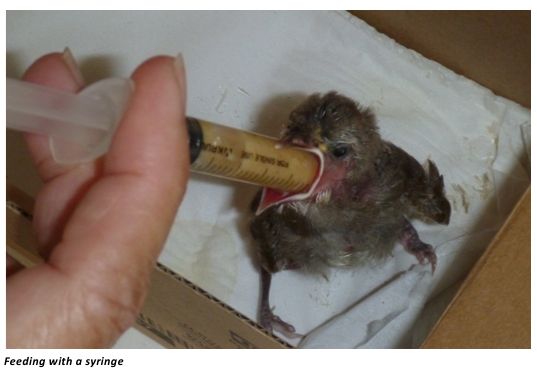
Feeding tools help deliver food easily and safely. Common tools include:
- Small syringes without needles
- Dropper bottles
- Special feeding spoons designed for birds
Clean tools before each feeding to avoid infections. Use gentle pressure to control food flow. Avoid air bubbles in syringes to prevent choking. Feeding tools make the process smoother and reduce stress for the bird.
Frequency And Portions
Baby birds need frequent feedings for energy and growth. Feed young birds every 15 to 20 minutes during daylight. Older birds require feeding every 30 to 60 minutes. Offer small portions to prevent choking or overeating. Watch the bird’s crop to know when it is full. A full crop feels soft and rounded. Proper timing and portion size keep the bird healthy and happy.
Preparing The Food
Preparing food for a baby bird requires care and attention to detail. Your goal is to provide nourishment that closely mimics what they would get in the wild. This means understanding the right ingredients, the correct consistency, and safe handling practices.
Safe Preparation Practices
Cleanliness is crucial when preparing baby bird food. Always wash your hands thoroughly before handling any ingredients. Use sterilized bowls and utensils to prevent harmful bacteria from affecting the fragile digestive system of the bird.
Keep your preparation area free from contaminants like raw meat juices or dirty surfaces. A simple wipe with a disinfectant before and after can make a big difference. Have you ever thought about how easily bacteria can multiply on leftover food? Avoid keeping food out for too long.
Mixing Formulas And Solids
Commercial baby bird formulas are designed to offer balanced nutrition and are usually the safest choice. Follow the package instructions exactly, adding water gradually to get the right thickness. Too thick or too thin can cause feeding difficulties or digestive problems.
If you decide to add solids like finely chopped insects or fruits, introduce them slowly. Mix small amounts into the formula so the baby bird can adjust. Watch how your bird responds to new textures—do they swallow easily or struggle?
Warming And Storage Tips
Warming the food is essential; cold food can shock the baby bird’s system. Use a warm water bath to gently heat the formula, testing the temperature on your wrist before feeding. Avoid microwaves, as they heat unevenly and can create hot spots.
Store any unused formula in a clean, sealed container in the refrigerator, but only for up to 24 hours. Discard any leftovers that have been at room temperature for more than an hour. Have you noticed how fresh food always tastes better? Baby birds feel the same way.

Credit: www.youtube.com
Monitoring Baby Bird Health
Monitoring a baby bird’s health is key to ensuring it grows strong and happy. Careful observation helps spot any issues early. Feeding plays a big role in their health, so watch closely for signs that they are eating well and thriving.
Signs Of Proper Nutrition
- Steady weight gain over days and weeks
- Bright, clear eyes and smooth feathers
- Active movement and alertness
- Regular, firm droppings
- Healthy skin color without swelling or redness
These signs show the baby bird receives enough nutrients. They indicate the feeding routine supports growth and energy.
Recognizing Feeding Problems
- Refusing food or weak swallowing reflex
- Slow or no weight gain for several days
- Swollen crop or crop not emptying
- Droppings that are watery, discolored, or foul-smelling
- Listlessness or unusual quietness
Notice these signs early. They often point to feeding issues or illness. Adjust feeding methods or formula if needed.
When To Seek Veterinary Help
Seek a vet if the baby bird shows persistent feeding problems. Sudden lethargy or breathing trouble requires urgent care. Swollen body parts or open wounds also need professional attention.
Early treatment improves the bird’s chance to recover. Don’t wait if you sense something is wrong.
Encouraging Independence
Encouraging independence in a baby bird is a key step in its growth. It helps the bird learn essential skills for survival. This process needs patience and gentle guidance. The goal is to help the bird eat on its own confidently and safely.
Transitioning To Self-feeding
Start by offering food in small, manageable pieces. Place food near the bird but not too close. Allow the bird to explore and try eating by itself. Watch closely and step in only if the bird struggles. Keep feeding times regular to build a routine. Gradually reduce hand feeding as the bird grows.
Introducing Natural Foods
Offer a variety of foods that the bird would find in the wild. Fresh fruits, seeds, and insects are good options. Make sure foods are soft and easy to chew. Avoid anything toxic or hard to digest. Change the menu slowly to avoid upset stomachs. Natural foods help the bird develop proper taste and nutrition.
Building Feeding Confidence
Cheer small successes with calm and gentle praise. Do not rush or force the bird to eat. Provide a quiet and safe space for feeding. Let the bird try different foods at its own pace. Regularly clean feeding areas to keep them inviting. Confidence grows with consistent support and freedom to explore.

Credit: www.youtube.com
Frequently Asked Questions
What Is The Best Food For Feeding A Baby Bird?
The best food depends on the species but generally includes soft, protein-rich items like soaked dog food, mealworms, or baby bird formula. Avoid bread or milk, as they can harm the bird. Always feed small, frequent meals to mimic natural feeding.
How Often Should I Feed A Baby Bird Daily?
Baby birds need feeding every 15 to 20 minutes during daylight hours. As they grow, feeding frequency decreases to every 30 minutes or hourly. Consistent feeding is crucial for their survival and healthy development.
Can I Feed A Baby Bird With Milk Or Bread?
No, milk and bread are harmful to baby birds. Bread lacks essential nutrients and can cause digestive issues. Milk can upset their stomach and cause illness. Stick to species-appropriate diets like insects, soaked pellets, or specialized formulas.
How Do I Safely Feed A Baby Bird By Hand?
Use a small syringe or dropper to feed the baby bird gently. Avoid force-feeding to prevent choking. Keep the food warm and feed in small amounts. Handle the bird carefully to reduce stress and injury risks.
Conclusion
Feeding a baby bird takes care and patience. Choose soft, nutritious foods like insects or soaked seeds. Feed small amounts often to keep the bird healthy. Keep the feeding area clean to avoid sickness. Watch the baby bird’s growth and adjust food as needed.
Feeding right helps the bird grow strong and ready for the wild. Always learn and follow safe feeding steps. Caring well makes a big difference in a baby bird’s life.