

Do you want your pet bird to feel like the true ruler of your home? Showing your bird as the dominant presence in your house isn’t just about pride—it’s about creating a strong bond and a happy environment for both of you.
Imagine your feathered friend confidently perched, commanding attention, and thriving in its space. You’ll discover simple, effective ways to make your pet bird the star of your home. Keep reading to unlock the secrets that will transform your bird’s behavior and your connection with it.
Choosing The Right Bird
Choosing the right bird is key to having a dominant pet bird in your house. The right bird can bring energy and presence to your home. Not all birds have the same personality. Some birds naturally show dominance through their behavior. Selecting a bird with the right traits helps create a strong bond. It also makes training and care easier.
Popular Dominant Pet Birds
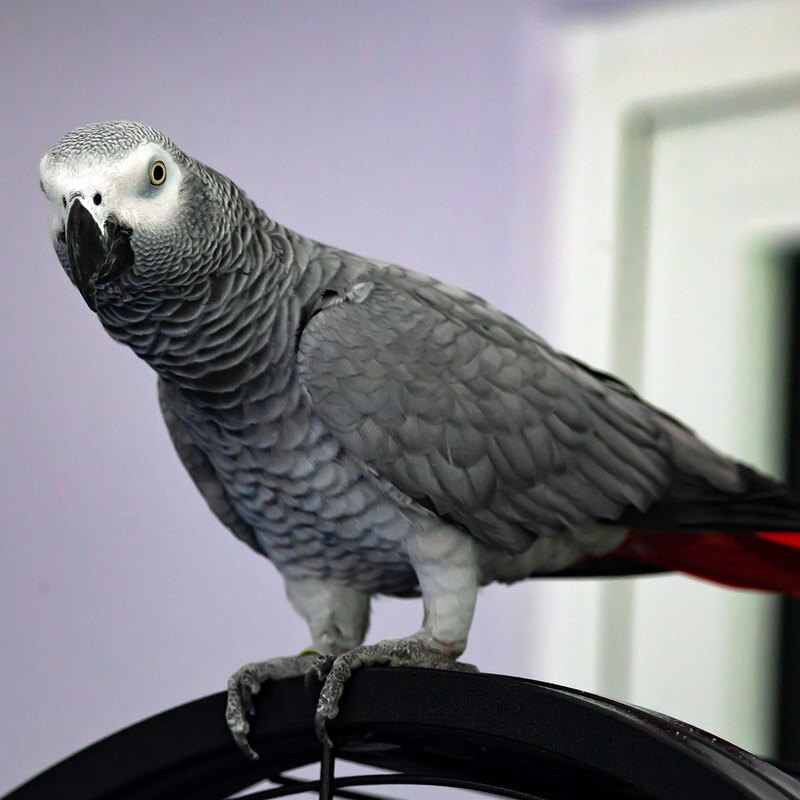
- African Grey Parrot – Known for intelligence and strong will
- Macaw – Bold and colorful with a commanding presence
- Eclectus Parrot – Confident and vocal, loves attention
- Cockatoo – Affectionate but can be very assertive
- Amazon Parrot – Outgoing and sometimes stubborn
Traits To Look For
- Confidence – Bird should not shy away from new situations
- Vocal Strength – Loud and clear calls show dominance
- Curiosity – A bird that explores shows leadership qualities
- Assertiveness – Willingness to take charge or react boldly
- Energy Level – Active birds tend to be more dominant
Assessing Temperament
Spend time observing the bird before deciding. Watch how it reacts to people and noise. Notice if it approaches first or waits quietly. Check if it shows signs of aggression or calm control. Dominant birds often test boundaries but remain manageable. Choose a bird whose temperament fits your lifestyle and patience level.
Credit: lafeber.com
Setting Up The Environment
Setting up the right environment is key to showing a pet bird in your house dominant. Birds feel safe and confident in spaces that suit their needs. Creating such an environment involves careful cage placement, comfort, and stress reduction. This helps your bird display natural behaviors and charm visitors.
Ideal Cage Placement
Place the cage where your bird can see daily activity. Avoid noisy areas like kitchens or near loud appliances. Choose a spot with good natural light but no direct sunlight. Keep the cage away from drafts and sudden temperature changes. Elevate the cage to a height where the bird feels secure and can observe surroundings.
Creating A Comfortable Space
Use a cage large enough for your bird to move freely. Add perches of different sizes and textures to keep feet healthy. Include safe toys for mental stimulation and exercise. Provide fresh food and clean water daily. Keep the cage clean and dry to prevent illness.
Minimizing Stress Factors
Limit loud noises and sudden movements near your bird. Avoid overcrowding the space with too many pets or people. Maintain a consistent daily routine for feeding and interaction. Use soft lighting during evening hours to help your bird relax. Watch for signs of stress like feather plucking or loud squawking and adjust the environment accordingly.
Building Trust And Bonding
Building trust with your pet bird is the foundation of a strong and respectful relationship. It takes patience and consistent effort to show your bird that your home is a safe place where it can thrive. When your bird feels secure, it naturally becomes more confident and dominant in its environment.
Daily Interaction Techniques
Spend time with your bird every day, even if it’s just a few minutes. Talk softly, offer your hand for it to perch on, and gently stroke its feathers. Consistency helps your bird get used to your presence and builds comfort.
Try to observe your bird’s preferences—does it like to be petted on the head or chest? Adjust your actions based on what your bird enjoys. This daily attention creates a routine that your bird looks forward to, strengthening your bond.
Using Positive Reinforcement
Reward good behavior with treats, praise, or extra playtime. Birds respond well to positive reinforcement and quickly learn which actions please you. For instance, give a small nut or seed when your bird steps onto your finger without hesitation.
Avoid punishment, as it can break trust and cause fear. Instead, focus on encouraging behaviors that show confidence and calmness. You’ll notice your bird becoming more willing to explore and take charge in your home.
Recognizing Bird Body Language
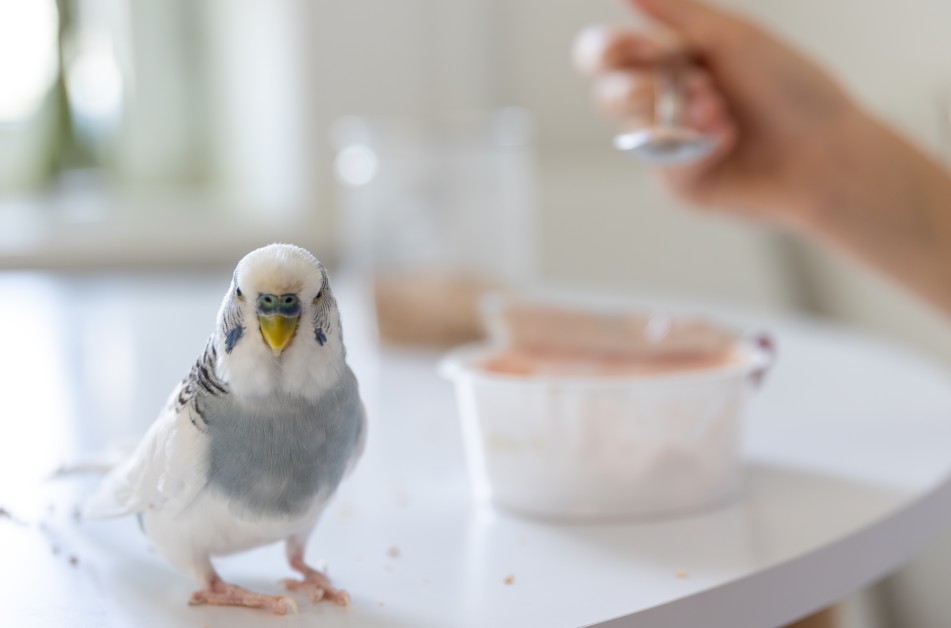
Understanding your bird’s body language helps you respond appropriately and avoid misunderstandings. Watch for signs like fluffed feathers, head bobbing, or wing spreading—they can indicate mood and intent.
For example, a relaxed bird will have smooth feathers and may gently preen itself. In contrast, a bird that feels threatened might hiss, raise its crest, or flick its wings rapidly. Recognizing these cues lets you give your bird space or offer comfort, which builds trust.
Have you noticed how your bird’s behavior changes when it feels safe versus stressed? Paying close attention to these signals can deepen your connection and help your bird feel dominant in your shared space.
Credit: www.petassure.com
Training For Dominance Display
Training your pet bird to show dominance is a unique way to build respect and trust. Dominance in birds means confidence, control, and clear communication. This training helps your bird express itself without fear or confusion. It also makes your interactions smoother and more enjoyable.
Start training with simple steps. Be patient and consistent. Understand your bird’s personality and limits. Use positive reinforcement and clear signals. These create a strong bond and encourage your bird to act confidently in your home.
Teaching Commands And Tricks
Begin with basic commands like “step up” or “stay.” Use treats as rewards to motivate your bird. Repeat commands often and praise success. Introduce tricks such as turning around or waving. This builds your bird’s focus and control.
- Use short, clear words for commands.
- Reward immediately after correct action.
- Keep training sessions brief and fun.
- Practice daily for steady progress.
Encouraging Confident Behavior
Confidence helps your bird show dominance without fear. Give your bird space to explore safely. Offer perches at different heights to boost comfort. Use calm tones to guide your bird during training. Celebrate small wins to build self-assurance.
- Allow your bird to make choices.
- Expose your bird to new sights gently.
- Encourage eye contact to build trust.
- Avoid sudden loud noises or quick movements.
Handling Aggression Safely
Aggression may appear during dominance training. Stay calm and avoid punishment. Identify triggers like fear or territorial behavior. Redirect your bird’s attention using toys or treats. Use gentle restraint only if needed for safety.
- Watch body language to predict aggression.
- Speak softly to soothe your bird.
- Remove stressors from the environment.
- Seek advice from a bird behavior expert if aggression persists.
Maintaining Health And Wellbeing
Keeping your pet bird healthy and happy is key to showing its true, confident nature at home. Birds thrive when their health and wellbeing are carefully maintained, which means paying attention to their diet, regular vet visits, and mental as well as physical activity. You want your bird to feel strong and lively, so it naturally takes the lead in your household atmosphere.
Balanced Diet Tips
Your bird’s energy and mood depend heavily on what it eats. Offer a mix of high-quality pellets, fresh fruits, and vegetables daily. Avoid feeding too many seeds; they can be high in fat and low in nutrients.
Try adding leafy greens like spinach or kale, and fruits like apples or berries for variety. Fresh water should always be available and changed every day. Have you noticed how your bird’s feathers shine brighter with a balanced diet? That’s a clear sign of good health.
Regular Vet Checkups
Scheduling routine vet visits helps catch health issues before they become serious. Birds often hide illness, so professional checkups are crucial. Find an avian vet who understands your bird’s species and behavior.
During visits, vets check for parasites, respiratory issues, and nutritional problems. Keeping your bird’s medical records up-to-date ensures quick action if anything changes. How often do you think your bird needs a vet visit? Twice a year is a good starting point for most pet birds.
Exercise And Mental Stimulation
Active birds are confident birds. Encourage daily exercise by providing safe space for flying or climbing. Toys like swings, ladders, and puzzle feeders keep their minds sharp.
Rotate toys regularly to prevent boredom, and spend time interacting with your bird. Training simple commands or tricks builds trust and strengthens your bond. Have you tried watching how your bird reacts when you introduce a new toy? Their curiosity is a great sign of mental wellbeing.
Managing Social Dynamics
Managing social dynamics is key to keeping your pet bird confident and stress-free at home. Birds are naturally sensitive to their environment and the creatures around them. Understanding how to balance interactions between your bird, other pets, and visitors can prevent anxiety and assert your bird’s dominance in a healthy way.
Introducing Other Pets
Introducing your bird to other pets requires patience and caution. Start by allowing your bird to observe the other animals from a safe distance. This helps your bird feel in control and less threatened.
Keep initial meetings short and supervised to avoid sudden movements that might scare your bird. Gradually increase their exposure as they get comfortable. Remember, your bird needs time to adjust and establish its place.
Handling Visitors
Visitors can disrupt your bird’s sense of security if not managed properly. Before guests arrive, spend extra time reassuring your bird with familiar routines and gentle interaction.
Teach your guests how to approach your bird calmly and avoid sudden gestures. Encourage them to speak softly to prevent startling your pet. This respect helps your bird maintain confidence and dominance in its space.
Avoiding Territorial Conflicts
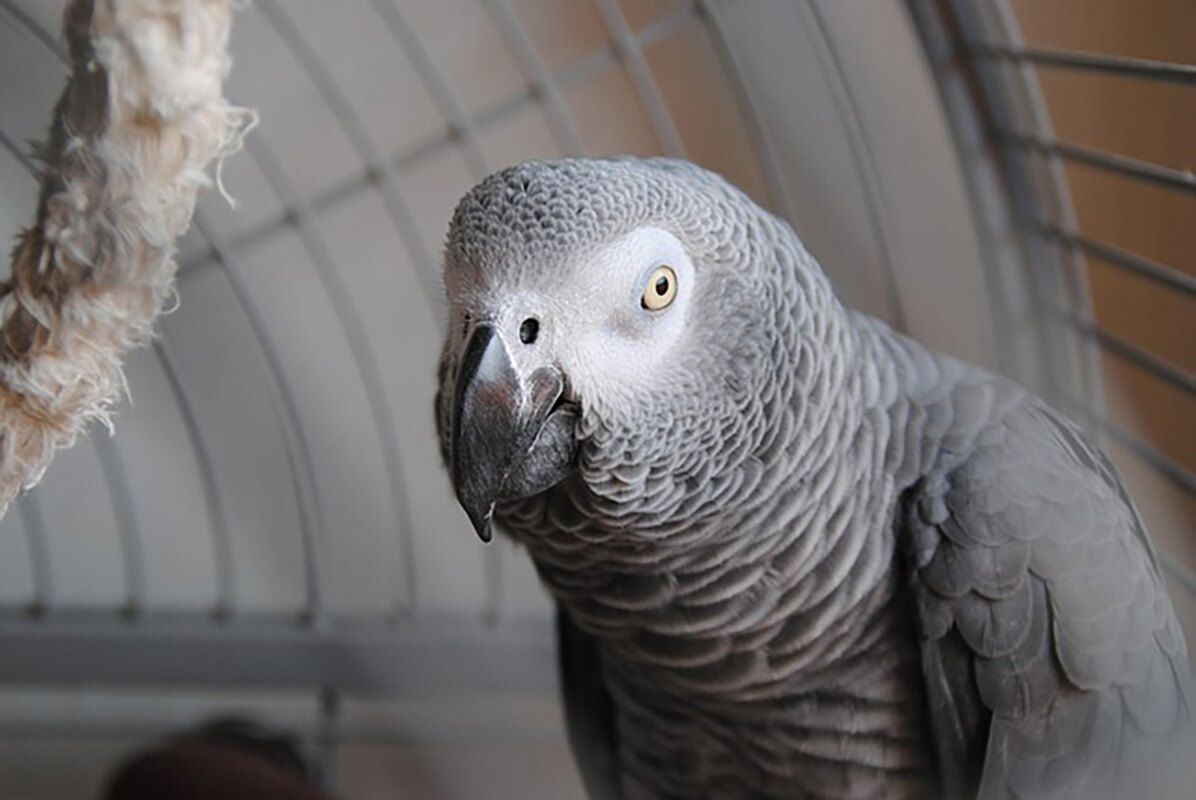
Birds are territorial by nature, so it’s crucial to define clear boundaries in your home. Designate a specific area as your bird’s domain and keep this space consistent.
Use visual barriers like cages or play stands to separate your bird from other pets or areas where conflict may arise. Watch for signs of stress or aggression and intervene early to keep peace. How do you currently handle your bird’s territory? Adjusting boundaries might be the key to a harmonious home.
Credit: lafeber.com
Frequently Asked Questions
How Do I Train My Pet Bird To Show Dominance?
Start by establishing consistent routines and boundaries. Use positive reinforcement and reward confident behavior. Avoid punishment, as it can cause fear and aggression. Patience and gentle leadership help your bird understand its place in the home hierarchy.
What Signs Indicate A Dominant Pet Bird At Home?
Dominant birds often display confident body language, such as puffed feathers and loud calls. They may assert control over perches and toys. Watch for protective or territorial behavior, like chasing other pets or guarding food.
Can Showing Dominance Improve My Bird’s Behavior?
Yes, clear leadership reduces anxiety and behavioral issues. A confident bird feels secure and less likely to act out. Consistent training and respect help foster a healthy human-bird relationship.
How To Balance Dominance And Affection With My Pet Bird?
Maintain firm boundaries while providing daily affection and interaction. Use calm, gentle tones and offer treats to build trust. This balance helps your bird feel safe and respected without fear.
Conclusion
Creating a dominant space for your pet bird is simple. Just follow the tips above. Ensure your bird feels safe and comfortable. Use natural perches and toys. Maintain regular feeding and cleaning routines. Show patience and love. These actions will help your bird thrive.
Remember, a happy bird means a happy home. Your bird’s well-being depends on your care and attention. Enjoy watching your feathered friend flourish in its environment. Simple steps lead to a joyful bird and owner relationship. Embrace the journey with your pet bird today.