
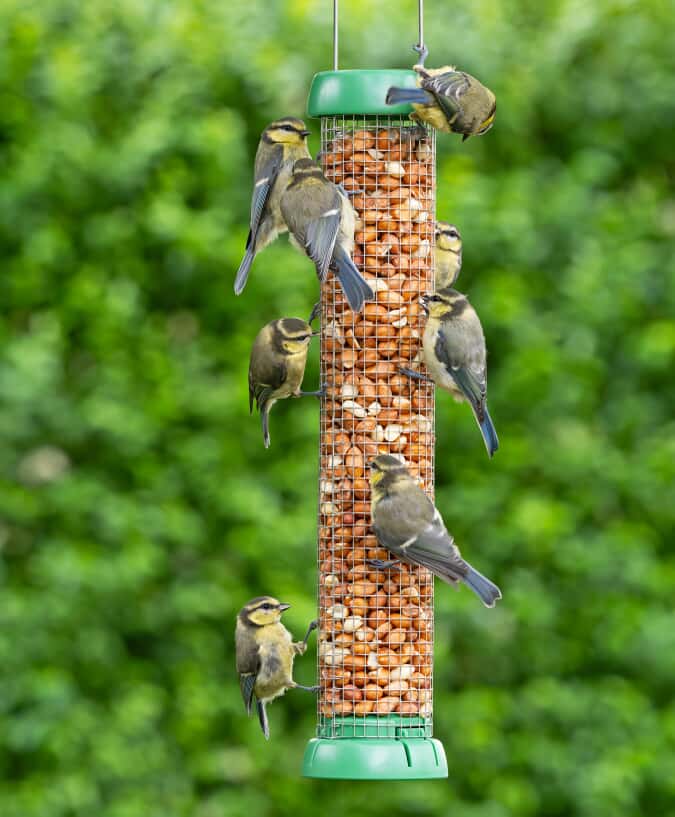
Have you ever wondered if a peanut butter bird feeder is actually good for the birds visiting your yard? You want to help wildlife, but you also want to make sure you’re not doing more harm than good.
Peanut butter feeders are popular because they’re easy to make and attract many birds, but is peanut butter really healthy for them? Keep reading to discover the surprising truth about peanut butter as bird food and how you can keep your feathered friends safe and happy.

Credit: www.aol.com
Benefits Of Peanut Butter Feeders
Peanut butter feeders offer several benefits for backyard birds. They provide a rich food source and encourage bird visits. These feeders support bird health and help bird watchers enjoy diverse species. Using peanut butter in feeders is simple and effective for attracting birds throughout the year.
Nutritional Value For Birds
Peanut butter is packed with protein and fats. These nutrients give birds energy for flying and staying warm. It is especially helpful during cold months. Birds need calories to survive harsh weather. Peanut butter also contains vitamins and minerals that support bird health. The sticky texture makes it easy for birds to eat slowly and enjoy.
Attracting Diverse Bird Species
Peanut butter feeders attract many bird types. From small songbirds to larger woodpeckers, many species enjoy peanut butter. This variety makes bird watching exciting. Different birds bring color and sound to your yard. Using peanut butter helps create a lively bird community. It is a natural way to support local wildlife and enjoy nature close to home.
Potential Health Risks
Using peanut butter in bird feeders can attract many birds. It is a popular choice for homemade feeders. Still, some health risks exist for the birds. Knowing these risks helps in making safer choices for feeding wildlife.
Allergens And Mold Concerns
Peanut butter may contain allergens that affect some birds. Birds with allergies might show signs of distress or illness. Mold can grow on peanut butter if the feeder is left outside too long. Moldy peanut butter is harmful and can cause serious health problems in birds.
Watch for signs of mold like discoloration or bad smell. Clean feeders regularly to prevent mold growth. Use fresh peanut butter and avoid leaving feeders out in wet weather.
Impact Of Added Ingredients
Some peanut butter brands add salt, sugar, or oils. These ingredients can harm birds by disrupting their natural diet. Salt can cause dehydration and other health issues. Sugar may lead to obesity and poor nutrition. Oils and preservatives might upset bird digestion.
Choose natural or unsalted peanut butter with no added sugar or oils. Always check the label before using peanut butter in feeders. Natural peanut butter is safer and healthier for wild birds.
Safe Peanut Butter Choices
Choosing the right peanut butter for your bird feeder is more important than you might think. Not all peanut butters are created equal, and what you put out for birds can affect their health. Understanding the difference between natural and processed options will help you make safe, healthy choices for your feathered visitors.
Natural Vs. Processed Options
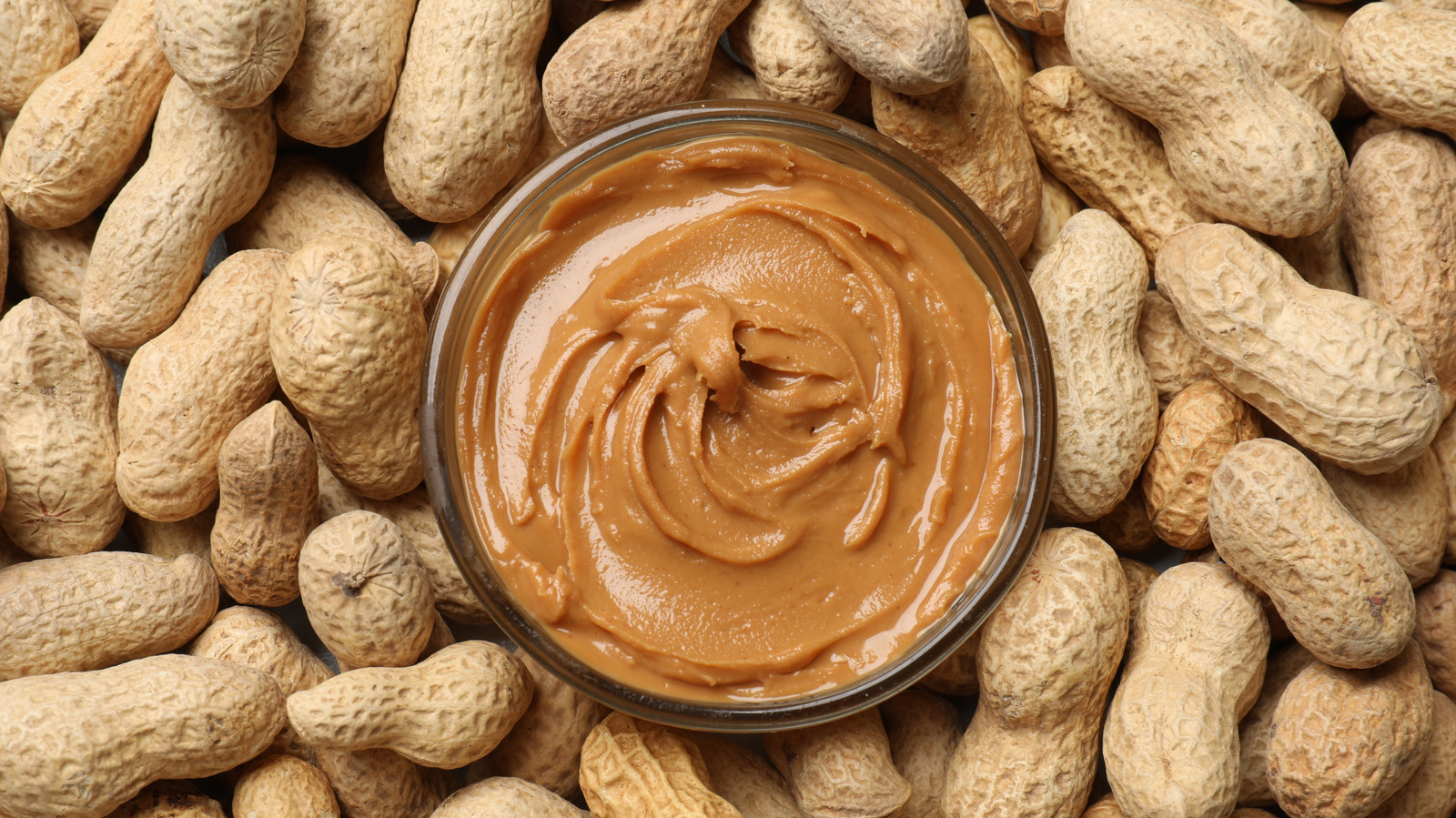
Natural peanut butter typically contains just peanuts and maybe a pinch of salt. It has no added sugars or hydrogenated oils, making it a safer choice for birds. Processed peanut butter, on the other hand, often includes extra ingredients like sugar, salt, and unhealthy fats.
I once used a popular processed peanut butter in my feeder and noticed fewer birds visiting. After switching to natural peanut butter, the birds returned quickly and seemed more active. This experience taught me that birds prefer the simple, pure taste of natural peanut butter.
- Natural Peanut Butter:100% peanuts, no additives
- Processed Peanut Butter:Contains sugars, salt, and oils
Avoiding Harmful Additives
Check the label before buying peanut butter for your bird feeder. Avoid products with added salt, sugar, or hydrogenated oils. These additives can harm birds’ digestion and overall health.
Did you know that some additives can cause sticky residue that traps feathers or attract pests? Keeping your feeder clean is easier when you choose pure peanut butter without harmful extras.
- Skip added sugar:Birds don’t need extra sugar, and it can be unhealthy.
- Say no to salt:Excess salt is dangerous for birds.
- Hydrogenated oils:These can cause digestive issues.
By selecting natural peanut butter without additives, you ensure your bird feeder is a safe and healthy spot. How careful are you when choosing food for your backyard birds?

Credit: www.livingwithbirds.com
Proper Feeder Maintenance
Proper feeder maintenance is key to keeping birds healthy. Dirty feeders can spread disease and harm birds. Regular care ensures the feeder stays safe and attractive for feathered visitors.
Preventing Mold Growth
Mold grows fast on peanut butter feeders, especially in warm weather. Mold is harmful to birds and can cause illness. Keep the feeder dry and clean to stop mold growth. Replace wet or moldy peanut butter immediately. Store peanut butter in a cool, dry place to avoid spoilage.
Cleaning Tips For Bird Safety
Clean feeders often to protect birds from germs. Use hot water and mild soap to wash the feeder. Rinse well to remove all soap. Avoid harsh chemicals that can hurt birds. Dry the feeder fully before refilling it. Check the feeder for cracks or damage and fix or replace it if needed.
Alternative Bird Feeder Foods
Choosing the right food for bird feeders is important for bird health. Alternative bird feeder foods offer variety and nutrition. These options keep birds active and happy in your garden. Healthy choices support their growth and energy.
Healthy Nut And Seed Options
Different nuts and seeds provide essential nutrients. Sunflower seeds are a favorite for many bird types. Peanuts, unsalted and shelled, offer protein and fat. Safflower seeds attract cardinals and grosbeaks. Millet is great for small birds like sparrows. Avoid salted or flavored nuts as they harm birds.
- Black oil sunflower seeds
- Unsalted peanuts
- Safflower seeds
- Millet
- Cracked corn
Homemade Bird Treats
Making bird treats at home allows control over ingredients. Mix seeds, oats, and a little natural peanut butter. Use gelatin or corn syrup to bind the mixture. Shape into balls or bars and chill before feeding. Homemade treats reduce additives and support bird health.
- Seed and oat balls
- Peanut butter and seed bars
- Fruit and nut clusters
Credit: www.tastingtable.com
Frequently Asked Questions
Is Peanut Butter Safe For Wild Birds To Eat?
Peanut butter is generally safe for wild birds when offered in moderation. Use natural, unsalted peanut butter to avoid harmful additives. It provides protein and fat, especially useful in colder months. Avoid sticky or sugary types that can harm birds or attract pests.
Can Peanut Butter Feeders Cause Bird Health Issues?
Overfeeding peanut butter can lead to obesity and nutritional imbalance in birds. Moldy or old peanut butter may cause illness. Always ensure the feeder is clean and peanut butter is fresh. Use it as a supplement, not a sole food source.
What Birds Are Attracted To Peanut Butter Feeders?
Woodpeckers, chickadees, nuthatches, and titmice are commonly attracted to peanut butter feeders. These birds enjoy the high-protein, high-fat content. Using peanut butter on suet or in feeders can increase bird variety in your garden.
How Do I Make A Peanut Butter Bird Feeder Safely?
Use natural peanut butter and avoid added sugars or salt. Spread it on pine cones or suet cakes, then roll in birdseed. Hang feeders in shaded, safe locations. Regularly clean feeders to prevent mold and bacteria growth.
Conclusion
Peanut butter bird feeders offer a tasty treat for birds. They attract many colorful visitors to your backyard. But moderation is key. Too much peanut butter might not be ideal. Ensure it’s a small part of their diet. Choose natural peanut butter without additives.
This keeps birds healthy and happy. Clean the feeder regularly to avoid mold. Enjoy watching vibrant birds visit your yard. Birdwatching can be a relaxing hobby. Try it today and see what birds you attract. Remember, balance is essential for bird health and enjoyment.