
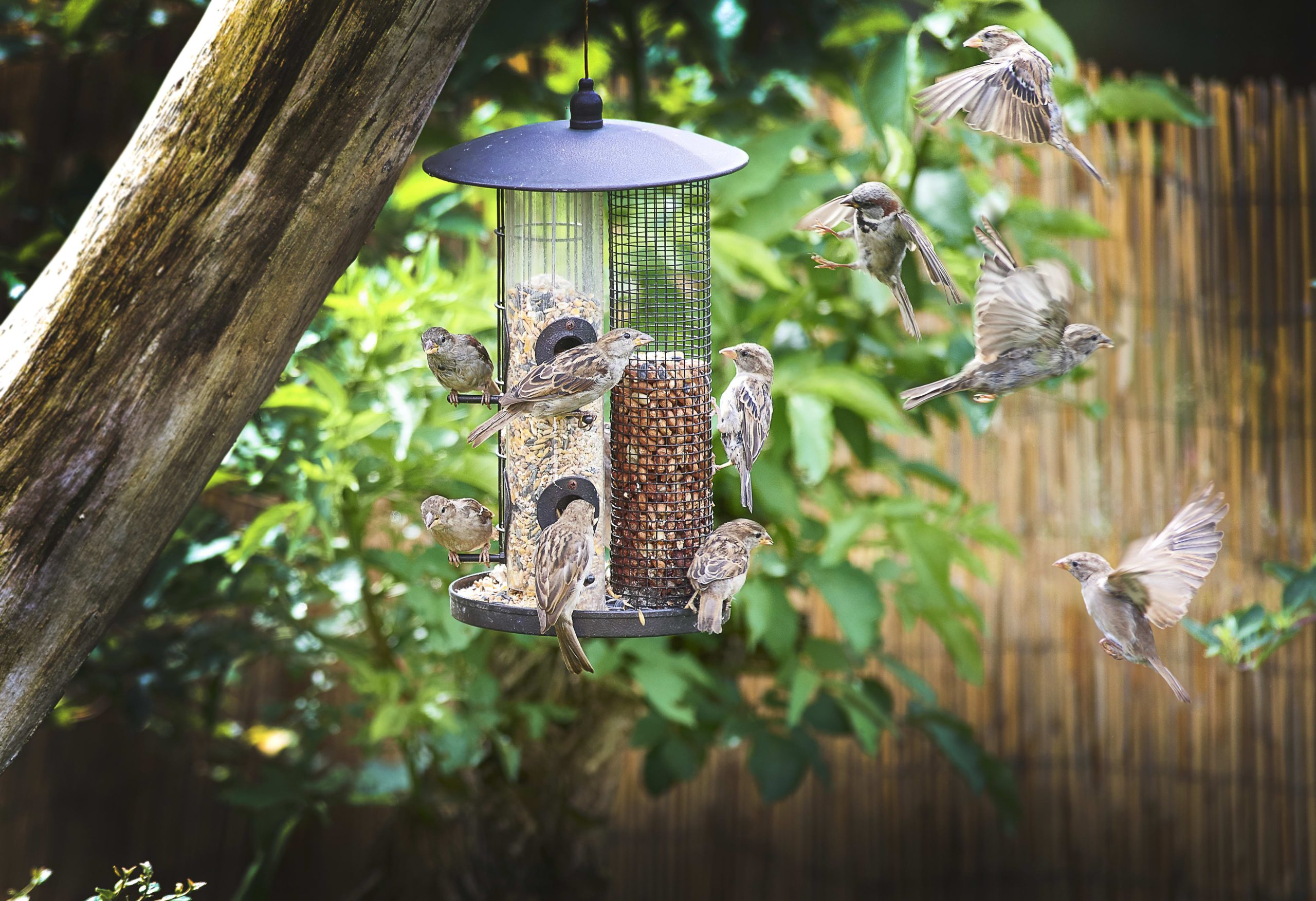
Are you tired of large birds taking over your feeder and scaring away the smaller, colorful visitors you love to watch? It can be frustrating to fill your feeder only to see big birds gobbling up all the food.
But don’t worry—there are simple, effective ways you can keep those large birds away without harming them. You’ll discover easy tips and tricks that will help you enjoy a peaceful, balanced bird feeding experience right in your backyard. Keep reading to learn how to protect your feeder and invite the birds you really want to see.
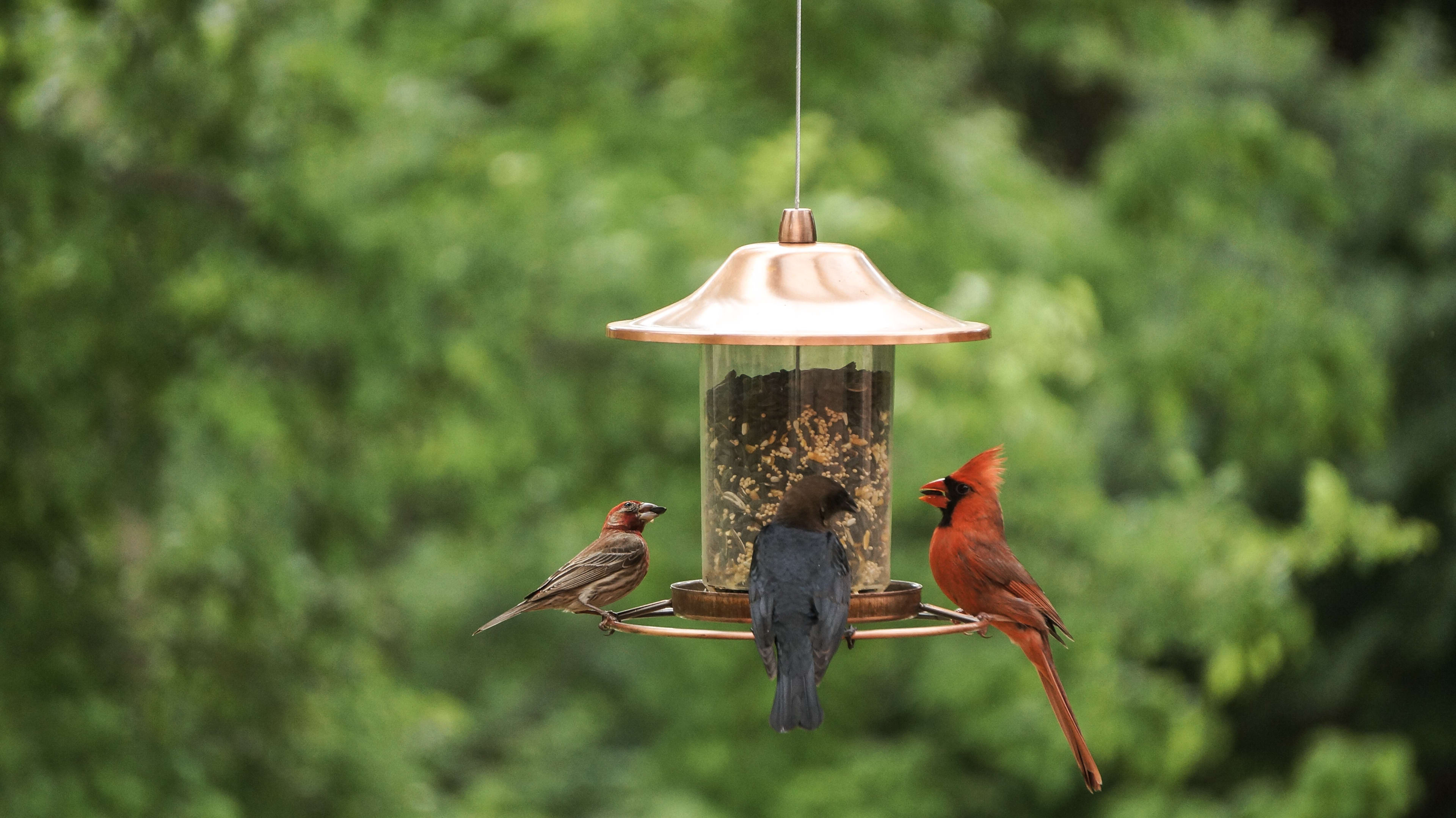
Credit: dengarden.com
Why Large Birds Visit Feeders
Large birds visit feeders for easy food and shelter. They find feeders a reliable source of meals. Feeders offer seeds and nuts, which many big birds enjoy. These birds also seek warmth and safety near feeders. Understanding why they come helps manage their visits better.
Common Large Bird Species
- Blue Jays
- American Crows
- European Starlings
- Grackles
- Grosbeaks
- Pigeons
These species often dominate feeders due to their size and strength. They can scare smaller birds away. Their presence is common in many backyards and parks.
Attractants For Large Birds
- Sunflower seeds
- Peanuts
- Suet cakes
- Cracked corn
- Fruit pieces
- Easy access to water
Large birds are drawn to high-energy foods. These foods help them stay active and healthy. Feeders that offer these attract many large birds quickly. The design of feeders also matters; open trays invite big birds more than tube feeders.
Problems Caused By Large Birds
Large birds at feeders can cause several problems. Their size and behavior often create issues for bird lovers. These problems affect both the feeder’s condition and the experience of watching smaller birds. Understanding these issues helps in managing feeders better.
Feeder Damage
Large birds can break feeder parts easily. Their strong beaks and claws cause wear and tear. Some feeders may fall or get bent. This leads to frequent repairs or replacements. Damage also reduces the feeder’s safety for all birds.
Scaring Smaller Birds
Big birds often chase away smaller ones. Their loud noises and quick movements frighten timid birds. Smaller birds may avoid feeders with large bird visitors. This reduces the variety of birds you can see. It also affects smaller bird populations in your area.
Mess And Waste
Large birds tend to spill more seeds. They eat quickly and drop leftover food. This causes seed waste on the ground. The mess attracts unwanted pests like rodents and insects. It also creates a dirty area under the feeder.
Choosing The Right Feeder
Choosing the right feeder plays a huge role in keeping large birds away from your bird feeder. It’s not just about picking something that looks nice; the size and design can make a big difference in who visits your feeder. A well-chosen feeder can invite the smaller birds you want while discouraging the bigger ones that cause trouble.
Size And Design Matters
Small feeders with narrow perches naturally limit access to large birds. Birds like crows and jays find it hard to land on tiny perches or squeeze into small feeding ports.
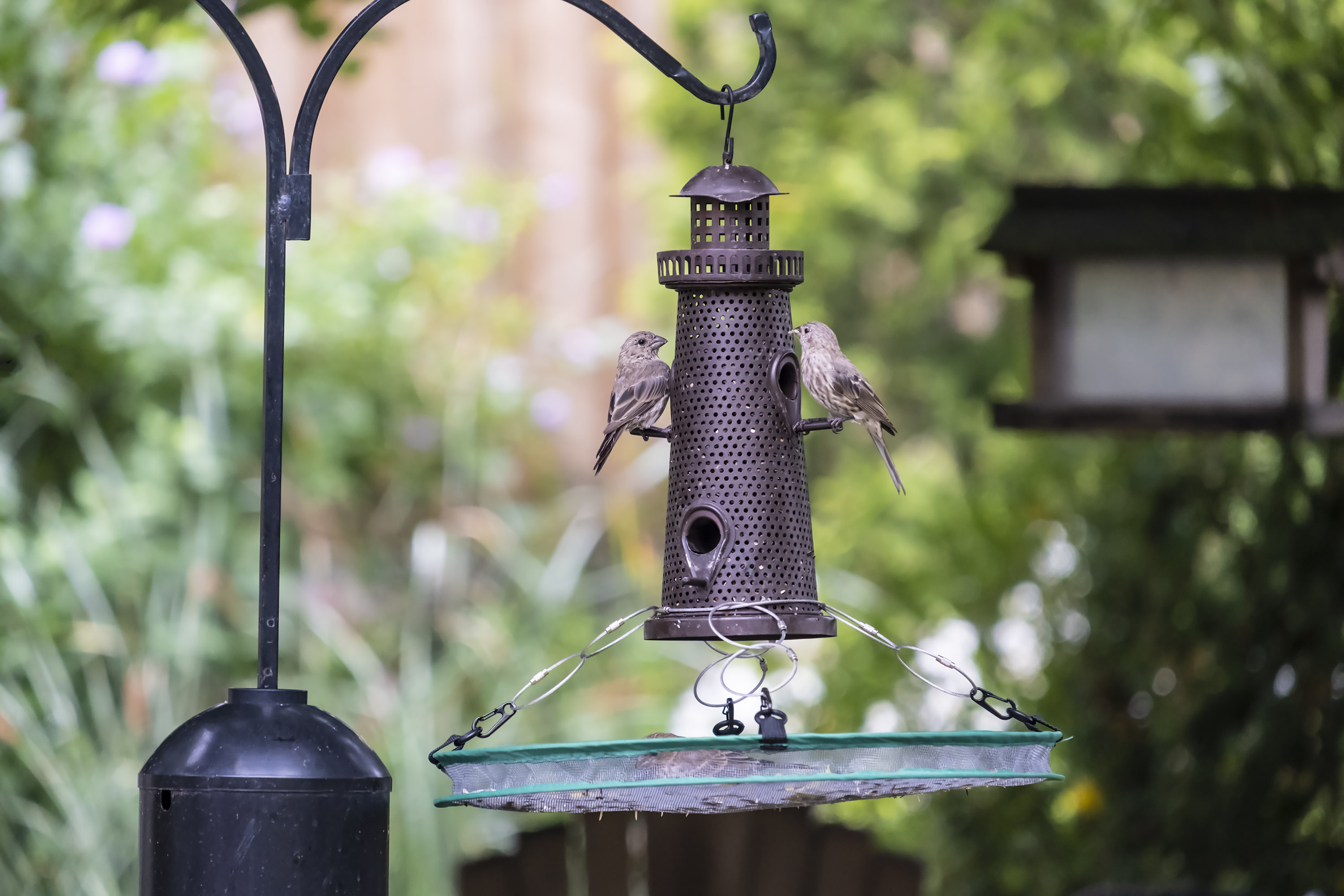
Look for feeders with adjustable perch sizes or those designed specifically for smaller birds. Tube feeders with small holes work well because they allow smaller birds to reach the seed but block larger beaks.
Have you noticed how some feeders have weight-sensitive perches? These close off feeding ports when heavy birds land, giving you a smart way to keep big birds away without scaring off the little ones.
Materials That Deter Large Birds
Choosing feeders made from certain materials can also help. Metal feeders with smooth surfaces offer less grip for large birds, making it uncomfortable or tricky for them to perch.
Plastic feeders with slick finishes can have a similar effect. Avoid rough or wooden feeders, as these provide good footing for bigger birds.
Some feeders come with built-in deterrents like metal guards or cages around the seed ports. These protect the feeder and restrict space, making it hard for large birds to access the food.
Think about your feeder’s placement too—mounting it on a pole with a metal baffle below can stop big birds from climbing up, adding another layer of defense.
Credit: dengarden.com
Placement Strategies
Placement strategies play a key role in keeping large birds away from your feeder. Choosing the right spot can make a big difference. Adjusting height and location, along with using physical barriers, helps control which birds visit your feeder. These simple changes protect smaller birds and improve your birdwatching experience.
Height And Location Tips
Place the feeder at a height that large birds find hard to reach. A height of 5 to 6 feet works well in most cases. Avoid areas near trees or fences where big birds can perch and jump onto the feeder. Open spaces reduce the chance of large birds sneaking in.
Keep the feeder away from busy paths or noisy spots. Quiet places attract smaller birds and discourage bigger ones. Check the feeder’s surroundings often and move it if large birds keep visiting.
Using Physical Barriers
Physical barriers stop large birds from landing or reaching food. Use baffles above or below the feeder to block access. These round or cone-shaped guards prevent big birds from perching easily.
Install metal cages around the feeder. The cage openings should be small enough to let small birds in but keep big birds out. This method works well for feeders with seeds or suet.
- Attach wire mesh around the feeder
- Use poles with guards to block large birds
- Place feeders inside protective cages
Physical barriers combined with smart placement keep your feeder safe for small birds. Adjust and test different setups until you find what works best.
Feeding Techniques To Discourage Large Birds
Feeding large birds at your feeder can be frustrating, especially when they scare away smaller, more delicate visitors. Adjusting your feeding techniques can help you create a balanced environment where all birds get their share without domination. Simple changes in what and when you feed can make a noticeable difference in who shows up at your feeder.
Selective Food Choices
Large birds often prefer certain seeds like sunflower or corn, which makes it easy to discourage them by changing your food selection. Try offering smaller seeds such as nyjer or millet, which attract finches and smaller birds while being less appealing to bigger species.
Another strategy is to remove food types that large birds favor. For example, if you notice grackles or crows dominating your feeder because of peanuts, switch to safflower seeds, which many larger birds avoid.
Have you ever noticed how some birds ignore specific seeds altogether? Use this to your advantage by experimenting with different mixes until you find the combination that keeps the large birds at bay while still attracting your favorite smaller birds.
Timed Feeding
Large birds often dominate feeders during certain times of the day, especially when food is available all day long. Limiting feeding to specific times can help control their presence and give smaller birds a better chance to eat.
Try setting your feeder out early in the morning and then removing or covering it during peak large bird activity. This timing can encourage smaller birds to visit when competition is lower.
Have you tried feeding birds just once or twice a day? You might find that large birds lose interest if food isn’t constantly available, while smaller birds become regular visitors during those set times.
Using Deterrents Effectively
Using deterrents effectively keeps large birds away from your feeder without harm. These tools work best when combined and changed often. Birds get used to one method if it stays the same. Rotate deterrents to keep birds cautious and away.
Visual Deterrents
Visual deterrents scare birds by looking like danger. Shiny objects, like old CDs or foil strips, reflect light and confuse birds. Scare-eye balloons have big, fake eyes that frighten large birds. Moving items, such as wind spinners, create motion that birds avoid. Place visual deterrents near feeders for best effect.
Sound Devices
Sound devices create noises that disturb large birds. Ultrasonic devices emit high-pitched sounds only birds hear. Recorded predator calls scare birds away from feeders. Sudden noises like clapping or banging can startle birds. Use sound devices carefully to avoid disturbing neighbors.
Natural Repellents
Natural repellents keep birds away without chemicals. Sprinkle chili powder or cayenne pepper on seeds; birds dislike the taste. Plant strong-smelling herbs like mint or lavender near feeders. Vinegar-soaked rags placed nearby help repel birds. These repellents protect feeders while staying safe for birds and people.
Maintenance And Monitoring
Keeping large birds away from your feeder requires ongoing effort. Maintenance and monitoring help you spot problems early and keep your feeder effective. Regular attention ensures you don’t unintentionally invite the very birds you want to avoid.
Regular Cleaning
Clean your feeder at least once a week to prevent mold and bacteria build-up. Dirty feeders can attract unwanted pests and larger birds looking for easy food sources. Use warm soapy water and rinse thoroughly to keep it safe for smaller birds.
Have you noticed how quickly dirt accumulates around feeders? Cleaning not only protects bird health but also keeps your feeder less appealing to big birds that prefer easy meals. Consistency in cleaning makes a surprising difference.
Adjusting Methods As Needed
Observe which deterrents work best and which don’t. Large birds can be persistent, so be ready to change your strategy. If one method loses effectiveness, try another or combine techniques.
For example, if a baffle isn’t stopping crows, try moving the feeder or using smaller perches. Keep track of your adjustments and their results; small tweaks often lead to big improvements. What changes have you made that surprised you with success?
Credit: www.michiganaudubon.org
Frequently Asked Questions
How Can I Prevent Large Birds From Eating Feeder Food?
Use feeders with smaller openings to restrict access. Place feeders away from large bird perches. Add weight-sensitive perches that close for heavy birds. These methods help keep large birds from dominating feeders.
What Types Of Feeders Deter Large Birds Effectively?
Tube feeders with small ports and weight-activated feeders work well. Caged feeders also restrict large bird access. Choose designs that favor smaller birds to limit large bird feeding.
Can Specific Seed Types Keep Large Birds Away?
Yes, feeding smaller seeds like nyjer or safflower helps. Large birds often avoid these seeds, which attract smaller species. This method can reduce large bird visits to feeders.
Does Feeder Placement Affect Large Bird Visits?
Absolutely. Position feeders in open areas away from large bird nesting sites. Avoid placing near tall trees or structures large birds use for perching. Proper placement discourages large bird access.
Conclusion
Protecting your bird feeder from large birds can be simple. Try using smaller feeders. Or place them strategically. Install barriers like cages or nets. These prevent big birds from reaching food. Choose weight-sensitive feeders. They close off access for heavier birds.
Adjust the feeding schedule. Feed smaller birds at specific times. Keep the area clean. This discourages unwanted visitors. Observe your backyard regularly. Make changes as needed. Enjoy watching small birds visit your feeder. With these tips, you can maintain a peaceful environment.
Your small, feathered friends will thank you. Enjoy the beauty they bring every day.