

Have you ever stopped to think about whether feeding birds in Arizona is allowed or not? You might enjoy watching those colorful feathers flutter around your backyard, but could your simple act of kindness be breaking the law?
Understanding the rules can protect you from fines and help keep local wildlife safe. You’ll discover what Arizona law says about feeding birds, why it matters, and how you can enjoy nature responsibly. Keep reading to find out everything you need to know before you toss that next handful of seeds.
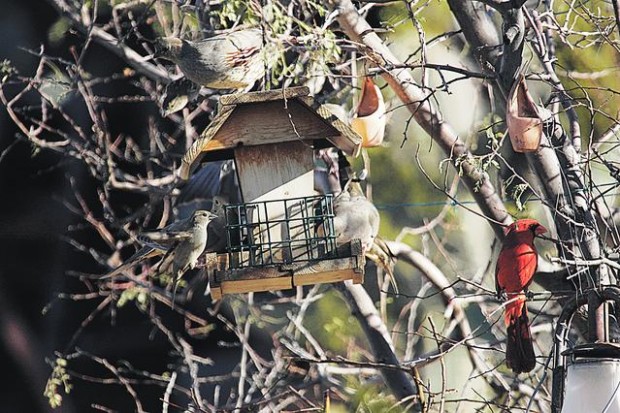
Credit: tucson.com
Arizona’s Bird Feeding Laws
Arizona’s bird feeding laws can be a bit tricky, especially if you love attracting feathered friends to your backyard. Understanding these laws is key to avoiding fines and ensuring you don’t unintentionally harm local wildlife. Let’s break down the state regulations and local rules that you need to know before filling your bird feeders.
State Regulations
Arizona does not have a statewide ban on feeding birds, but there are important restrictions you should keep in mind. Feeding certain protected species, like migratory birds, is regulated under federal laws such as the Migratory Bird Treaty Act. This means you cannot feed these birds in ways that might harm them or disrupt their natural behaviors.
Additionally, feeding wildlife near state parks and natural reserves is often prohibited. This is to prevent animals from becoming dependent on humans and to avoid conflicts between wildlife and visitors. If you love birdwatching, focus on planting native plants that naturally attract birds instead of relying solely on feeders.
Local Ordinances
Local city and county governments in Arizona may have their own rules about feeding birds. For example, some neighborhoods restrict feeding pigeons or doves due to concerns about droppings and property damage. Always check with your local city hall or municipal website to see if there are specific ordinances where you live.
Some communities encourage feeding birds but require specific feeder types or food to minimize mess and pests. Others might ban feeding in common areas like parks or community gardens. Have you checked your local rules lately? It’s a good idea to confirm before setting up your bird feeding station.
Reasons Behind Restrictions
Restrictions on feeding birds in Arizona exist for clear reasons. These rules aim to protect wildlife, keep people safe, and preserve the environment. Understanding these reasons helps explain why feeding birds is sometimes limited or banned.
Wildlife Protection
Feeding birds can harm their natural behavior. Birds may depend too much on human food. This weakens their ability to find food themselves. It can also cause overcrowding in certain areas. Overcrowding raises the risk of disease spreading among birds. Protecting wildlife means letting birds stay wild and healthy.
Public Health Concerns
Bird feeding can create health risks for people. Leftover food attracts pests like rats and insects. These pests can carry diseases harmful to humans. Bird droppings also pose health threats. They may contain bacteria or fungi that cause illness. Rules help reduce these public health dangers.
Environmental Impact
Feeding birds changes the local environment. Extra food can lead to pollution and litter. Uneaten food can spoil and harm plants and water. It may also attract unwanted animals that disrupt ecosystems. Restrictions help keep natural habitats balanced and clean.
Common Misconceptions
Many people have wrong ideas about feeding birds in Arizona. These myths can cause confusion and even legal trouble. Understanding the facts helps protect birds and follow state rules. Clearing up these myths is important for safe bird feeding.
Feeding Is Always Illegal
Some believe feeding birds in Arizona is always against the law. This is not true. Laws vary by location and bird species. Certain areas allow feeding under specific rules. Others ban it to protect wildlife or public health. Checking local laws is key before feeding birds.
Birds Need Human Food
Many think birds need human food to survive. Birds have natural diets suited to their needs. Human food can harm their health or attract pests. Feeding birds improper food may cause illness or dependency. It is better to offer safe, natural bird feed if allowed.

Credit: billstermiteco.com
Safe And Legal Feeding Practices
Feeding birds in Arizona can be a joyful activity that connects you with nature. Safe and legal feeding practices protect birds and the environment. Following these rules helps maintain healthy bird populations and prevents harm to wildlife.
Proper feeding keeps birds from becoming dependent on humans. It also reduces the risk of spreading diseases and disturbing natural behaviors. Learning what to feed, where to feed, and how often is essential for responsible bird feeding.
Approved Foods
- Offer seeds like sunflower, millet, and safflower.
- Provide fresh fruits such as apples and berries.
- Use mealworms or suet for protein-rich options.
- Avoid bread, processed foods, and salty snacks.
- Never feed moldy or spoiled food to birds.
Best Feeding Locations
- Choose quiet, shaded spots away from roads.
- Place feeders near natural cover like trees or bushes.
- Keep feeders elevated to protect from predators.
- Clean feeding areas regularly to avoid pests.
- Respect local parks and private properties by seeking permission.
Timing And Frequency
- Feed birds early in the morning and late afternoon.
- Offer food in small amounts to prevent waste.
- Do not feed birds daily year-round to encourage natural foraging.
- Stop feeding during migration seasons to avoid disrupting travel.
- Adjust feeding habits based on weather and bird activity.
Consequences Of Illegal Feeding
Feeding birds in Arizona may seem harmless. Yet, illegal feeding leads to serious consequences. These effects impact both people and wildlife. Understanding these outcomes helps protect the environment and avoid trouble.
Fines And Penalties
Arizona enforces laws against feeding certain birds. Violating these rules can result in fines. Penalties vary depending on the situation. Repeat offenders may face higher fines or other actions. Authorities work to ensure compliance and protect native species.
Impact On Bird Behavior
Illegal feeding changes how birds act. Birds may become dependent on human food. This dependence reduces their ability to find natural food. It can also cause overcrowding in some areas. Overcrowding increases disease risk and aggressive behavior among birds.

Credit: billstermiteco.com
Alternatives To Feeding Birds
Feeding birds might seem like a simple way to help wildlife, but in Arizona, it can sometimes lead to legal and environmental issues. Luckily, there are many other ways you can support local bird populations without risking fines or disrupting natural behaviors. These alternatives not only keep birds safe but also enrich your outdoor space in meaningful ways.
Creating Bird-friendly Habitats
Instead of offering food, focus on making your yard a welcoming home for birds. Plant native trees and shrubs that provide natural shelter and food sources like berries and seeds. Adding a small water feature like a birdbath can also attract birds while giving them a place to drink and bathe safely.
Think about the types of birds common in your area and what they need to thrive. Have you considered leaving some leaf litter or brush piles? These spots offer insects and nesting materials, which are essential for many species.
Supporting Conservation Efforts
Your impact can go beyond your backyard by supporting local bird conservation projects. Donations to organizations working on habitat restoration or endangered species protection help preserve the natural balance. Volunteering for bird counts or habitat clean-ups also provides hands-on support that makes a difference.
Wondering how you can track the birds you help without feeding them? Try using apps or joining citizen science programs that encourage observation and data collection. This way, you contribute valuable information while respecting wildlife regulations.
Frequently Asked Questions
Is Feeding Birds In Arizona Illegal?
Feeding birds in Arizona is not outright illegal statewide. However, specific local laws or protected areas may restrict feeding to protect wildlife and public health.
Why Do Some Arizona Cities Ban Feeding Birds?
Some Arizona cities ban feeding birds to prevent overpopulation, disease spread, and nuisance behavior. These measures protect both birds and residents.
Are There Penalties For Illegal Bird Feeding In Arizona?
Yes, penalties vary by city and can include fines. Violating local wildlife feeding rules may result in warnings or monetary penalties.
How Does Feeding Birds Affect Arizona’s Wildlife?
Feeding birds can disrupt natural food habits, cause dependency, and increase disease risks. It may also attract pests and invasive species.
Conclusion
Feeding birds in Arizona can be tricky. Local rules differ by area. Always check local guidelines first. Respect wildlife and community spaces. Feeding can impact bird health and environment. Consider bird-friendly gardens as a safe option. They provide natural food sources.
Avoid feeding in restricted zones. It keeps birds safe and healthy. Being informed helps protect wildlife. Your actions can make a difference. Stay mindful of Arizona’s unique ecosystem. Enjoy watching birds responsibly. This ensures a balanced environment for all. Keep learning about local wildlife laws.
Your awareness helps Arizona’s birds thrive.