

Have you ever wondered if feeding rice to birds is actually safe? It might seem like a simple, kind gesture.
But what if this common practice is causing more harm than good? Your good intentions could be putting these delicate creatures at risk without you even knowing it. Keep reading to discover the surprising truth about rice and birds—and learn how you can truly help them thrive.
Common Beliefs About Feeding Birds Rice
Many people believe that feeding rice to birds can be harmful, sparking debates among bird lovers and casual feeders alike. These beliefs often stem from stories passed down or shared online, but do they hold any truth? Understanding where these ideas come from can help you make informed choices about what you offer your feathered friends.
Origins Of The Rice Feeding Myth
The idea that rice is dangerous for birds likely started from a simple misunderstanding. Some claim that birds’ stomachs can’t handle uncooked rice, leading to swelling and harm. However, birds naturally eat grains and seeds similar to rice in the wild, which suggests the risk may be overstated.
Another origin comes from the tradition of throwing rice at weddings. People believed uncooked rice could harm birds if ingested, which created a cautionary tale. This belief has been repeated so often that it became accepted as fact without much evidence.
How The Myth Spread
Social media and online forums have played a big role in spreading the myth about rice and birds. A quick search will show countless posts warning against feeding rice, often without scientific backing. These warnings spread because they appeal to our desire to protect wildlife, even if the facts are shaky.
Stories about birds suffering from rice consumption often lack details or reliable sources, yet they go viral easily. People share them out of concern, which unintentionally fuels misinformation. Have you ever stopped to question where such advice comes from before sharing it?

Credit: uk.news.yahoo.com
Effects Of Rice On Bird Health
Rice is a common food many people offer birds. Its effects on bird health vary based on how it is prepared. Understanding these effects helps protect bird well-being. Both raw and cooked rice impact birds differently. Knowing these differences can guide safe feeding practices.
Raw Rice And Digestion
Raw rice can be hard for birds to digest. It expands in the bird’s stomach when wet. Some worry this causes blockages or discomfort. Yet, many birds naturally eat raw grains without problems. Their digestive systems handle raw rice well. Small amounts of raw rice rarely harm birds. Large quantities might cause mild digestive upset. Wild birds often eat seeds and grains similar to rice.
Cooked Rice And Bird Nutrition
Cooked rice is softer and easier to eat for birds. It provides a quick source of carbohydrates and energy. Cooked rice lacks some nutrients birds need for a balanced diet. Feeding only cooked rice can cause nutritional gaps. Mixing rice with seeds, fruits, or insects improves bird nutrition. Avoid adding salt, spices, or sauces to rice. Plain, cooked rice can be a safe treat in moderation.
Scientific Studies On Birds And Rice
Scientific studies have examined the effects of feeding rice to birds. These studies aim to understand if rice poses any health risks to various bird species. Researchers focus on both cooked and uncooked rice to assess its impact. The findings provide insight into bird safety and dietary habits.
Research Findings
Studies show that uncooked rice does not expand enough in a bird’s stomach to cause harm. Birds have strong digestive systems that can handle grains like rice. Experiments found no evidence of rice causing internal injuries or blockages.
Cooked rice is easy for birds to digest and often used in feeding. Research indicates that feeding small amounts of cooked rice is safe for most birds. Some studies highlight that rice can be a good source of energy for wild birds.
Scientists also observed that birds naturally consume grains similar to rice in their diets. This suggests rice is not foreign or dangerous to their digestive systems. However, feeding birds an unbalanced diet with only rice is not recommended.
Expert Opinions
Ornithologists agree that rice itself is not harmful to birds. Many experts clarify that the myth about rice causing bird deaths is false. This myth likely arose from misunderstandings about rice expanding in water.
Wildlife specialists advise offering a variety of foods to birds. They recommend seeds, fruits, and insects alongside rice for balanced nutrition. Experts stress the importance of clean and fresh food to avoid illness.
Some bird care professionals suggest moderation when feeding rice. Excessive feeding may lead to nutritional gaps or dependency. Experts encourage observing birds’ natural feeding behaviors for best practices.

Credit: www.thesun.co.uk
Safe Practices For Feeding Birds
Feeding birds can be a joyful way to connect with nature, but it requires careful attention to what and how you feed them. Safe feeding practices help protect their health and encourage natural behaviors. Let’s look at some practical tips to feed birds safely and responsibly.
Recommended Bird Foods
Choosing the right food is key to supporting your local birds. Seeds like black oil sunflower are rich in nutrients and loved by many species. Suet cakes provide essential fats, especially in colder months.
Fresh fruits such as apples and berries can be offered in moderation. Avoid processed or salted foods, as they can harm birds. Offering a variety ensures different species visit and thrive in your garden.
Avoiding Harmful Feeding Habits
Feeding birds too much rice, especially uncooked, can cause digestive issues. Some believe rice harms birds, but the real risk comes from overfeeding or offering inappropriate foods. Always clean feeders regularly to prevent mold and bacteria growth.
Don’t feed birds bread or junk food; it lacks nutrition and can cause illness. Avoid hand-feeding to keep birds wild and reduce their dependence on humans. Have you noticed how birds behave differently around feeders that are dirty or offer poor food? Their health and habits reflect what you provide.
Alternatives To Rice For Bird Feeding
Feeding birds can be a joyful experience, but choosing the right food is essential for their health. Rice, especially uncooked, can pose risks to birds. Luckily, there are plenty of safe and nutritious alternatives you can offer that will attract a variety of feathered friends to your yard.
Seeds And Grains
Birds love seeds and grains, and they provide excellent nutrition. Sunflower seeds are a top choice and attract many species like finches and cardinals. You can also try millet, cracked corn, and safflower seeds to diversify your bird feeder.
These options are easy to find at garden centers or pet stores. They are less likely to cause digestive problems compared to rice. Have you noticed which seeds your local birds prefer? Trying different seeds can keep your feeders busy and birds healthy.
Fruits And Nuts
Fruits and nuts are another great way to feed birds safely. Many birds enjoy berries, apple slices, and grapes. These provide natural sugars and vitamins that support their energy and immune system.
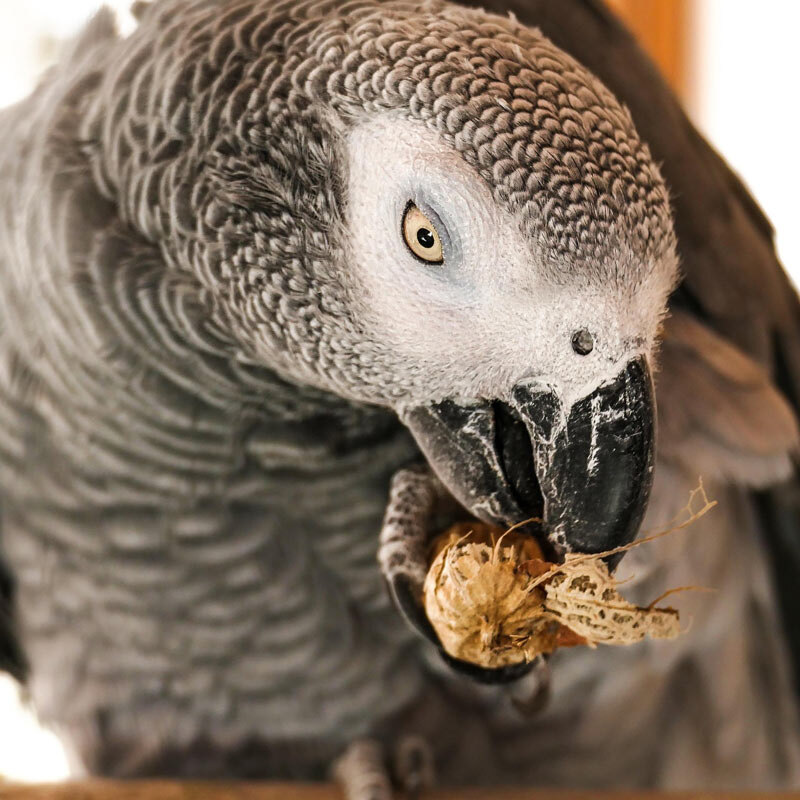
Nuts like peanuts (unsalted and shelled) are also popular with woodpeckers and jays. Offering a mix of fruits and nuts can attract a wider variety of birds to your garden. What fruits have you seen birds enjoy the most? Experimenting with different options can reveal surprising favorites.
Credit: lafeber.com
Frequently Asked Questions
Is It Safe To Feed Rice To Wild Birds?
Feeding rice to wild birds is generally safe. Birds can digest uncooked rice without harm. However, cooked rice is preferable as it provides moisture and nutrients. Avoid feeding excessive rice, as it lacks essential proteins and fats that birds need for a balanced diet.
Does Rice Harm Birds’ Health Or Digestion?
Rice does not harm birds’ health or digestion. Birds have strong digestive systems that can process rice grains effectively. Uncooked rice does not expand dangerously in birds’ stomachs. Moderation is key to prevent nutritional imbalance and support birds’ overall well-being.
Can Feeding Rice Cause Birds To Choke?
Feeding rice rarely causes birds to choke. Birds naturally handle small grains like rice safely. Providing rice in small amounts reduces any choking risk. Always offer rice as part of a varied diet to ensure birds’ safety and health.
Should I Feed Cooked Or Uncooked Rice To Birds?
Both cooked and uncooked rice are safe for birds. Cooked rice is easier to eat and provides moisture. Uncooked rice offers crunch and longer shelf life. Avoid adding salt or seasoning when feeding rice to birds for their safety.
Conclusion
Feeding rice to birds might seem harmless at first. Birds can eat some types of rice safely. But uncooked rice can cause problems for many birds. It can swell in their stomach and hurt them. Cooked rice is better but still not ideal.
Birds need a balanced diet for good health. Offering natural bird food is always safer. Protect birds by choosing the right food. Small changes in feeding help keep birds happy. Caring for wildlife starts with smart choices.