
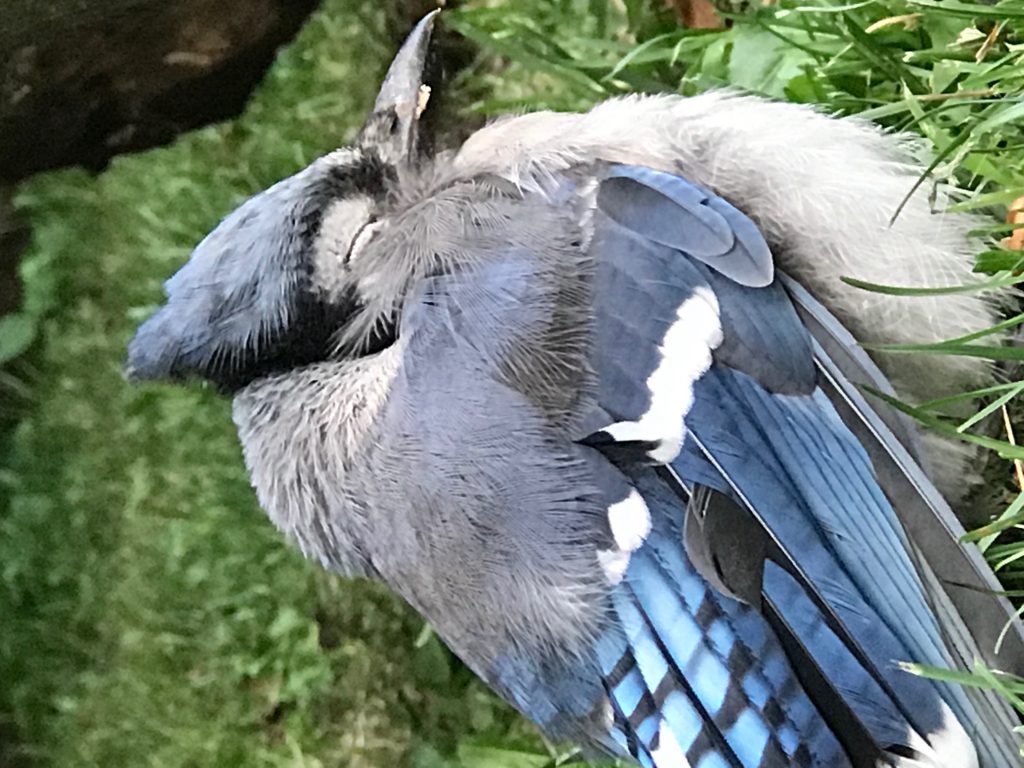
Are you someone who loves watching birds flutter around your yard? Feeding birds can be a simple joy that brightens your day.
But before you sprinkle those seeds, have you ever wondered if it’s actually legal to feed birds in New Hampshire? You might be surprised to learn that what seems like a harmless act could have rules you need to follow.
Keep reading to find out exactly what the law says and how you can enjoy your feathered friends without any trouble.
Bird Feeding Laws In New Hampshire
Feeding birds can be a rewarding way to connect with nature, but in New Hampshire, there are specific rules you need to know before scattering seeds in your backyard. Understanding the bird feeding laws helps you protect local wildlife and avoid unintended consequences. Let’s break down what the state and local regulations say about feeding birds in New Hampshire.
State Regulations On Wildlife Feeding
New Hampshire’s state laws focus on protecting native wildlife from harm caused by improper feeding. Feeding wild birds is generally allowed, but there are restrictions when it comes to feeding certain species, especially game birds like turkeys and grouse. These laws aim to prevent dependency on humans and reduce disease spread among bird populations.
The state also regulates feeding near certain protected areas or during hunting seasons to avoid attracting animals that could interfere with wildlife management efforts. Violating these rules can lead to fines or other penalties. Have you ever wondered if your bird feeder could be attracting more than just the birds?
Local Ordinances And Variations
Local towns and cities in New Hampshire may have their own rules about feeding birds. These laws can vary widely—from completely allowing backyard bird feeding to restricting it in parks or public spaces. It’s important to check with your town’s government website or local wildlife office before setting up a feeder.
Some communities ban feeding to prevent nuisances like rodent infestations or aggressive wildlife behavior. Others require you to keep feeders clean and remove them during certain times of the year. Knowing these nuances helps you feed birds responsibly without causing problems for neighbors or local ecosystems.

Credit: extension.unh.edu
Reasons Behind Feeding Restrictions
Feeding birds might seem like a kind act. Yet, some rules limit this activity in New Hampshire. These restrictions exist for good reasons. They protect birds, people, and the environment. Understanding these reasons helps explain why feeding is controlled.
Impact On Bird Behavior
Feeding birds can change their natural habits. Birds may become dependent on human food. This dependence can reduce their ability to find food alone. It also causes large groups to gather unnaturally. Crowding raises the risk of fights and stress among birds.
Health And Safety Concerns
Feeding birds can spread diseases. When many birds eat in one place, germs spread quickly. Some foods are unhealthy or harmful to birds. Feeding near homes may attract pests like rats. These pests can carry diseases harmful to people too.
Environmental Effects
Uneaten bird food can pollute the environment. It may lead to algae growth in water bodies. Excess food attracts unwanted animals, disturbing local ecosystems. Feeding birds near roads increases the risk of accidents. Protecting the environment is a key reason for feeding rules.
Common Myths About Feeding Birds
Many people believe certain things about feeding birds that are not true. These myths can confuse us about what is best for the birds and the environment. Clearing up these ideas helps us feed birds safely and legally in New Hampshire.
Feeding Helps Birds Survive Winter
People often think birds need feeding to survive cold winters. Birds are strong and can find food on their own. They eat seeds, insects, and berries all winter. Feeding birds can help, but it is not always necessary for their survival. Birds use natural food sources first.
Feeding can be helpful when natural food is very scarce. It also supports migrating birds during tough times. But feeding should not replace natural habitats and food sources. Birds depend on nature more than on human help.
Bird Feeding Does Not Cause Problems
Some believe feeding birds causes no harm. This is not true. Feeding can cause problems if done wrong. Dirty feeders can spread diseases among birds. Feeding in one place may attract too many birds, causing fights and stress.
Feeding birds can also attract unwanted animals like rats. Feeding too much food can make birds lazy and dependent. It is important to keep feeders clean and feed in small amounts. Feeding should support birds, not harm them or the environment.
Legal Consequences Of Feeding Birds
Feeding birds in New Hampshire can lead to legal issues. The state has rules to protect wildlife and public health. Understanding the legal consequences helps avoid trouble and fines. Many laws focus on preventing harm to birds and the environment.
Fines And Penalties
Violating bird feeding laws in New Hampshire can result in fines. Penalties vary based on the severity of the offense. Some cases may lead to warnings, but repeated violations cause higher fines. The state aims to discourage harmful feeding practices.
- Monetary fines for illegal feeding activities
- Possible confiscation of feeding equipment
- Increased penalties for repeat offenders
Enforcement Practices
Local authorities and wildlife officers monitor feeding activities. They respond to complaints and conduct inspections. Enforcement includes educating the public about legal feeding methods. Officers may issue citations or warnings depending on the case.
- Routine patrols in sensitive wildlife areas
- Community reports trigger investigations
- Collaboration with environmental agencies
Safe Alternatives To Feeding Wild Birds
Feeding wild birds may seem harmless, but it can cause problems for them. Safe alternatives help support birds without harming their health or the environment. These options encourage birds to visit naturally and thrive in their habitats.
Creating Bird-friendly Habitats
Plant native trees, shrubs, and flowers to provide food and shelter. Offer places for birds to nest and hide from predators. Leave natural leaf litter and dead wood for insects, a key bird food source. Provide clean water with a shallow birdbath or small pond. Avoid chemicals that harm birds and insects.
Using Approved Feeders And Foods
Choose feeders designed to keep food dry and prevent mold. Use foods like black oil sunflower seeds, nyjer, and suet, which many birds enjoy. Avoid bread, processed foods, and salty snacks that harm birds. Clean feeders regularly to stop disease spread. Place feeders in safe spots away from predators.

Credit: www.yahoo.com
How To Report Illegal Feeding Activities
Spotting illegal bird feeding in New Hampshire can be frustrating, especially if it harms local wildlife or disrupts the environment. Knowing how to report these activities helps protect the birds and keeps your community safe. Here’s how you can take action effectively when you see illegal feeding.
Where To Report Illegal Bird Feeding In New Hampshire
You can report illegal feeding to local authorities who handle wildlife and environmental issues. The New Hampshire Fish and Game Department is a key resource for these concerns. You can contact them via phone, email, or through their official website.
Local town or city offices may also accept reports, especially if the feeding happens in public parks or protected areas. Check your municipality’s website for specific instructions or contact details. Don’t hesitate to reach out directly—your report matters.
What Information To Include In Your Report
Make your report clear and detailed to help authorities respond quickly. Include the exact location where the feeding is happening. Note the time and date of your observation.
Describe what you saw: the type of birds, the kind of food being used, and how often the feeding occurs. If possible, provide photos or videos as evidence. These details make your report stronger and easier to act on.
How To Stay Involved After Reporting
After you file a report, follow up if you don’t see any changes. Ask the agency about the status of your complaint. Staying engaged shows your commitment and may speed up the process.
You can also spread awareness in your neighborhood or online community. Educating others about why illegal feeding is harmful encourages more people to protect local wildlife. Have you thought about how your voice can influence your community’s habits?

Credit: www.reuters.com
Frequently Asked Questions
Is Feeding Birds Illegal In New Hampshire?
Feeding birds in New Hampshire is generally legal. However, local regulations or protected areas may restrict it. Always check municipal rules before feeding birds.
Why Do Some Places Ban Feeding Birds?
Feeding birds can cause overcrowding, spread diseases, and disrupt natural behaviors. Some areas ban it to protect wildlife and maintain cleanliness.
What Are The Risks Of Feeding Birds In Nh?
Feeding birds can attract pests and cause dependency on humans. It may also lead to habitat damage and health issues for birds.
Are There Safe Ways To Feed Birds In New Hampshire?
Yes, use appropriate bird food and feed in moderation. Avoid feeding near roads or protected wildlife areas to minimize risks.
Conclusion
Exploring bird feeding laws in New Hampshire reveals key insights. No blanket ban exists, but local rules vary. It’s crucial to check town ordinances before feeding birds. Some places might restrict feeding due to wildlife management. Awareness of these rules helps avoid fines.
Feeding birds can be enjoyable and beneficial, yet must be done responsibly. Consider the impact on wildlife and ecosystems. Use bird feeders wisely to support local birds. Enjoy nature while respecting laws. Stay informed and make smart choices. Happy birdwatching!