
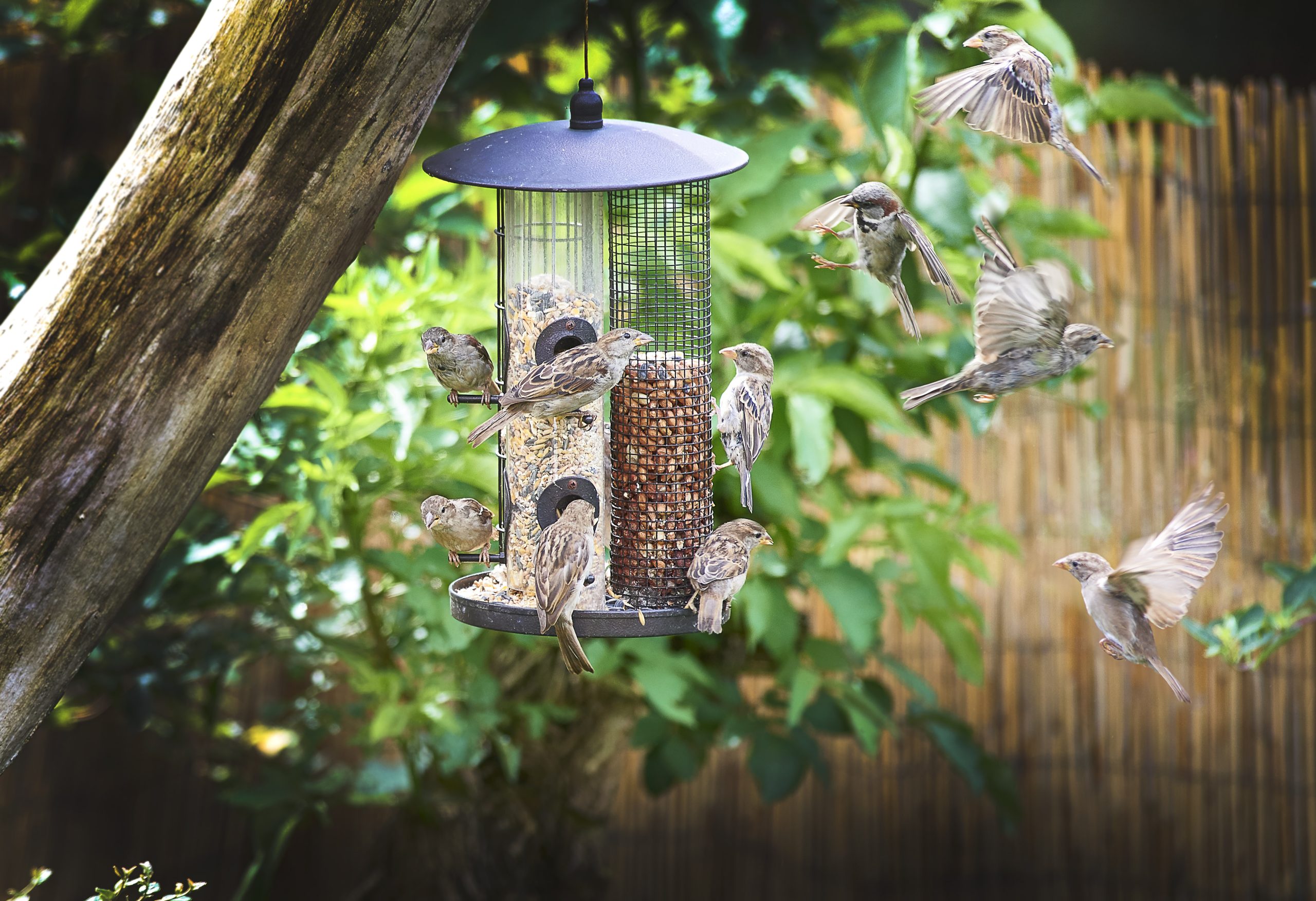
Are you wondering why birds are ignoring your bird feeder? You’ve set it up carefully, filled it with seeds, and waited patiently—but the birds just won’t come.
It can be frustrating and confusing. The good news is, you’re not alone, and there are simple reasons behind this. Understanding what might be turning birds away can help you turn your feeder into a lively hotspot. Keep reading to discover the common mistakes and easy fixes that will bring your feathered friends back in no time.
Common Reasons Birds Avoid Feeders
Birds might avoid your feeder for several reasons that are often easy to fix once identified. Understanding these common issues can help you attract more feathered friends to your yard. Let’s look at some practical reasons why birds might be steering clear of your feeder.
Location Issues
Where you place your bird feeder matters a lot. If it’s too close to busy areas like roads or noisy patios, birds may feel unsafe. Also, feeders too far from natural cover like trees or shrubs can make birds nervous.
Try moving your feeder to a quieter spot with some nearby shelter. Have you noticed birds prefer feeders near bushes where they can quickly hide?
Feeder Design Problems
Not all feeders are bird-friendly. Some designs are hard for birds to perch on or access the food easily. If your feeder is too small or has sharp edges, birds may avoid it.
Look for feeders with comfortable perches and easy-to-reach feeding ports. Have you checked if your feeder suits the types of birds you want to attract?
Food Choices
The wrong food can turn birds away. Some birds prefer sunflower seeds, while others like nyjer or millet. Feeding stale or moldy seed is a sure way to lose visitors.
Offer fresh, high-quality seed that matches local bird preferences. Are you sure the food you provide matches the tastes of your neighborhood birds?
Predator Concerns
Birds stay away if they sense danger. Cats, hawks, or even squirrels lurking nearby can scare birds off. Feeders placed in open areas without escape routes make birds feel exposed.
Place feeders where birds can easily spot predators and have quick access to cover. Have you observed if predators frequent your feeder area?
Environmental Factors
Weather and seasonal changes affect bird feeding habits. Heavy rain, extreme heat, or strong winds can discourage birds from visiting. Also, natural food sources nearby might reduce feeder visits.
Consider sheltering your feeder from harsh weather and adjusting feeding times. Are you adapting your feeder setup based on changing environmental conditions?
Credit: dengarden.com
Choosing The Right Feeder
Choosing the right bird feeder plays a big role in attracting birds to your yard. Different birds prefer different feeder types. The feeder’s material and size also affect how often birds visit. A well-chosen feeder keeps birds safe and comfortable while feeding.
Types Of Feeders
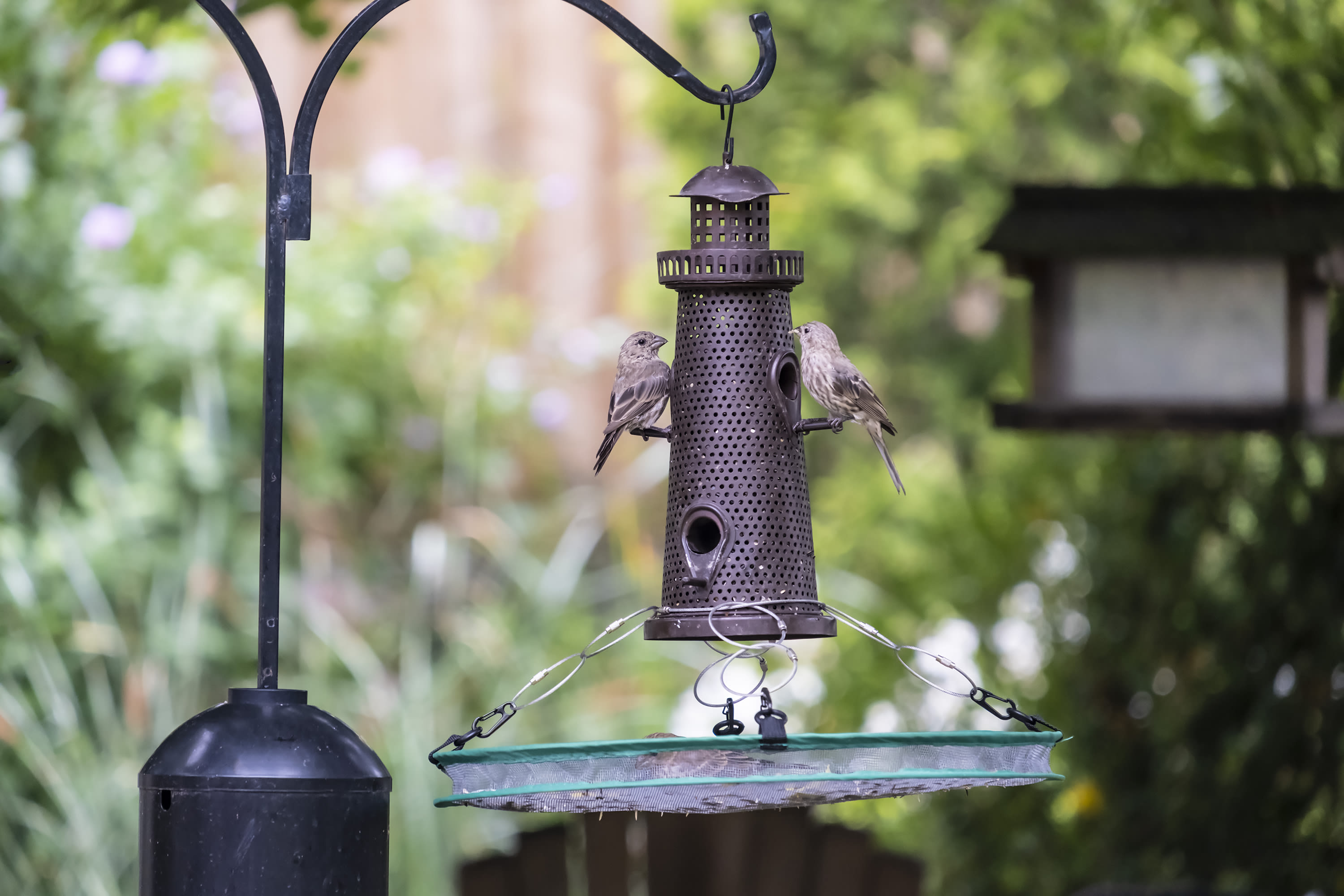
Feeders come in many shapes and styles. Tube feeders hold seeds and attract small birds like finches. Hopper feeders offer a larger seed supply and suit many bird types. Platform feeders are open and attract bigger birds. Suet feeders are best for woodpeckers and insect-eaters. Pick a feeder type that matches the birds you want to attract.
Material And Durability
Feeders made from metal last long and resist squirrels. Plastic feeders are lightweight but can crack or fade. Wood feeders blend well with nature but need regular care. Choose a feeder material that withstands your local weather. Durable feeders keep food safe and birds happy.
Size And Capacity
Small feeders need frequent refilling but keep food fresh. Large feeders hold more food and attract more birds at once. Consider how many birds visit your yard. Bigger feeders suit groups of birds, while smaller ones are good for a few visitors. Match feeder size to your needs for best results.
Selecting Bird-friendly Food
Selecting the right food is essential to attract birds to your feeder. Birds have distinct tastes and dietary needs. Providing the appropriate food increases the chances of visits. The food must be fresh and suitable for local bird species. Understanding what birds prefer helps you fill your feeder effectively.
Popular Seeds And Mixes
Sunflower seeds are a favorite for many bird species. Black oil sunflower seeds attract finches, chickadees, and cardinals. Nyjer seeds appeal to small birds like finches and siskins. Mixed seed blends offer variety but check the ingredients carefully. Avoid mixes with too much filler like millet or cracked corn. These are less popular and may waste food.
Seasonal Food Preferences
Bird tastes change with seasons. In winter, high-fat foods help birds stay warm. Suet, peanuts, and sunflower seeds provide needed energy. Spring and summer bring insects and fruits into their diet. Offering berries or mealworms attracts different birds during these times. Adjusting food types keeps your feeder interesting all year.
Avoiding Moldy Or Old Seeds
Moldy seeds can harm birds and drive them away. Always check seeds before filling the feeder. Store seeds in a dry, cool place to keep them fresh. Discard any seeds that look discolored or smell bad. Clean your feeder regularly to prevent mold growth. Fresh food encourages birds to visit and feed safely.
Optimizing Feeder Placement
Optimizing the placement of your bird feeder can greatly increase bird visits. Birds need the right environment to feel safe and comfortable while feeding. Proper feeder placement supports their natural habits and helps attract more birds to your yard.
Ideal Height And Position
Place the feeder at a height between 4 to 6 feet off the ground. This height is easy for birds to reach and watch for predators. Avoid placing feeders too close to windows to prevent bird collisions. Position feeders near natural perches like trees or shrubs. These spots allow birds to rest and observe before feeding.
Safe Distance From Predators
Keep feeders away from areas where cats or other predators can hide. A clear zone of at least 10 feet around the feeder helps birds feel safe. Avoid placing feeders near dense bushes where predators can lurk unseen. Open spaces make it easier for birds to spot danger and escape quickly.
Visibility And Shelter
Birds prefer feeders that are easy to spot but also offer some shelter. Place feeders near shrubs or small trees to provide cover from wind and rain. The nearby shelter helps birds hide from hawks and other threats. Make sure the feeder is visible from different angles so birds can find it easily.
Attracting Birds With Environment
Creating a welcoming environment is key to attracting birds to your feeder. Birds need more than just food. They look for water, shelter, and safe places to rest. A well-rounded habitat encourages birds to visit and stay longer.
Adding Water Sources
Birds need water for drinking and bathing. A small birdbath or shallow dish can attract many species. Keep the water clean and fresh. Moving water, like a dripper or fountain, is especially inviting. Place water near the feeder but not too close to avoid predators.
Planting Native Vegetation
Native plants provide natural food and shelter. They offer seeds, berries, and insects that birds love. Choose a variety of plants that bloom in different seasons. This ensures food is available all year. Plants also offer hiding spots, making birds feel safe.
Creating Shelter And Nesting Spots
Birds need places to rest and hide from weather or predators. Dense shrubs, trees, and brush piles work well. Nesting boxes can attract cavity-nesting birds. Place shelters near feeders but in quiet areas. Safe spots increase the chances of regular visits.

Credit: www.reddit.com
Maintenance Tips For Feeders
Keeping your bird feeder inviting requires more than just filling it with seed. Maintenance plays a key role in attracting birds consistently. Neglecting simple upkeep can turn your feeder from a bird magnet into an empty perch.
Regular Cleaning Routine
Bird feeders can quickly accumulate dirt, old seed husks, and droppings. These build-ups can discourage birds from visiting. Clean your feeder at least once every two weeks using warm water and mild soap. Rinse thoroughly to remove any soap residue, which can be harmful to birds.
Have you noticed fewer birds after a rainstorm? Wet conditions speed up the growth of grime, so increase cleaning frequency during humid or rainy weather. A clean feeder not only looks better but feels safer to birds.
Preventing Mold And Bacteria
Mold and bacteria grow fast in damp or leftover seed. This can make birds sick and keep them away from your feeder. Make sure your feeder dries completely after cleaning before adding new seed.
Consider placing your feeder where it gets morning sun; this helps dry out moisture quickly. If you spot mold on seeds or feeder parts, throw away the contaminated seed immediately. Have you checked your feeder for damp seeds lately?
Monitoring Food Freshness
Birds prefer fresh, crisp seeds over stale or clumped ones. Old seed loses its nutritional value and taste, so birds avoid it. Change the seed every few days, especially in warm weather when spoilage happens faster.
Use smaller quantities of seed more often rather than filling the feeder to the brim. This keeps the seed fresh and reduces waste. Have you ever seen birds ignore your feeder but happily eat from a freshly refilled one?
Dealing With Pests And Competitors
Bird feeders often attract unwanted visitors besides birds. Pests and competitive species can scare birds away from your feeder. Managing these challenges helps create a peaceful feeding spot.
Deterring Squirrels And Rodents
Squirrels and rodents quickly empty feeders meant for birds. They can be noisy and aggressive, driving birds off. Use feeders with weight-sensitive perches that close under heavy weight. Place feeders away from tree branches or fences that give easy access. Clean spilled seeds regularly to avoid attracting pests.
Managing Aggressive Bird Species
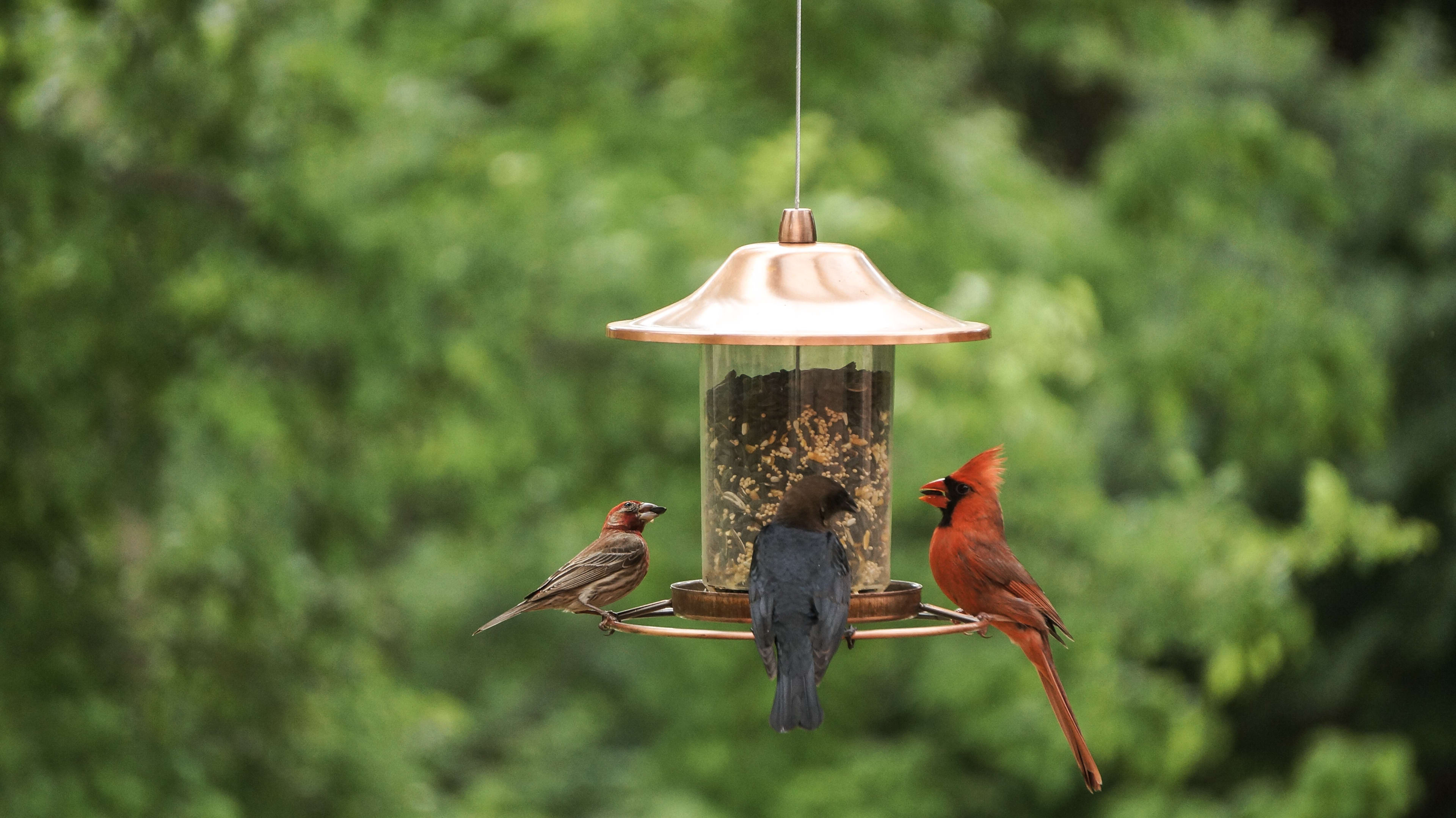
Some bird species dominate feeders and chase smaller birds. Starlings and grackles are common aggressive visitors. Offer multiple feeders spaced apart to reduce conflicts. Provide different types of food in separate feeders. This helps smaller birds find a safe place to feed without competition.
Using Baffles And Guards
Baffles and guards block pests from reaching feeders. Install dome-shaped baffles above feeders to stop squirrels climbing down poles. Use tube guards to prevent rodents from climbing up. Choose metal guards over plastic for better durability. Proper placement of these barriers increases feeder success.
Credit: dengarden.com
Frequently Asked Questions
Why Are Birds Avoiding My Bird Feeder?
Birds may avoid feeders due to location, food type, or predator presence. Ensure the feeder is visible, clean, and filled with fresh, preferred seeds.
How To Attract Birds To My Feeder Quickly?
Use high-quality seeds like sunflower or nyjer. Place feeders near shrubs for shelter and avoid sudden changes that scare birds away.
Can Feeder Placement Affect Bird Visits?
Yes, feeders too close to windows or predators deter birds. Position feeders in safe, quiet areas with natural cover nearby.
Does Feeder Cleanliness Impact Bird Usage?
Absolutely. Dirty feeders harbor mold and bacteria, repelling birds. Clean feeders regularly with mild soap and water to maintain bird health.
Conclusion
Birds can be picky about their feeders. Sometimes, it takes patience and observation. Make sure your feeder is clean and filled with fresh seeds. Try different seed types to attract various birds. Consider the feeder’s location; it should be safe and quiet.
Keep a water source nearby, like a birdbath. Reflect on surrounding environment, ensuring it’s bird-friendly. Be consistent in filling the feeder, as birds need time to trust it. With small adjustments, you might soon see more feathered visitors. Enjoy the process and happy bird watching!