
Have you ever wondered if it’s safe to feed your bird packaged flower seeds? You want the best for your feathered friend, but not all seeds are created equal.
Some might seem harmless but could actually harm your bird’s health. You’ll discover what to watch out for and how to make sure your bird’s diet stays safe and nutritious. Keep reading to protect your bird and give it the care it truly deserves.
Credit: www.homehardware.ca
Types Of Packaged Flower Seeds
Understanding the types of packaged flower seeds used in bird feed is key to deciding if they are safe for your feathered friends. These seeds vary widely, each bringing different nutrients and potential risks. Knowing what you’re offering can make a big difference in your bird’s health and happiness.
Common Seeds In Bird Feed
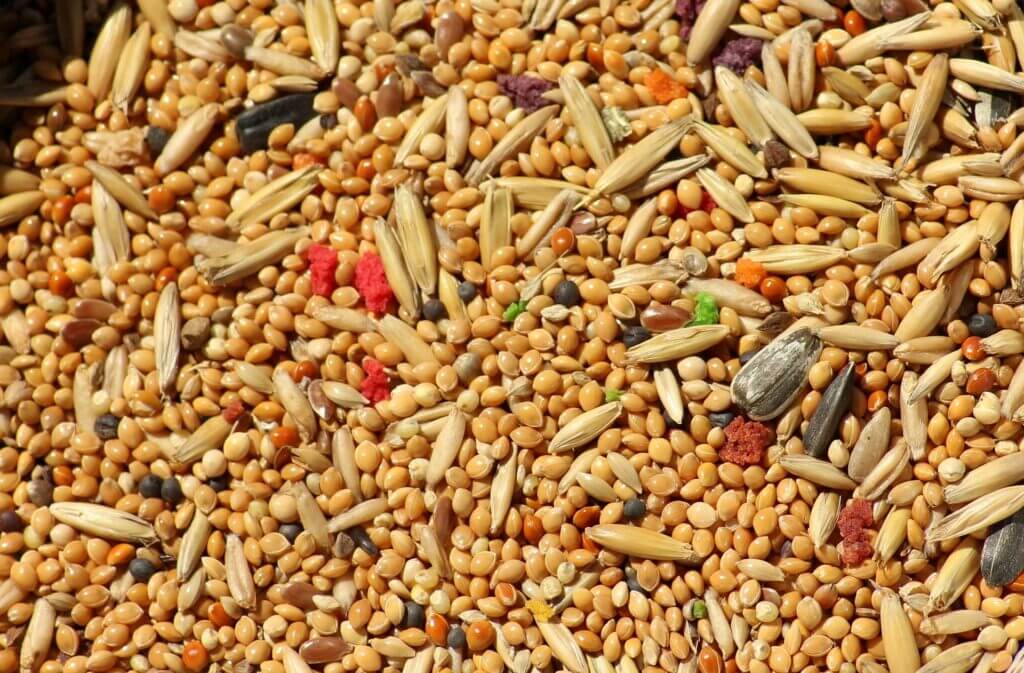
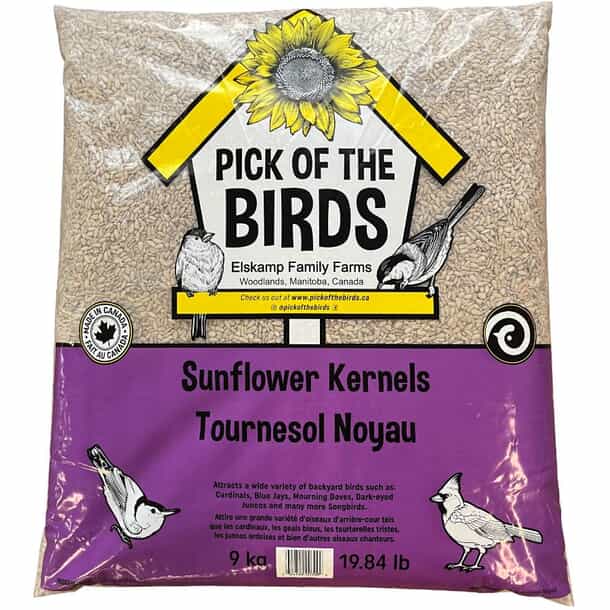
Packaged flower seeds for birds often include a mix of popular varieties like sunflower, safflower, and nyjer seeds. Sunflower seeds are a favorite among many birds because of their high oil content and energy boost. Safflower seeds tend to attract cardinals and finches, while nyjer seeds are loved by small birds like goldfinches and canaries.
Some mixes may also contain millet or thistle, which add variety and appeal to different species. However, not all flower seeds are equally safe—some might be treated with chemicals or be less digestible. Have you ever noticed your birds avoiding certain seeds? That could be a clue about their preferences or safety concerns.
Seed Quality And Sourcing
The safety of packaged flower seeds depends heavily on their quality and where they come from. Seeds sourced from reputable suppliers usually go through cleaning and testing to remove harmful substances. Always check for certifications or quality seals on the packaging before you buy.
Low-quality seeds might contain molds, pesticides, or fillers that can harm your birds. Purchasing seeds labeled as organic or untreated can reduce these risks. Think about how much you trust the brand—would you feed your birds something you wouldn’t eat yourself?
Credit: localgardener.net
Nutritional Value For Birds
Birds need a balanced diet to stay healthy and active. Packaged flower seeds can be a part of their meals. Understanding the nutritional value of these seeds helps in choosing the right food for birds.
Benefits Of Flower Seeds
Flower seeds offer important nutrients for birds. They contain healthy fats that provide energy. Some seeds have proteins to support muscle growth. Birds enjoy the taste, which encourages them to eat. Seeds also contain fiber for good digestion.
- Rich in healthy fats
- Source of protein
- Good for digestion due to fiber
- Natural and tasty food option
Potential Nutritional Gaps
Flower seeds alone may not meet all bird nutritional needs. They often lack essential vitamins and minerals. Birds require a variety of foods to stay balanced. Too many seeds can cause health issues like obesity. A mix of fruits, vegetables, and seeds is best.
- May lack vitamins A and D
- Low in calcium and other minerals
- Risk of unbalanced diet if fed alone
- Needs variety for full nutrition
Potential Risks Of Packaged Seeds
Feeding birds packaged flower seeds might seem convenient and harmless, but there are important risks to consider before offering them to your feathered friends. Packaged seeds often undergo processes that can introduce harmful substances or contaminants, which could affect your bird’s health.
Chemical Treatments And Pesticides
Many packaged seeds are treated with chemicals to prevent mold and pests during storage and transport. These chemicals might be safe for humans in tiny amounts, but birds have a much different sensitivity to toxins.
Even trace amounts of pesticides can cause digestive issues, respiratory distress, or long-term health problems in birds. You might not notice immediate symptoms, but the build-up of harmful substances can silently harm your pet over time.
Ask yourself: Do you know exactly what treatments your seed packet has gone through? If not, it’s safer to avoid feeding these seeds directly to your bird.
Mold And Contamination Issues
Seeds stored improperly can develop mold or become contaminated with bacteria and fungi. Birds exposed to moldy seeds risk severe respiratory infections and digestive upset.
Sometimes the mold isn’t visible to the naked eye, making it tricky to spot before feeding. Even well-packaged seeds can become contaminated if exposed to moisture or heat during shipping or storage.
Always check the seeds for unusual smells, discoloration, or clumping. You might want to consider rinsing and drying seeds thoroughly before offering them to your bird to reduce this risk.

Credit: www.wildlifenomads.com
Safe Feeding Practices
Safe feeding practices are essential to keep your bird healthy and happy. Feeding packaged flower seeds requires care to avoid any harm. Choosing the right seeds and handling them well can prevent health risks. Birds need seeds that are fresh, clean, and free from chemicals. Proper storage and handling also protect seeds from mold and pests.
Proper Seed Selection
Select seeds that are safe and suitable for your bird’s diet. Avoid seeds treated with pesticides or chemicals. Look for organic or bird-safe labels on packages. Choose seeds that match your bird’s species and size. Small birds need smaller seeds, while larger birds can eat bigger seeds. Remove any seeds that look damaged or moldy.
Storage And Handling Tips
Store seeds in a cool, dry place away from sunlight. Use airtight containers to keep seeds fresh longer. Check seeds regularly for signs of mold or insects. Avoid storing seeds near strong-smelling items that birds may find harmful. Always wash your hands before handling seeds to prevent contamination. Clean feeding dishes daily to keep bacteria away.
Alternatives To Packaged Flower Seeds
If you’re worried about feeding your bird packaged flower seeds, you’re not alone. Many bird owners look for safer and more natural alternatives to ensure their feathered friends get the right nutrition without any harmful additives. There are plenty of options that you can easily prepare or find in nature, giving you peace of mind and your bird a healthy treat.
Natural Seed Options
Seeds found in nature are often the best choice. You can pick sunflower seeds, millet, or safflower seeds from garden centers or bird supply stores. These seeds are usually free from chemicals and additives, making them safer for your bird.
Have you ever tried offering your bird fresh seeds from plants you grow yourself? It’s rewarding to see them enjoy something truly natural. Just make sure the seeds are clean and dry before feeding.
Homemade Bird Food Mixes
Creating your own bird food mixes lets you control exactly what your bird eats. Combine different seeds like millet, oats, and cracked corn with small amounts of dried fruits or nuts to add variety and nutrients.
Mixing these ingredients is simple, and you can adjust the recipe based on what your bird likes. Plus, homemade mixes often cost less and avoid preservatives found in packaged seeds. Why not try making a batch today and see how your bird responds?
Signs Of Seed-related Health Issues
Feeding birds packaged flower seeds can sometimes cause health problems. Birds may show different signs if the seeds are not safe or suitable for them. Watching for these signs helps protect your bird’s health. Early detection can prevent serious illness and keep your bird happy and active.
Behavioral Changes
Birds often act differently when they feel unwell. Look for changes like:
- Less singing or chirping than usual
- Less active or sleepy more often
- Avoiding food or water
- Hiding or staying in one spot
- Increased irritability or aggression
These changes may signal discomfort or illness from bad seeds.
Physical Symptoms In Birds
Physical signs show more clearly if seeds cause harm. Watch for:
- Ruffled or dull feathers
- Swelling around the eyes or beak
- Changes in droppings color or consistency
- Weight loss or thin body
- Breathing difficulties or wheezing
Notice these symptoms early and consult a vet if needed.
Frequently Asked Questions
Are Packaged Flower Seeds Safe For Bird Consumption?
Packaged flower seeds are generally safe for birds if untreated and free from pesticides. Always check labels for additives before feeding.
Can Birds Digest Flower Seeds From Garden Packets?
Most birds can digest common flower seeds, but some seeds may be hard or toxic. Research specific seed types for safety.
Do Packaged Flower Seeds Provide Proper Nutrition For Birds?
Flower seeds offer some nutrients but lack a balanced diet. Supplement with grains, fruits, and insects for bird health.
Should I Avoid Treated Or Coated Flower Seeds For Birds?
Yes, avoid treated or coated seeds as they may contain harmful chemicals toxic to birds.
Conclusion
Feeding birds packaged flower seeds can be safe with caution. Check the seed ingredients and avoid any harmful additives. Choose seeds that are fresh and free from mold or chemicals. Remember, not all flower seeds provide good nutrition for birds.
Offer a variety of safe foods for a balanced diet. Watch your birds closely for any signs of discomfort or illness. Always prioritize their health and well-being first. With careful choices, birds can enjoy seeds without risk. Safe feeding helps keep your feathered friends happy and healthy.