

Are you thinking about bringing a pet bird into your home but unsure if buying from bird breeders is the right choice? You want a healthy, happy bird, and you deserve to know if these breeders are trustworthy.
Finding a legit pet bird breeder can make all the difference in your bird’s well-being and your peace of mind. Keep reading, and you’ll discover what to look for, how to spot red flags, and how to make the best decision for you and your future feathered friend.
Identifying Legitimate Bird Breeders
Finding a trustworthy pet bird breeder can feel overwhelming. You want to ensure your new feathered friend comes from a responsible source that prioritizes health and well-being. Knowing how to spot a legitimate breeder protects both you and your future pet from unnecessary stress and costs.
Research And Reputation
Start by digging into the breeder’s background. Check online reviews, social media pages, and bird owner forums to see what others say about their experience. A breeder with consistent positive feedback usually values transparency and customer satisfaction.
Ask yourself: do they respond promptly to questions? Honest breeders welcome curiosity and provide detailed answers about their birds’ care. If they avoid your questions or seem secretive, that’s a red flag.
Certifications And Licenses
Legitimate breeders often hold certifications or licenses from recognized bird or animal welfare organizations. These credentials indicate they meet specific standards for bird care and ethical breeding practices.
Don’t hesitate to request proof of these documents. A responsible breeder will gladly share their credentials and explain what they mean for your bird’s health and safety.
Breeder Experience And Expertise
Experience matters. Breeders who have spent years working with specific bird species understand their unique needs and behaviors. They can offer valuable advice about diet, habitat, and socialization.
You can test their expertise by asking detailed questions about the breed you’re interested in. Their ability to provide clear, knowledgeable answers shows commitment beyond just selling birds.

Credit: www.exoticwings.ca
Red Flags Of Untrustworthy Breeders
Spotting untrustworthy pet bird breeders early saves time and stress. Certain warning signs show breeders may not care for birds properly. These red flags help identify breeders who put profit over bird welfare.
Poor Living Conditions
Birds kept in cramped cages or dirty areas often suffer health issues. Breeders should provide clean, spacious, and safe environments. Watch for:
- Small cages with little room to move
- Unsanitary bedding and food dishes
- Strong odors or visible dirt
- Birds showing signs of stress or illness
Healthy birds need fresh air, natural light, and proper care daily.
Lack Of Documentation
Good breeders keep clear records for each bird. These include health checks, vaccinations, and lineage papers. Missing documents can mean poor breeding practices or hidden problems. Ask for:
- Proof of vaccinations and medical treatments
- Registration or pedigree papers
- Written sales agreements or return policies
No paperwork means less transparency and greater risk to buyers.
Unusual Pricing Practices
Price can reveal much about breeder honesty. Extremely low prices might hide poor bird quality or care. Extremely high prices do not always mean better birds. Watch for:
- Prices far below average market rates
- Pressure to pay deposits without seeing birds
- Extra hidden fees or unclear costs
Fair prices reflect good care, breeding effort, and market standards.
Questions To Ask Breeders
When considering a pet bird breeder, asking the right questions helps you avoid future headaches and ensures you bring home a healthy, happy bird. Knowing what to ask shows you care about your new companion’s well-being. It also reveals how responsible and knowledgeable the breeder truly is.
Health And Veterinary Care
Ask about the bird’s medical history and vaccinations. Has the breeder had the birds checked regularly by an avian vet? Knowing if the birds are free from common illnesses like psittacosis or mites is crucial.
Inquire about quarantine practices for new birds. Do they isolate new arrivals to prevent spreading diseases? This shows the breeder takes health seriously, protecting both birds and buyers.
Bird Socialization And Training
Find out how the breeder socializes the birds. Are the birds handled daily to get used to humans? Birds that are used to interaction tend to adapt faster in a new home.
Ask if the breeder starts basic training or taming. Do they teach the birds simple commands or encourage talking? This can save you time and frustration in training your pet later.
Breeding Practices And Ethics
Discuss the breeder’s approach to breeding. Do they focus on the birds’ health and temperament over appearance or quick profits? Ethical breeders prioritize the bird’s quality of life and long-term well-being.
Question the frequency of breeding and the age of breeding birds. Are the birds given enough rest between litters? This can impact the health of both parent birds and their offspring.
Have you ever met a breeder who rushed you into a sale? A responsible breeder welcomes your questions and lets you take your time to decide.
How To Verify Breeder Claims
Verifying a pet bird breeder’s claims is crucial before making a commitment. You want to ensure that the birds come from a responsible source that prioritizes health and ethical treatment. Taking the time to check their background can save you from future heartaches and unexpected expenses.
Checking References
Ask the breeder for references from past buyers or other breeders. Genuine breeders will gladly provide contacts who can share their experiences.
Reach out to these references and ask specific questions about the bird’s health, temperament, and the breeder’s communication. This gives you a clearer picture of what to expect.
Online Reviews And Testimonials
Look for reviews on independent websites, forums, and social media groups focused on pet birds. These platforms often hold honest opinions from the bird owner community.
Be cautious of overly positive or generic reviews that lack details. Real feedback usually includes both pros and cons, helping you spot red flags.
Visiting The Breeder’s Facility
Nothing beats seeing the breeder’s setup in person. Visiting their facility lets you assess the cleanliness, bird housing conditions, and the overall environment.
Pay attention to how the birds behave—are they active and alert, or stressed and quiet? This visit can reveal a lot about the breeder’s care standards that words alone cannot.
Legal And Ethical Considerations
Understanding the legal and ethical aspects of pet bird breeders is essential. These factors protect both the birds and the buyers. Responsible breeders follow laws and maintain high standards. This section highlights key points about animal welfare, ethical breeding, and buyer responsibilities.
Animal Welfare Laws
Animal welfare laws protect birds from harm and neglect. These laws set rules for proper care, housing, and feeding. Breeders must follow local and national regulations. Inspections ensure compliance with these laws. Violations can lead to fines or closure of the breeding facility.
Ethical Breeding Standards
Ethical breeders prioritize the health and well-being of birds. They avoid overbreeding and maintain clean environments. Birds receive regular health checks and vaccinations. Breeders also focus on socializing birds to reduce stress. Transparency about breeding practices builds trust with buyers.
Buyer Rights And Responsibilities
Buyers have the right to ask questions about the bird’s health and origin. Reputable breeders provide health certificates and care instructions. Buyers must commit to proper care and a safe home. Understanding the bird’s needs helps ensure a long, happy life. Clear communication between buyers and breeders is vital.
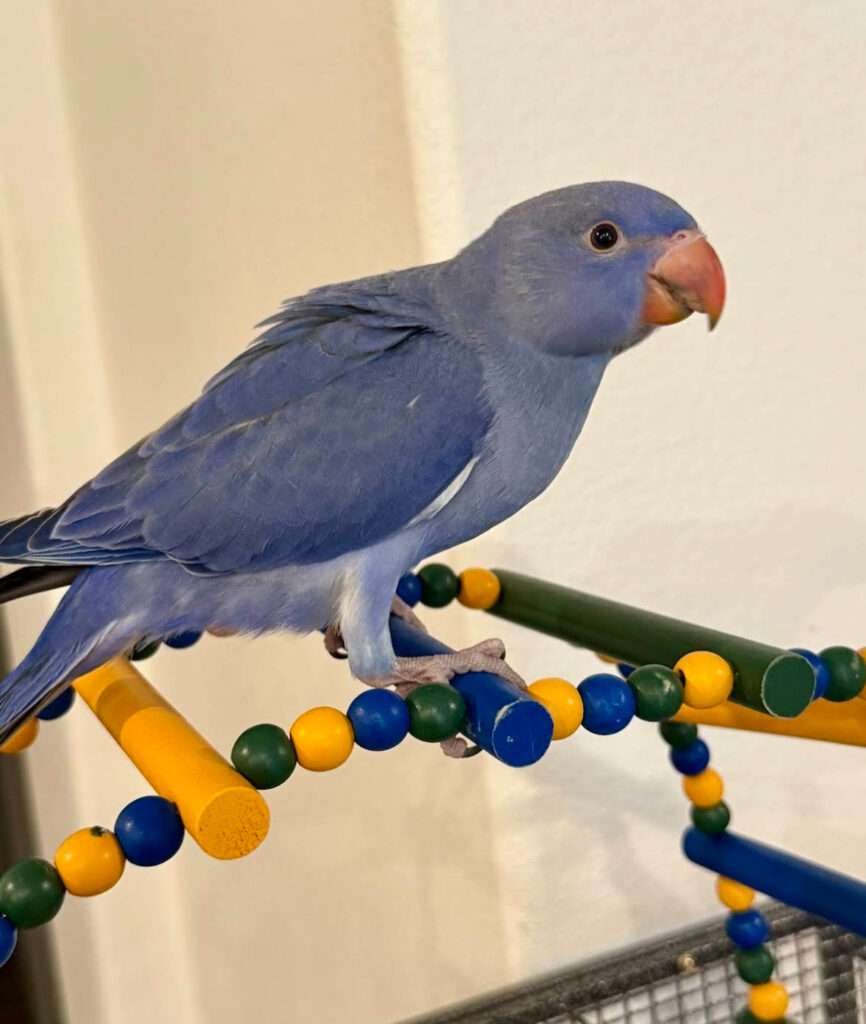
Credit: lovemybirdstx.com
Alternatives To Buying From Breeders
Considering alternatives to buying pet birds from breeders can open up options that are both ethical and rewarding. These choices often provide birds with a second chance while offering you the opportunity to find a companion that matches your lifestyle. Let’s look at some practical ways to find your next feathered friend beyond traditional breeders.
Adopting From Bird Rescues
Bird rescues are a fantastic option if you want to give a home to a bird in need. Many rescued birds have been surrendered due to owners’ changing circumstances, not because they are unhealthy or problematic. By adopting from a rescue, you help reduce the demand for birds bred solely for sale.
Visiting a bird rescue can also give you a chance to see a variety of species and personalities. Staff and volunteers usually provide detailed histories and care tips, which helps you make a well-informed choice. Have you ever thought about how many birds are waiting for homes instead of cages in pet stores?
Reputable Pet Stores
Not all pet stores are created equal, but some maintain high standards for their birds’ health and welfare. These stores often source their birds from ethical breeders or rescues and provide transparent information about their care. Shopping at a reputable pet store can be safer and more reliable than buying from unknown sources.
Before choosing a store, check reviews and ask about their bird care practices. A trustworthy store will be happy to discuss the birds’ backgrounds and answer your questions. Could this be a way to combine convenience with responsible pet ownership?
Networking With Bird Enthusiasts
Connecting with bird clubs and online communities can lead to opportunities to find birds through trusted individuals. Enthusiasts often breed birds responsibly or know of birds that need new homes. This network can provide support and advice long after you bring your bird home.
By engaging with other bird lovers, you gain insights that go beyond basic care, including behavior tips and enrichment ideas. Wouldn’t it be great to have a community backing you up as you welcome a new bird into your life?

Credit: www.exotic-birdsfarm.com
Frequently Asked Questions
Are Pet Bird Breeders Trustworthy Sources For Buying Birds?
Reputable pet bird breeders follow ethical breeding practices. They ensure healthy birds with proper care and vaccinations. Researching reviews and certifications helps confirm legitimacy and trustworthiness before purchasing.
How Can I Verify A Pet Bird Breeder’s Legitimacy?
Check for licenses, breeder references, and customer reviews. Legit breeders provide transparent health records and allow visits. Avoid breeders who refuse questions or hide bird environments.
What Are Common Signs Of A Legitimate Bird Breeder?
Legitimate breeders show clean facilities, healthy birds, and clear documentation. They prioritize bird welfare and offer post-sale support. Transparency and open communication are key indicators.
Why Should I Avoid Buying Birds From Illegitimate Breeders?
Illegitimate breeders often neglect bird health and welfare. Birds may have diseases or poor socialization. Buying from unethical breeders supports harmful practices and risks pet health.
Conclusion
Pet bird breeders can be trustworthy if you choose carefully. Check their reviews and ask questions. Visit their place to see how birds are treated. Honest breeders care for the health and happiness of their birds. Always be cautious and do your research first.
This way, you find a pet bird that fits your home well. Trust grows with good communication and clear answers. A happy pet starts with a responsible breeder. Keep these tips in mind for a safe and joyful experience.