

Have you ever wondered where the magical story of Peter Pan really began? You might be surprised to learn that it has a connection to a lesser-known book called The Little White Bird.
If you think you know Peter Pan well, this new angle could change everything you believe about the boy who never grows up. Keep reading, because uncovering this link will give you a fresh and exciting view of a timeless classic—one that you won’t want to miss.
Credit: peterpan.fandom.com
Origins Of Peter Pan
The origins of Peter Pan reveal a fascinating journey from early literary ideas to the beloved character we know today. Understanding where Peter Pan came from helps you appreciate the layers behind his story and the influences that shaped his personality. Let’s look deeper into how this iconic figure was created and what inspired his adventures.
Creation Of The Character
Peter Pan first appeared in J.M. Barrie’s 1902 novel The Little White Bird. In this book, Peter is a much more mysterious and magical figure than the playful boy many imagine. Barrie introduced Peter as a boy who could fly and never grow up, capturing the imagination of readers with his eternal youth and adventurous spirit.
Interestingly, Peter’s character evolved before becoming the star of the famous play in 1904. Barrie’s early writings show Peter as a mix of a mischievous child and a symbol of childhood innocence. This blend makes Peter more than just a character; he becomes an idea that challenges how you think about growing up.
Literary Inspirations
Many elements of Peter Pan come from earlier stories and mythologies about eternal youth and magical adventures. Barrie drew inspiration from Scottish folklore, where fairies and magical creatures often play tricks on humans. These tales gave Peter his fairy-like qualities and his connection to a mystical world.
One surprising influence is the theme of escapism found in The Little White Bird. The novel explores the desire to hold onto childhood joy and freedom, something that clearly shaped Peter’s refusal to grow up. You might ask yourself: what childhood moments do you wish could last forever?
Understanding these origins helps you see Peter Pan not just as a fictional boy, but as a symbol of a deeper human wish to keep wonder alive. This insight might change the way you read his story or even inspire you to find your own ways to keep your inner child vibrant.
The Little White Bird Novel
The Little White Birdis a novel written by J.M. Barrie, published in 1902. It blends fantasy and reality in a unique way. The story follows the life of a man named David and his encounters with magical creatures. This novel is important because it introduces the character Peter Pan, who later stars in Barrie’s famous play and novel. Many readers do not know that Peter Pan first appeared in this book, making it a key part of his story’s origin.
Plot Summary
The story centers on David, a lonely man living in London. He often escapes into dreams and memories. David meets magical beings, including fairies and talking animals. The novel mixes everyday life with fantasy scenes. It explores David’s love for his young wife and the innocence of childhood. The tale moves between real moments and imaginary adventures, creating a dreamlike feeling throughout.
Key Themes
- Childhood innocence and imagination
- Escaping reality through dreams
- Love and loss
- The contrast between adulthood and childhood
- Magic and the supernatural
These themes show Barrie’s deep interest in how children see the world. They also reflect his thoughts on growing up and holding onto wonder.
Introduction Of Peter Pan
Peter Pan appears first in chapter 13 of The Little White Bird. He is a small boy who never grows up. Peter lives in a magical place called Neverland. This early version of Peter shares many traits with the later, more famous character. He is playful, fearless, and full of mischief. His introduction in this novel laid the foundation for the Peter Pan stories that followed.
Connections Between Peter Pan And The Little White Bird
The story of Peter Pan is often viewed as a standalone classic, but it actually has deep roots in J.M. Barrie’s earlier work, The Little White Bird. Understanding the connections between these two pieces reveals how Barrie developed his iconic character and themes. Let’s look closely at how the characters, settings, and narratives overlap to give you a clearer picture of Peter Pan’s origins.
Character Overlaps
Peter Pan first appears as a minor character in The Little White Bird, where he shares traits with the boy we know today. Both versions of Peter are eternally young and live in a magical world separate from ordinary life. Barrie’s early Peter is more mysterious and less playful, showing that the character evolved over time.
Other characters from the book also connect to Peter Pan’s universe. For example, the narrator’s relationship with the boy in The Little White Birdechoes the fatherly figure often missing in Peter Pan’s adventures. Do you see how these character overlaps deepen the emotional layers of the story?
Shared Settings
Neverland, the famous setting of Peter Pan, has its roots in the dreamlike places described in The Little White Bird. Both works feature whimsical landscapes where reality bends and time stands still. These shared settings create a consistent magical atmosphere that invites readers to escape their everyday lives.
The garden in The Little White Birdfeels like an early version of Neverland’s enchanting environment. This connection might make you wonder how much of your own childhood imagination plays a role in shaping the worlds you love in stories.
Narrative Links
The narrative of The Little White Birdprovides a foundation for Peter Pan’s story by introducing themes of childhood innocence and escape. The book’s narrator reflects on his relationship with a young boy, which later transforms into the adventures of Peter Pan. This shift from a reflective tale to an adventurous one shows Barrie’s storytelling skill.
The transition from The Little White Birdto Peter Pan also highlights Barrie’s focus on the tension between growing up and holding on to youth. How might your own experiences with change and growing up influence the way you connect with Peter Pan’s story?

Credit: www.amazon.com
J.m. Barrie’s Role In Both Works
J.M. Barrie played a central role in shaping both The Little White Birdand Peter Pan. Understanding his involvement reveals how one work influenced the other and highlights his creative process. Barrie’s unique vision and personal experiences are deeply woven into both stories, offering rich layers for you to explore.
Author’s Biography
J.M. Barrie was a Scottish writer born in 1860. His childhood was marked by tragedy, especially the early death of his older brother, which left a lasting impact on his view of childhood and loss.
This experience drove him to create stories that celebrate eternal youth and imagination. Knowing this, you can see why his characters often resist growing up or face the challenges of adulthood with a childlike spirit.
Creative Evolution
The Little White Birdintroduced the character of Peter Pan as a minor figure, but Barrie quickly realized the potential for a larger story. This sparked the birth of the iconic Peter Pantale, evolving from a brief appearance to a full-length play and novel.
Barrie’s process was organic; he allowed his characters and themes to grow naturally. You can learn from this by letting your ideas develop gradually instead of forcing them too soon.
Public Reception
When The Little White Birdwas published, it received modest praise but did not become widely popular. In contrast, Peter Pancaptured the public’s imagination immediately and became a cultural phenomenon.
This shift shows how timing and focus can impact your work’s success. Sometimes, refining a concept and presenting it differently can make all the difference in how your audience connects with your story.
Myths And Misconceptions
Many stories about Peter Pan and The Little White Bird have created confusion. Myths often mix facts with fiction. It is important to separate what is true from what is imagined. This helps us understand the real connection between the two works.
Common Beliefs
- Some say Peter Pan is directly based on The Little White Bird.
- People think J.M. Barrie copied the character of Peter from the bird story.
- Many believe The Little White Bird was a children’s book like Peter Pan.
- It is often assumed that Peter Pan appeared first in The Little White Bird.
Factual Clarifications
- The Little White Bird is an adult novel, not a children’s story.
- Peter Pan first appeared as a character in The Little White Bird but with a different role.
- J.M. Barrie developed Peter Pan further in a separate play and novel later.
- The two works share characters but serve different purposes and audiences.

Credit: www.amazon.in
Impact On Popular Culture
The impact of Peter Pan on popular culture is vast and enduring. This character, originally linked to J.M. Barrie’s The Little White Bird, has shaped how we view childhood, adventure, and imagination. Understanding this connection helps you see why Peter Pan remains a cultural icon across generations.
Adaptations Of Peter Pan
Peter Pan has been adapted into countless forms—movies, plays, TV shows, and even video games. Disney’s 1953 animated film brought Peter’s story to millions, making his image instantly recognizable worldwide. More recent adaptations, like the 2003 live-action film or the TV series “Once Upon a Time,” add new layers to his character, showing how flexible and relevant his story remains.
These adaptations often highlight themes of never growing up and freedom, which resonate deeply with audiences. Have you noticed how these themes appear in your favorite shows or books? They keep Peter Pan alive in popular culture by connecting with our own desires to escape or hold onto youth.
Influence Of The Little White Bird
The Little White Bird, where Peter Pan first appeared, influences popular culture in subtler ways. It introduced the idea of a magical child who can fly and never grows old, concepts that many later stories borrowed. This book isn’t just a footnote; it laid the groundwork for a whole genre of fantasy centered around childhood wonder.
Many elements from The Little White Bird, such as the blending of reality and fantasy, continue to inspire writers and creators. If you think about it, how many stories do you know where children enter magical worlds or refuse to grow up? This original work quietly shaped those narratives long before Peter Pan became a household name.
Legacy Of Peter Pan And The Little White Bird
The legacy of Peter Panand The Little White Birdis deeply intertwined, shaping how we view childhood, imagination, and adventure. Though The Little White Birdintroduced the character, it was Peter Pan’s standalone story that captured hearts worldwide. Understanding their legacy helps you see how a single character can evolve and influence culture across generations.
Enduring Popularity
Peter Pan’s appeal remains strong because it taps into a universal desire to hold onto youth and freedom. Unlike many stories, Peter refuses to grow up, challenging the idea that adulthood is the only path forward.
This idea resonates with readers of all ages. It’s why you can find Peter Pan in books, movies, theater, and even theme parks. The character’s origin in The Little White Birdis often overlooked, but it laid the foundation for this lasting charm.
Have you noticed how certain lines or themes from Peter Pan stick with you years later? This staying power is part of what keeps the story alive in popular culture.
Modern Interpretations
Today, Peter Pan is more than a boy who won’t grow up. Modern retellings explore new angles, such as Peter’s flaws and the darker sides of Neverland. These versions push you to rethink the story and question what it means to escape reality.
The Little White Birdalso gains fresh attention as readers look for the story’s roots. Understanding where Peter came from adds depth to your experience of the character.
Creators use these reinterpretations to connect with today’s audience. They mix nostalgia with new ideas, showing that stories can grow just like people do. What part of Peter Pan’s story feels most relevant to your life right now?
Frequently Asked Questions
Is Peter Pan Originally From The Little White Bird?
Yes, Peter Pan first appeared in J. M. Barrie’s 1902 novel, The Little White Bird. The character was later expanded into the famous 1904 play, Peter Pan, or The Boy Who Wouldn’t Grow Up.
How Does The Little White Bird Relate To Peter Pan Story?
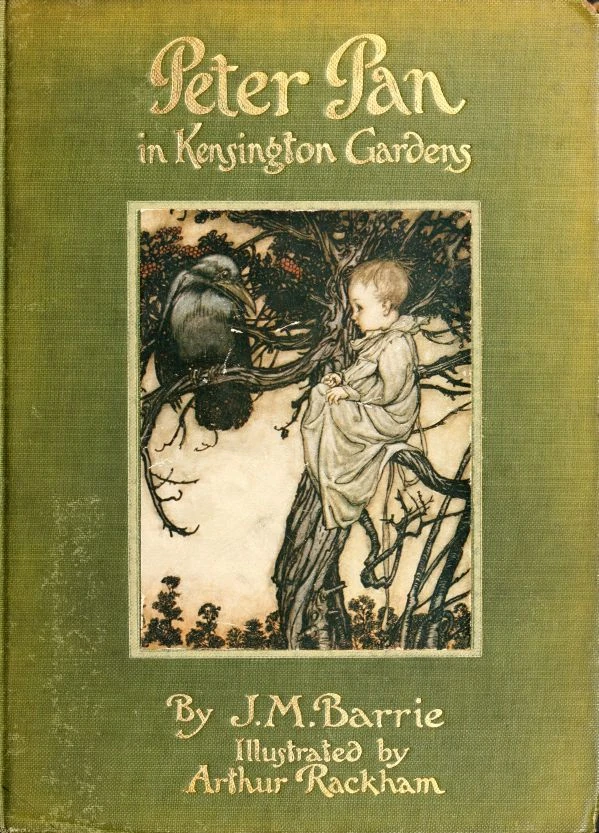
The Little White Bird introduces Peter Pan as a magical boy living in Kensington Gardens. This early story inspired Barrie’s later, fuller Peter Pan tale set in Neverland.
Did J.m. Barrie Write Both Peter Pan And The Little White Bird?
Yes, J. M. Barrie authored both works. The Little White Bird was published before Peter Pan and contains the original depiction of Peter’s character and themes.
Are Characters From The Little White Bird In Peter Pan?
Some characters from The Little White Bird appear in Peter Pan, but the settings and plot were greatly changed. Peter Pan became a standalone story with new elements.
Conclusion
Peter Pan’s roots trace back to “The Little White Bird. ” J. M. Barrie first introduced Peter there. These stories share characters and themes. Yet, Peter Pan evolved in its own way. It became a separate, beloved tale. The charm of Peter Pan endures.
It captivates children and adults alike. Both stories offer timeless adventures. They invite readers into magical worlds. Discovering their connection enriches our understanding. The magic of Peter Pan lives on. It continues to inspire imagination today.