
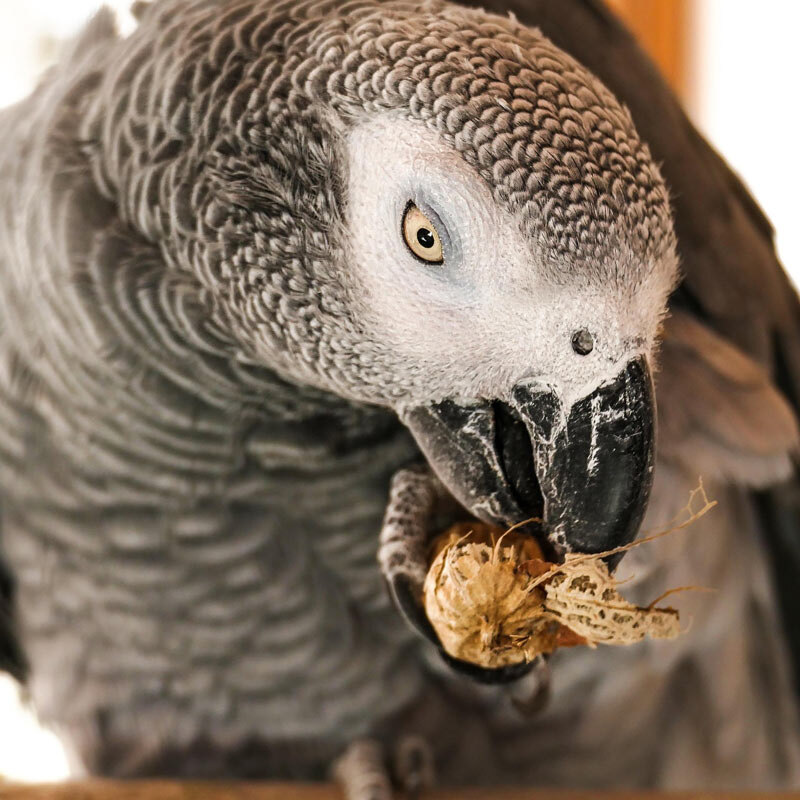
If your bird has diarrhea, you’re probably worried and wondering what to do next. Should you feed it or wait until it feels better?
Feeding a bird with diarrhea isn’t as simple as it sounds. What you choose to give your feathered friend right now can make a big difference in its recovery. You’ll discover what foods help, which ones to avoid, and how to care for your bird during this tricky time.
Keep reading—your bird’s health depends on what you do next.
Signs Of Diarrhea In Birds
Noticing diarrhea in your bird can be worrying. Recognizing the signs early helps you act quickly and protect your feathered friend’s health. Birds can’t tell you when they feel unwell, so you need to watch carefully for changes in their droppings and behavior.
Common Symptoms
- Loose or watery droppings:The most obvious sign is a change in the consistency of your bird’s droppings. Instead of firm, well-formed droppings, you’ll see watery or runny waste.
- Frequent defecation:Your bird might poop more often than usual, sometimes multiple times within a short period.
- Change in color or smell:Diarrhea may cause unusual colors like green or yellow and a stronger, unpleasant odor.
- Fluffed-up feathers:Birds often puff up their feathers when they feel unwell, including during diarrhea.
- Lethargy or loss of appetite:If your bird is less active or refuses to eat, it’s a red flag that something is wrong.
Causes To Consider
Diarrhea in birds can stem from several issues. Diet changes, like introducing new fruits or seeds too quickly, often upset their digestive system. Have you recently switched your bird’s food or added treats?
Infections from bacteria, viruses, or parasites are common culprits. Stress from environmental changes or new pets can also trigger diarrhea. Sometimes, underlying health problems like liver or kidney disease affect digestion.
Knowing these causes helps you decide whether to adjust your bird’s diet or seek veterinary care. Ignoring the symptoms might lead to dehydration or more serious health problems.

Credit: www.reddit.com
Feeding Birds During Diarrhea
Feeding a bird that has diarrhea can feel tricky. You want to help your feathered friend recover, but not make the problem worse. Choosing the right foods during this time is crucial to support their digestive system and overall health.
Foods To Avoid
Certain foods can irritate your bird’s gut and prolong diarrhea. Avoid anything high in fat or sugar, as these are hard to digest and can worsen symptoms.
- Seeds with shells:These can be tough on a sensitive digestive tract.
- Fried or processed snacks:Not suitable for birds and can upset their stomach.
- Dairy products:Most birds are lactose intolerant and should not consume milk or cheese.
- Fruit juices or sugary treats:High sugar content can feed harmful bacteria in the gut.
Have you noticed your bird’s condition worsening after certain foods? Sometimes, even healthy treats like nuts can be too rich during diarrhea.
Safe Food Options
Focus on gentle, easy-to-digest foods that soothe your bird’s digestive system. Offering a bland diet can help your bird heal faster.
- Boiled rice or plain cooked oats:These are mild and provide gentle energy.
- Steamed vegetables:Carrots, zucchini, and pumpkin are usually safe and can add hydration.
- Soft fruits:Apples and pears without skin can be given in small amounts.
- Fresh water:Keep water clean and available at all times to prevent dehydration.
In my experience caring for a sick parrot, switching to plain cooked rice and steamed veggies made a noticeable difference in just a couple of days. What simple food changes can you try today to help your bird feel better?
Hydration Needs
When your bird has diarrhea, its hydration needs become crucial. Diarrhea causes a rapid loss of fluids and essential minerals, which can quickly lead to dehydration. Paying close attention to hydration can make a significant difference in your bird’s recovery.
Importance Of Water
Water is the most basic and vital element for keeping your bird hydrated. Always ensure fresh, clean water is available at all times. Birds with diarrhea often drink less, so you might need to encourage them gently or offer water more frequently.
Have you noticed your bird avoiding its water dish during illness? Try changing the water bowl’s location or using a syringe to offer small amounts. Proper hydration helps flush out toxins and supports digestion, which is essential during diarrhea.
Electrolyte Solutions
Plain water is good, but electrolyte solutions can be even better. These solutions replace lost salts and minerals like potassium and sodium that your bird loses with diarrhea. You can buy ready-made electrolyte mixes or prepare a simple homemade version with water, a pinch of salt, and a bit of sugar.
Giving electrolyte solutions can boost your bird’s energy and speed up recovery. However, avoid overdoing it—too many electrolytes can upset your bird’s balance. Think about how you feel after a hard workout; wouldn’t you want a drink that replenishes your energy and salt levels? Your bird feels the same way.
Credit: pethelpful.com
When To Seek Veterinary Care
Knowing when to seek veterinary care for a bird with diarrhea can make a huge difference in its recovery. Sometimes, diarrhea is a minor issue that resolves quickly, but other times, it signals a serious health problem. Recognizing the signs that call for professional help is essential to protect your feathered friend’s health.
Critical Warning Signs
Watch closely for these signs—they mean your bird needs a vet immediately:
- Persistent diarrhea:If it lasts more than 24 hours without improvement.
- Blood or mucus in droppings:This can indicate infection or internal damage.
- Loss of appetite or weight:Birds can weaken rapidly without proper nutrition.
- Lethargy or weakness:If your bird seems unusually tired or unresponsive.
- Fluffed-up feathers for long periods:A sign of discomfort or illness.
- Changes in behavior:Aggression, hiding, or unusual vocalizations.
Ignoring these signs can let the problem worsen quickly. Ask yourself, is your bird acting like its usual self? If not, it’s time to act.
Preparing For A Vet Visit
Before heading to the vet, gather all the information that can help the diagnosis.
- Note how long the diarrhea has lasted and any changes you’ve seen.
- Bring a fresh sample of the droppings if possible—it helps the vet run tests.
- Write down what your bird has been eating and any new foods or treats introduced recently.
- Observe if there are other symptoms like vomiting, sneezing, or breathing issues.
Keeping calm will help your bird stay calm too. Have you prepared a safe carrier and a quiet space for the trip? Small details like these ease stress for both of you.
Preventing Future Digestive Issues
Preventing future digestive issues in birds is crucial for their long-term health and happiness. Digestive problems can reoccur if the root causes are not addressed. Taking proactive steps can help you keep your feathered friend healthy and avoid the stress of dealing with diarrhea again.
Dietary Tips
Pay attention to your bird’s diet. Avoid sudden changes in food, as these can upset their sensitive digestive system.
Offer a balanced mix of seeds, pellets, and fresh fruits or vegetables. But don’t overdo it with rich or oily foods—they can cause more harm than good.
Have you tried adding probiotics? They can support healthy gut bacteria and improve digestion. Also, clean, fresh water should always be available. Dehydration worsens digestive issues quickly.
Cleanliness And Environment
Keep your bird’s cage clean to prevent bacteria buildup. Regularly change the bedding and wash food and water containers daily.
Think about your bird’s environment, too. Stress from noise, overcrowding, or sudden changes can affect digestion. Creating a calm and stable space helps your bird stay healthy.
Have you noticed how your bird behaves when the cage is messy or noisy? Their health often reflects their surroundings more than you realize.

Credit: www.chewy.com
Frequently Asked Questions
Can I Feed A Bird With Diarrhea?
Feeding a bird with diarrhea is not recommended. Instead, focus on providing fresh water. Ensure the bird gets rest and consult a vet. Feeding could worsen the condition. Proper care is crucial during illness. Prioritize hydration and professional advice for recovery.
What Should I Feed A Sick Bird?
Feed a sick bird easily digestible foods. Soft fruits, cooked rice, and mashed vegetables are good options. Avoid seeds and hard foods. Ensure fresh water is always available. Consult a vet for specific dietary needs. Proper nutrition supports recovery in sick birds.
How Do I Help A Bird With Diarrhea?
Help a bird with diarrhea by ensuring a clean environment. Provide fresh water and monitor its condition closely. Avoid feeding until professional advice is sought. Consult a vet for appropriate treatment. Timely intervention is crucial for the bird’s health.
Why Is My Bird Having Diarrhea?
Diarrhea in birds can be due to infections, stress, or dietary changes. Parasites or spoiled food might also be causes. Observe the bird’s behavior for other symptoms. Consult a vet to identify the exact cause. Timely diagnosis ensures effective treatment.
Conclusion
Birds with diarrhea need gentle care and attention. Feed them soft, easy-to-digest foods in small amounts. Avoid giving foods that upset their stomach further. Always keep fresh water nearby to prevent dehydration. Watch their behavior and stool changes closely every day.
If symptoms last more than a day, contact a vet. Early help can stop serious health problems. Feeding birds carefully supports their quick recovery. Patience and proper care make a big difference. Your bird will feel better soon with the right approach.