

Have you ever wondered if birds make the best pets for your home? Choosing a pet is a big decision, and it’s important to find one that fits your lifestyle and brings you joy.
Birds are colorful, lively, and can even learn to talk, but are they the right choice for you? You’ll discover the surprising benefits and challenges of having birds as pets. By the end, you’ll know exactly whether a feathered friend is the perfect companion for your life.
Keep reading to find out!
Credit: lafeber.com
Benefits Of Bird Pets
Birds as pets offer unique advantages that often surprise people. Their vibrant personalities and ease of care make them a great choice for many households. Understanding these benefits can help you decide if a bird fits your lifestyle and needs.
Companionship And Social Interaction
Birds are social creatures that can form strong bonds with their owners. They often enjoy being talked to and can even learn to mimic words, adding a lively touch to your home. If you spend time interacting with your bird, it can become a joyful companion that responds to your presence.
Think about how a bird’s cheerful chirps or playful antics might brighten your day. Have you considered how a pet that “talks back” could change your routine?
Low Maintenance Compared To Other Pets
Birds generally require less daily upkeep than dogs or cats. Their feeding routines are simple, often involving pellets, seeds, and fresh water. Cleaning their cages regularly is important but usually quicker than dealing with litter boxes or outdoor walks.
Because birds don’t need walks or extensive grooming, they suit busy lifestyles well. Would a pet that fits easily into your schedule reduce your stress?
Enhancing Mental Well-being
Interacting with birds can improve your mood and reduce feelings of loneliness. Watching their curious behavior and listening to their songs can be calming after a long day. This connection can also boost your focus and mindfulness.
Many owners find that caring for a bird provides a sense of purpose and routine. Could a feathered friend help you find small moments of joy and relaxation in your daily life?

Credit: www.newindianexpress.com
Popular Bird Species As Pets
Choosing a bird as a pet means welcoming a lively, colorful companion into your home. Different bird species bring unique personalities and care needs that can fit various lifestyles. Knowing which species are popular helps you decide which bird might suit your personality and living situation best.
Parakeets And Budgerigars
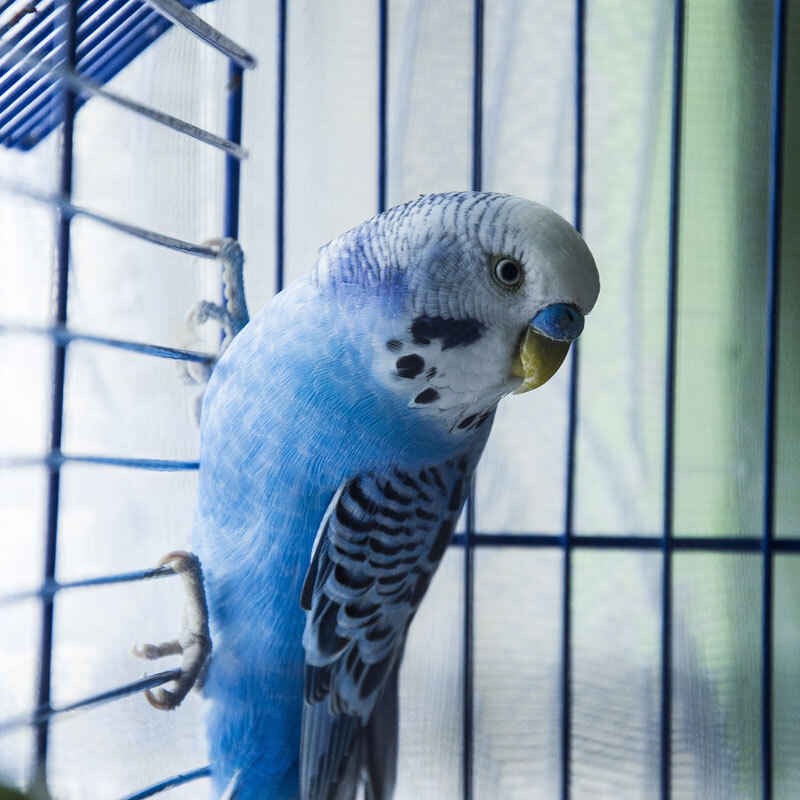
Parakeets, also known as budgerigars or budgies, are small, social birds that adapt well to household life. They enjoy interaction and can even mimic simple words, making them entertaining pets. If you want a pet that’s easy to care for and brings cheerful energy, a parakeet could be a perfect match.
Cockatiels
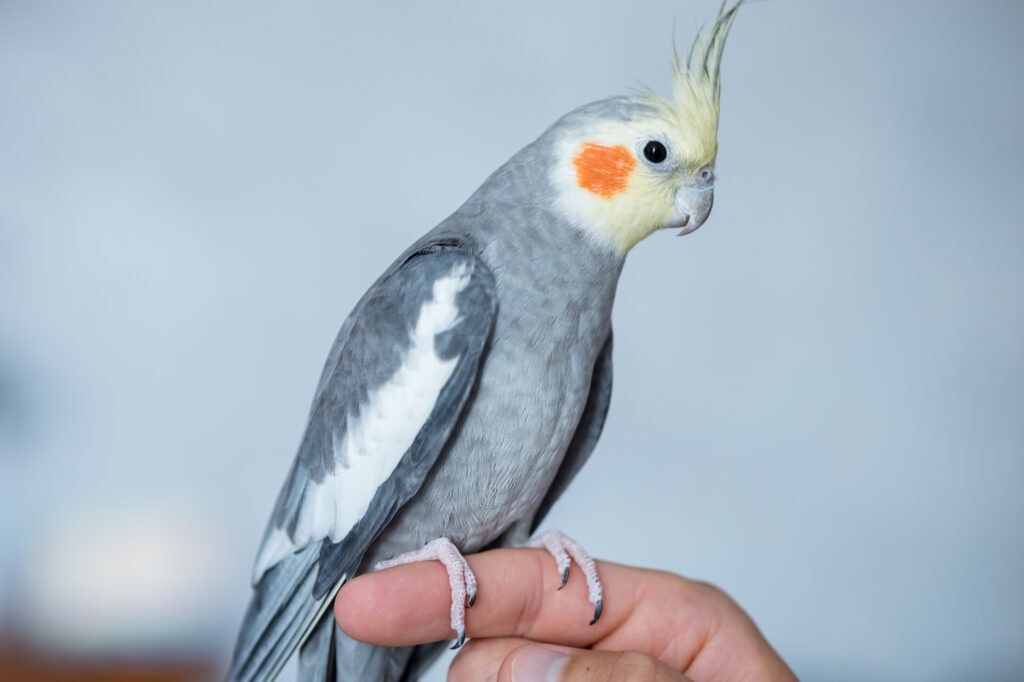
Cockatiels are known for their affectionate nature and charming crests. They often form strong bonds with their owners and respond well to gentle handling. If you’re looking for a bird that’s friendly and expressive but not too demanding, cockatiels might fit your home perfectly.
African Grey Parrots
African Grey Parrots stand out for their remarkable intelligence and ability to mimic human speech. However, they require a lot of mental stimulation and time investment to stay happy. Ask yourself if you have the patience and daily time to dedicate to one of the smartest bird species out there.
Canaries And Finches
Canaries and finches appeal to those who prefer watching birds rather than handling them. They are often kept in pairs or small groups, filling your space with soft songs and gentle activity. These birds are ideal if you want a low-maintenance pet that still brings life and color to your room.
Caring For Feathered Friends
Caring for birds is different from caring for other pets. Birds need special attention to thrive and stay happy. Their needs can be simple but must be met every day. Understanding their diet, home, and health keeps them safe and cheerful. This section covers key points to help your feathered friend live well.
Proper Diet And Nutrition
Birds need a balanced diet for good health. Seeds alone do not provide all nutrients. Fresh fruits and vegetables are important. Offer a variety of foods like:
- Leafy greens
- Carrots
- Apples (without seeds)
- Cooked grains
Clean, fresh water should always be available. Avoid feeding chocolate, caffeine, and avocado. These are toxic to birds. A healthy diet helps maintain bright feathers and strong bones.
Cage Setup And Environment
A bird’s cage is its home and safe space. Size matters. The cage should be large enough to allow flying and moving. Use perches of different sizes to keep feet healthy. Place toys for mental stimulation and fun. Keep the cage in a quiet, draft-free area with natural light. Clean the cage regularly to prevent illness. Avoid overcrowding the cage with too many birds.
Health And Veterinary Care
Regular health checks are essential for birds. Watch for signs of illness such as:
- Changes in appetite
- Fluffed feathers
- Unusual droppings
- Breathing difficulties
Find a vet who specializes in birds. Schedule yearly visits for check-ups and vaccinations. Prompt care can prevent serious health problems. Keep your bird’s environment clean to reduce risks of infections.
Challenges Of Keeping Birds
Keeping birds as pets comes with unique challenges that many first-time bird owners might not expect. Birds require more than just food and water—they need attention, training, and an environment that suits their natural behaviors. Understanding these challenges can help you decide if a bird fits your lifestyle and whether you’re ready for the commitment.
Noise And Vocalization
Birds are naturally vocal creatures, and their sounds can range from pleasant chirps to loud squawks. Some species, like parrots, are known for their ability to mimic sounds, which can be entertaining but also overwhelming in quiet households.
Think about your living situation: Are you okay with early morning calls or sudden loud noises? Neighbors and family members might not appreciate constant bird chatter, so noise is a serious factor to consider before bringing a bird home.
Lifespan And Long-term Commitment
Many bird species live for decades, with parrots sometimes reaching 50 years or more. This means your pet bird could outlive other pets or even family members.
Are you prepared to care for a bird through major life changes? This long lifespan requires a commitment that’s often overlooked but critical for the bird’s well-being.
Behavioral Issues And Training
Birds have complex social and emotional needs, which can lead to challenging behaviors like biting, feather plucking, or excessive screaming. These behaviors often stem from boredom, stress, or lack of proper training.
Training a bird takes patience and consistency. Are you ready to invest time daily to build trust and teach your bird positive habits? Without it, behavioral problems can escalate quickly.
Birds Vs. Other Pets
Choosing the right pet for your home means thinking about how different animals fit into your lifestyle. Birds often surprise people with their unique needs and traits compared to more common pets like dogs or cats. Understanding these differences can help you decide if a bird is the right companion for you.
Space Requirements
Birds generally need less floor space than dogs or cats, but they do require a tall cage or aviary where they can flap their wings and climb.
Unlike a dog that needs room to run outside or a cat that roams freely indoors, birds need vertical space to stay healthy and happy. If you live in a small apartment, a bird’s cage might fit better than a bulky dog crate or a litter box area.
Think about whether you have a quiet corner to place the cage away from drafts and direct sunlight, which is crucial for a bird’s comfort.
Cost Comparison
| Pet Type | Initial Cost | Ongoing Expenses | Typical Lifespan |
|---|---|---|---|
| Birds | Moderate (cage, toys, bird) | Moderate (food, vet care, cage maintenance) | 5-50+ years (depends on species) |
| Dogs | High (purchase/adoption, training gear) | High (food, grooming, vet visits) | 10-15 years |
| Cats | Moderate (adoption, litter box) | Moderate (food, litter, vet care) | 12-20 years |
Bird ownership can be affordable, but some species require specialized diets and vet care that add up. Dogs often cost more due to grooming and training needs, while cats fall somewhere in between.
Interaction And Bonding
Birds can be very social and form strong bonds with their owners, but their way of showing affection is different. Many birds enjoy talking, mimicking sounds, and interactive play, which can be rewarding if you spend time daily.
Unlike dogs that greet you enthusiastically at the door, birds may prefer sitting quietly on your finger or shoulder, which takes patience to build trust. Cats often show affection on their terms, making their bond feel more subtle but just as meaningful.
Ask yourself: Are you ready to invest time in gentle handling and training to connect with a bird? This can be one of the most fulfilling parts of bird ownership.
Choosing The Right Bird For You
Choosing the right bird as a pet goes beyond just picking a colorful feathered friend. It requires understanding your daily life, health considerations, and the kind of bond you want to build. Making the right choice ensures a happier home for both you and your bird.
Assessing Lifestyle And Schedule
Birds need time, attention, and space to thrive. Ask yourself how many hours you spend at home daily. Some birds, like cockatiels, enjoy social interaction and can get lonely if left alone too long.
If your schedule is busy or unpredictable, consider low-maintenance birds such as finches or canaries. They are more independent and require less hands-on care. Remember, a bird’s happiness often depends on how well its needs fit your lifestyle.
Allergies And Sensitivities
Birds produce dander and dust, which might trigger allergies in sensitive individuals. Before bringing a bird home, spend time around different species to gauge any reactions you might have.
Smaller birds like budgerigars tend to create less dust compared to larger parrots. Investing in an air purifier and maintaining regular cage cleaning can also help reduce allergens. Your comfort and health should always come first.
Personality Match
Each bird species has a unique temperament. Some parrots are talkative and social, while others prefer quiet environments. Think about whether you want a playful companion or a calm presence.
I once cared for a lovebird that was incredibly affectionate but required constant interaction. It taught me that matching a bird’s personality with your energy level is key to a successful relationship. What kind of connection are you hoping to build with your bird?
Credit: www.chewy.com
Frequently Asked Questions
Are Birds Good Pets For Families?
Yes, birds can be great pets for families. They are social, intelligent, and often enjoy interaction. However, they require time, care, and a safe environment. Consider your lifestyle before choosing a bird as a pet.
What Are The Benefits Of Having Pet Birds?
Pet birds provide companionship, entertainment, and can reduce stress. They are often low maintenance compared to other pets. Birds also offer unique behaviors and vocalizations that enhance the pet experience.
How Much Care Do Pet Birds Need Daily?
Pet birds need daily feeding, fresh water, and cage cleaning. They also require social interaction and mental stimulation. Regular attention ensures their health and happiness.
Can Birds Live Happily Indoors As Pets?
Yes, many bird species adapt well to indoor life. They need space to fly or exercise and mental enrichment. Proper lighting and a balanced diet are essential for indoor birds.
Conclusion
Choosing a bird as a pet depends on your lifestyle and needs. Birds need care, attention, and a safe home. They can bring joy with their songs and colors. Remember, pets need love and responsibility every day. Think about your time and space before deciding.
Birds can be great companions for those ready to care. The right choice leads to a happy life for you and your pet.