
Have you ever wondered if feeding birds right now is a good idea? You might think it’s a simple act of kindness, but there’s more to it than just tossing some seeds outside.
What you do today can affect the health and behavior of your local feathered friends. If you want to help birds thrive without causing harm, keep reading. This guide will give you clear answers and smart tips, so your efforts truly make a difference.
Don’t miss out on learning when and how to feed birds the right way!
Benefits Of Feeding Birds
Feeding birds offers many benefits for both nature and people. It helps birds survive tough times and supports their health. Providing food attracts various bird species, adding life and color to any outdoor space. It creates a closer connection between humans and wildlife, encouraging care and respect for the environment.
Supporting Local Wildlife
Birds need food sources all year round. Feeding birds helps them during winter and dry seasons. It gives extra energy for migration and breeding. Local birds stay healthy and strong with reliable food. This support reduces risks from habitat loss and harsh weather. Feeding birds also helps small or injured birds recover.
Enhancing Backyard Biodiversity
Bird feeders invite many types of birds to your yard. Different species bring diversity to your garden. This variety helps balance the local ecosystem. Birds control insect populations, reducing pests naturally. They spread seeds, helping plants grow and bloom. A diverse backyard becomes a lively, natural habitat for many creatures.
Educational Opportunities
Watching birds teaches about nature and animal behavior. Children and adults learn to identify species by color and sound. Feeding birds encourages curiosity about wildlife and the environment. It offers hands-on lessons in biology and ecology. Bird feeding inspires respect and care for living things. It makes learning fun and easy for everyone.
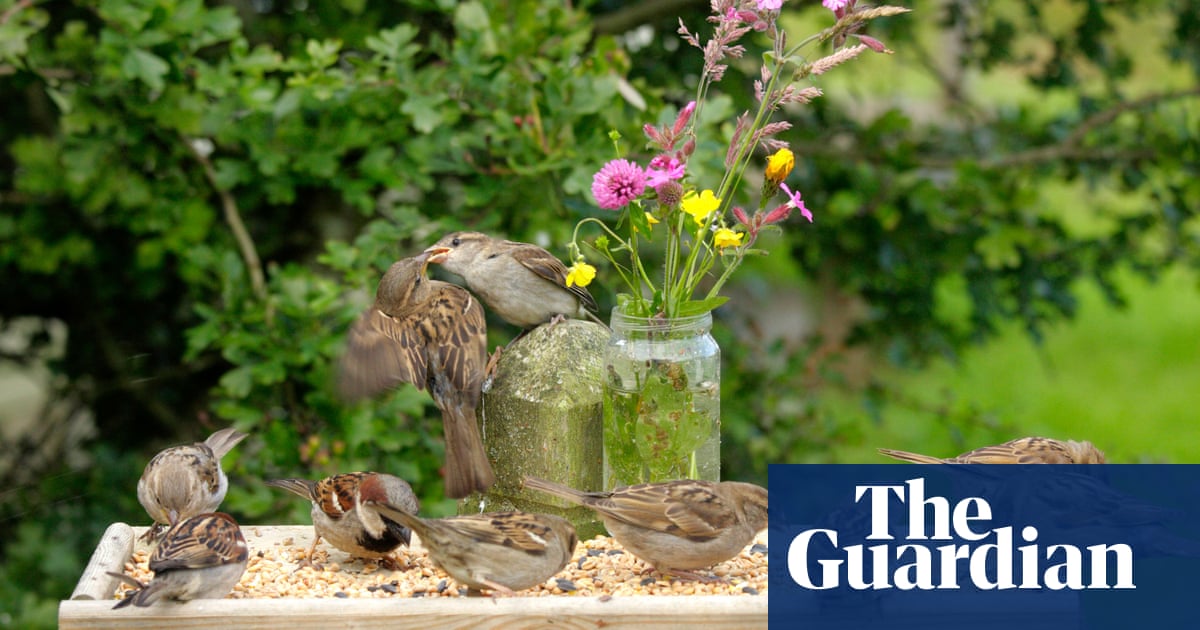
Credit: www.theguardian.com
When To Feed Birds
Knowing the right time to feed birds can make a big difference in their health and your enjoyment. Timing your bird feeding helps support local wildlife when they need it most and avoids disrupting their natural habits. Let’s look at key factors that tell you when to offer that helping hand.
Seasonal Considerations
Birds’ needs change with the seasons. In winter, food can be scarce, so your feeders become vital for survival. Spring and summer bring more natural food, but young birds might still benefit from supplemental feeding.
Fall is a time when birds prepare for migration or colder months, so extra food can boost their energy reserves. You might notice more visitors at your feeder during these transitions. Watching these patterns helps you decide when to start or stop feeding.
Weather Impact
Harsh weather affects birds more than you might think. Cold snaps, heavy snow, or droughts reduce natural food availability and make feeding crucial. On mild days, birds can often find enough on their own.
Consider feeding birds when temperatures drop below freezing or after storms. Your feeder becomes a lifeline, especially when natural seeds and insects are hidden or destroyed. Are you ready to step in during these tough times?
Natural Food Availability
Birds rely on seeds, berries, and insects that vary throughout the year. If you see fewer berries on bushes or less insect activity, it’s a sign birds need help. Observing your yard’s natural food sources can guide your feeding schedule.
Sometimes, even in good weather, urban areas have fewer natural foods. If you live in a city or suburb, consistent feeding might be necessary year-round. Ask yourself: Is your garden providing enough for the birds, or could your feeder fill a gap?
What To Feed Birds
Feeding birds can be a rewarding way to connect with nature right in your backyard. But knowing what to feed them is key to keeping them healthy and happy. Your choice of food affects their energy, survival, and how often they visit your feeder.
Safe And Nutritious Options
Offer seeds like black oil sunflower, which have high fat content and are loved by many birds. Peanuts (unsalted and shelled) are excellent protein sources but make sure they are fresh to avoid mold. Suet blocks provide energy during cold months, especially for insect-eating birds.
Fresh fruits such as apple slices, berries, and melon can attract fruit-eating species. You can also try mealworms for insectivorous birds—they’re a protein-packed treat. Always provide clean, fresh water alongside food to help birds digest and stay hydrated.
Foods To Avoid
Never feed birds bread, as it offers no nutrition and can harm their digestion. Avoid salty, sugary, or processed foods, which may cause illness. Also, steer clear of foods with mold or pesticides; these can be toxic.
Milk and dairy products are not suitable for birds since they lack the enzymes to process lactose. Citrus fruits are generally not recommended for most bird species, as they can upset their stomach. Think twice before offering anything you wouldn’t eat yourself.
Special Diets For Different Species
Different birds have different needs. Hummingbirds, for example, thrive on a simple nectar solution made from four parts water to one part sugar—no artificial sweeteners. Woodpeckers prefer suet and insects, while finches enjoy small seeds like nyjer.
Ornithologists often recommend researching the species common in your area. Tailoring your feed can increase visits and support local bird populations. Have you noticed how certain birds only come when you offer specific foods?

Credit: www.allaboutbirds.org
How To Feed Birds Safely
Feeding birds can be a joyful experience, but it comes with responsibility. You want to help birds thrive, not put them at risk. Knowing how to feed birds safely ensures they get the nutrition they need without facing dangers from feeders or the environment.
Choosing The Right Feeders
Select feeders that suit the types of birds visiting your area. Tube feeders work well for small songbirds, while platform feeders attract a variety of species. Avoid feeders with sharp edges or small parts that birds can get hurt on or choke on.
Consider feeders that keep seeds dry and protected from mold. A feeder with a roof or cover helps maintain seed quality. Have you noticed some feeders attracting more birds? That often means the design fits their feeding habits well.
Maintaining Cleanliness
Dirty feeders can spread diseases quickly among birds. Clean your feeders every two weeks using hot water and a mild bleach solution. Rinse thoroughly to remove any harmful residue that could affect the birds’ health.
Remove old, moldy seeds regularly. Mold can cause serious illness in birds. Keeping your feeding area tidy helps keep birds safe and encourages them to return often.
Preventing Predators And Hazards
Place feeders in safe locations away from places where cats or other predators can hide. Hanging feeders high and using baffles can protect birds from sneaky threats. Watch how predators behave around your feeding spots and adjust placement if needed.
Avoid feeders near windows to prevent bird collisions. If you must place feeders close to glass, try decals or screens to make the glass visible to birds. Have you ever seen a bird fly into a window? It’s heartbreaking and avoidable with some simple care.
Potential Risks Of Feeding Birds
Feeding birds seems like a kind act. It brings joy and connects us with nature. Yet, this simple action carries risks. Understanding these dangers helps protect both birds and people. Awareness can guide better choices about feeding wild birds.
Disease Transmission
Birds gather close at feeding spots. This closeness spreads germs fast. Diseases like avian flu or salmonella can pass easily. Dirty feeders make the problem worse. Sick birds then spread illness to others. Human contact with contaminated feeders risks spreading diseases too.
Dependency On Humans
Birds may rely too much on handouts. They might stop searching for natural food. This weakens their survival skills. In harsh weather, dependent birds struggle if food stops. Natural diets keep birds healthy and strong. Feeding too often can disrupt their natural habits.
Attracting Unwanted Wildlife
Food left outside attracts more than birds. Rodents like rats and mice may come. These animals can carry diseases and damage property. Predators such as raccoons or cats might visit too. They threaten bird safety and disturb local balance. Feeding birds can unintentionally invite these pests.
Alternatives To Feeding Birds
Feeding birds can feel rewarding, but it’s not the only way to support local wildlife. There are smarter, more sustainable alternatives that help birds thrive naturally. Instead of offering food directly, you can create an environment that meets their needs all year round.
Creating Natural Habitats
Natural habitats provide birds with shelter, nesting sites, and food sources without human intervention. You can leave areas of your garden a bit wild by letting grass grow longer or piling up leaves and branches. This gives birds places to hide from predators and find insects to eat.
Have you noticed how birds flock to untidy corners of parks? That’s because those spots offer safety and resources. By setting aside a small space for natural growth, you invite birds to visit regularly, reducing their dependence on feeders.
Planting Native Flora
Native plants attract insects and produce seeds and berries that are perfect bird food. When you plant species that naturally grow in your region, you’re helping birds find familiar, nutritious meals. This also supports the entire ecosystem, including pollinators and soil health.
Try adding shrubs like elderberry, serviceberry, or coneflowers to your yard. These plants can sustain birds through different seasons. Have you ever watched birds feast on berries right from your backyard? It’s a simple way to connect with nature and support wildlife.
Providing Water Sources
Birds need fresh water for drinking and bathing to stay healthy. Adding a birdbath or small pond can make your yard a popular stopover. Keep water clean and change it frequently to prevent the spread of disease.
Even a shallow dish with fresh water can attract a variety of birds. Think about how often you notice birds gathering around puddles after rain. You can create that same natural experience right at home, encouraging more visits without feeding them directly.

Credit: www.allaboutbirds.org
Frequently Asked Questions
Should I Feed Birds During Winter Months?
Feeding birds in winter helps them survive cold, scarce conditions. Provide high-energy foods like seeds and suet for best results. Avoid bread, as it lacks nutrients. Regular feeding supports local bird populations effectively through harsh weather.
What Is The Best Food To Feed Wild Birds?
Seeds such as sunflower, millet, and nyjer are ideal. Suet provides essential fats for energy. Fresh water is crucial, especially in freezing weather. Avoid processed foods or anything salted. Quality food attracts diverse bird species safely.
Can Feeding Birds Cause Dependency On Humans?
Feeding can supplement natural food but rarely causes full dependency. Birds continue foraging naturally. To prevent dependency, feed only during harsh seasons. Gradually reduce feeding as natural sources increase. Responsible feeding supports bird health without harm.
When Is The Best Time To Feed Backyard Birds?
Early morning and late afternoon are optimal feeding times. Birds are most active then and need energy for daily activities. Consistent feeding schedules help birds rely on your feeder. Avoid feeding at night to reduce predator risks.
Conclusion
Feeding birds can help them during cold or dry seasons. Choose natural, healthy food to keep birds safe and strong. Avoid giving bread or junk food that may harm them. Clean your feeding area often to stop diseases from spreading.
Watch and enjoy birds, but don’t feed too much. Nature provides food, so feeding is just a little help. Think about your local birds’ needs before you feed. Small acts can make a big difference for wild birds. Care and respect keep birds healthy and happy.