

Have you ever spotted tiny baby birds in a nest and wondered if you should step in and feed them? It’s natural to want to help, especially when those little creatures seem so fragile and hungry.
But before you reach out, it’s important to know what’s best for those birds—and what could actually harm them. You’ll discover the truth about feeding baby birds in a nest. By the end, you’ll have the confidence to make the right choice, keeping both you and the birds safe.
Keep reading to find out what you should really do when you come across a nest of baby birds.
Why Baby Birds Need Care
Baby birds rely heavily on care during their early days in the nest. Their survival depends on proper feeding, warmth, and protection. Understanding why they need this care helps you decide if and how you should intervene.
Natural Feeding Habits
Baby birds usually get fed by their parents many times a day. The parents bring insects, worms, or regurgitated food directly to the nest. This frequent feeding ensures the chicks get enough nutrients to grow strong and healthy.
Without regular meals, baby birds can quickly weaken and become vulnerable. Have you ever noticed how restless and noisy hungry chicks become? Their constant begging signals an urgent need for food that only parents usually satisfy.
Parental Roles In Nest
Both mother and father birds share the responsibility of caring for their young. One might gather food while the other keeps the nest safe and warm. This teamwork maximizes the chicks’ chances of survival.
Parental care also involves protecting babies from predators and harsh weather. If you see a parent bird nearby, it’s a sign they are actively caring for their chicks. Interrupting this process can do more harm than good, even if your intentions are kind.

Credit: swibirds.org
Risks Of Feeding Baby Birds
Feeding baby birds in a nest might seem like a kind and helpful act. However, it carries several risks that can harm the birds more than help them. Understanding these risks is key before you decide to intervene.
Potential Harm From Human Feeding
Feeding baby birds can cause them to become dependent on humans. This dependency may stop them from learning how to find food naturally, which is essential for their survival once they leave the nest.
Human food often lacks the right nutrients for baby birds. Even well-meaning feeding with bread, milk, or other common foods can cause malnutrition or digestive problems.
There is also the risk of disturbing the nest. Approaching too often to feed can lead to parents abandoning their young. Have you noticed how wildlife often reacts to human presence? This is why it’s important to keep a safe distance.
Health Risks To Baby Birds
Feeding baby birds can introduce bacteria and parasites to the nest. Your hands or feeding tools may carry germs that the young birds are not ready to fight off.
Incorrect feeding techniques can cause choking or injury. For example, forcing food into their mouths or giving them inappropriate foods can harm their throats or digestive systems.
Another risk is overfeeding. Baby birds have small stomachs and feeding them too much can cause serious health problems. Are you sure you can match the natural feeding pace of their parents?
When Feeding Is Necessary
Knowing when to feed baby birds is crucial. Not every little bird in a nest needs your help, and interfering too soon can sometimes do more harm than good. However, recognizing the right moments to step in can make a real difference in their survival.
Signs A Baby Bird Needs Help
Watch closely for these warning signs that a baby bird might be in trouble:
- Cold to the touch:Healthy chicks stay warm. If a baby bird feels cold, it may have been abandoned or is too weak to survive on its own.
- Loud, continuous crying:This can indicate hunger or distress.
- Feathers missing or eyes closed for long periods:These could be signs of illness or injury.
- Visible injuries or deformities:A wounded bird needs immediate care.
- Fallen from the nest:While not always urgent, a chick on the ground needs assessment to determine if it can be safely returned or requires feeding.
Have you ever noticed a baby bird making a desperate call nearby? That’s often the first sign that nature needs a little extra help from you.
How To Safely Feed Baby Birds
Feeding baby birds requires caution and care to avoid causing harm. Here’s how you can do it safely:
- Identify the species:Different birds have different diets. Insects, seeds, or regurgitated food may be needed.
- Use appropriate food:Small, soft foods like soaked dog kibble, finely chopped boiled eggs, or specialized bird formula work well.
- Feed with care:Use a small syringe or tweezers to gently place food inside the bird’s beak.
- Keep feeding intervals regular:Baby birds often need to eat every 15-20 minutes during daylight hours.
- Avoid overfeeding:Too much food or improper feeding can cause choking or illness.
Have you prepared the right feeding supplies before you attempt to help? This preparation can save a fragile life.
Remember, your goal is to stabilize the bird until a wildlife professional can take over. Feeding a baby bird is a temporary help, not a permanent solution.

Credit: masterofhort.com
Alternatives To Direct Feeding
Feeding baby birds in a nest might seem kind, but it often causes more harm than good. There are safer ways to help these tiny creatures without direct feeding. These alternatives protect the birds and support their natural growth.
Contacting Wildlife Experts
Wildlife experts have the right knowledge to care for baby birds. They understand the best feeding practices and when intervention is needed. Calling them ensures the birds get proper help.
Experts can also check if the birds are truly abandoned. Sometimes parent birds are nearby but out of sight. Professionals know how to decide the best action for the birds’ safety.
Creating A Safe Environment
Supporting baby birds means keeping their nest safe. Avoid touching the nest or making loud noises near it. This helps parents return and care for their young.
Remove pets and keep children away from the nesting area. Protect the nest from harsh weather if possible. Providing a quiet, secure spot helps baby birds grow naturally.
Common Myths About Feeding Baby Birds
Many people hold strong beliefs about feeding baby birds in a nest. Some think it always helps, while others believe it causes harm. These ideas often come from stories, not facts. Understanding the truth helps both birds and humans stay safe. Let’s explore some common myths about feeding baby birds.
Feeding Will Save Every Bird
People often assume feeding baby birds will save them all. The truth is, nature has its own way of caring for young birds. Parent birds know what to feed and when. Feeding without knowing can cause mistakes. It might stop the babies from learning to find food themselves. Not every bird in a nest needs help. Sometimes, interference can do more harm than good.
Feeding Is Always Harmful
Some believe feeding baby birds is always bad. This is not true either. In certain cases, feeding can help, like when a baby falls from the nest or is injured. But feeding must be done carefully and correctly. Using the wrong food or feeding too much can hurt the baby bird. Experts suggest contacting wildlife professionals before feeding. Safe help means knowing the right steps to take.
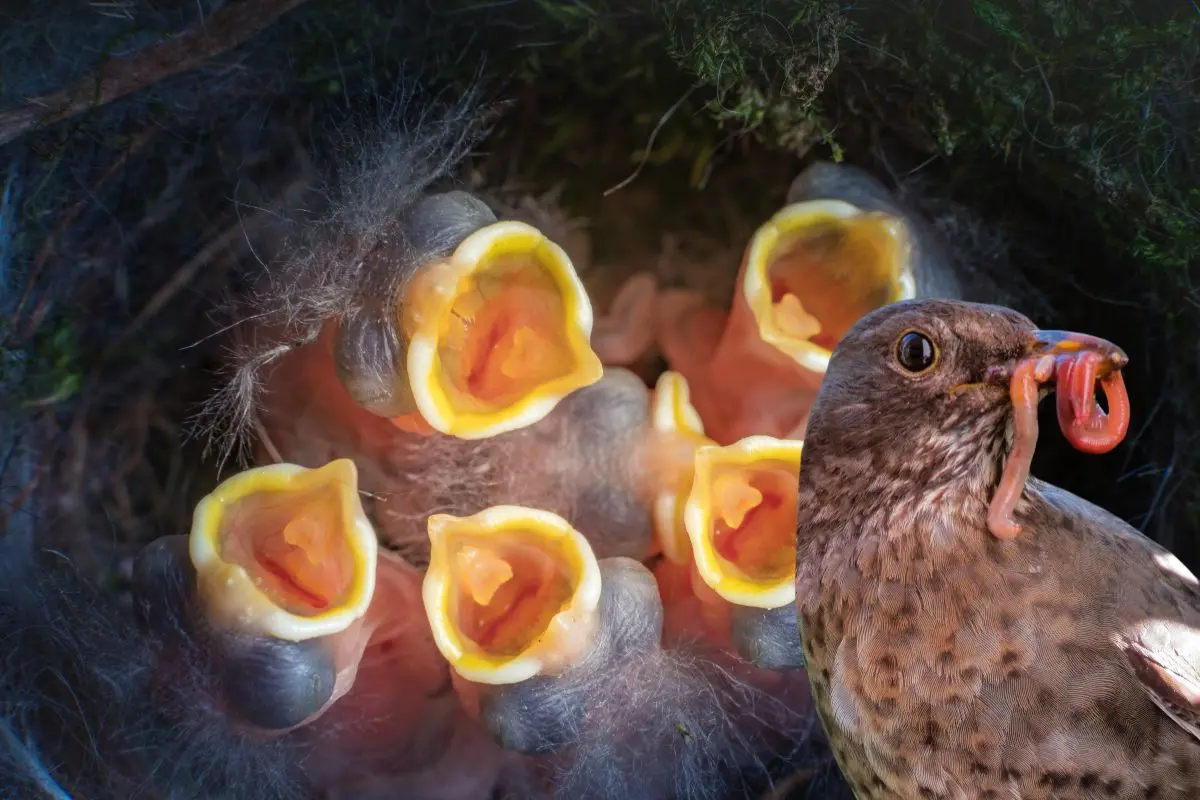
Credit: wildbloo.com
Frequently Asked Questions
Should I Feed Baby Birds Found In A Nest?
No, avoid feeding baby birds in a nest. Parent birds provide the right diet. Interference may cause harm or abandonment.
How Can I Tell If Baby Birds Need Feeding?
If baby birds appear healthy and parents visit often, they are fine. Only intervene if birds seem weak or abandoned.
What Food Is Safe For Feeding Baby Birds?
If feeding is necessary, offer specialized bird formula or soft insects. Avoid bread, milk, or human food as they can harm birds.
When Should I Call A Wildlife Rehabilitator For Baby Birds?
Contact a rehabilitator if baby birds are injured, cold, or abandoned. Experts ensure proper care and increase survival chances.
Conclusion
Feeding baby birds in a nest may seem kind, but it often causes harm. Parent birds know best how to care for their young. Interfering can stress the babies or stop parents from returning. Observing from a distance helps you enjoy nature safely.
Let nature take its course and trust the parents’ care. Your respect helps baby birds grow strong and healthy. Patience and quiet watching offer the best support to wild birds.