
Are you thinking about adding a feathered friend to your home? Choosing the right pet bird can bring joy, color, and lively chatter into your life.
But with so many different birds to keep as pets, it’s easy to feel overwhelmed. Which bird matches your lifestyle? Which one will be your perfect companion? You’ll discover popular pet birds, their unique personalities, and what it takes to care for them.
By the end, you’ll have a clear idea of which bird fits you best—and why your new pet could be just a few clicks away. Keep reading to find your ideal feathered friend!
Popular Parrot Species
Popular parrot species make excellent pets because of their vibrant colors, intelligence, and social nature. They bring energy and companionship into your home, but each species has unique needs and personalities. Understanding these differences helps you choose the right parrot that fits your lifestyle and care abilities.
Budgerigars
Budgerigars, or budgies, are small, colorful parrots known for their playful and friendly behavior. They are easy to care for and adapt well to apartment living, making them perfect for first-time bird owners.
You’ll find budgies enjoy interacting with you and can even learn to mimic simple words and sounds. Their social nature means they thrive when given plenty of attention or a feathered friend to keep company.
Cockatiels
Cockatiels are slightly larger and famous for their charming crests and gentle personalities. They form strong bonds with their owners and love to whistle tunes, adding a musical touch to your home.
These birds require mental stimulation, so toys and regular interaction are essential to keep them happy. Have you noticed how a cockatiel’s soft chirps can brighten your day?
African Grey Parrots
African Grey Parrots stand out for their extraordinary intelligence and exceptional talking ability. They need a lot of mental exercise and social engagement to prevent boredom and behavioral issues.
While they can be demanding, their loyalty and problem-solving skills make them rewarding companions. Are you ready to invest time and patience in nurturing such a brilliant bird?
Macaws
Macaws are large, striking parrots known for their vivid plumage and strong personalities. They require spacious living conditions and plenty of daily interaction to thrive.
Owning a macaw is a serious commitment but can be incredibly fulfilling with the right preparation. What steps will you take to ensure a macaw feels loved and stimulated in your home?
Finches And Canaries
Finches and canaries are charming choices for bird lovers who want vibrant colors and pleasant songs without the demanding care routines of larger birds. These small birds bring life and cheer to your home with their lively personalities and melodious tunes. Their manageable size makes them perfect for both beginners and experienced bird keepers.
Zebra Finches
Zebra finches are lively and social birds known for their distinctive black-and-white striped patterns. They thrive in pairs or small groups, enjoying interaction with their own kind rather than constant human attention. If you want a pet that’s active and entertaining, zebra finches are a great pick.
Their care is straightforward: a clean cage, fresh water, and a seed mix designed for finches. Have you noticed how they often tap their beaks rhythmically? That’s their way of communicating and bonding, which can be fascinating to watch daily.
Society Finches
Society finches are excellent for beginners because they are hardy and adapt well to different environments. These birds don’t sing like canaries, but their soft chirps and gentle nature make them soothing companions. They are also great foster parents, often caring for eggs and chicks of other finch species.
Keeping society finches means providing a spacious cage with plenty of perches and nesting materials. Their communal lifestyle encourages you to keep more than one, ensuring they stay happy and active. Have you thought about how a small flock could brighten your living space?
American Singer Canaries
American singer canaries are prized for their beautiful, clear songs that can fill a room with melody. Unlike finches, these canaries often prefer to be alone or in pairs, making them perfect for quieter households. Their singing ability varies with individual birds, which adds a unique charm to each pet.
They need a clean, calm environment and a diet enriched with fresh fruits and vegetables to stay healthy and vocal. Watching a canary sing after you’ve provided it a comfortable home can be incredibly rewarding. Have you ever considered how much joy their song might add to your daily routine?
Doves And Pigeons
Doves and pigeons make wonderful pets, especially if you appreciate calm, gentle birds that bond closely with their owners. They are often misunderstood as just common city birds, but many species offer unique personalities and striking appearances. Keeping these birds can bring a peaceful presence to your home, plus the joy of watching their graceful behaviors up close.
Ringneck Doves
Ringneck doves are among the most popular pet doves due to their soft cooing and affectionate nature. They are easy to tame and enjoy human interaction, making them a great choice if you want a bird that responds to your presence.
These doves have a distinctive black ring around their neck, which gives them their name. They thrive in pairs or small groups, so consider getting more than one to keep them happy and active.
Diamond Doves
Diamond doves are smaller and more delicate-looking, with beautiful spotted wings that add charm to any aviary. Despite their size, they have a lively personality and are known for their gentle cooing sounds.
They require a calm environment and regular social interaction. If you enjoy watching intricate bird behavior, diamond doves can be fascinating pets that bring subtle joy to your daily routine.
Homing Pigeons
Homing pigeons are famous for their incredible ability to find their way home over long distances. This trait makes them not only interesting pets but also excellent candidates for pigeon racing or messaging, if you want a hobby that involves skill and training.
They are intelligent and can recognize their owners, forming strong bonds over time. Keeping homing pigeons means you’ll need space and patience, but the rewards include a deeply engaging pet experience that few birds can match.
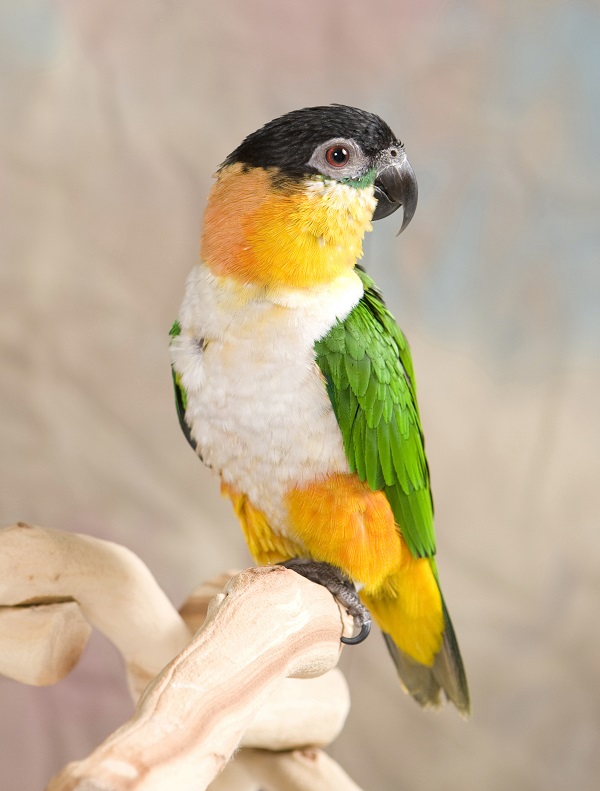
Credit: www.northernparrots.com
Softbills And Exotic Birds
Softbills and exotic birds offer a vibrant and unique addition to any pet collection. These birds are not just beautiful; they have distinct behaviors and care needs that set them apart from common pet birds like parakeets or canaries. Understanding their specific traits will help you decide if they fit your lifestyle and what it takes to keep them happy and healthy.
Toucans
Toucans are instantly recognizable by their large, colorful bills. Their vivid colors and playful personalities make them a fascinating pet choice. However, toucans require a diet rich in fruits and special care to maintain their bill health.
If you enjoy interactive pets, toucans can bond well with their owners but need ample space to fly and exercise. Have you considered how much time you can dedicate to a bird that thrives on attention and mental stimulation?
Turacos
Turacos are exotic birds known for their unique green and blue plumage. They are social and tend to enjoy the company of other birds, so keeping more than one can be beneficial. Their diet mainly consists of fruits, and they need fresh water daily.
One surprising fact about turacos is their ability to produce a pigment called turacins, which gives their feathers a metallic sheen. Keeping turacos means providing a warm environment and plenty of natural light to keep their colors vibrant.
Quail
Quail are ground-dwelling birds that differ from typical pet birds due to their shy and quiet nature. They are relatively easy to care for and can be a good option if you want a low-maintenance softbill. Quail enjoy a diet of seeds, grains, and insects.
Because they are not very vocal, quail are perfect for apartment living or quieter homes. Have you thought about the space you can offer them for foraging and natural behaviors?
Considerations For Choosing A Bird
Choosing the right bird as a pet is more than just picking a pretty feathered friend. You need to think about how the bird fits into your lifestyle, home, and the kind of relationship you want. The right match can make all the difference between a happy bird and a stressed one.
Size And Space Requirements
Birds come in all sizes, from tiny finches to large macaws. The bigger the bird, the more space it needs to move around comfortably. If you live in a small apartment, a large bird might feel cramped and stressed.
Think about where you will keep the cage. Can you dedicate a quiet corner that’s safe and free from drafts? Your bird will need room to stretch its wings and fly short distances inside the cage.
Dietary Needs
Different birds have different diets. Some thrive on seeds, while others need fresh fruits, vegetables, and pellets to stay healthy. You must be ready to provide a balanced diet tailored to your bird’s species.
Have you considered the time and effort needed to prepare meals? For example, parrots require a variety of foods daily, which means regular shopping and meal prep. Ignoring this can lead to poor health and behavioral problems.
Social Interaction And Bonding
Birds are social creatures, but their need for attention varies widely. Some, like cockatoos, crave constant interaction and can get lonely or destructive without it. Others, like canaries, are happier with less human contact.
Ask yourself how much time you can spend bonding with your bird. Are you ready to talk, play, and train your pet daily? Your involvement directly affects the bird’s happiness and trust in you.
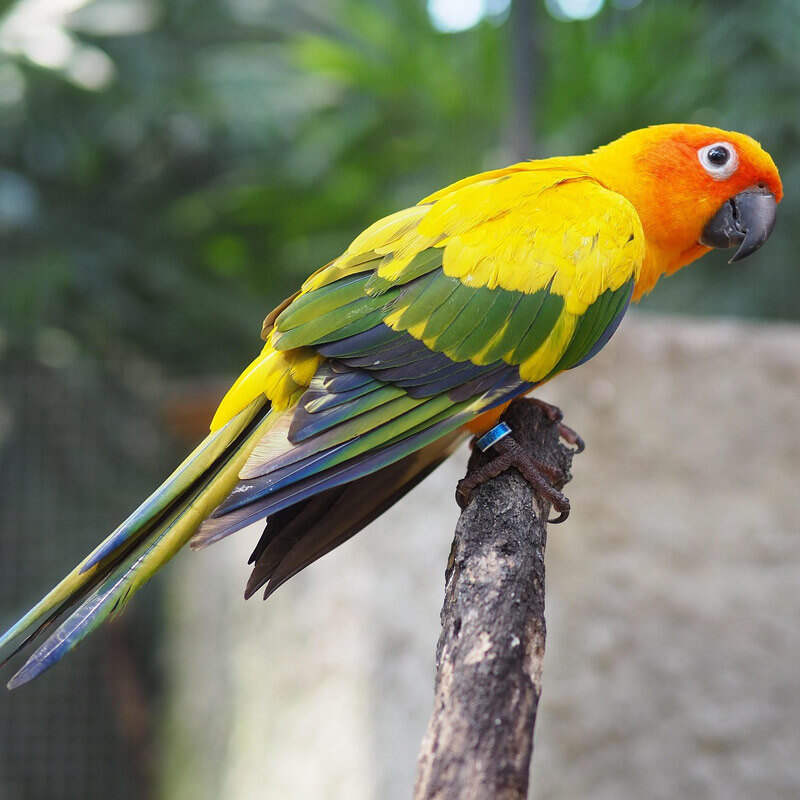
Credit: lafeber.com
Caring For Pet Birds
Caring for pet birds requires attention to their needs for a happy life. Birds need a safe and comfortable space. They also need the right food and health care. Meeting these needs helps birds stay healthy and active. Understanding these basics makes bird ownership enjoyable.
Housing And Environment
Birds need cages that fit their size and activity level. The cage should be spacious enough for movement. Use perches of different sizes to keep their feet healthy. Place the cage away from drafts and direct sunlight. Keep the environment clean to prevent diseases. Provide toys to stimulate their mind and body. Birds enjoy social time outside their cage too.
Feeding And Nutrition
Feed birds a balanced diet for good health. Include seeds, pellets, fruits, and vegetables. Fresh water must be available at all times. Avoid feeding birds salty or sugary foods. Change food and water daily to keep them fresh. Different bird species may need specific diets. Observe your bird to understand its preferences and needs.
Health And Veterinary Care
Regular health checks are important for pet birds. Watch for signs of illness like changes in behavior or appetite. Find a vet who specializes in birds. Keep vaccinations and parasite control up to date. Clean the cage and accessories often to reduce infections. Early treatment can save your bird’s life. Healthy birds live longer and are happier companions.
Benefits Of Keeping Birds As Pets
Keeping birds as pets offers several benefits that suit different lifestyles. Birds bring joy and calmness to any home. They require less effort than many other pets but still provide meaningful interaction. Birds can brighten your day with their songs and bright colors.
Emotional Companionship
Birds form strong bonds with their owners. They enjoy social time and respond to voices. Their presence can reduce feelings of loneliness. Many birds show affection by cuddling or mimicking sounds. This makes them great companions for people of all ages.
Educational Opportunities
Birds teach responsibility and care. Watching their behavior helps learn about nature and animal habits. Children can gain patience and empathy by taking care of birds. Training birds to talk or do tricks offers fun challenges. This interaction promotes mental growth and curiosity.
Minimal Space Requirements
Birds need less space than dogs or cats. They fit well in apartments or small homes. A well-sized cage and a safe play area meet most birds’ needs. This makes birds ideal for people with limited living space. Their compact size allows easy care and cleaning.
:strip_icc()/parakeet-budgie-budgerigar-952787256-5b52a7d046e0fb0037bec8a7.jpg)
Credit: www.thesprucepets.com
Frequently Asked Questions
What Are The Best Birds To Keep As Pets?
Popular pet birds include budgerigars, cockatiels, lovebirds, canaries, and parrots. These birds are social, easy to care for, and adapt well to home life. They offer companionship and vibrant colors, making them ideal for beginners and experienced bird owners alike.
How Much Space Do Pet Birds Need?
Pet birds require enough cage space to stretch wings and move freely. Larger birds need bigger cages and time outside for exercise. Proper space ensures their physical health and mental stimulation, reducing stress and behavioral problems.
What Do Pet Birds Eat Daily?
Pet birds eat a balanced diet of seeds, pellets, fruits, and vegetables. Fresh water should always be available. Different species may have specific dietary needs, so check bird-specific nutrition guidelines for optimal health.
How Long Do Pet Birds Usually Live?
Pet bird lifespans vary by species; small birds live 5-10 years, while parrots can live 40+ years. Lifespan depends on diet, care, and environment. Proper care can significantly extend a bird’s healthy years.
Conclusion
Choosing a pet bird brings joy and companionship to your home. Different birds suit different lifestyles and spaces. Small birds need less care but still love attention. Larger birds can be very social but need more time. Think about your daily routine before picking a bird.
Birds add color and life to any room. Remember, every bird needs love and proper care. Enjoy the journey of finding the perfect feathered friend. Your new pet will brighten many days ahead.