
If you love feeding ducks, you probably want to make sure you’re giving them the best food possible. But not all bird seeds are safe or healthy for ducks.
Choosing the right seed can keep ducks happy, healthy, and coming back to your favorite pond. You’ll discover which bird seeds are perfect for ducks and which ones to avoid. Keep reading, and you’ll learn how to make your next feeding experience better for both you and the ducks.

Credit: www.reddit.com
Best Seeds For Ducks
Feeding ducks the right seeds supports their health and energy. Seeds provide essential nutrients and help ducks stay strong. Choosing the best seeds ensures ducks get a balanced diet. Some seeds are more nutritious and easier for ducks to eat.
Sunflower Seeds
Sunflower seeds are rich in fat and protein. Ducks enjoy the taste and find them easy to eat. These seeds also provide important vitamins like vitamin E. Feeding shelled sunflower seeds avoids mess and is safer for ducks.
Millet
Millet is a small, light seed that ducks can easily digest. It is a good source of carbohydrates and minerals. Millet is gentle on a duck’s stomach and helps with energy. It is often found in mixed bird seed blends.
Safflower Seeds
Safflower seeds are high in protein and healthy fats. Ducks like the mild flavor and crunchy texture. These seeds support feather growth and overall health. Safflower seeds are also less likely to attract unwanted pests.
Corn Kernels
Corn kernels provide a good amount of carbohydrates for energy. Ducks enjoy eating cracked or whole corn kernels. It is best to offer fresh, clean corn to avoid mold. Corn helps ducks stay active during colder months.

Credit: www.reddit.com
Seeds To Avoid
Knowing which seeds to avoid when feeding ducks is just as important as choosing the right ones. Some seeds can harm ducks or disrupt their natural diet. Avoiding these can keep your feathered friends healthy and happy.
Salted Or Flavored Seeds
Salted or flavored seeds might seem like a tasty treat, but they can be harmful to ducks. Excess salt can cause dehydration and kidney problems in birds.
Think about this: Would you eat salty snacks all day without water? Ducks face the same risk. Always choose plain, unsalted seeds to keep their diet safe.
Moldy Or Old Seeds
Old or moldy seeds pose a serious threat because they can contain toxins harmful to ducks. Mold can lead to respiratory issues or even poisoning.
Before feeding, always check the seeds for freshness. If they smell musty or look discolored, it’s better to discard them than risk your ducks’ health.
Nutritional Benefits Of Seeds
Seeds are a natural and nutritious choice when feeding ducks. They offer a range of essential nutrients that support ducks’ health and energy. Understanding what seeds provide can help you pick the best options to keep ducks thriving.
Protein Content
Protein is vital for ducks, especially during molting and breeding seasons. Seeds like sunflower, millet, and safflower provide a good protein boost. Sunflower seeds, for example, contain about 20-25% protein, which helps ducks build strong muscles and feathers.
Have you noticed ducks becoming more active after eating certain seeds? That’s often due to the protein fueling their bodies. Feeding high-protein seeds supports growth and repair, which is crucial for their overall well-being.
Vitamins And Minerals
Seeds are rich in vitamins such as vitamin E and B-complex, which aid in energy metabolism and immune function. Minerals like magnesium, phosphorus, and zinc found in seeds also contribute to healthy bones and metabolism.
For example, millet is packed with magnesium, helping ducks maintain strong bones. Including a variety of seeds ensures ducks receive a balanced mix of these vital nutrients. Have you ever tried mixing different seeds to see which your local ducks prefer? It’s a great way to keep their diet interesting and nutritious.

Credit: www.muranochickenfarm.com
How To Prepare Seeds For Ducks
Preparing seeds before feeding ducks helps improve their digestion and safety. Proper preparation makes seeds easier to eat and reduces health risks. Ducks enjoy seeds like sunflower, millet, and cracked corn, but these need simple steps before serving.
Soaking Seeds
Soaking seeds softens them and starts germination. This process makes seeds easier for ducks to digest. Use clean water and soak seeds for 6 to 12 hours. Rinse seeds after soaking to remove any dirt or bacteria. Wet seeds also attract ducks more than dry seeds.
Avoiding Overfeeding
Feeding too many seeds can harm ducks’ health. Seeds are high in calories and can cause obesity if overfed. Offer small amounts at a time, about a handful per duck. Spread seeds on the ground or water surface to prevent crowding. Regular feeding keeps ducks healthy and happy without overeating.
Alternatives To Bird Seed
Bird seed is a common snack for ducks, but other foods can be healthy and safe too. These alternatives provide good nutrition and variety. Ducks enjoy different tastes and textures, which helps their diet stay balanced and interesting. Feeding them the right foods supports their health and energy.
Vegetables And Grains
Ducks like many vegetables and grains that are easy to find. Fresh, chopped vegetables offer vitamins and minerals. Grains give ducks energy and fiber for digestion. Always serve these foods in small, bite-sized pieces.
- Peas (fresh or thawed)
- Corn (cooked or raw)
- Lettuce (chopped, not iceberg)
- Oats (rolled or quick-cooking)
- Barley and wheat
Avoid salty or seasoned vegetables. Plain, natural foods are best for ducks.
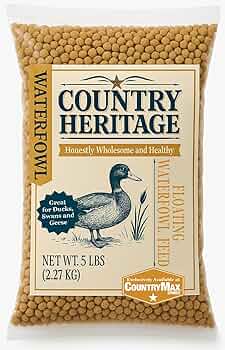
Commercial Duck Feed
Special duck feed is designed for their dietary needs. It contains balanced nutrients that help ducks grow strong. You can find pellets or crumbles at pet stores and farm suppliers. This feed is safer than bread or junk food.
- Provides protein, vitamins, and minerals
- Easy to store and measure
- Reduces risk of malnutrition
- Helps maintain healthy feathers and bones
Always offer feed in moderation. Fresh water should be available alongside food.
Feeding Tips For Wild Ducks
Feeding wild ducks can be a rewarding experience, but it requires some care to ensure their health and safety. Knowing when and how to feed them can make a big difference. You want to help, not harm, so understanding the best practices is key.
Best Time To Feed
Ducks are most active in the early morning and late afternoon. These times are ideal for feeding because ducks are naturally searching for food then. Feeding them at these times helps avoid disrupting their natural foraging behavior.
Try to avoid feeding ducks during the hottest part of the day. Overfeeding can lead to leftover food that pollutes the water and attracts pests. Have you noticed ducks lingering around at dawn or dusk? That’s your cue to offer food gently.
Safe Feeding Practices
Feed ducks only healthy, natural foods like bird seed, cracked corn, or oats. Avoid bread and processed foods as they can cause malnutrition and water pollution. Feeding ducks small amounts at a time prevents waste and keeps the environment clean.
- Scatter food on the water’s surface or on the ground—don’t throw big clumps that might choke them.
- Wash your hands before and after feeding to prevent spreading germs.
- Feed ducks in open spaces to reduce stress and avoid predators.
Have you ever wondered if feeding ducks too often might make them dependent on humans? Limiting feeding to occasional treats helps maintain their natural instincts. Your small effort can support wild ducks without disrupting their balance.
Frequently Asked Questions
What Bird Seeds Are Safe For Feeding Ducks?
Ducks safely eat seeds like cracked corn, millet, and sunflower seeds. These provide essential nutrients without harming their health. Avoid seeds with additives or salt, as they can be toxic to ducks.
Can I Feed Ducks Regular Bird Seed Mixes?
Yes, many regular bird seed mixes contain safe seeds like millet and cracked corn. However, avoid mixes with sunflower seeds with shells or artificial additives. Always choose natural, untreated seeds for the best duck nutrition.
How Often Should I Feed Ducks Bird Seed?
Feed ducks bird seed occasionally, about once or twice a week. Overfeeding can cause health issues and environmental problems. Always provide fresh water nearby to help ducks digest their food.
Is Cracked Corn Good For Ducks To Eat?
Cracked corn is a favorite and nutritious option for ducks. It’s easy to digest and provides energy. Make sure it’s plain, untreated corn without any additives or preservatives for safe feeding.
Conclusion
Feeding ducks with the right bird seed keeps them healthy and happy. Seeds like cracked corn, oats, and sunflower seeds work well. Avoid bread, as it can harm ducks and pollute water. Always offer food in small amounts and watch how ducks eat.
Feeding ducks brings joy and helps them thrive in nature. Remember, simple seeds make a big difference for wild ducks. Keep your feeding habits safe and kind to protect these beautiful birds. Enjoy your time with nature and care for ducks gently.