
Are you thinking about adding a feathered friend to your home? Choosing the right bird species as a pet can make all the difference in your experience.
The perfect bird isn’t just about looks—it’s about personality, care needs, and how well they fit into your lifestyle. You’ll discover which bird species make the best pets, helping you find a companion that brings joy, chatter, and color to your life.
Keep reading, and find out which bird could become your new best friend.
:strip_icc()/parakeet-budgie-budgerigar-952787256-5b52a7d046e0fb0037bec8a7.jpg)
Credit: www.thesprucepets.com
Popular Pet Birds
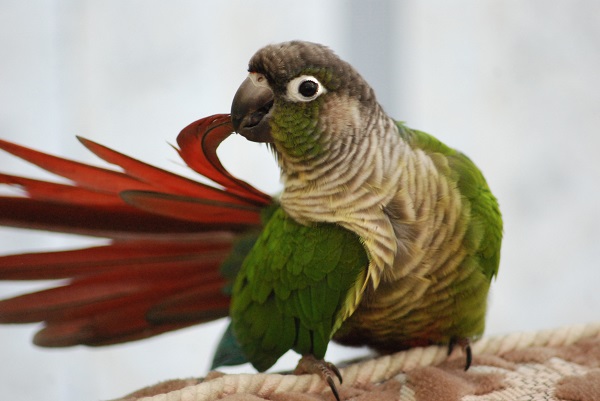
Many bird species make wonderful pets. They bring color, sound, and joy to any home. Some birds are easy to care for. Others need more time and attention. Choosing the right bird depends on your lifestyle and space. Here are some popular pet birds loved around the world.
Budgerigars (budgies)
Budgies are small, colorful, and very friendly. They can learn to talk and mimic sounds. Budgies need daily social interaction. They are perfect for first-time bird owners. Their playful nature makes them delightful companions.
Cockatiels
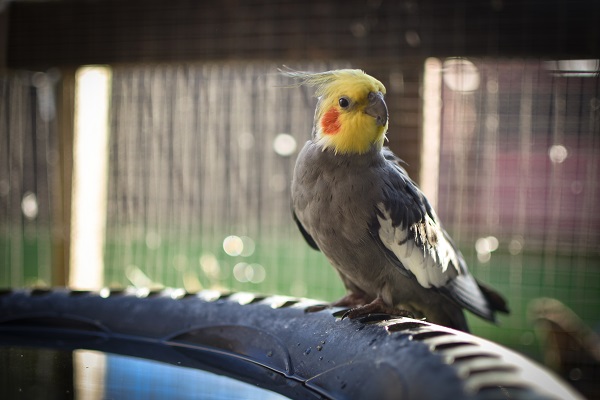
Cockatiels are gentle and affectionate birds. They enjoy whistling and can mimic tunes. These birds have a crest on their head that moves with mood. Cockatiels are easy to train and bond closely with owners. They thrive on attention and care.
Lovebirds
Lovebirds are tiny but full of personality. They form strong bonds with their owners or partners. These birds are active and enjoy toys to play with. Lovebirds need a spacious cage for flying. Their vibrant colors brighten any room.
African Grey Parrots
African Greys are known for their intelligence. They have excellent talking and problem-solving skills. These birds require mental stimulation and interaction. African Greys live long and need a committed owner. Their calm demeanor suits patient families.
Canaries
Canaries are famous for their beautiful singing. They come in many colors and patterns. These birds prefer quiet environments. Canaries do not need much handling but enjoy seeing their owners. They are low-maintenance and great for small spaces.
Finches
Finches are small, social birds that love company. They do well in groups and need enough space to fly. Finches have soft, pleasant chirps. They are easy to care for and rarely need handling. Their lively nature adds charm to any room.
Credit: www.northernparrots.com
Traits Of Ideal Pet Birds
Choosing the right bird species as a pet hinges on several key traits that define how well the bird fits into your lifestyle and home. Understanding these traits will help you create a happy environment for your feathered friend. Let’s look at what makes a bird an ideal pet for you and your family.
Temperament
The personality of a bird affects how it interacts with you and other pets. Some birds, like budgerigars and cockatiels, are friendly and enjoy socializing. Others, such as certain parrots, may be more independent or require patient training to bond.
Think about your daily routine. Are you ready to engage with a bird that demands attention, or would a more low-key companion suit you better? Your bird’s temperament can make all the difference in your relationship.
Lifespan
Birds vary widely in how long they live, ranging from a few years to several decades. Smaller birds like finches usually live about 5 to 10 years, while larger parrots can live 40 years or more.
Consider whether you’re prepared for a long-term commitment. Owning a bird with a long lifespan means planning for their care through many stages of life, which can be rewarding but also challenging.
Noise Levels
Noise is a major factor in pet bird ownership. Some species, such as lovebirds and cockatoos, are known for being loud and vocal. Others like canaries and parakeets tend to be quieter.
Ask yourself if you live in an apartment or have close neighbors. Can your environment handle a noisy bird, or do you need a quieter species? Managing noise can be crucial for your peace of mind.
Size And Space Needs
Bird size directly impacts how much space they need. Small birds like budgies can thrive in a modest cage, while larger birds like macaws require spacious aviaries.
Reflect on your available space. Do you have room for a large cage and flight time? Overcrowding can stress birds and lead to health problems, so space planning is essential.
Dietary Requirements
Different birds have unique dietary needs that affect cost and effort. Seed-only diets are common but often insufficient; many birds benefit from fresh fruits, vegetables, and specialized pellets.
Are you willing to prepare fresh foods regularly? Understanding your bird’s diet helps you keep them healthy and happy, and avoids common nutritional issues.
Birds For Beginners
Choosing a bird as a pet can feel overwhelming, especially if you’re new to bird care. Some species are better suited for beginners because they require less effort, are easier to train, or simply enjoy human company. Understanding which birds fit these criteria can help you find a pet that fits your lifestyle and keeps you happy.
Low Maintenance Species
Some birds don’t demand much attention, making them perfect for first-timers. Budgerigars (budgies) and cockatiels are great examples. They eat simple diets, need minimal grooming, and adapt well to new environments.
Can you imagine a pet that doesn’t need constant supervision but still brings life to your home? These birds are relatively quiet and don’t require large cages, which helps if space is limited.
Easy To Train Birds
Training a bird can deepen your bond, but some species learn faster than others. Parakeets and lovebirds quickly pick up tricks and mimic sounds. Their intelligence makes daily interactions fun and rewarding.
Think about how rewarding it feels when your pet responds to your voice. If you want a bird that can learn basic commands or even talk, these species offer that chance with consistent, gentle training.
Social And Friendly Options
Birds that crave social interaction thrive in homes where they get lots of attention. Cockatiels and African grey parrots are known for their friendly nature and love of companionship. They enjoy being part of your daily routine.
Do you want a pet that greets you with enthusiasm? Social birds often show affection and can reduce feelings of loneliness. They need time and patience but reward you with a strong, affectionate bond.
Birds For Experienced Owners
Choosing a bird as a pet requires honest self-assessment, especially if you consider yourself an experienced owner. Birds that demand advanced care, mental stimulation, and social interaction can bring you closer to understanding their complex personalities. These species often reward your efforts with deep bonds but expect time, patience, and knowledge in return.
Highly Intelligent Birds
Some bird species challenge your intellect and keep you on your toes. African Grey Parrots top the list with their remarkable problem-solving skills and ability to mimic human speech. These birds thrive when given puzzles or training sessions regularly, or they may become bored and develop behavioral issues.
Another smart choice is the Eclectus Parrot, known for its vibrant colors and social nature. Owning such a bird means dedicating time daily to mental enrichment and interaction. Can you commit to keeping their minds active and engaged?
Talkative Species
If you enjoy lively conversations, certain birds are natural chatterboxes. The Amazon Parrot, for example, is famous for its clear and loud vocalizations. They often mimic household sounds and words, making them entertaining companions.
However, their talkative nature means you should be ready for noise and constant interaction. Do you have the patience to train and manage a bird that loves to vocalize at all hours?
Birds With Specialized Care
Some birds require care routines beyond the basics of food and water. Cockatoos, with their sensitive skin and emotional needs, often need regular grooming and a consistent daily routine to prevent stress. Neglecting these can lead to feather plucking or other health problems.
Macaws also demand a spacious environment and a diet rich in variety, including fresh fruits, nuts, and supplements. Can you provide the dedicated space and nutritional care these birds need to flourish?
Housing And Environment
Creating the right housing and environment for your pet bird is essential for its health and happiness. Birds are sensitive creatures that thrive in spaces designed specifically for their needs. Understanding the details of cage size, enrichment, and environmental conditions can make a big difference in your bird’s behavior and well-being.
Cage Size And Setup
Choose a cage that matches the size and activity level of your bird. Small birds like budgerigars need less space, but they still require enough room to spread their wings and move freely. Larger birds such as cockatoos demand bigger cages with sturdy bars to withstand their strength.
Place perches at different heights and distances to encourage exercise. Avoid overcrowding the cage with too many accessories—your bird needs space to fly or hop around. Remember, a cramped cage can lead to stress and behavioral problems.
Safe Toys And Enrichment
Birds need toys to stay mentally active and prevent boredom. Select toys made from non-toxic materials like untreated wood, paper, or natural fibers. Avoid anything with small parts that could be swallowed or sharp edges that might cause injury.
Rotate toys regularly to keep your bird curious and engaged. I once noticed my parrot became less vocal and playful until I introduced a new foraging toy. That simple change transformed his mood completely. What kinds of toys does your bird enjoy most?
Temperature And Lighting
Maintain a stable temperature between 65°F and 80°F (18°C to 27°C), depending on the species. Sudden changes can stress birds and weaken their immune systems. Avoid placing cages near drafts, heaters, or air conditioners.
Natural light is important for your bird’s health. Position the cage near a window but shield it from direct sunlight to prevent overheating. Consider using full-spectrum lighting if natural light is limited in your home, as it supports vitamin D synthesis and regulates sleep cycles.
Health And Wellness
Keeping a bird as a pet means more than just providing food and a cage. Their health and wellness play a huge role in their happiness and lifespan. Understanding their specific needs helps you catch problems early and gives your feathered friend the best chance to thrive.
Common Health Issues
Birds can face several health problems, some of which are common across many species. Respiratory infections, feather plucking, and nutritional deficiencies are among the top concerns.
For example, cockatiels often suffer from respiratory issues due to dusty environments. Parrots may develop beak disorders if they don’t get enough chewing toys.
Knowing what’s typical for your bird species helps you spot trouble fast. Have you noticed any sudden changes in your bird’s feathers or droppings? These can be early signs something is wrong.
Regular Vet Care
Just like dogs and cats, birds need regular check-ups with an avian vet. Annual visits can prevent many diseases before they become serious.
Vaccinations, parasite checks, and diet advice are common parts of these appointments. Some vets also recommend blood tests to monitor your bird’s internal health.
Don’t wait for a crisis to find a vet experienced with birds. Building a relationship early makes emergencies less stressful for both you and your pet.
Signs Of Stress Or Illness
Birds hide illness well, but they do give clues when something is off. Watch for changes in behavior like reduced vocalization, fluffed-up feathers, or lack of appetite.
Stress can also make a bird more vulnerable to sickness. Loud noises, sudden moves, or lack of interaction might be stressing your bird.
How well do you know your bird’s normal behavior? The better you know them, the quicker you’ll detect these subtle changes and take action.
Choosing The Right Bird For You
Choosing the right bird as a pet is more than just picking a pretty feathered friend. It involves understanding your own lifestyle, availability, and resources to ensure both you and the bird thrive together. The right match can bring years of joy, while the wrong one might lead to frustration for both sides.
Assessing Your Lifestyle
Ask yourself how active you are daily and how much interaction you want with your bird. Some species, like budgerigars or cockatiels, enjoy socializing and being handled often. Others, such as finches or canaries, are happier with less direct attention.
If you travel frequently or work long hours, a low-maintenance bird might suit you better. Consider the noise level too—some birds are vocal and might disturb neighbors or family members. Your living space matters as well; larger parrots need room to fly and play.
Time Commitment
Birds require daily care beyond feeding. Cleaning cages, mental stimulation, and social interaction are necessary to keep them healthy and happy. Larger parrots, like African greys or macaws, demand hours of attention and enrichment every day.
Smaller birds often need less hands-on time but still benefit from play and companionship. Reflect on your typical day—can you dedicate time consistently? What about weekends or holidays? Your honesty here will shape the best bird choice.
Budget Considerations
Bird ownership involves upfront and ongoing costs. Initial expenses include cage, toys, and vet check-ups. Larger or exotic birds often come with higher price tags and special dietary needs.
Don’t forget food, bedding, and occasional vet visits. Unexpected health issues can add to expenses too. Planning your budget realistically helps avoid stress and ensures your bird receives proper care.
Have you thought about how these factors fit into your life? Choosing a bird is about creating a relationship that suits both of you well.
Credit: www.northernparrots.com
Frequently Asked Questions
What Bird Species Are Easiest To Care For As Pets?
Budgerigars, cockatiels, and lovebirds are popular for easy care. They require simple diets, moderate social interaction, and minimal grooming, making them ideal for beginners.
Which Birds Are Best For Small Living Spaces?
Budgerigars, parrotlets, and canaries thrive in small homes. They need compact cages and moderate exercise, fitting well in apartments or limited space environments.
Are Parrots Good Pets For Families With Children?
Yes, parrots like cockatiels and conures are social and playful. They bond well with kids but need supervision to ensure gentle handling and safety.
What Bird Species Are Known For Their Talking Ability?
African grey parrots, budgerigars, and Amazon parrots excel in mimicking speech. They are intelligent, require stimulation, and enjoy interactive training sessions.
Conclusion
Choosing the right bird as a pet brings joy and companionship. Small birds like budgies are easy to care for and friendly. Larger birds, such as cockatiels, offer more interaction and personality. Each species has unique needs and traits to consider.
Think about your space, time, and budget before deciding. Birds can be wonderful pets with the right care and love. Enjoy the special bond that grows with your feathered friend.