

Have you ever dreamed of having a bird of prey as a pet? These powerful and majestic creatures can be fascinating companions, but not all of them are suitable or legal to keep.
If you want to learn which birds of prey you can actually have, what it takes to care for them, and the responsibilities involved, you’re in the right place. Keep reading to discover the surprising options available and how you can make your dream a safe and rewarding reality.
Credit: projectupland.com
Legal Considerations
Owning birds of prey as pets involves strict legal rules. These laws protect both the birds and people. Understanding legal considerations helps avoid fines or losing the bird. Regulations vary widely depending on location and bird species. Knowing these rules before getting a bird of prey is essential.
Permits And Licensing
Most places require special permits to keep birds of prey. These permits prove the owner can care for the bird properly. Applying for a permit often includes background checks and inspections. Some birds need federal permits, especially if they are endangered. Permit holders must follow specific care and housing standards. Without the right permit, owning these birds is illegal and can lead to penalties.
State And Country Regulations
Rules differ between states and countries. Some allow certain species as pets; others ban all birds of prey. States may have their own permits and licenses on top of federal laws. International laws protect migratory and endangered birds. Breaking these laws can result in heavy fines or jail time. Always check local and national laws before acquiring a bird of prey.
Popular Birds Of Prey For Pets
Choosing a bird of prey as a pet is a serious commitment. These magnificent creatures require special care, training, and legal permits. Knowing which species are popular among falconers and bird enthusiasts can help you decide which bird suits your lifestyle and experience level.
Hawks
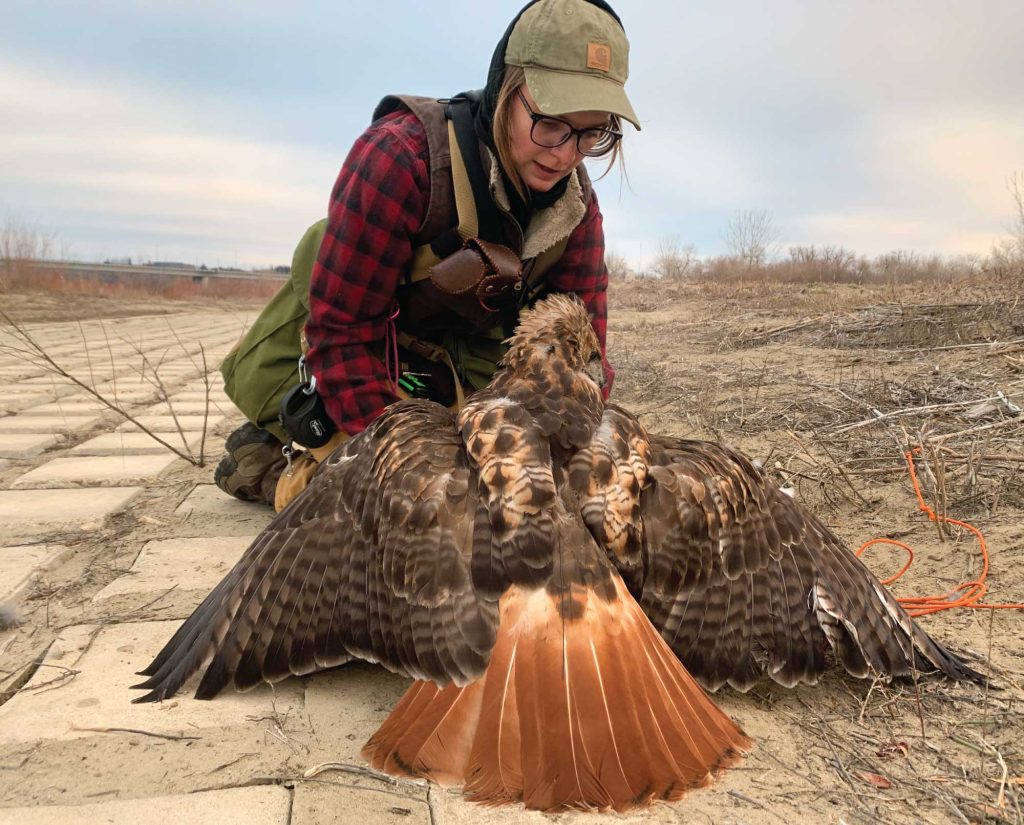
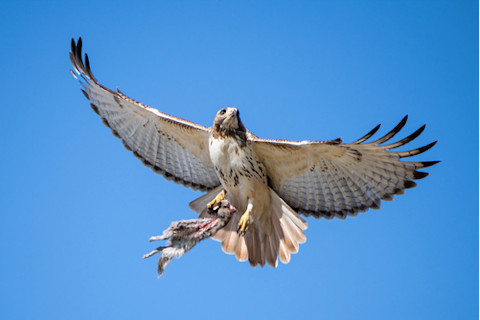
Hawks are a common choice for those new to keeping birds of prey. Species like the Red-tailed Hawk are admired for their adaptability and strong hunting instincts.
They can bond well with their handlers but need plenty of space to fly and exercise. Have you considered how much time you can dedicate daily to training and flying a hawk?
Falcons
Falcons are known for their speed and agility. The Peregrine Falcon is one of the most popular for falconry due to its impressive hunting skills.
These birds require expert handling and are less forgiving of mistakes than hawks. If you want a challenge and enjoy active training sessions, falcons might be the right fit for you.
Owls
Owls differ from other birds of prey in their nocturnal habits and silent flight. Species like the Barn Owl can be kept as pets but need a quiet environment and gentle handling.
Because they hunt at night, their care routine may not align with your daily schedule. Have you thought about how an owl’s unique behavior fits into your lifestyle?
Eagles
Eagles are powerful and majestic but are rarely kept as pets due to their size and legal restrictions. The Bald Eagle, for instance, requires extensive permits and specialized care.
They need large aviaries and experienced handlers. Are you prepared for the responsibility and legal challenges that come with owning an eagle?
Care Requirements
Caring for birds of prey as pets demands more than just affection; it requires dedication to their specific needs. These majestic creatures thrive when their environment, diet, and health care are carefully managed. Understanding these care requirements is essential to ensure your bird remains healthy and happy.
Housing And Space
Birds of prey need ample space to stretch their wings and exercise. A small cage is never enough; they require large aviaries or specially designed enclosures that mimic their natural habitat. Your setup should include perches at different heights and areas for shelter from weather.
Think about how often your bird will fly and hunt. Will you be able to provide a safe outdoor space or supervised flight time? These birds need mental stimulation and physical activity to prevent boredom and stress.
Diet And Feeding
Birds of prey are carnivores and need a diet rich in protein and nutrients. Fresh whole prey such as mice, rats, or quail is essential to their health. Supplement their diet with vitamins and minerals as advised by an avian vet.
Feeding isn’t just about nutrition; it’s also about replicating natural behaviors. Offering food in a way that encourages hunting instincts can keep your bird engaged and mentally sharp. Are you ready to handle the responsibility of sourcing and preparing live or frozen prey regularly?
Health And Veterinary Care
Regular check-ups with a veterinarian who specializes in raptors are critical. Birds of prey can hide signs of illness, so early detection is key. You should watch for changes in appetite, droppings, or behavior as potential red flags.
Preventive care includes parasite control, beak and claw maintenance, and vaccinations where applicable. Building a trusting relationship with your vet will help you provide the best care possible. How prepared are you to handle emergencies or long-term health issues?
Credit: www.discovermagazine.com
Training And Handling
Training and handling birds of prey require patience, consistency, and respect for their natural instincts. These birds are intelligent and powerful, so your approach must be both firm and gentle. Successful training not only improves your bird’s behavior but also strengthens the bond between you and your feathered companion.
Basic Training Techniques
Start with simple commands like “step up” and “stay.” Use positive reinforcement such as treats or praise to encourage desired behaviors. Keep training sessions short—around 10 to 15 minutes—to maintain your bird’s focus and prevent stress.
Consistency is key. Practice the same commands daily and avoid confusing your bird with too many instructions at once. Remember, every bird learns at its own pace, so patience is essential.
Safety Tips
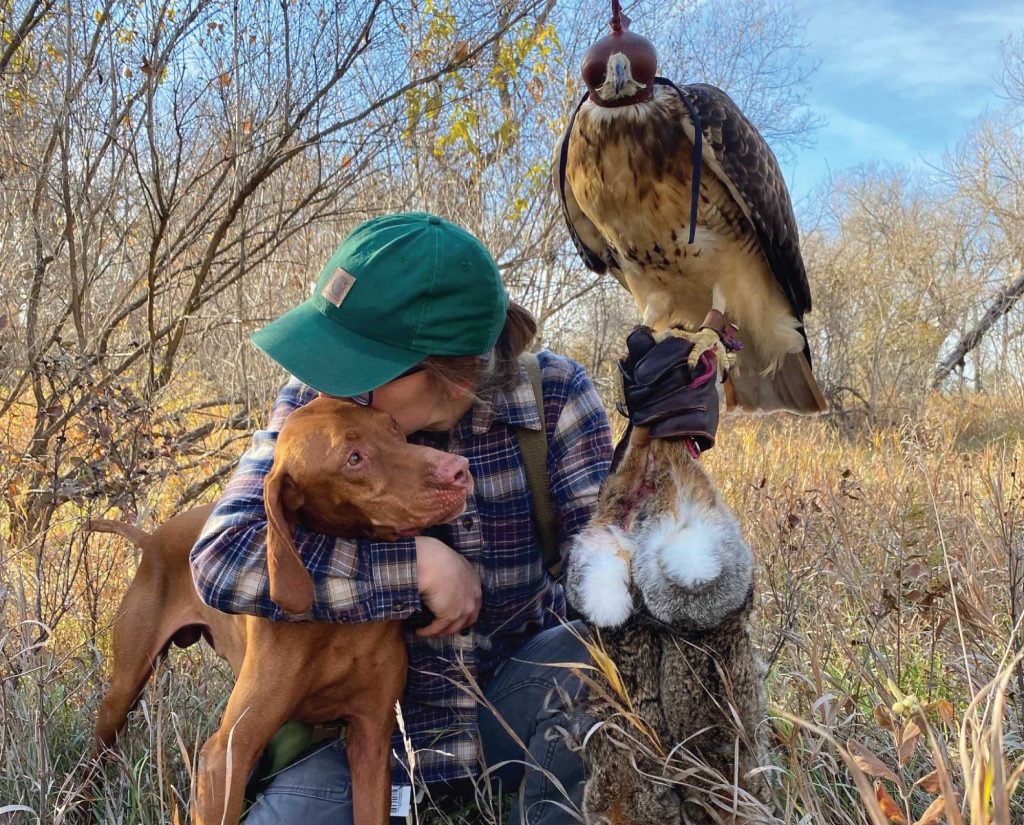
Always wear protective gloves and use a proper falconry hood when handling your bird. Birds of prey have sharp talons and beaks that can cause serious injury if they feel threatened. Make sure your training area is secure to prevent accidental escapes.
Never force your bird into a behavior. If it resists, take a break and try again later. Watch your bird’s body language closely; signs of stress or agitation mean you should stop immediately.
Building Trust With Your Bird
Trust forms the foundation of effective training. Spend quiet time near your bird without attempting to handle it. Let your bird observe you and get used to your presence.
Talk softly and move slowly to avoid startling your bird. Offer treats from your hand to create positive associations. Over time, your bird will see you as a safe partner rather than a threat.
Challenges Of Keeping Birds Of Prey
Keeping birds of prey as pets is a unique experience, but it comes with significant challenges that you need to consider carefully. These birds are not typical pets; they require specialized care and understanding. Before you decide to welcome one into your home, it’s important to weigh the difficulties involved.
Behavioral Issues
Birds of prey have strong instincts that can lead to challenging behaviors. They may become aggressive or territorial, especially during breeding season. Without proper training and socialization, these birds can develop habits like biting or excessive screaming.
Understanding their natural behaviors helps you manage expectations. For example, a hawk may suddenly dive or flap its wings vigorously, which can be alarming if you’re not prepared. Are you ready to handle a bird that may not always behave like a typical pet?
Time And Commitment
These birds demand a lot of your time daily. You will need to spend hours on training, feeding, and cleaning their living spaces. Unlike dogs or cats, birds of prey require ongoing mental stimulation to stay healthy and happy.
Think about whether your schedule allows for this level of commitment. I once knew a falconer who spent nearly two hours each day just working with his bird to maintain trust and discipline. Could you dedicate that much time consistently?
Cost Factors
Owning a bird of prey is expensive. The initial cost of acquiring a bird can be high, but the ongoing expenses are even more significant. You will need specialized food, veterinary care, equipment like perches and gloves, and a proper enclosure.
Unexpected costs can arise, such as medical emergencies or replacing worn-out gear. Have you budgeted for both the routine and surprise expenses that come with these majestic animals?
Credit: projectupland.com
Ethical Considerations
Keeping birds of prey as pets raises important ethical questions you should consider before making any decisions. These majestic creatures have complex needs and roles in the wild that don’t always translate to a home environment. Understanding the ethical side helps you respect the birds and support conservation efforts.
Wild Vs. Captive-bred Birds
Choosing between wild-caught and captive-bred birds is a crucial ethical point. Wild birds face trauma when taken from their natural habitat, often leading to long-term health and behavioral problems.
Captive-bred birds, on the other hand, are raised in controlled environments where their needs are more closely monitored. This reduces the stress and injury risk associated with capture.
Ask yourself: does your choice support humane treatment and sustainability? Opting for captive-bred birds helps reduce pressure on wild populations and encourages responsible breeding practices.
Impact On Wildlife Conservation
Owning a bird of prey can indirectly affect conservation efforts around the world. Removing birds from the wild can disrupt local ecosystems and reduce biodiversity.
Supporting breeders who work with conservation in mind can help maintain healthy populations. Some programs even release captive-bred birds back into the wild to boost numbers.
Consider your role as a pet owner: can you contribute positively to conservation? Educate yourself about the species and support organizations dedicated to protecting these incredible birds.
Frequently Asked Questions
What Birds Of Prey Can Be Kept As Pets Legally?
Legal pet birds of prey vary by region but often include falcons, hawks, and owls. You must check local laws and obtain permits before keeping them as pets.
Are Birds Of Prey Good Pets For Beginners?
Birds of prey require expert care and training, making them unsuitable for beginners. They need specialized diets, space, and handling experience.
What Are The Care Requirements For Pet Birds Of Prey?
Pet birds of prey need large enclosures, fresh food, regular exercise, and veterinary care. They also require mental stimulation and socialization.
Can You Train Birds Of Prey To Hunt?
Yes, trained falcons and hawks can hunt with their owners. This practice, called falconry, requires skill, permits, and ethical considerations.
Conclusion
Choosing a bird of prey as a pet requires careful thought. These majestic creatures need special care and understanding. Make sure you research thoroughly before deciding. Consider the bird’s needs and your ability to meet them. Bonding with these birds can be truly rewarding.
But it demands time and patience. Explore local laws and regulations about owning such birds. It’s important for their well-being and yours. Remember, a happy bird means a happy owner. Enjoy the journey with your feathered friend. Be prepared for a unique and enriching experience.
Appreciate their beauty and intelligence daily.