
Have you ever wondered why protecting birds matters so much? Bird conservation is more than just saving pretty creatures—it’s about keeping our environment healthy and balanced.
When you understand what bird conservation really means, you’ll see how your actions can make a difference. This article will show you why birds need your help and how you can play a part in protecting them for the future.
Keep reading to discover the simple steps you can take to support bird conservation today.
Bird Conservation Basics
Understanding the basics of bird conservation helps you see why protecting birds matters beyond just their beauty. Birds play vital roles in maintaining healthy ecosystems and balancing nature. Let’s break down what bird conservation really involves, so you can grasp its importance and challenges.
Key Goals
Bird conservation focuses on:
- Protecting bird habitats from destruction and pollution
- Maintaining healthy bird populations and preventing extinction
- Raising awareness about the role birds play in the environment
- Supporting scientific research to better understand bird needs
These goals guide conservation efforts worldwide, helping you see where your actions can make a difference.
Importance For Ecosystems
Birds contribute to ecosystems in ways you might not expect. They control insect populations, which helps farmers protect crops without chemicals. Birds also pollinate plants and spread seeds, supporting forest growth and biodiversity.
When birds disappear, ecosystems lose balance. Have you ever noticed fewer butterflies or more pests in your garden? That could be a sign of declining bird populations.
Threats Facing Birds
Birds face many dangers today, many caused by human activity. Habitat loss due to urban expansion or deforestation is a major threat. Pollution, especially pesticides and plastics, harms birds directly and through their food chain.
Climate change shifts migration patterns and breeding seasons, creating new challenges. Even household windows cause millions of bird deaths annually. Knowing these threats helps you understand where efforts must focus.
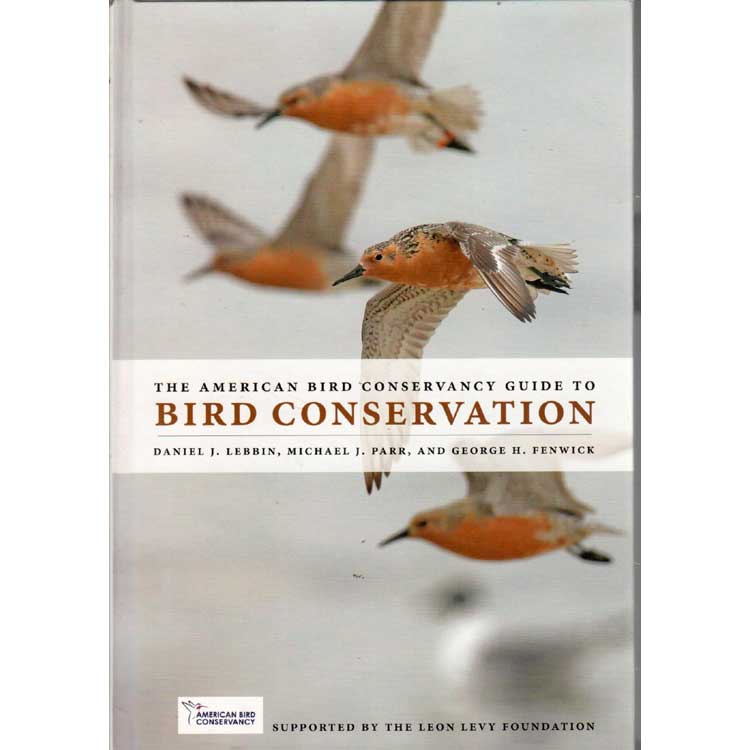
Credit: buteobooks.com
Major Bird Habitats
Bird conservation protects key habitats like forests, wetlands, and grasslands where birds live and breed. Preserving these areas helps maintain bird populations and supports their survival. Protecting habitats ensures birds have safe places for food, shelter, and raising young.
Major Bird Habitats are crucial for the survival of diverse bird species. These habitats provide food, shelter, and breeding grounds for birds. Understanding these environments helps in conserving our feathered friends.Forests And Woodlands
Forests and woodlands are vital bird habitats. They offer dense vegetation for nesting and protection. Birds like woodpeckers and owls thrive here. These areas support a wide range of bird species. They find insects and fruits to eat. Tall trees provide vantage points for observing prey and predators. Forests also act as migration stopovers for many birds.Wetlands And Marshes
Wetlands and marshes are rich in bird life. They offer abundant food sources like fish and insects. Birds such as herons and ducks are common in these areas. These habitats also serve as breeding grounds for many species. The water provides safety from predators. Wetlands are crucial for bird migration paths. They offer rest and nourishment during long journeys.Grasslands And Deserts
Grasslands and deserts host unique bird species. These areas are home to birds like larks and eagles. Open spaces allow for easy spotting of prey. Birds in deserts adapt to scarce water and extreme temperatures. Grasslands provide seeds and insects for sustenance. Birds use grasses for nesting materials. These habitats are essential for maintaining bird diversity.Common Threats To Birds
Birds face many dangers in today’s world. These threats reduce their numbers and harm their habitats. Understanding these risks helps protect bird species and keep ecosystems balanced.
Habitat Loss
Birds need safe places to live, feed, and breed. Trees, wetlands, and grasslands provide these spaces. Human activities like farming, logging, and building cities destroy these habitats. Without homes, birds struggle to survive and reproduce.
Pollution And Climate Change
Pollution harms birds directly and indirectly. Chemicals in water and soil poison their food and habitats. Plastic waste can trap or kill birds. Climate change shifts weather patterns, affecting migration and food availability. Birds must adapt quickly or face decline.
Hunting And Poaching
Some birds are hunted for food, feathers, or pets. Illegal poaching reduces wild populations fast. Hunting disrupts breeding and nesting cycles. Many species suffer due to human greed and lack of protection laws.
Invasive Species
Non-native animals and plants can harm birds. Invasive predators eat eggs and chicks. Invasive plants replace native food sources. These changes upset the natural balance and make survival harder for native birds.

Credit: www.youtube.com
Conservation Strategies
Conservation strategies are essential to protect birds and ensure their survival for future generations. These strategies focus on protecting bird habitats, enforcing laws, restoring damaged environments, and involving local communities. Each approach plays a unique role in maintaining healthy bird populations and biodiversity.
Protected Areas And Reserves
Creating protected areas and reserves is one of the most effective ways to conserve bird species. These zones provide safe spaces where birds can breed, feed, and live without human disturbances. Have you ever visited a bird sanctuary? Experiencing these areas firsthand shows how crucial they are for species survival.
Protected areas also serve as research sites, helping scientists monitor bird populations and understand their needs better. You can support these efforts by visiting reserves and respecting their rules.
Habitat Restoration
Many bird species suffer when their natural habitats are damaged or destroyed. Habitat restoration focuses on repairing these areas by planting native trees, removing invasive species, and cleaning polluted waters. You might be surprised how quickly birds return once their environment improves.
Restoration projects often involve volunteers and local groups, making it a practical way for you to contribute. Have you considered joining a habitat restoration effort near you? Your hands-on involvement can make a real difference.
Legislation And Policies
Strong laws and policies protect birds from hunting, trade, and habitat destruction. Governments create regulations that restrict harmful activities and promote conservation. But how well do these laws work without your awareness and support?
Understanding these policies helps you advocate for better protection measures. Supporting organizations that push for stricter bird conservation laws can amplify your impact.
Community Involvement
Local communities play a vital role in bird conservation. When people understand the importance of birds, they tend to protect them and their habitats naturally. Have you noticed how community-led projects often succeed because they align with local needs and values?
Getting involved in birdwatching groups or educational programs can increase your awareness and inspire others. Your participation helps build a network of conservation advocates who can influence change on the ground.
Role Of Technology In Bird Protection
Technology plays a big role in protecting birds. It helps scientists watch birds closely and learn about their habits. This knowledge helps protect bird species and their homes. Technology also helps people understand why birds need care.
Tracking And Monitoring
Tiny GPS devices attach to birds to track their movements. Scientists see where birds fly and rest. This helps find important places for birds. Cameras and drones watch birds without disturbing them. These tools show how birds behave in nature.
Data Collection Tools
Smart tools collect data about bird populations and health. Mobile apps let people report bird sightings easily. This information helps create maps of bird areas. Sensors measure weather and habitat changes. All this data helps protect bird environments better.
Awareness And Education
Technology shares bird stories with many people. Websites and videos teach about bird protection. Social media spreads messages about bird safety. Online courses help communities learn how to help birds. Technology makes bird conservation a shared effort.
How To Support Bird Conservation
Supporting bird conservation helps protect bird species and their habitats. It also improves biodiversity and keeps ecosystems healthy. Anyone can join efforts to save birds. Small actions can make a big difference. Here are simple ways to support bird conservation.
Citizen Science Projects
Citizen science projects let you help scientists by sharing bird data. You can record bird sightings and behaviors. This information helps track bird populations and migration patterns. Join popular projects like bird counts or birdwatching apps. Your observations contribute to important research and conservation plans.
Creating Bird-friendly Spaces
Birds need safe places to live and find food. Plant native trees and shrubs in your yard or community. Provide fresh water with birdbaths or small ponds. Avoid using harmful pesticides that can poison birds. Use bird feeders to offer seeds and nuts. These steps create welcoming homes for birds near you.
Supporting Conservation Organizations
Many groups work to protect birds and their habitats. Supporting these organizations helps fund projects and research. You can donate money or supplies to trusted bird conservation groups. Volunteering your time also makes a difference. Sharing their work on social media raises awareness and encourages others to help.
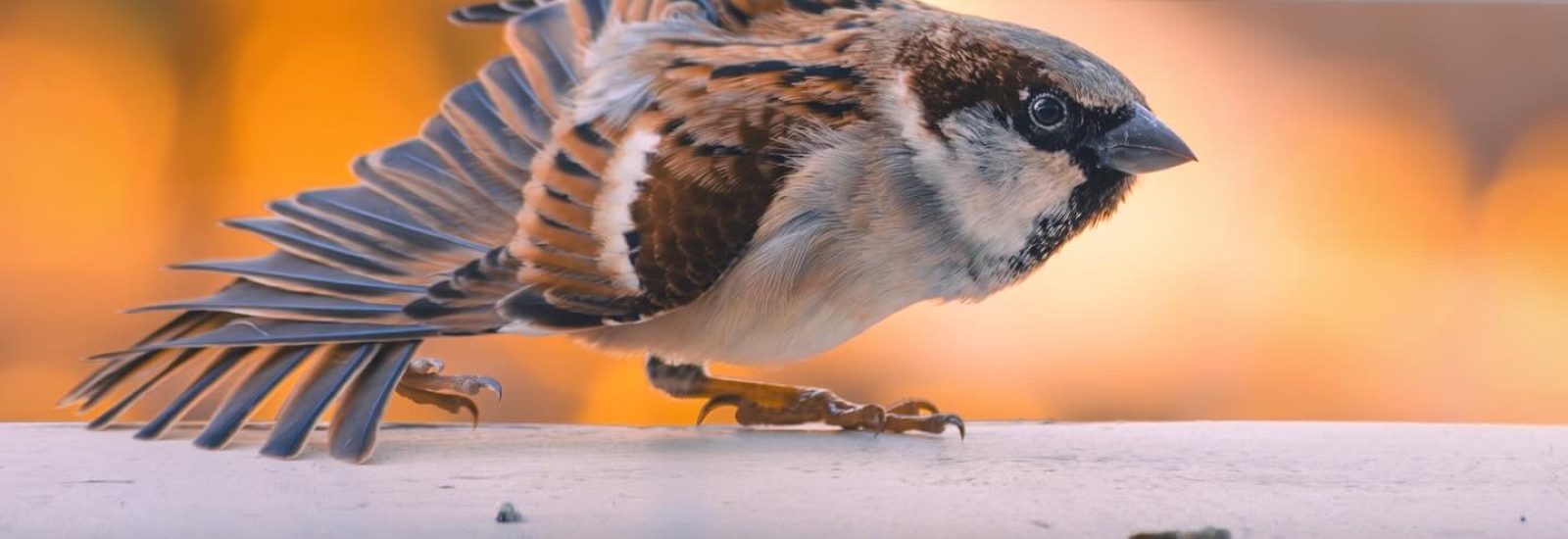
Credit: securenature.org
Frequently Asked Questions
What Is The Purpose Of Bird Conservation?
Bird conservation aims to protect bird species and their habitats. It helps maintain biodiversity and ecosystem balance. Conservation efforts prevent bird extinction and promote sustainable environments for future generations.
Why Are Birds Important For Ecosystems?
Birds control pests, pollinate plants, and disperse seeds. They contribute to ecosystem health and biodiversity. Protecting birds ensures the survival of many other species and natural processes.
How Can Individuals Support Bird Conservation?
Individuals can support bird conservation by creating bird-friendly habitats, reducing pesticide use, and supporting conservation groups. Educating others and participating in bird monitoring programs also help protect bird populations.
What Are Common Threats To Bird Populations?
Birds face threats like habitat loss, climate change, pollution, and hunting. These factors reduce their numbers and disrupt ecosystems. Conservation efforts focus on mitigating these threats to save birds.
Conclusion
Bird conservation helps protect birds and their homes. It keeps nature healthy and balanced. People can help by saving habitats and avoiding pollution. Small actions make a big difference for birds. Everyone benefits from a world full of birds. Protecting birds means protecting our future too.
Let’s care for birds every day. Together, we can make their world safer and brighter.