

Choosing the best bird for a family pet can feel overwhelming. You want a companion that fits smoothly into your home, brings joy to everyone, and is easy to care for.
Imagine a bird that not only brightens your day with its colors and songs but also bonds with your kids and adults alike. If you’re wondering which feathered friend is the perfect match for your family, you’re in the right place.
Keep reading to discover the top family-friendly birds and how to find the one that suits your lifestyle perfectly.
:strip_icc()/parakeet-budgie-budgerigar-952787256-5b52a7d046e0fb0037bec8a7.jpg)
Credit: www.thesprucepets.com
Choosing A Bird For Your Family
Choosing a bird for your family means thinking about many important things. Birds can be lively, smart, and loving pets. Each type of bird has its own needs and personality. Picking the right one helps your family enjoy many happy years together.
Consider how much time your family has for the bird. Some birds need more attention than others. Think about the space you have at home too. A small apartment may suit smaller birds better. Knowing your family’s schedule and home size guides you to the best choice.
Understanding Bird Sizes And Space Needs
Birds come in many sizes. Small birds like budgies need less space and smaller cages. Large birds such as cockatoos require big cages and room to fly. Space affects the bird’s health and happiness. Choose a bird that fits your home size.
Assessing Family Members’ Ages And Allergies
Young children need gentle birds that are easy to handle. Some birds can bite or be noisy, which may scare kids. Check if anyone in your family has allergies to feathers. Birds with less dust or dander can be better for sensitive people.
Considering Bird Lifespan And Commitment
Birds can live for many years. Some small birds live 10 years, while big parrots can live 50 years or more. Think about your family’s long-term plans. A bird is a long-term friend and needs ongoing care and love.
Evaluating Noise Levels And Temperament
Birds make different sounds. Some are quiet and calm, while others are loud and active. Noise can affect your home environment and neighbors. Choose a bird whose temperament fits your family’s lifestyle and noise tolerance.
Checking Daily Care And Feeding Needs
Birds need fresh food, clean water, and regular cage cleaning. Some birds eat simple seeds, others require fresh fruits and vegetables. Daily care time varies by bird type. Pick a bird that matches your family’s ability to care for it every day.
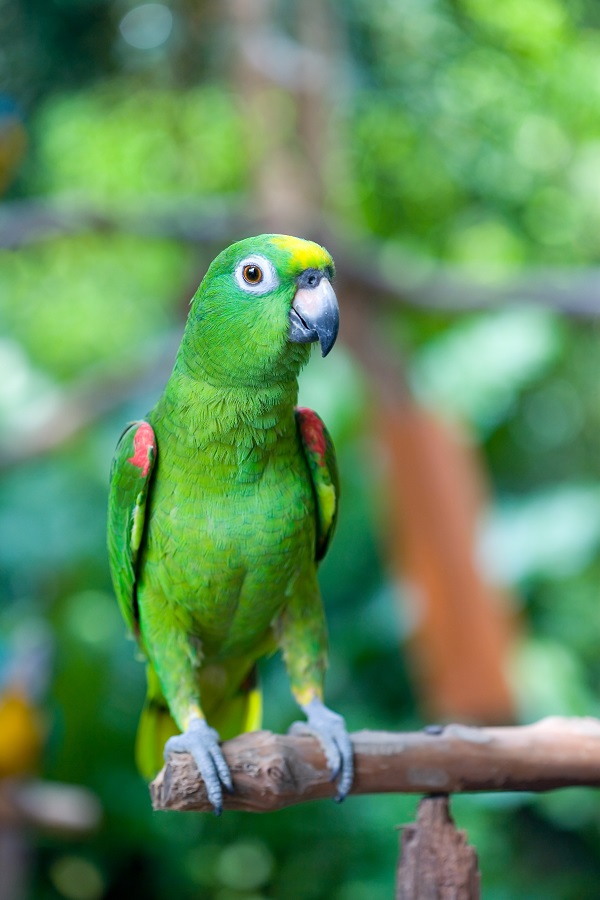
Credit: www.northernparrots.com
Factors To Consider
Choosing the best bird for your family pet involves more than just picking a pretty feathered friend. You need to think about your home, your lifestyle, and what you can realistically provide. Different birds have very different needs, so understanding these factors will help you find a perfect match that fits smoothly into your family life.
Size And Space Requirements
Birds come in all sizes, from tiny finches to large parrots. The size of the bird affects how much space it needs to stay happy and healthy.
Think about the space you have at home. Can you dedicate a quiet corner for a cage that’s big enough for the bird to move around comfortably? Larger birds like macaws need much more room than smaller species such as budgerigars.
Remember, cramped spaces can lead to stress and health problems in birds. How much room can you realistically provide for your new pet?
Noise Levels
Birds are known for their vocal abilities, but some are louder than others. Depending on your tolerance for noise, this can be a crucial factor.
Parrots can be very loud and vocal, especially during certain times of the day. Smaller birds like canaries or finches tend to be quieter and may be better suited if you live in an apartment or have noise-sensitive family members.
Ask yourself: How much noise can your household handle without it becoming a stress point for everyone?
Lifespan
Birds can live for a surprisingly long time, sometimes outliving other common pets like hamsters or even dogs. This means choosing a bird is a long-term commitment.
Smaller birds often live around 5-10 years, while larger parrots can live 50 years or more. Knowing this helps you prepare for the responsibility and plan your family’s future care for the pet.
Are you ready to care for a bird through all those years, or would a shorter-lived species be a better fit for your current lifestyle?
Care And Maintenance
Every bird species requires different levels of care, from diet to social interaction. Some birds need daily attention, while others are more independent.
For example, cockatiels need regular socializing and mental stimulation, while finches are happier in small groups and require less direct interaction. Understanding these needs will help you avoid frustration and ensure your bird thrives.
Think about how much time you can realistically dedicate to feeding, cleaning, and playing with your bird every day. Is your family ready to share those responsibilities?
Top Friendly Bird Species
Choosing a friendly bird species is key for a happy family pet. Birds that bond well with people make great companions. They enjoy interaction and adapt easily to home life. This section highlights some of the top friendly bird species.
Budgerigars (budgies)
Budgies are small, colorful, and very social birds. They love to chirp and mimic sounds. Budgies enjoy human company and can learn simple tricks. Their playful nature makes them a favorite in many households.
Cockatiels
Cockatiels are gentle and affectionate birds. They often whistle tunes and can learn to talk. Their soft crest and sweet personality attract many families. Cockatiels enjoy being petted and sitting on shoulders.
Lovebirds
Lovebirds are lively and bond closely with their owners. They show affection through gentle nibbles and cuddles. These birds are small but full of energy. Lovebirds thrive on attention and social time.
Parrotlets
Parrotlets are tiny parrots with big personalities. They are curious and enjoy exploring their surroundings. These birds form strong bonds with their humans. Parrotlets can learn words and enjoy playtime.
Canaries
Canaries are known for their beautiful singing voices. They are more independent but still enjoy gentle handling. Canaries add color and melody to any home. Their calm nature suits quieter family settings.
Birds Suitable For Children
Choosing the right bird for children can shape their experience with pets in a positive way. Birds suitable for kids often have friendly personalities and require care that matches a child’s attention span and abilities. Picking a bird that fits well with your family’s lifestyle can create lasting joy and learning.
Gentle Temperament
Birds with a gentle temperament are easier for children to handle and bond with. Budgerigars (budgies) and cockatiels are great examples because they tend to be calm and friendly. Their mild nature means fewer chances of biting or aggressive behavior, which helps kids feel safe and confident.
Have you noticed how some birds seem to understand your mood? That gentle response makes them perfect companions for kids still learning how to interact with animals. It also teaches patience and kindness naturally.
Ease Of Handling
Handling a bird should be simple enough for children to manage without frustration or risk. Parakeets are lightweight and small, making them easy to hold and care for. Their size and behavior mean kids can learn proper pet care without feeling overwhelmed.
Think about how much easier it is for your child to participate in feeding, cleaning, and playing with a bird that doesn’t require complicated routines. This hands-on involvement builds responsibility and a deeper connection with the pet.
Benefits Of Having A Pet Bird
Having a pet bird brings many benefits to a family. Birds are lively and can brighten any home. They offer unique companionship that differs from other pets. Their care teaches responsibility and patience. Families enjoy watching their birds learn new sounds and tricks. Birds also add color and sound to daily life.
Interactive Companionship
Birds are social creatures. They enjoy interacting with their owners. Many birds can learn to mimic sounds and words. This makes conversations fun and engaging. They respond to attention with chirps and movements. Playing with a bird can reduce stress and loneliness. Birds often form strong bonds with family members.
Educational Opportunities
Caring for a bird teaches important life skills. Children learn about animal needs and habits. Birds show how living creatures depend on care and respect. Watching a bird’s behavior can spark curiosity about nature. Families can explore topics like biology and ecology together. Learning to train a bird enhances patience and focus. Birds inspire responsibility in young and old alike.
Preparing Your Home For A Pet Bird
Preparing your home for a pet bird creates a safe, happy place for your new family member. Birds need space, comfort, and mental stimulation to thrive. Taking time to set up the right environment helps your bird adjust quickly. It also keeps your family and pet safe and healthy.
Setting Up A Cage
Choose a cage large enough for your bird to move freely. It should have horizontal bars for climbing and a secure door. Place the cage away from direct sunlight and drafts. Keep it at eye level to help your bird feel part of the family.
- Use easy-to-clean materials like stainless steel or powder-coated metal
- Include perches of different sizes and textures to protect feet
- Provide food and water dishes that attach securely to the cage
- Line the bottom with bird-safe paper for easy cleaning
Providing Enrichment
Birds are intelligent and need mental challenges. Toys help prevent boredom and encourage natural behaviors. Rotate toys regularly to keep your bird curious and active. Include swings, mirrors, and chew toys made from safe materials.
- Offer fresh branches or leaves for foraging
- Play soft music or talk softly to engage your bird
- Set up a play area outside the cage for supervised exercise
- Use puzzle feeders to stimulate problem-solving skills
Common Challenges Of Bird Ownership
Owning a bird as a family pet can bring joy and companionship, but it also comes with its unique challenges. Understanding these difficulties before bringing a bird home will help you prepare better and ensure a happy environment for both your family and the bird. Let’s look at some common challenges you might face with bird ownership.
Health Concerns
Birds are delicate creatures with specific health needs. They can easily fall ill if their diet isn’t balanced or if their cage isn’t kept clean.
Many birds suffer from respiratory problems caused by poor ventilation or exposure to smoke and strong odors. You might notice symptoms like sneezing, wheezing, or nasal discharge, which require prompt veterinary care.
Parasites and infections are also common. Regular check-ups and maintaining hygiene can prevent many of these issues. Have you thought about how you will keep your bird’s living space clean and safe?
Behavioral Issues
Birds are intelligent and social animals, but they can develop problematic behaviors if their needs are not met.
Noise is a big concern for families. Some birds can be loud and vocal, especially early in the morning or late at night. This might disrupt your household’s routine or cause stress.
Another challenge is biting or aggressive behavior. Birds may bite when scared or frustrated, which can be surprising if you’re not prepared. Consistent training and social interaction help reduce these behaviors, but it takes patience.
Destructive chewing is common too. Birds love to explore with their beaks, and they may damage furniture or household items if not given appropriate toys.
Have you considered how much time you can dedicate to training and interacting with your bird each day?
:strip_icc()/sun-parakeets-135559243-5b53f406c9e77c0037e36d6b.jpg)
Credit: www.thesprucepets.com
Frequently Asked Questions
What Bird Species Are Best For Family Pets?
Budgerigars, cockatiels, and lovebirds are ideal family pets. They are friendly, social, and easy to care for. These birds adapt well to indoor environments and interact positively with children, making them perfect companions.
How Do I Choose A Family-friendly Pet Bird?
Consider temperament, size, noise level, and care needs. Smaller, gentle birds like parakeets are great for kids. Research the bird’s diet and lifespan to ensure a good fit for your family’s lifestyle.
Are Certain Birds Better For Families With Young Children?
Yes, birds like cockatiels and budgies are gentle and patient. They tolerate handling and enjoy social interaction. Avoid aggressive or very large species, as they may stress or harm young children.
What Are Common Care Requirements For Family Pet Birds?
Provide a balanced diet, fresh water, and a clean cage. Regular social interaction and mental stimulation are vital. Routine vet check-ups ensure your bird stays healthy and happy.
Conclusion
Choosing the best bird for a family pet depends on your needs. Some birds are friendly and easy to care for. Others need more attention and space. Think about your time and home size. Small birds like budgies suit busy families well.
Larger birds need more care but can be very loving. Remember, every bird has its own personality. Take time to learn about them before deciding. A happy bird makes a happy family. Enjoy the journey of finding your perfect feathered friend.