
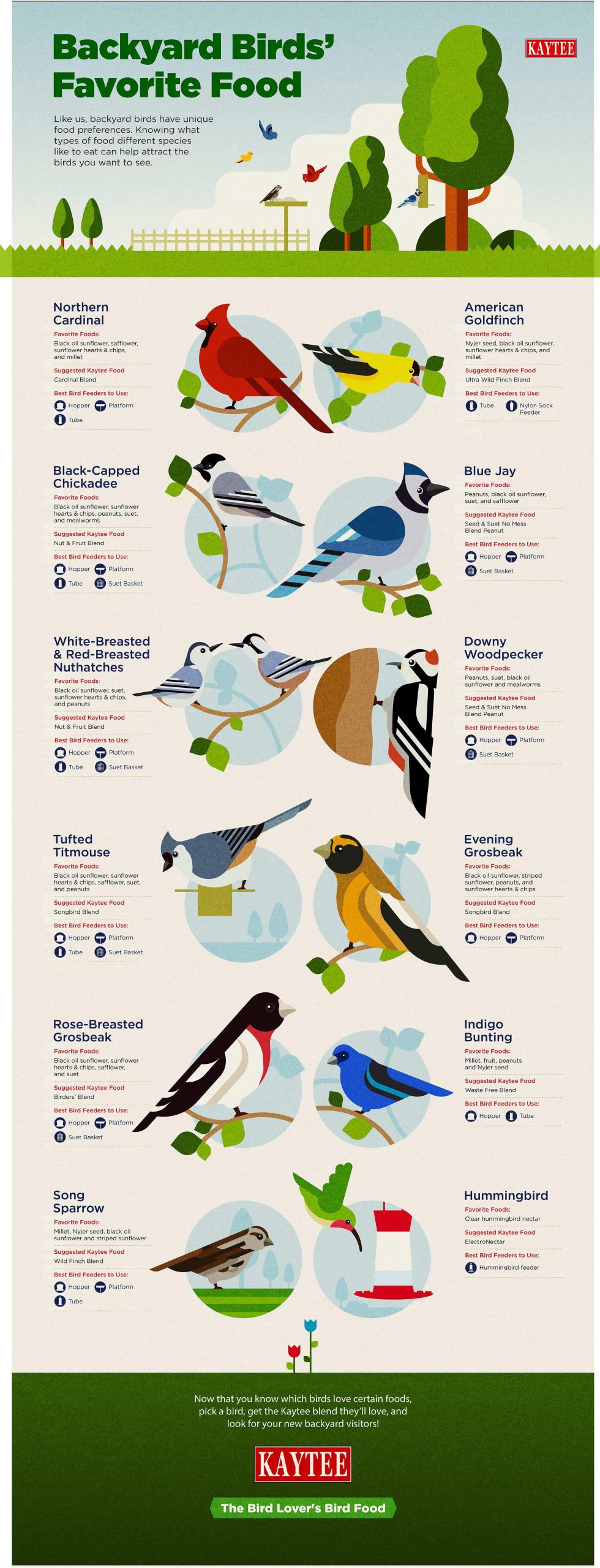
Have you ever wondered why some birds visit your feeder while others stay away? The secret lies in the kind of bird feed you choose.
Different birds are attracted to different types of seeds and treats. If you want to fill your yard with colorful songbirds, you need to know exactly what to offer. You’ll discover which bird feed attracts which birds, making it easier for you to create a lively and beautiful backyard full of feathered friends.
Keep reading to learn how to turn your outdoor space into a bird lover’s paradise!

Credit: www.allaboutbirds.org
Popular Bird Feed Types
Bird feed comes in many types, each attracting different birds. Knowing popular bird feed types helps attract a variety of species to your garden. Different birds prefer different food based on their diet and size. Offering a mix can bring more birds to your feeders.
Seeds And Grains
Seeds are a favorite for many common garden birds. Black oil sunflower seeds attract finches, chickadees, and cardinals. Millet is ideal for ground-feeding birds like sparrows and doves. Nyjer seeds bring in small finches such as goldfinches. Mixed seed blends provide a range of options for many species.
Nuts And Fruits
Nuts like peanuts attract woodpeckers, jays, and nuthatches. Offer them unsalted and shelled for safety. Fruits such as berries and raisins attract orioles, thrushes, and waxwings. Fresh and dried fruits work well in feeders or on platforms. These food types add variety and appeal to fruit-eating birds.
Suet And Fat Blocks
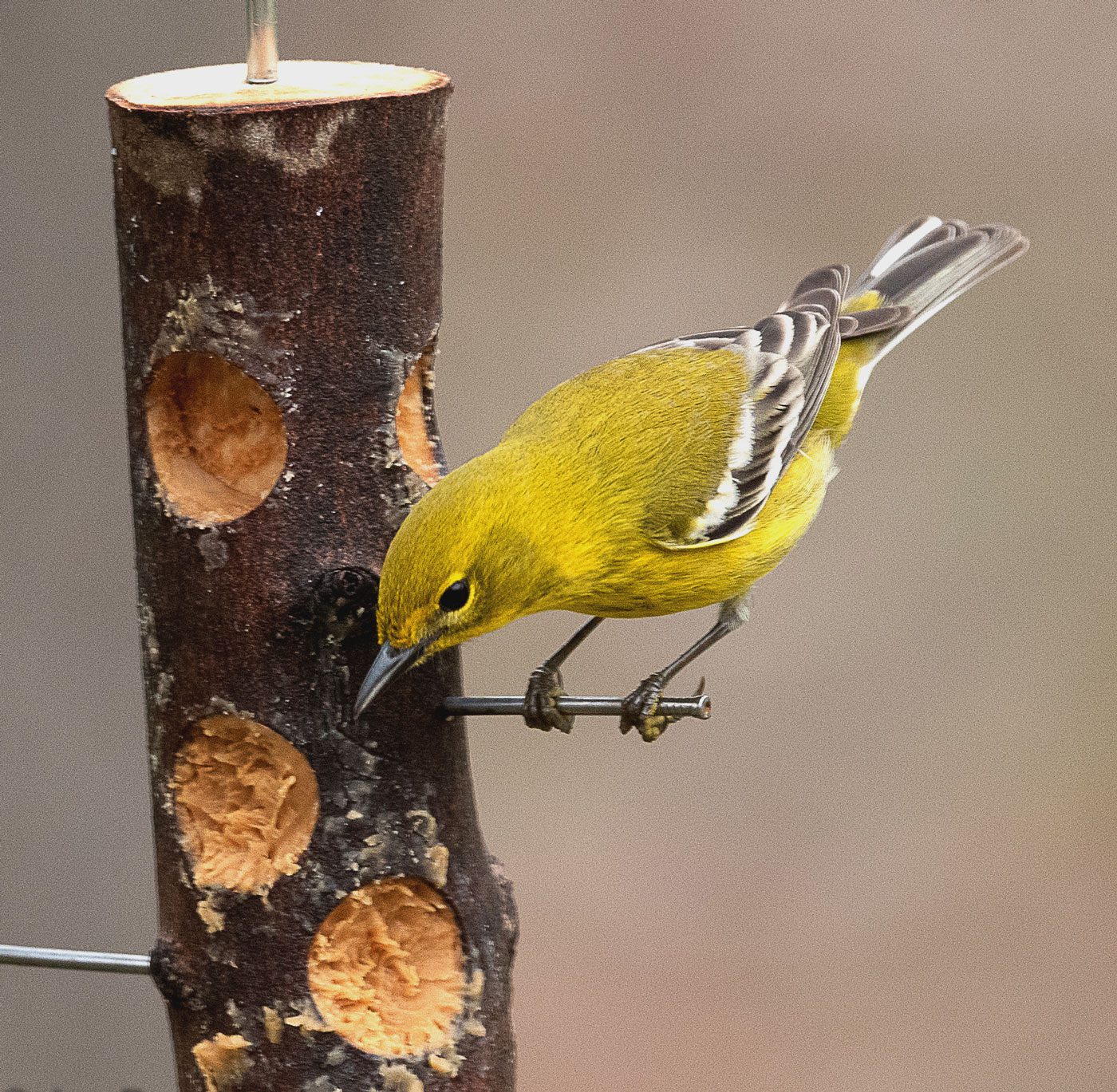
Suet is a high-energy food loved by woodpeckers, chickadees, and nuthatches. Fat blocks often contain seeds and insects, perfect for cold months. Place suet feeders near trees for easy access. These feeds help birds stay warm and active in winter. They are especially good for insect-eating species.
Nectar And Sugar Water
Nectar and sugar water attract hummingbirds and orioles. Use a simple mix of four parts water to one part sugar. Avoid using honey or artificial sweeteners. Change the solution every few days to prevent mold. Bright red feeders help draw these colorful birds to your yard.
Bird Species And Their Favorite Feeds
Different bird species prefer different types of food. Knowing their favorites helps attract them easily. Each bird has unique tastes that suit its diet and feeding habits.
Providing the right feed keeps birds healthy and encourages them to visit often. Offering a variety of foods supports a wider range of birds in your garden or backyard.
Finches And Seed Mixes
Finches love small seeds. They prefer mixes containing:
- Nyjer (thistle) seeds
- Canary seed
- Sunflower chips
These seeds are easy for finches to eat. They gather in flocks and enjoy feeders with fine seeds.
Woodpeckers And Suet
Woodpeckers eat insects and nuts. Suet is a perfect choice for them. It offers:
- High energy from fat
- Embedded seeds and nuts
- Easy access on suet feeders
Suet attracts woodpeckers especially in cold weather when insects are scarce.
Hummingbirds And Nectar
Hummingbirds feed on flower nectar. Offer a simple sugar-water mix with:
- Four parts water
- One part white sugar
This mixture mimics natural nectar. Avoid red dye; use red feeders to attract them.
Sparrows And Millet
Sparrows enjoy small, round seeds like millet. White proso millet is a favorite. It:
- Is easy to eat
- Attracts ground-feeding sparrows
- Works well in mixed seed blends
Scatter millet on the ground or in platform feeders.
Cardinals And Sunflower Seeds
Cardinals prefer large seeds with high fat content. Black oil sunflower seeds are ideal. These seeds:
- Are easy to crack
- Provide energy for bright plumage
- Attract cardinals to tube or hopper feeders
Orioles And Fruit
Orioles enjoy sweet, juicy fruits. Fresh orange halves and grapes work well. They also like:
- Grape jelly
- Chopped apples
- Ripe berries
Offer fruit on special oriole feeders or platform feeders.
Seasonal Feeding Tips
Birds need different foods across seasons to stay healthy and active. Changing feed helps attract various species and supports their natural cycles. Seasonal feeding benefits birds by providing energy, aiding breeding, and preparing for migration.
Winter Feed Choices
Winter is tough for birds. Offer high-fat seeds like sunflower and peanuts. Suet cakes provide extra energy and warmth. Keep feeders clean and filled to help birds survive cold days.
Spring And Breeding Season
Spring brings nesting and raising young. Soft seeds like millet and nyjer attract finches and sparrows. Mealworms and live insects provide protein for growing chicks. Fresh water is vital for birds during this time.
Summer Feeding Strategies
Summer birds need hydration and light foods. Offer fruits, berries, and nectar for hummingbirds. Keep feeders shaded and water fresh to prevent spoilage. Birds also enjoy seeds but in smaller amounts than in winter.
Fall Preparation
Fall is a time to build energy for migration. Provide oily seeds such as safflower and black oil sunflower. Add dried fruits and nuts to boost calories. Gradually reduce feeding to encourage natural foraging before winter.
Choosing Feeders To Match Feed
Choosing the right feeder for the feed helps attract the right birds. Different birds prefer different types of food. Feeders must hold and present the feed properly. The feeder design influences which birds visit your garden. Matching feed and feeder type creates a better feeding experience.
Tube Feeders
Tube feeders are long and narrow. They hold small seeds like sunflower or millet. Small birds such as finches, chickadees, and nuthatches love tube feeders. These feeders usually have multiple feeding ports. This design lets many birds feed at once. Tube feeders keep seeds dry and clean.
Platform Feeders
Platform feeders are flat and open. They hold large seeds, nuts, and fruits. Many birds like cardinals, jays, and doves visit platform feeders. These feeders also attract ground-feeding birds. Platform feeders offer space for bigger birds. They need regular cleaning to avoid mold and pests.
Hopper Feeders
Hopper feeders store a large amount of seed. They release seeds slowly as birds eat. These feeders attract a wide range of birds, including sparrows, grosbeaks, and woodpeckers. Hopper feeders protect feed from rain and wind. Their covered design keeps seeds fresh longer.
Nectar Feeders
Nectar feeders are specially designed for hummingbirds and orioles. They hold sugary liquid nectar. Bright colors attract these birds to the feeder. Nectar feeders need frequent cleaning to prevent mold. They usually have small feeding ports for long beaks. These feeders help support nectar-loving birds year-round.
Avoiding Common Feeding Mistakes
Feeding birds can be a joyful hobby that invites nature closer to your home. Avoiding common feeding mistakes helps keep birds healthy and visiting often. Small errors can cause food to spoil, attract pests, or harm birds. Careful feeding ensures a safe, clean environment for your feathered friends.
Preventing Mold And Spoilage
Moldy or spoiled food can make birds sick. Keep seed dry by using feeders with good covers. Remove wet or clumped seed quickly. Check food daily, especially after rain or snow. Use fresh seed and avoid old leftovers. Store seed in a cool, dry place.
Keeping Feeders Clean
Dirty feeders spread diseases among birds. Clean feeders every two weeks with warm water and mild soap. Rinse well to remove soap residue. Let feeders dry before refilling. Scrub all feeder parts, including perches and trays. Avoid bleach; it can harm birds.
Avoiding Pests And Predators
Unwanted pests and predators scare birds away. Use squirrel-proof feeders or baffles to stop squirrels. Avoid dropping seed on the ground to limit rodents. Place feeders away from places where cats can hide. Clean spilled seed to prevent attracting rats or raccoons. Keep feeders in open areas for bird safety.

Credit: www.allaboutbirds.org
Creating A Bird-friendly Feeding Area
Creating a bird-friendly feeding area invites more birds to your yard. It supports their health and safety. Thoughtful setup makes birds feel comfortable and eager to visit. Simple steps improve the feeding experience for both birds and watchers.
Placement And Safety
Place feeders in quiet spots away from busy areas. Avoid places near windows to prevent bird collisions. Keep feeders high enough to deter cats and other predators. Clear the ground below to reduce hiding spots for danger. Choose locations with some cover, like bushes or trees. This gives birds quick escape routes.
Providing Water Sources
Water attracts birds for drinking and bathing. Use shallow birdbaths or small dishes for water. Change water daily to keep it clean and fresh. Add stones or twigs so birds can perch safely. Position water sources near feeders but not too close. This keeps the area tidy and inviting.
Incorporating Native Plants
Native plants provide natural food and shelter. They support local insects, a key food source for many birds. Plant shrubs and flowers that bloom in different seasons. This offers food year-round. Use plants that produce seeds, berries, and nectar. Native greenery also creates a safe, familiar space for birds to rest.
Credit: www.allaboutbirds.org
Frequently Asked Questions
What Bird Feed Attracts The Most Backyard Birds?
Black oil sunflower seeds attract the widest variety of birds. They are high in fat and easy to crack. Many species like finches, chickadees, and cardinals prefer them.
Which Feed Is Best For Attracting Hummingbirds?
Hummingbirds are attracted to nectar feeders filled with a sugar-water solution. Use four parts water to one part sugar. Avoid red dye and keep feeders clean.
What Seed Attracts Finches To My Feeder?
Nyjer seeds are the favorite of finches. These tiny, oil-rich seeds appeal to goldfinches and redpolls. Use a special Nyjer feeder with small holes.
How Can I Attract Woodpeckers With Bird Feed?
Suet cakes and peanuts attract woodpeckers. These high-energy foods provide essential fats and proteins. Hang suet feeders on tree trunks for best results.
Conclusion
Bird feeding can bring diverse birds to your garden. Different seeds attract different species. Sunflower seeds are a favorite for many birds. Nyjer seeds attract finches. Suet is great for woodpeckers and nuthatches. Always choose quality seeds for healthy birds.
Clean your feeders regularly to prevent disease. Enjoy watching the birds visit and feed. Your garden becomes a lively place with their colors and songs. Bird feeding is simple and rewarding. A little effort can create a bird paradise. Happy bird watching!