
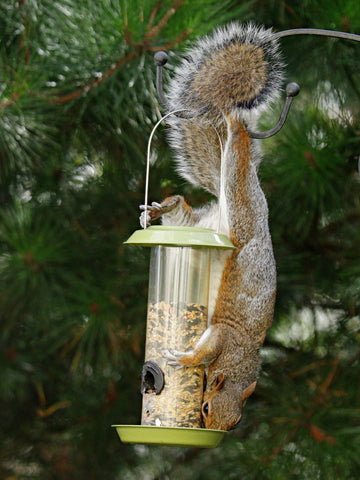
Are you tired of squirrels stealing all the birdseed before your feathered friends even get a chance? You’re not alone.
Finding the perfect spot to hang your bird feeder can be tricky, especially when those clever squirrels are always one step ahead. But don’t worry—there are simple, effective ways to keep squirrels away and make sure your birds get the food they deserve.
Keep reading, and you’ll discover the best places to hang your bird feeder so you can enjoy watching birds without the pesky interruptions.
Credit: www.homesandgardens.com
Choosing The Right Location
Choosing the right location for your bird feeder is key to keeping squirrels away. The spot affects how easily squirrels can reach the feeder and how comfortable birds feel. Picking a good place helps birds enjoy the food without interruptions.
Distance From Trees And Structures
Place the feeder at least 10 feet away from trees or buildings. Squirrels use these as jumping points. A longer gap makes it harder for them to leap onto the feeder. Avoid nearby fences or poles that squirrels can climb.
Height Considerations
Hang the feeder 5 to 6 feet above the ground. This height is out of easy reach for squirrels. It also keeps the feeder safe from other animals. Make sure it is high enough to avoid pets but low enough for bird watching.
Open Spaces Vs. Sheltered Areas
Choose an open space with clear views around the feeder. Open areas reduce squirrel hiding spots and jumping chances. Sheltered spots might protect birds from weather but help squirrels stay hidden. Balance protection with visibility for best results.

Credit: feedsnneeds.ca
Squirrel-proof Feeder Placement
Placing bird feeders where squirrels cannot reach them is key to protecting your bird food. Choosing the right spot and setup keeps squirrels away and invites more birds. Proper feeder placement helps reduce damage and waste caused by these clever animals.
Here are effective ways to make your bird feeder squirrel-proof with smart placement and simple tools.
Using Poles And Baffles
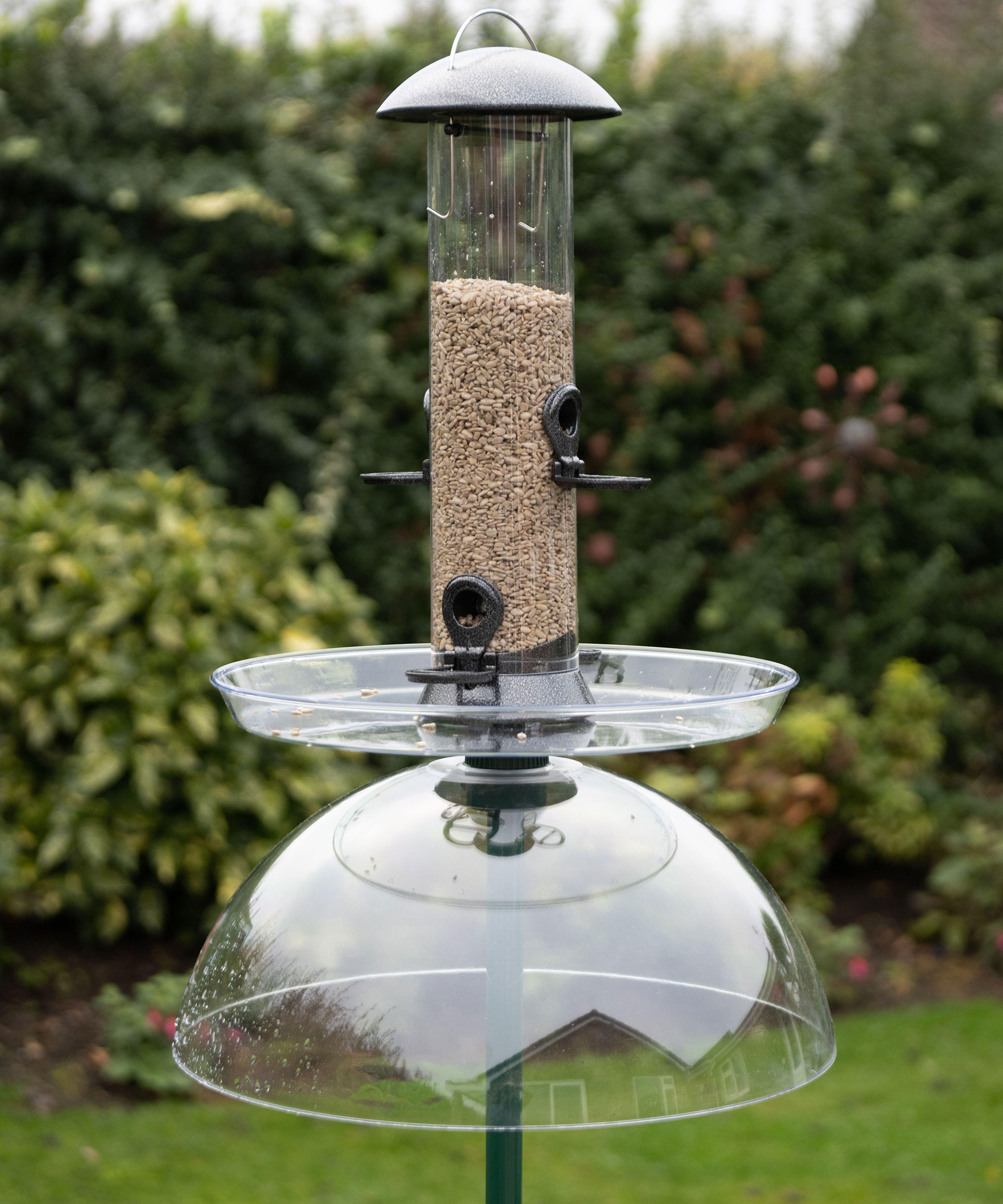
Mount feeders on smooth, tall poles at least 5 feet off the ground. This height makes it hard for squirrels to climb. Add metal or plastic baffles below the feeder. These round or cone-shaped barriers block squirrels from climbing up the pole. Make sure baffles are wide enough to stop squirrels from jumping around them.
Avoiding Launch Points For Squirrels
Keep feeders at least 10 feet away from trees, fences, and roofs. Squirrels use these as jumping points to reach feeders. Clear space around the feeder to prevent squirrels from leaping onto it. Avoid placing feeders near structures that squirrels can run along to access the food.
Securing Feeders To Prevent Access
Use sturdy hooks or brackets to fasten feeders firmly. Loose feeders swing and attract squirrels. Tighten all connections to stop squirrels from shaking feeders free. Choose feeders designed with weight-sensitive perches that close feeding ports when squirrels land. Secure lids and openings to block squirrel entry.
Feeder Types That Deter Squirrels
Choosing the right bird feeder can significantly reduce squirrel visits to your feeder. Certain designs make it harder or less rewarding for squirrels to access the food, encouraging birds to visit while keeping those pesky critters at bay. Let’s look at some feeder types that naturally deter squirrels and how they work.
Weight-activated Feeders
Weight-activated feeders use a clever mechanism that reacts to the weight of the animal on the perch. If a squirrel, which is heavier than most birds, lands on the feeder, the feeding ports close automatically. This means squirrels can’t reach the seeds, but smaller birds can feed comfortably.
These feeders require some setup and occasional calibration, but they are highly effective. Have you ever noticed how squirrels quickly give up on feeders that don’t yield easy rewards? This type exploits that behavior perfectly.
Cage Feeders
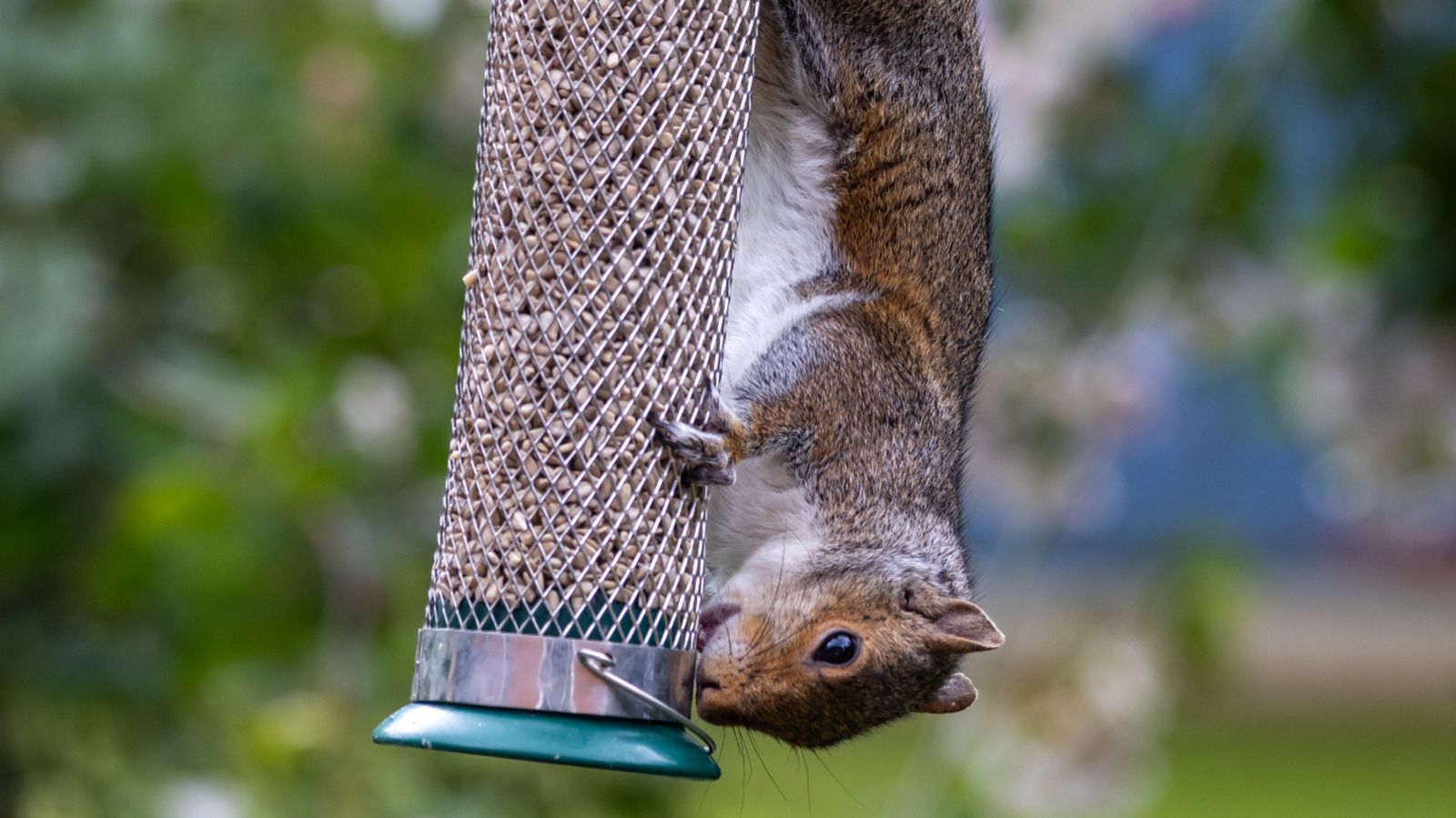
Cage feeders have a metal or plastic cage surrounding the feeding ports. The openings are large enough for small birds to slip through but too small for squirrels to squeeze in. This physical barrier keeps squirrels out without harming them.
These feeders are ideal if you want to avoid complicated mechanisms. They work well with larger seeds like sunflower seeds, which many birds love. Have you tried placing a cage feeder in your yard yet?
Tube Feeders With Small Ports
Tube feeders with small feeding ports limit access to the seeds inside. The small holes make it tough for squirrels’ paws to reach in and grab food. Birds with slender beaks can still feed easily.
This design is simple but effective when combined with strategic placement. It’s a low-maintenance option that discourages squirrels without needing moving parts. What type of birds do you want to attract with your feeder?
Additional Deterrent Strategies
Keeping squirrels away from your bird feeder takes more than just placement. Using extra deterrent strategies helps protect your birdseed and invites more birds to visit. These simple additions make your feeder less attractive to squirrels and keep the birds safe and happy.
Using Spicy Birdseed
Birds do not mind spicy seeds, but squirrels dislike them. Adding cayenne pepper or chili powder to your birdseed can deter squirrels. The spice irritates squirrels’ mouths but does not harm birds. Sprinkle the spicy mix lightly on the seed or mix it well before filling the feeder.
Natural Squirrel Repellents
Natural repellents can keep squirrels away without chemicals. Some effective options include:
- Spraying vinegar around the feeder area
- Using peppermint oil on nearby surfaces
- Placing garlic cloves near the feeder
These scents are unpleasant to squirrels but safe for birds and pets. Refresh repellents regularly to maintain their effectiveness.
Regular Maintenance And Cleaning
Cleaning the feeder often removes leftover seeds that attract squirrels. Check for spilled seeds on the ground and clear them away. Tighten any loose parts to prevent squirrels from gaining access. A clean feeder stays healthier for birds and less tempting for squirrels.
Monitoring And Adjusting Placement
Keeping squirrels away from your bird feeder is often a game of trial and error. Monitoring how squirrels interact with your feeder helps you find the best spot that keeps birds safe and squirrels out. Adjusting the feeder’s placement over time is key to maintaining a squirrel-free feeding area.
Observing Squirrel Behavior
Watch how squirrels approach your feeder. Are they jumping from nearby trees or climbing poles? Noticing their entry points helps you understand their tactics.
Try sitting quietly nearby and tracking their movements. Do they come at certain times of day or after rain? This insight can guide your placement decisions.
Relocating Feeders As Needed
If squirrels consistently reach your feeder, try moving it. Even shifting it just a few feet can make a big difference. Placing feeders farther from branches and fences limits squirrels’ access.
Use a thin, smooth pole or hang feeders with a long wire away from jumping points. You might need to experiment with several spots before finding the right one.
Seasonal Considerations
Seasons affect squirrel activity and bird feeding habits. In colder months, squirrels get hungrier and more persistent. You may need to move feeders more often during these times.
Spring and summer bring more natural food, so squirrels might be less interested. Adjust your strategy based on seasonal changes you observe in your yard.
Credit: www.housedigest.com
Frequently Asked Questions
How Far Should Bird Feeders Be From Trees?
Bird feeders should be placed at least 10 feet away from trees. This distance prevents squirrels from jumping onto feeders. It reduces squirrel access and protects bird food. Keeping feeders away from branches is key for squirrel control.
What Height Is Best To Hang Bird Feeders?
Hang bird feeders 5 to 6 feet above the ground. This height limits squirrel climbing and is safe for birds. It also makes feeding easier to observe. Proper height discourages squirrels while attracting more birds.
Can Baffles Keep Squirrels Off Feeders?
Yes, baffles are effective squirrel deterrents. They block squirrels from climbing poles or hanging feeders. Install baffles above or below feeders for best results. Baffles create a slippery barrier that squirrels can’t cross.
Is It Better To Hang Feeders On Poles Or Trees?
Using poles is better to keep squirrels away. Poles with baffles prevent squirrel climbing. Hanging feeders on trees allows squirrels easy access. Poles give more control over feeder placement and protection.
Conclusion
Creating a squirrel-free bird feeding zone takes some thought. Hanging feeders in the right spots helps. Choose high, open areas. Squirrels can’t jump far, so distance matters. Use baffles on poles for extra protection. Keep feeders away from trees. Trim branches if needed.
Check regularly for squirrel activity. Stay patient and adapt as necessary. Birds will visit more often in a safe place. Enjoy watching them in peace. Squirrels will find food elsewhere. This balance benefits both birds and squirrels. Happy bird watching!