
If you love watching birds up close, a Perky-Pet Height-Adjust Bird Feeder can make your experience even better. But if you’re not sure how to set it up or adjust it properly, you might miss out on all the fun.
This guide will show you exactly how to use your feeder so you can attract more birds and enjoy their visits without any hassle. By the end, you’ll feel confident adjusting your feeder’s height for the perfect view every time.
Keep reading to discover simple tips that make bird watching easier and more enjoyable!

Credit: www.perkypet.com
Choosing The Right Location
Choosing the right location for your Perky-Pet Height-Adjust Bird Feeder is essential to attract a variety of birds and keep them safe. The spot you pick can influence how often birds visit and how comfortable they feel while feeding. Let’s look at key factors that can help you make the best choice.
Ideal Height For Bird Feeding
The height of your bird feeder matters more than you might think. Setting it too low could expose birds to predators like cats, while too high might make it hard for you to refill or clean the feeder.
A good rule of thumb is to position the feeder between 5 to 6 feet off the ground. This height balances bird safety and your convenience. If you have ground-feeding birds in your area, consider adding a platform feeder lower down to complement the height-adjust feeder.
Avoiding Predators And Obstacles
Birds need a clear escape route. Avoid placing the feeder near dense bushes or fences where predators can hide. Open spaces with some nearby trees or shrubs work best because birds can quickly fly to safety if threatened.
Think about obstacles like windows or reflective surfaces near the feeder. Birds may accidentally fly into these, causing injury. Placing the feeder at least 3 feet away from windows or using window decals can reduce this risk.
Sunlight And Shade Considerations
Sunlight affects both bird activity and seed freshness. A spot with morning sun and afternoon shade is ideal. Early sunlight warms the feeder, encouraging birds to visit, while afternoon shade prevents seeds from spoiling quickly.
Too much direct sun can cause seeds to mold or attract ants and squirrels. On the other hand, placing your feeder in full shade might keep seeds fresh longer but could reduce bird visits since many birds prefer feeding in some sunlight.
What’s the balance in your garden between sunny spots and shade? Observing where birds gather naturally can guide your placement choice.

Credit: www.lowes.com
Assembling The Bird Feeder
Assembling your Perky-Pet Height-Adjust Bird Feeder is a straightforward process that sets the stage for enjoyable bird watching. Taking a few moments to carefully put the feeder together ensures it functions smoothly and lasts through many seasons. Let’s break down the assembly into simple steps that anyone can follow.
Unpacking And Identifying Parts
Start by opening the box and laying out all the components on a clean surface. You should find the seed container, feeding ports, hanger, and any screws or small parts. Check the instruction manual to match each piece and make sure nothing is missing.
Have you ever tried assembling something only to find a crucial part was missing? Taking a moment now to confirm all parts are present saves frustration later.
Attaching The Feeding Ports
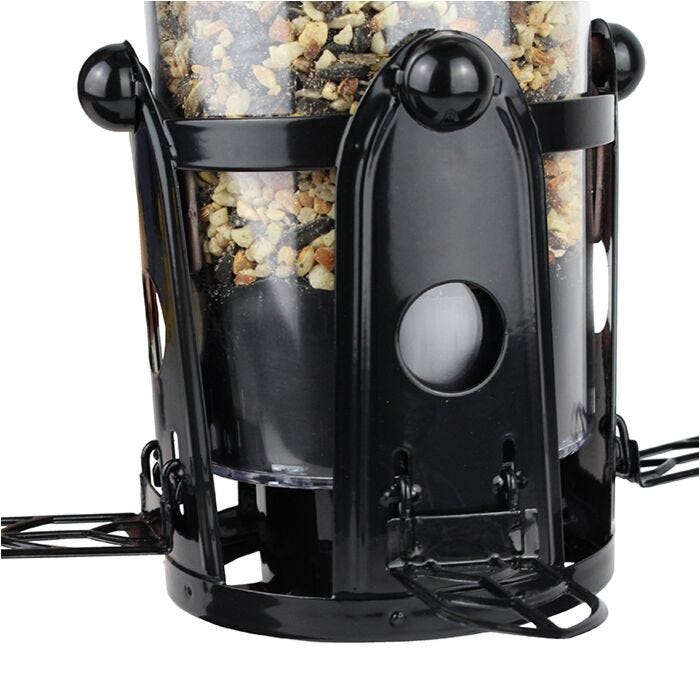
Next, take the feeding ports and carefully attach them to the designated slots on the seed container. Each port usually clicks or screws into place, so ensure they’re secure but avoid overtightening. Proper attachment prevents seed spills and allows birds easy access.
Pay close attention to the orientation of the ports. If they’re upside down or misaligned, the feeder won’t work as intended. Imagine watching birds struggle to feed because the ports aren’t properly attached—avoiding this is simple with a little care.
Securing The Seed Container
Finally, connect the seed container to the hanger or the height-adjust mechanism according to the instructions. This step is crucial to keep the feeder stable, especially when birds land on it. Make sure any locking mechanisms are firmly engaged.
Think about how a shaky feeder can scare birds away or spill seeds everywhere. Securing this part properly means you can enjoy peaceful bird visits without constant adjustments.
Adjusting The Height
Adjusting the height of your Perky-Pet Height-Adjust Bird Feeder is key to attracting a variety of bird species and ensuring easy access for all visitors. Changing the feeder’s height can help you create a safer and more comfortable feeding spot. It’s simple to do once you understand how the height-adjust mechanism works and how different birds prefer different feeding levels.
Using The Height-adjust Mechanism
The height-adjust mechanism on your Perky-Pet feeder is designed for quick and smooth changes. Locate the locking collar or knob near the top of the feeder’s hanging hook. Loosen this part to slide the feeder up or down along the chain or cable.
Once you find the perfect height, tighten the collar securely to hold the feeder in place. This system keeps the feeder stable during windy days and prevents unwanted swinging. Have you tried adjusting the height while birds are feeding? It’s a great way to see which heights attract more visitors.
Setting The Feeder For Different Bird Species
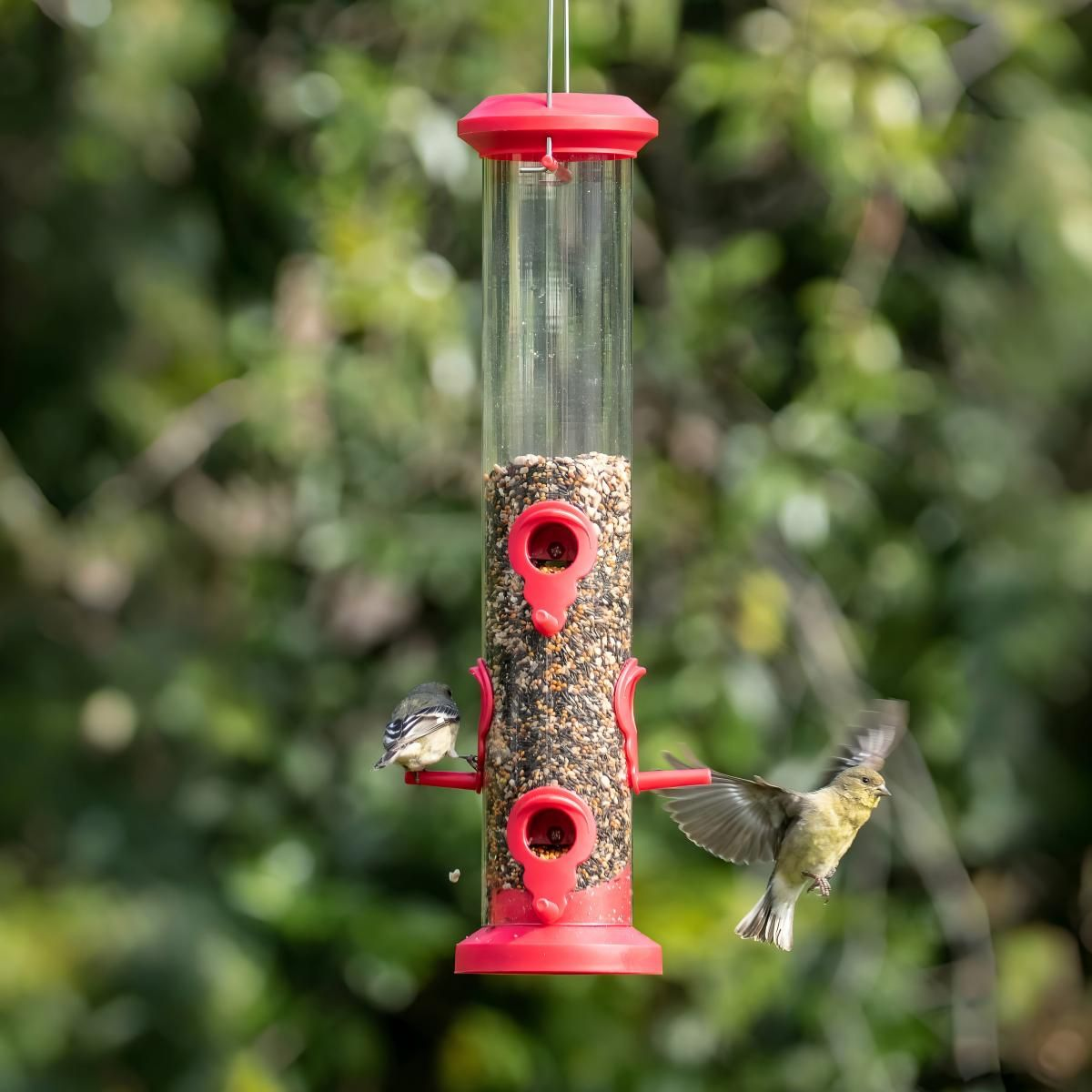
Different birds prefer different feeding heights. Smaller birds like finches and chickadees often feel safer feeding closer to the ground or low bushes. Larger birds such as cardinals or jays tend to prefer feeders positioned higher up, away from ground predators.
Try setting your feeder at about 4 to 5 feet to attract a variety of small to medium birds. For attracting woodpeckers or nuthatches, raise it closer to 6 feet near tree branches. Adjusting the height allows you to customize your birdwatching experience and invite a wider range of feathered friends.
Tips For Frequent Height Changes
If you like to experiment with feeder placement often, keep a few tips in mind to make the process easier. Use a lightweight chain or cable that allows smooth sliding without sticking. Keep your hands dry and wear gloves when adjusting in cold weather to maintain a firm grip.
- Mark your preferred heights with small colored ties for quick adjustments.
- Check that the locking mechanism is always tight after moving the feeder.
- Observe how birds respond to height changes and note your best spots.
Changing the height frequently can help you discover new bird behaviors and preferences. Why settle for one spot when you can turn your yard into a dynamic bird haven?
Filling And Maintaining The Feeder
Keeping your Perky-Pet Height-Adjust Bird Feeder full and clean helps attract more birds. Proper filling and maintenance ensure the feeder lasts longer and stays safe for birds. Regular care prevents mold, clogs, and seed waste.
Best Types Of Bird Seed
Choose seeds that fit the feeder’s ports and attract your favorite birds. Black oil sunflower seeds are a top choice. They attract many birds and have thin shells. Millet works well for smaller birds. Avoid large seeds that may clog the feeder. Suet pellets or mixed bird seed blends also work well.
Refilling Without Spilling
Use a small funnel or scoop to pour seed into the feeder’s top. Hold the feeder steady and fill slowly. Stop before the seed reaches the rim to avoid overflow. Place a cloth or tray underneath while refilling. Clean up any spilled seed to avoid attracting unwanted pests.
Cleaning And Maintenance Tips
Empty the feeder completely before cleaning. Use warm, soapy water and a soft brush to scrub all parts. Rinse well to remove soap residue. Let the feeder dry fully before refilling to prevent mold growth. Check the feeder weekly for damage or clogged ports. Regular cleaning keeps birds healthy and happy.
Troubleshooting Common Issues
Encountering issues with your Perky-Pet Height-Adjust Bird Feeder can be frustrating, but most problems are easy to fix once you know what to look for. Troubleshooting common problems quickly helps keep your feathered visitors happy and your feeder functioning smoothly. Let’s explore practical solutions to typical challenges you might face.
Dealing With Seed Blockages
Seed blockages are a common annoyance that can stop birds from feeding. Check if the seed is too damp or clumped together, which often causes clogging. Drying the seed before refilling or switching to a drier seed mix can help prevent this.
Also, inspect the feeding ports and tubes regularly. Sometimes small debris or husks get stuck inside, so a quick rinse or gentle poke with a thin tool can clear the path.
Have you noticed your feeder stopping suddenly after a rainstorm? Moisture can compact seeds, so consider using a seed with less fine material or adding a small mesh cover to keep the seed dry.
Preventing Squirrel Access
Squirrels are clever and persistent, but you can outsmart them with a few adjustments. Adding a squirrel baffle above or below the feeder often stops them from climbing in.
Try positioning the feeder at least 10 feet away from jumping-off points like trees or fences. This distance reduces the chances of squirrels leaping onto the feeder.
Another tip is to use safflower seeds, which many squirrels dislike but birds enjoy. Have you tried this seed swap yet? It can reduce unwanted visitors significantly.
Fixing Height Adjustment Problems
If the height adjustment mechanism feels stuck or doesn’t hold firmly, check for dirt or rust buildup in the moving parts. Cleaning these areas with a cloth and a bit of lubricant can restore smooth operation.
Make sure the adjustment knob or lever is fully engaged after setting the height. Sometimes, a slight misalignment prevents the feeder from locking in place securely.
Wondering how often you should adjust the height? Changing it seasonally can help accommodate different bird species and prevent unwanted pests from reaching the feeder.
Credit: www.kingsyard.com
Frequently Asked Questions
How Do You Adjust The Height On A Perky-pet Feeder?
To adjust the height, loosen the locking mechanism on the feeder pole. Slide the feeder up or down to your desired height. Tighten the lock to secure it in place. This makes feeding birds easier and helps avoid pests.
What Is The Best Height For Perky-pet Bird Feeders?
The ideal height is typically 5 to 6 feet above the ground. This keeps birds safe from predators and makes refilling convenient. Adjust according to your yard’s layout and bird species you want to attract.
How Often Should I Clean The Perky-pet Feeder?
Clean the feeder every 1-2 weeks. Regular cleaning prevents mold and bacteria buildup. Use mild soap and warm water, then rinse thoroughly. Clean feeders keep birds healthy and encourage repeat visits.
Can Perky-pet Feeders Attract Squirrels Or Pests?
Yes, squirrels and pests can be attracted. Use height adjustment and squirrel baffles to reduce access. Place feeders away from jumping points like trees or fences. These steps help keep your bird feeding area pest-free.
Conclusion
Setting up your Perky-Pet Height-Adjust Bird Feeder is simple. Adjust the height according to your needs. Fill it with bird seed and hang it securely. Enjoy watching birds visit your garden. Regularly clean the feeder for best results. Follow these steps for an enjoyable bird-watching experience.
This bird feeder adds charm to any outdoor space. Keep it maintained for lasting enjoyment. Happy bird-watching!