
If you love watching hummingbirds flutter around your garden, keeping their feeder clean and fresh is key. But how often should you change your hummingbird feeder to keep these tiny visitors happy and healthy?
You might be surprised how a simple routine can make a big difference. You’ll discover the best practices for changing your feeder, avoid common mistakes, and learn tips that will keep those beautiful birds coming back again and again. Ready to become the hummingbirds’ favorite host?
Let’s dive in!
Signs To Change Feeder
Knowing when to change your hummingbird feeder is key to keeping birds safe and healthy. Certain signs indicate that the feeder needs attention. Watch closely for these clear signals. Acting fast prevents harm to the hummingbirds and keeps your feeder inviting.
Cloudy Nectar
Nectar should look clear and fresh. Cloudy nectar shows it has spoiled or fermented. This can harm hummingbirds and attract unwanted pests. Change the nectar immediately if it looks murky or dull. Clean the feeder thoroughly before refilling.
Mold Growth
Mold can appear as white, green, or black spots inside the feeder. Even a small amount is dangerous for birds. Mold spreads quickly in warm weather. Always clean the feeder with hot water and a brush to remove mold. Replace nectar regularly to stop mold from growing.
Ant Or Insect Presence
Ants and other insects invading the feeder signal a problem. They can spoil nectar and deter hummingbirds. Use ant guards or place feeders away from plants that attract bugs. Clean the feeder and change nectar often to keep insects away. A clean feeder ensures happy, healthy birds.

Credit: www.reddit.com
Recommended Change Frequency
Keeping your hummingbird feeder clean and fresh is key to attracting these tiny visitors and ensuring their health. Knowing how often to change the nectar depends on several factors including how quickly the feeder empties and the environment around it. Let’s break down the best practices for changing your hummingbird feeder regularly.
Daily Vs Weekly Changes
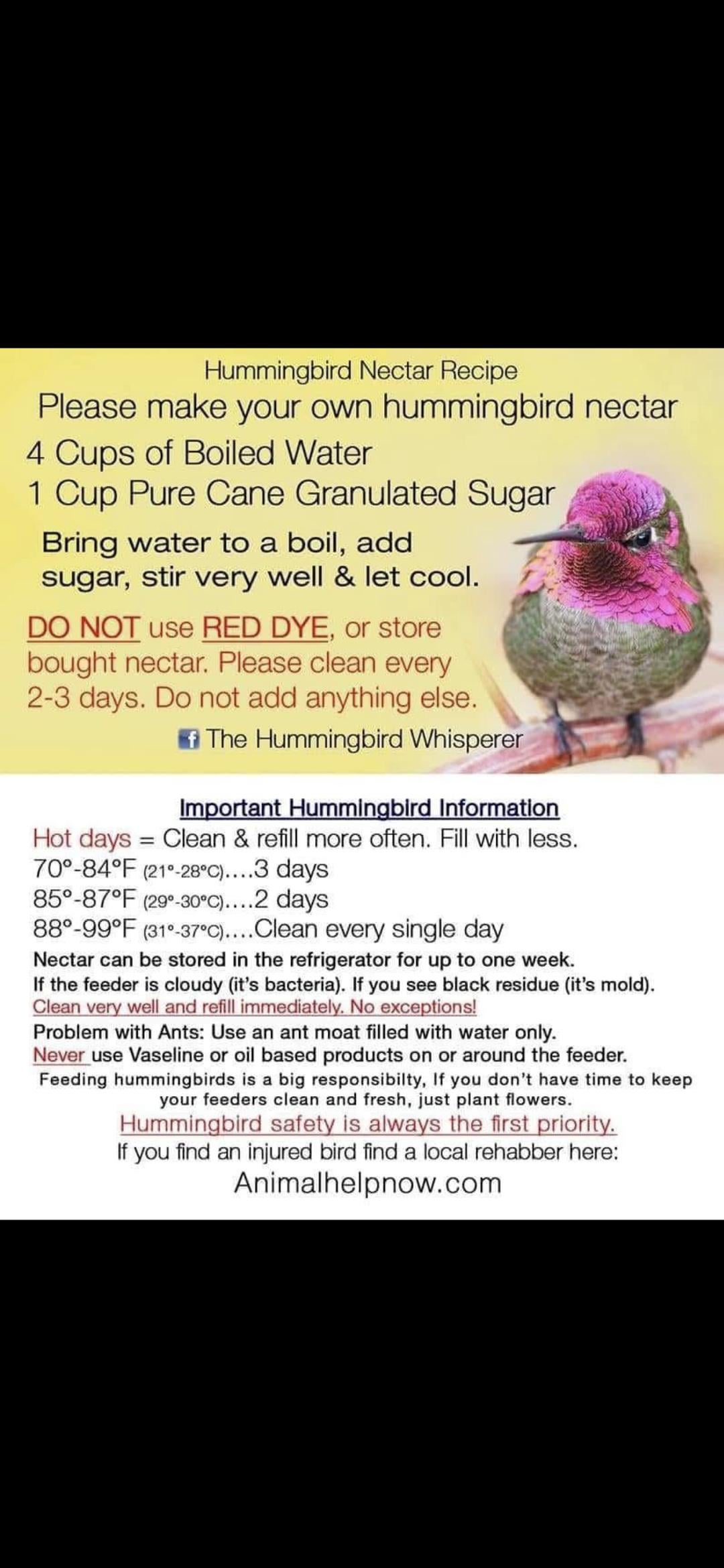
If you see hummingbirds visiting your feeder every day, changing the nectar daily is often the best choice. Fresh nectar prevents fermentation and mold, which can be harmful to the birds. On the other hand, if your feeder is in a low-traffic area or you’re seeing fewer visitors, changing it weekly might be enough.
Personally, I noticed that during peak hummingbird season, daily changes kept the feeder clean and the birds returning. But outside of those busy months, weekly changes worked fine without wasting nectar. What’s your feeder traffic like?
Seasonal Considerations
Spring and summer bring warmer temperatures and more hummingbird activity, which means nectar spoils faster. During these months, changing the feeder every 1-3 days is ideal to maintain freshness. In cooler seasons, you can stretch this to about a week since nectar lasts longer in lower temperatures.
Also, think about the local hummingbird migration patterns. If you notice fewer birds in fall or winter, adjusting your change frequency can save you effort and nectar. Have you tracked your local hummingbird patterns yet?
Impact Of Weather
Hot and humid weather speeds up nectar fermentation and mold growth, demanding more frequent changes—sometimes even twice a day in extreme heat. Rainy or damp conditions can also contaminate the nectar quickly if the feeder isn’t well protected. Windy days might blow debris into the feeder, requiring you to clean and change the nectar more often.
During a particularly hot week last summer, I switched to changing nectar twice daily. The difference was clear: fewer ants and happier hummingbirds. What weather challenges affect your feeder?
Cleaning Techniques
Keeping your hummingbird feeder clean is crucial for the health of these tiny visitors. Proper cleaning techniques prevent mold and bacteria buildup, which can harm hummingbirds. Let’s focus on practical ways to clean your feeder effectively and safely.
Disassembling The Feeder
Start by taking apart every piece of the feeder. Remove the base, lid, and any detachable parts carefully. This lets you reach all the tiny crevices where nectar might get stuck and spoil.
Don’t forget to check for any cracks or damage while disassembling. A broken feeder can trap mold and be unsafe for birds. Handling the parts gently will prevent accidental damage, making cleaning easier next time.
Safe Cleaning Solutions
Use a simple mixture of warm water and mild dish soap to scrub the feeder parts. This combination effectively removes sticky nectar residue without leaving harmful residues behind.
For stubborn mold or residue, soak the parts in a solution of one part white vinegar to four parts water. This natural cleaner kills bacteria and is safe for hummingbirds once rinsed well.
Avoiding Harmful Chemicals
Never use bleach, ammonia, or strong detergents on your feeder. These chemicals can linger in tiny cracks and poison the nectar, putting birds at serious risk.
Think about the last time you used a harsh cleaner on something that touches food—would you want to eat from it? Hummingbirds are even more sensitive, so always choose gentle, natural cleaning agents.

Credit: www.kitchenparade.com
Preventing Mold And Bacteria
Preventing mold and bacteria growth in hummingbird feeders is crucial for the birds’ health. These tiny creatures rely on clean nectar to stay safe and energized. Dirty feeders can cause illness and even death. Regular maintenance and proper care keep feeders fresh and inviting.
Proper Storage Of Nectar
Store nectar in a clean, airtight container. Keep it in the refrigerator to slow down bacterial growth. Avoid making large batches that stay unused for too long. Fresh nectar is safer and more appealing to hummingbirds.
Sunlight And Air Circulation
Place feeders in shaded areas with good air flow. Sunlight heats the nectar, causing it to spoil quickly. Good air circulation helps keep moisture low and prevents mold formation. Move feeders if they get too hot during the day.
Using Vinegar Or Bleach
Clean feeders regularly with a mild solution of vinegar or bleach. Mix one part vinegar or bleach with four parts water. Rinse thoroughly to remove all traces of cleaning agents. This kills mold, bacteria, and any leftover residue effectively.
Maintaining Feeder Attractiveness
Keeping your hummingbird feeder attractive is key to drawing these delightful birds to your garden day after day. A well-maintained feeder not only looks inviting but also ensures the nectar stays fresh and safe. Small changes in how you care for the feeder can make a big difference in how often you need to change the nectar and how frequently hummingbirds visit.
Positioning The Feeder
Where you place your feeder affects its appeal to hummingbirds. Choose a spot with some shade to slow nectar spoilage and avoid direct sunlight that heats the liquid quickly.
Placing the feeder near flowers or plants that hummingbirds naturally visit can increase your chances of sightings. Have you noticed how your feeder’s location influences bird traffic around your yard?
Using Fresh Nectar
Fresh nectar is the secret to keeping hummingbirds coming back. Make your nectar by mixing four parts water with one part white granulated sugar—no additives needed.
Replace the nectar every two to three days, or daily in hot weather. Stale nectar loses its sweetness and can discourage birds from feeding.
Avoiding Fermentation
Fermentation occurs when nectar sits too long and starts to spoil, which can be harmful to hummingbirds. Watch for cloudy or bubbly nectar as signs it’s time to clean and refill.
Regularly clean your feeder with hot water and a mild detergent to prevent mold and bacteria buildup. Have you ever seen a hummingbird avoid a feeder? It might be trying to tell you the nectar needs changing.

Credit: www.reddit.com
Frequently Asked Questions
How Often Should I Clean My Hummingbird Feeder?
Clean your hummingbird feeder every 3 to 5 days. Frequent cleaning prevents mold and harmful bacteria growth. This keeps the nectar fresh and safe for hummingbirds. During hot weather, clean it more often to avoid fermentation and spoilage.
When Is The Best Time To Change Hummingbird Nectar?
Change hummingbird nectar every 3 to 5 days. Nectar spoils quickly, especially in warm weather. Fresh nectar attracts more birds and keeps them healthy. Avoid using honey or artificial sweeteners as they can harm hummingbirds.
Can Old Nectar Harm Hummingbirds?
Yes, old nectar can harm hummingbirds. Spoiled nectar promotes mold and bacteria growth. This can cause illness or deter birds from visiting. Always replace nectar regularly to maintain a safe feeding environment.
How To Store Hummingbird Nectar Safely?
Store hummingbird nectar in a clean, sealed container in the refrigerator. This slows fermentation and keeps nectar fresh longer. Prepare nectar in small batches to avoid waste. Use a 4:1 water-to-sugar ratio for best results.
Conclusion
Changing your hummingbird feeder regularly is crucial. It ensures fresh nectar for hummingbirds. Clean the feeder every two to three days in hot weather. In cooler climates, change it every four to five days. Fresh nectar prevents harmful mold and bacteria.
Hummingbirds rely on clean feeders for nourishment. Regular cleaning keeps them safe and healthy. Keep an eye on the weather. Warmer temperatures need more frequent changes. By following these simple steps, you create a safe environment. Your efforts will attract happy, healthy hummingbirds to your garden.
Enjoy watching these beautiful creatures thrive!