
Are you wondering when to stop feeding birds as spring arrives? You’ve cared for your feathered friends all winter, but now that the weather is warming up, it’s natural to ask: Is it time to let nature take over?
Knowing the right moment to stop feeding can help keep your backyard birds healthy and encourage them to find their natural food sources. Keep reading to discover simple signs and expert tips that will guide you in making the best choice for your bird visitors this spring.
Timing For Ending Bird Feeding
Knowing when to stop feeding birds in spring can feel tricky. You want to support them without disrupting their natural habits. Timing is key to helping birds transition smoothly from winter reliance to spring independence.
Signs Spring Has Arrived
Watch for natural cues like budding trees and blooming flowers. Warmer days and longer sunlight signal that food is becoming more abundant outside. Once you see these changes, it’s a good time to start reducing your bird feeding gradually.
Bird Behavior Changes
Birds will start spending more time foraging on their own. You might notice them exploring new food sources or spending less time at your feeder. These shifts show they’re ready to depend less on supplemental feeding.
Local Climate Considerations
Your region’s weather patterns affect when to stop feeding birds. In colder climates, birds may need feeders longer into spring. Keep an eye on frost dates and temperature swings to decide the best timing for your area.
Benefits Of Continuing Feeding
Continuing to feed birds into the spring offers more than just a beautiful backyard scene. It plays a crucial role in supporting local wildlife during a time of significant change. Feeding birds beyond winter helps them thrive when natural food sources are still scarce and energy demands are high.
Supporting Nesting Birds
Spring is nesting season for many bird species. Providing food during this period gives adult birds the extra energy they need to build nests, lay eggs, and care for their young. Have you noticed how often parent birds visit feeders in spring? This shows how much they rely on your help when natural insects and seeds are still limited.
Helping Migratory Species
Migratory birds return from long journeys exhausted and hungry. Offering food supports these travelers as they regain strength and prepare for breeding. You might be surprised by the variety of species stopping by your feeder, from warblers to thrushes. Feeding them during early spring can make a big difference in their survival.
Food Availability In Early Spring
Early spring often brings unpredictable weather, which can delay the growth of natural food sources like insects and plants. Even if it looks sunny outside, birds may still struggle to find enough to eat. By keeping feeders stocked, you ensure a reliable food supply when nature’s pantry is still empty.
Risks Of Feeding Too Long
Feeding birds beyond the spring season can seem harmless, but it carries several risks that affect both the birds and your environment. Extending feeding times may interfere with their natural behaviors and cause unintended problems you might not have expected.
Dependency Issues
When you feed birds too long into spring, they might start relying on your feeders instead of searching for natural food. This dependency can reduce their survival skills, especially for younger birds learning to forage. Have you noticed birds waiting around your feeders rather than exploring your garden?
Birds that depend heavily on feeders may face trouble when the food supply suddenly stops. Their ability to adapt and find food on their own weakens, which can affect their health and chances during harsher seasons.
Attracting Pests
Leaving feeders up for too long can invite unwanted visitors such as squirrels, rats, and even raccoons. These pests not only steal bird food but can also carry diseases that threaten your local bird population.
Overfeeding can create a messy area around feeders, attracting insects like ants and wasps. Keeping your feeding area clean and removing feeders at the right time helps you avoid these problems.
Impact On Natural Foraging
Birds need to practice natural foraging to build strength and maintain healthy habits. Prolonged feeding can reduce their motivation to search for insects, seeds, and berries in the wild.
Think about your own eating habits—would you stay healthy if you only ate one type of food? Birds face a similar risk if they miss out on their diverse natural diet due to extended feeding.

Credit: uk.news.yahoo.com
Adjusting Feeding Practices
Adjusting feeding practices in spring helps birds transition naturally. As temperatures rise, birds find more food outdoors. Gradually changing how and what you feed supports their shift to natural sources. This approach keeps birds healthy and encourages natural foraging habits.
Reducing Food Quantity
Start by offering less food each day. Cut down the amount by a small portion. This encourages birds to search for insects and seeds outside. Avoid sudden stops; a slow reduction works best. Watch bird activity to find the right pace.
Changing Food Types
Switch to foods birds find in nature during spring. Offer more insects, mealworms, or native seeds. Decrease high-fat foods like suet or sunflower seeds. This change matches what birds eat in the wild. It helps them adjust to natural diets easily.
Altering Feeding Times
Shift feeding times to earlier or later in the day. Birds often feed at dawn or dusk in spring. Feeding during these times supports their natural habits. Reduce feeding during midday when insects are more active. This change encourages birds to forage on their own.
Signs To Fully Stop Feeding
Knowing when to stop feeding birds in the spring is just as important as starting. Feeding them too long can disrupt their natural habits and make them dependent on your feeders. Watching for clear signs helps you decide the right moment to let nature take over.
Consistent Natural Food Sources
One major sign to stop feeding birds is when natural food becomes reliably available. Look for an abundance of seeds, berries, and insects around your yard or local green spaces. If you notice birds foraging on their own regularly, it means they no longer need your feeder as a primary food source.
Pay attention to how many insects are flying around or how many plants are producing seeds. These natural options should be enough to sustain the birds without extra help. Have you seen the robins digging in the soil or sparrows picking seeds off trees? That’s a good signal to reduce or stop feeding.
Decreased Bird Visits
If the number of birds at your feeder starts to drop consistently, it’s a clear sign they’re finding food elsewhere. Birds naturally shift their habits as the season changes, so fewer visits show they are more confident in their ability to feed themselves.
Don’t be discouraged by fewer visitors; this is actually a positive sign. It means your efforts helped them through the tough winter months, and now they are ready to be independent. Have you noticed a steady decline in chatter and activity around your feeder?
Warmer Weather Patterns
Warmer temperatures bring more insects and plant growth, which are vital food sources for many birds. As the days get longer and warmer, you’ll see changes in bird behavior that signal they don’t rely on feeders as much.
When temperatures stay consistently above freezing and the ground is no longer hard or covered in snow, it’s time to think about stopping. Birds can then access worms, caterpillars, and seeds naturally. How often do you check the weather and the ground conditions around your bird feeding spots?

Credit: www.allaboutbirds.org
Maintaining Bird Health Year-round
Maintaining bird health throughout the year is essential for their survival and happiness. Birds need constant care beyond just feeding. Providing a safe environment and proper resources supports their well-being in every season.
Providing Fresh Water
Birds need clean water daily for drinking and bathing. Water helps them stay hydrated and keeps their feathers in good condition. Change water frequently to avoid bacteria growth. In cold weather, use a heated birdbath to prevent freezing.
Keeping Feeders Clean
Dirty feeders spread diseases among birds. Clean feeders regularly with hot water and mild soap. Rinse well and let dry before refilling. Avoid moldy or spoiled food to protect bird health. Regular cleaning reduces the risk of infections.
Safe Feeding Locations
Place feeders where birds feel safe from predators. Avoid locations near windows to prevent collisions. Choose spots with some cover, like shrubs or trees. Keep feeders away from busy areas to reduce stress. Safe locations encourage more birds to visit and feed.
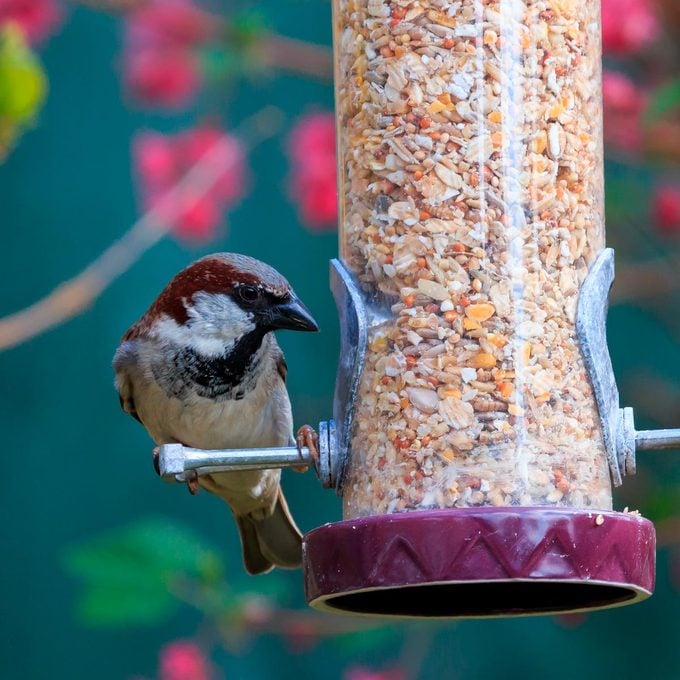
Credit: www.familyhandyman.com
Frequently Asked Questions
When Should I Stop Feeding Birds In Spring?
Stop feeding birds when natural food sources become abundant. This usually happens as temperatures rise and plants bloom. Gradually reduce feeding to encourage birds to forage naturally for a balanced diet.
Why Is Timing Important For Stopping Bird Feeding?
Proper timing prevents birds from becoming dependent on feeders. It encourages natural foraging habits and supports local ecosystems. Feeding too long can disrupt migration and breeding behaviors.
How Does Weather Affect Bird Feeding In Spring?
Warmer weather increases natural food availability like insects and seeds. Birds rely less on feeders as spring progresses. Monitor local conditions to decide the best time to stop feeding.
Can I Feed Birds Year-round Safely?
Feeding year-round can cause dependency and health issues for birds. It’s best to feed only during harsh weather or scarce food periods. Spring is a critical transition period to wean birds off feeders.
Conclusion
Feeding birds in spring requires careful timing. Stop when natural food returns. Watch for signs like insects and blooming plants. Birds find food on their own then. This helps them adapt to the changing season. It also reduces their reliance on your feeders.
Enjoy watching them explore their natural diet. This shift supports their health and environment. Your role as a bird helper continues, just in a new way. Let nature guide your actions. It brings joy and balance to your garden. Always stay curious and observant of the bird world.