

Are you looking for a pet bird that loves to snuggle and show affection? Not all birds are cuddly, but some will happily curl up with you and become your feathered best friend.
Imagine coming home to a gentle companion that nuzzles your hand or rests quietly on your shoulder. If that sounds like the perfect pet for you, keep reading to discover which bird species are known for their warm, loving nature.
Your next cuddly friend might be just a few paragraphs away!
Popular Cuddly Bird Species
Some bird species naturally enjoy close contact and affection, making them perfect companions if you want a cuddly pet. These birds often seek out your attention, enjoy being near you, and sometimes even snuggle up on your shoulder or lap. Knowing which species tend to be more affectionate can help you choose a bird that fits your lifestyle and desire for closeness.
Parakeets And Budgerigars
Parakeets, also known as budgerigars or budgies, are small but full of personality. They often bond strongly with their owners and enjoy gentle petting, especially around their heads and necks. I’ve seen budgies nuzzle into hands repeatedly, showing a clear preference for human touch.
These birds are social and playful, and they usually respond well when you talk or whistle to them. Their affectionate nature makes them a great choice if you want a bird that can be both a playful friend and a cuddly companion.
Cockatiels
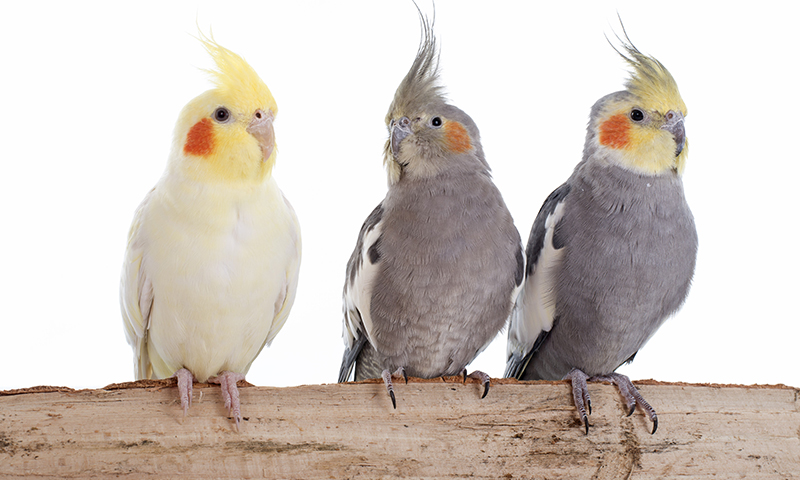
Cockatiels are famous for their sweet and gentle demeanor. They love being scratched under their crests and will often lean into your touch as a sign of trust. I noticed my cockatiel would even close its eyes and relax completely when I softly stroked its head.
They are usually calm and enjoy sitting on your shoulder or resting on your hand. If you’re looking for a bird that will happily snuggle and show affection without being too demanding, cockatiels are a solid choice.
Lovebirds
Lovebirds live up to their name by forming strong, affectionate bonds, not only with their partners but also with their human caregivers. They often enjoy cuddling close and may even nibble gently to show affection. I once had a lovebird that preferred sitting inside my shirt pocket—talk about a snug companion!
These birds thrive on interaction and can be very loyal. If you want a bird that will seek out warmth and closeness, lovebirds might be your perfect match.

Credit: www.reddit.com
Characteristics Of Friendly Birds
Friendly pet birds show clear signs of warmth and trust. They enjoy being near humans and often seek comfort in gentle touches. Understanding these traits helps identify which birds are naturally cuddly. Each bird species expresses friendliness in unique ways. Observing their behavior reveals their true nature.
Affectionate Behavior
Friendly birds often show affection by nuzzling or preening their owners. They like to sit close, sometimes resting on shoulders or laps. These birds may gently nibble as a form of love. They enjoy soft petting and respond calmly to touch. Their relaxed body language signals comfort and trust.
Social Interaction
Social birds thrive on regular interaction with people. They call out to get attention and enjoy playing simple games. These birds follow their owners around the room. They often mimic actions to join in daily activities. Such behavior shows their desire for connection and companionship.
Vocalization
Friendly birds use soft chirps and whistles to communicate. They may sing or talk in a gentle tone. These sounds express happiness and invite interaction. Birds that vocalize calmly tend to be more approachable. Listening to their calls helps build a bond.
Training For Bonding
Training your pet bird is key to developing a strong bond. It goes beyond simple commands; it builds a connection based on trust and understanding. You’ll find that patience and consistency open doors to a cuddly and affectionate relationship.
Building Trust
Trust is the foundation for any cuddly pet bird. Start by spending quiet time near your bird without trying to touch it. Let your bird get used to your presence and voice at its own pace.
Try offering treats from your hand to show you mean no harm. Have you noticed how your bird’s body language changes when it feels safe? Recognizing these signs helps you know when to take the next step.
Positive Reinforcement
Rewarding good behavior encourages your bird to repeat it. Use small, favorite treats and gentle praise to reinforce cuddly actions like stepping onto your finger or sitting calmly on your lap.
Keep training sessions short but frequent to avoid overwhelming your bird. You’ll be surprised how quickly your bird learns when it knows there’s a reward waiting.
Interactive Play
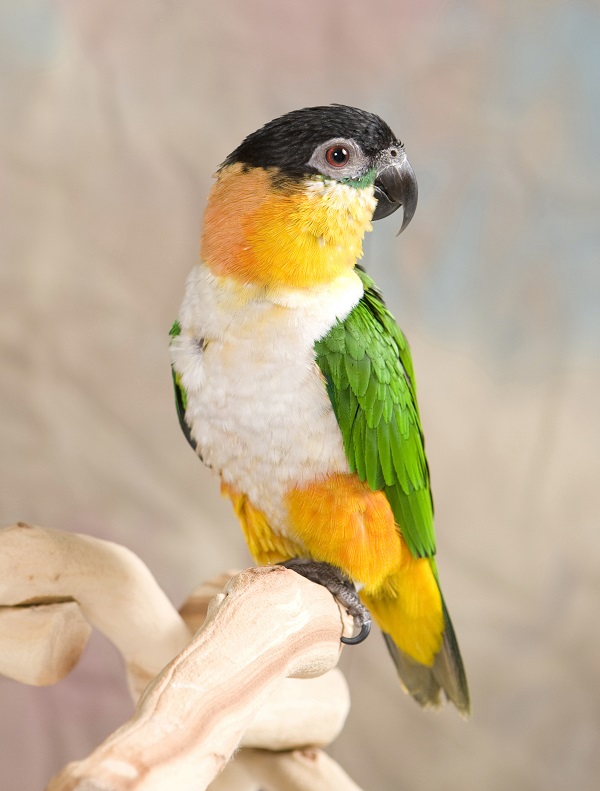
Engaging your bird in play strengthens your bond and builds comfort with touch. Use toys that encourage gentle interaction, like soft ropes or bells, to invite your bird to come closer.
Try to mimic your bird’s sounds or movements during play to show you’re tuned in. Does your bird respond more when you match its energy? This simple act can deepen your connection and make cuddling easier.
Credit: www.northernparrots.com
Creating A Comforting Environment
Creating a comforting environment is essential for pet birds to feel safe, loved, and ready to cuddle. Birds are sensitive creatures that thrive when their surroundings meet their emotional and physical needs. Setting up the right space and routine can transform your feathered friend into a more affectionate companion.
Safe And Stimulating Space
Your bird’s cage should be more than just a place to stay—it should be a cozy home. Choose a cage size that allows your bird to stretch and move comfortably without feeling cramped. Place the cage in a quiet corner where your bird can observe family activities without being overwhelmed by noise or sudden movements.
Think about natural light but avoid direct sunlight for long periods. Adding perches at different heights helps keep your bird active and comfortable. Have you noticed how your bird reacts to certain spots in the room? Adjust the setup based on their behavior to create a truly comforting space.
Toys And Enrichment
Toys are not just for play—they keep your bird’s mind sharp and reduce stress. Offer a variety of toys that encourage chewing, climbing, and problem-solving. Rotate toys regularly to keep your bird interested and prevent boredom.
Simple items like wooden blocks, ropes, and bells can work wonders. When your bird engages with toys, it’s also more likely to feel relaxed and open to cuddling. Have you tried hiding treats inside toys? This can boost your bird’s curiosity and happiness.
Routine And Consistency
Birds find comfort in knowing what to expect every day. Try to feed, clean, and interact with your bird around the same times daily. Consistent routines help reduce anxiety and build trust between you and your pet.
Spend quiet moments together, like gentle talking or soft music, to deepen your bond. If your bird knows when to expect affection, it will be more willing to cuddle. What small changes in your daily routine could make your bird feel more secure?
Health And Well-being
Keeping pet birds cuddly means caring for their health and well-being. Birds need proper attention to stay happy and active. Their health depends on good food, regular vet visits, and enough exercise. Each part plays a big role in a bird’s life. Understanding these needs helps birds stay strong and affectionate.
Balanced Diet
A balanced diet is key for healthy birds. Feed a mix of seeds, pellets, fruits, and vegetables. Fresh water must always be available. Avoid foods with high fat or sugar. Some birds need special diets. Check what suits your bird’s species. A good diet supports energy, feathers, and mood.
Regular Veterinary Care
Regular vet check-ups catch problems early. Birds hide sickness well, so visits are important. A vet can give vaccines and treat illnesses. Keep track of your bird’s weight and behavior. Early care helps avoid serious health issues. Choose a vet who knows bird care well.
Exercise And Activity
Exercise keeps birds fit and happy. Birds need time outside the cage to fly and stretch. Toys and perches encourage movement and play. Mental activity also improves their mood. Lack of exercise can cause health problems. Create a safe space for your bird to move freely.
Common Misconceptions
Many people believe all pet birds are naturally cuddly, imagining them as little feathered companions eager to snuggle. However, this is a common misconception that can lead to frustration or disappointment. Understanding the true nature of bird behavior helps you set the right expectations and build a rewarding bond.
Myths About Cuddly Birds
One popular myth is that smaller birds like budgies or finches are always affectionate and love to cuddle. While some individual birds may enjoy close contact, many prefer just to perch nearby rather than being touched constantly.
Another misconception is that parrots are like cats or dogs in their need for physical affection. Parrots often show love differently—through vocalizations or mimicking your actions—rather than cuddling.
Have you ever tried to cuddle a cockatiel only to be met with nips? This doesn’t mean they don’t care; it means their way of showing affection is more subtle and less hands-on.
Understanding Bird Behavior
Birds communicate through body language more than physical touch. Watching their feathers, eye movements, and posture tells you when they feel comfortable or stressed.
Some birds enjoy gentle preening or sitting on your finger, but that doesn’t mean they want to be wrapped in your arms. Respecting their personal space builds trust and encourages more positive interactions.
What if your bird seems distant? It might just be their personality or the way they express attachment. Patience and observation help you learn how your pet shows affection, which might be very different from cuddling but just as meaningful.
Choosing The Right Bird
Choosing the right pet bird is key to a happy and healthy relationship. Each bird species has its own personality, care needs, and social habits. Picking a bird that fits your lifestyle helps ensure both you and your feathered friend enjoy your time together.
Lifestyle Considerations
Think about your daily routine and energy level. Some birds need constant attention and enjoy cuddling often. Others prefer to be independent and less touchy. Quiet homes suit shy birds, while lively birds thrive in busy spaces. Your lifestyle shapes which bird will be happiest with you.
Space And Time Requirements
Birds need enough room to move and play. Larger birds require bigger cages and more space for exercise. Small birds like budgies or lovebirds need less room but still need daily out-of-cage time. Time matters too. Birds crave social interaction and mental stimulation every day.
Long-term Commitment
Birds can live for many years, sometimes decades. This means a long-term promise to care for them. Understand the bird’s lifespan before choosing. Be ready for the responsibility of feeding, cleaning, and health care. A bird is not a short-term pet but a lifelong companion.
Credit: www.kaytee.com
Frequently Asked Questions
What Pet Birds Are Known To Be Cuddly?
Cuddly pet birds include cockatiels, lovebirds, and budgerigars. These birds enjoy human interaction and gentle petting. They form strong bonds and seek physical closeness with their owners, making them ideal for cuddling.
Are Cockatiels Good Cuddly Pet Birds?
Yes, cockatiels are very affectionate and enjoy cuddling. They often nuzzle and preen their owners, showing trust and love. Their friendly nature makes them one of the best cuddly pet birds.
How Do Lovebirds Show Affection Through Cuddling?
Lovebirds cuddle by sitting close, nibbling gently, and preening feathers. They bond deeply and enjoy physical touch, which strengthens their connection with owners. This makes lovebirds popular for those wanting a tactile pet bird experience.
Can Budgerigars Be Trained To Cuddle?
Budgerigars can be trained to cuddle with patience and consistent handling. They are social birds that enjoy companionship. Regular gentle interaction helps them become comfortable with close contact and cuddling.
Conclusion
Cuddly pet birds bring joy and warmth to any home. They enjoy being close and love gentle touch. Small parrots, cockatiels, and lovebirds often show affection. These birds create strong bonds with their owners. Patience and care help build trust with them.
Spending time daily makes your bird friendlier and happier. Choose a bird that matches your lifestyle and space. A loving bird can brighten your days and nights. Their soft feathers and sweet sounds comfort many people. Caring for cuddly birds brings happiness and companionship.