
Have you ever wondered which pet birds enjoy being handled and cuddled? Knowing this can make a huge difference in how happy and comfortable your feathered friend feels around you.
If you want to build a strong bond with your bird and avoid stress or fear, it’s important to understand their preferences. You’ll discover the types of pet birds that love gentle handling and how to approach them the right way.
Keep reading to find out how you can create a trusting and joyful connection with your bird every day.
Types Of Pet Birds
Pet birds come in many shapes and sizes. Each type has its own personality and care needs. Knowing the types helps you find the right bird for your home. Some birds love being handled, while others prefer less contact. Understanding these differences improves your bond with your pet.
Popular Species
- Budgerigars (Budgies):Small, colorful, and social birds. They enjoy interaction and can learn to mimic sounds.
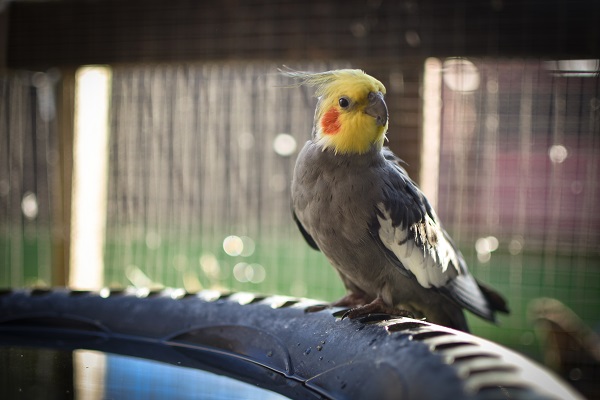
- Cockatiels:Gentle and friendly birds with a crest on their head. They often enjoy being petted and handled.
- Lovebirds:Small parrots that are lively and affectionate. They like close contact but need gentle handling.
- Conures:Medium-sized parrots with playful personalities. They often seek attention and enjoy being held.
- African Grey Parrots:Highly intelligent and talkative. They form strong bonds and can enjoy handling with trust.
Birds Suited For Handling
Birds that like handling are usually social and calm. They tolerate touch and enjoy human company. Budgies and cockatiels are great for beginners. These birds respond well to gentle hands.
Conures and lovebirds also enjoy interaction. They need time to build trust but can become very friendly. African Grey parrots require patient owners. Their intelligence means they need mental and physical attention.
Smaller finches and canaries usually do not like handling. They prefer watching and singing from their cages. Choose a bird that matches your lifestyle and patience level.
Understanding Bird Behavior
Understanding your pet bird’s behavior is key to building trust and enjoying gentle handling sessions. Birds communicate a lot through their actions and posture, even if they can’t speak words. Paying close attention to these subtle signals helps you know when your bird feels safe or when it prefers space.
Body Language
Birds show how they feel through their body language. Watch the position of their feathers, head, and tail. A relaxed bird often has smooth feathers and stands tall, while a tense bird may fluff up or crouch low.
Notice if your bird leans toward you or turns away. Leaning in can mean curiosity and friendliness, but turning away might signal discomfort. Listening to these non-verbal cues lets you adjust your approach quickly.
Signs Of Comfort
Comfortable birds will often preen themselves or close their eyes calmly when you handle them. They might even softly chirp or nuzzle your finger.
Another strong sign is when your bird offers its head for gentle scratches. This shows trust and enjoyment. Have you ever felt that small sense of joy when your bird relaxes completely in your hand? That’s your cue to keep going gently.
Stress Indicators
Recognizing stress early prevents negative experiences for your bird. Look for rapid breathing, wide eyes, or sudden vocal outbursts. These signs suggest your bird feels threatened or scared.
Flapping wings frantically or biting are clear warnings to stop handling immediately. If you notice these behaviors, give your bird some space and try again later. Could adjusting your approach prevent these stress signals?
Building Trust With Your Bird
Building trust with your pet bird is key to a happy relationship. Birds feel safe and relaxed when they trust their owners. Trust helps them enjoy being handled and reduces stress. Patience and gentle care create a strong bond over time.
Creating A Safe Environment
Birds need a calm space to feel secure. Avoid loud noises and sudden movements near their cage. Place the cage in a quiet room with natural light. Keep the area clean and free from harmful items. A safe environment helps birds relax and trust their surroundings.
Positive Reinforcement Techniques
Use treats and praise to encourage good behavior. Offer small snacks when your bird steps onto your hand. Speak softly and smile to show kindness. Rewarding your bird builds positive feelings about being handled. Avoid punishment; it can harm trust and cause fear.
Daily Interaction Tips
Spend short, regular times with your bird each day. Talk calmly and offer gentle touches. Let your bird explore your hand at its own pace. Use consistent routines to make your bird feel secure. Small daily interactions grow trust and deepen your connection.
Credit: www.northernparrots.com
Handling Techniques
Handling pet birds requires a gentle touch and a clear understanding of their behavior. Birds are sensitive creatures that respond well to calm and confident interactions. Learning the right handling techniques not only builds trust but also keeps your bird comfortable and safe.
Approaching Your Bird
Approach your bird slowly and calmly. Sudden movements can startle them and cause stress. Always speak softly to reassure your bird as you get closer.
Try to approach from the side rather than head-on. Birds see movement from the side better and feel less threatened. Have you noticed how your bird reacts when you come in quietly versus quickly?
Proper Holding Methods
Support your bird firmly but gently. Use one hand to hold their body and the other to stabilize their feet if needed. Avoid squeezing or holding them too tight.
- Place your thumb and forefinger around the bird’s neck carefully, avoiding pressure on the windpipe.
- Support the chest and back with your palm to keep them secure.
- Let your bird perch on your finger or hand for a more relaxed hold.
Remember, each bird species may prefer slightly different handling, so observe your pet’s response and adjust accordingly.
Timing And Duration
Keep handling sessions short at first. Start with just a few minutes to prevent overwhelming your bird. Gradually increase the time as your bird becomes more comfortable.
Choose times when your bird is calm and alert, such as mid-morning or early afternoon. Avoid handling right after feeding or during sleep hours.
Have you noticed how your bird’s mood changes throughout the day? Use that to plan the best moments for interaction.
Common Mistakes To Avoid
Handling pet birds can be a joyful experience, but it requires careful attention to their comfort and signals. Many bird owners unintentionally make mistakes that can stress or frighten their feathered friends. Recognizing these common pitfalls helps you build a stronger, trusting bond with your bird.
Overhandling
It’s tempting to want to hold and play with your bird constantly, especially when they’re friendly. However, overhandling can overwhelm your bird and cause stress or even aggression. Pay attention to how long your bird enjoys being held and give them breaks to relax on their own.
Think about your own need for personal space—your bird needs that too. If you notice your bird fluffing feathers, biting gently, or trying to escape, it’s time to stop and let them rest.
Ignoring Warning Signs
Birds communicate discomfort in subtle ways. Ignoring these signs can lead to fear or injury. Watch for behaviors like raised feathers, hissing, or sudden vocal changes.
One time, I missed these signs and ended up with a scared bird hiding at the bottom of the cage for days. Listening to your bird’s signals prevents such setbacks and keeps handling positive for both of you.
Inconsistent Interaction
Birds thrive on routine and consistency. Interacting with them sporadically can confuse your bird about when it’s safe to be handled. Try to spend regular, predictable time with your bird daily.
Imagine if someone only talked to you randomly—would you feel comfortable or cautious? Your bird feels the same way. Consistent interaction builds trust and makes handling a pleasant experience.
Expert Tips For Happy Birds
Keeping your pet bird happy and comfortable with handling requires more than just gentle touches. It demands understanding their needs and creating an environment where they feel safe and engaged. Here are expert tips that help you build a strong bond with your feathered friend and make handling a pleasant experience for both of you.
Creating A Routine
Birds thrive on consistency. Setting a daily routine for handling sessions helps your bird know what to expect and reduces stress.
Try to handle your bird at the same time each day, whether it’s morning or evening. This predictability builds trust and makes your bird more willing to interact.
Remember to keep sessions short but frequent. Five to ten minutes multiple times a day is often better than a long, overwhelming session.
Enrichment Activities
Your bird’s happiness depends heavily on mental and physical stimulation. Adding variety to their environment keeps them curious and engaged.
- Offer different toys like swings, bells, or foraging puzzles to challenge their minds.
- Rotate toys regularly to prevent boredom.
- Spend time talking or whistling to your bird during handling to create positive associations.
Have you noticed how your bird’s attitude changes when they have new things to explore? Keeping their world interesting makes handling more enjoyable for them.
Health And Well-being
A healthy bird is more likely to enjoy being handled. Regular check-ups and a balanced diet play a crucial role in their behavior.
Watch for signs of discomfort or illness, such as fluffed feathers or changes in appetite. Addressing these issues promptly helps prevent negative experiences during handling.
Also, ensure your bird gets enough sunlight or UV light exposure, which supports their overall well-being and mood.
Have you ever noticed how a healthy bird is more active and affectionate? Taking care of their health makes handling a joyful interaction rather than a chore.
When To Seek Professional Help
Knowing when to seek professional help is key for your pet bird’s well-being. Some signs show that a vet or an avian behavior expert should step in. Early action can prevent problems from growing worse. Handling your bird gently is important, but some issues need expert care.
Behavioral Concerns
Birds may act aggressively or fearfully. They might bite more than usual or hide constantly. Sudden changes in behavior can signal stress or illness. Professionals can help identify causes and offer solutions. Training techniques might not work on serious behavior problems. Experts provide safe ways to manage and improve your bird’s mood.
Health Issues
Look for signs like loss of appetite, fluffed feathers, or unusual droppings. Labored breathing or frequent sneezing also need attention. Birds often hide sickness until it is severe. A vet’s checkup can diagnose infections or diseases early. Prompt treatment improves recovery chances and keeps your bird healthy.
Credit: www.northernparrots.com
:strip_icc()/parakeet-budgie-budgerigar-952787256-5b52a7d046e0fb0037bec8a7.jpg)
Credit: www.thesprucepets.com
Frequently Asked Questions
What Pet Birds Enjoy Being Handled The Most?
Birds like parrots, cockatiels, and budgies enjoy handling. They are social and bond well with humans. Handling builds trust and strengthens your relationship with them.
How Do I Know If My Bird Likes Handling?
Look for signs like relaxed posture, vocalizing, and approaching you. Birds that stay calm and willingly perch on your hand usually enjoy handling.
Can All Pet Birds Be Trained To Like Handling?
Most pet birds can learn to like handling with patience. Gradual, gentle interaction and positive reinforcement help build their comfort and trust over time.
How Often Should I Handle My Pet Bird?
Handle your bird daily for short sessions to build trust. Regular interaction keeps them socialized and reduces stress or behavioral issues.
Conclusion
Pet birds enjoy gentle and patient handling. Each bird has its own comfort level and personality. Spending quiet time helps build trust and friendship. Respect their space and watch their body language closely. Small, calm movements make birds feel safe and happy.
Regular handling can strengthen your bond over time. Remember, patience and kindness go a long way. Enjoy the special moments with your feathered friend every day.