

Have you ever wondered what time your pet bird goes to sleep? Understanding your feathered friend’s sleep schedule is key to keeping them happy and healthy.
Just like you, birds need the right amount of rest to stay energetic and cheerful. You’ll discover exactly when pet birds usually settle down for the night and why their sleep routine matters to you. Keep reading to learn simple tips that can improve your bird’s sleep and strengthen your bond.
Credit: medium.com
Natural Sleep Patterns Of Pet Birds
Understanding the natural sleep patterns of pet birds is key to ensuring they stay healthy and happy. Birds have unique rhythms that differ from humans, and recognizing these can help you create the perfect environment for your feathered friend to rest well. Have you ever noticed how your bird seems more active at dawn or dusk? This behavior ties back to their natural sleep cycle.
How Light Affects Your Bird’s Sleep
Birds rely heavily on light cues to regulate their sleep. Their internal clocks are set by the rising and setting sun, so they tend to sleep when it’s dark. This means your bird’s bedtime will shift if the lights in your home don’t match natural daylight.
You can help your bird by mimicking natural light patterns. Using blackout curtains or dimming lights in the evening signals to your bird that it’s time to wind down. Have you tried adjusting the lighting to see how your bird responds?
Typical Sleep Duration For Pet Birds
Most pet birds need about 10 to 12 hours of sleep each night, though this can vary by species. Smaller birds like parakeets often sleep longer, while larger parrots may have slightly shorter sleep needs. Watching your bird’s behavior can help you figure out what’s normal for them.
Make sure your bird gets uninterrupted rest. Have you noticed if your bird seems groggy or irritable? This might mean it isn’t getting enough quality sleep.
Natural Sleep Positions And What They Mean
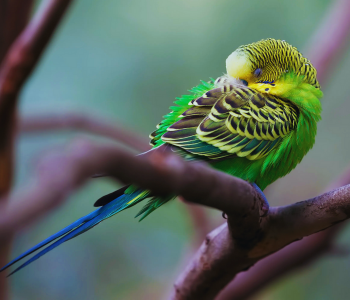
Birds adopt different sleeping positions depending on how secure and comfortable they feel. For example, a bird tucked into its feathers with one leg up is relaxed and ready for sleep. However, a bird that remains alert or fluffs up excessively might be stressed or unwell.
Pay attention to your bird’s usual sleep posture to catch any early signs of discomfort. Does your bird change its sleeping spot often? This could indicate it’s searching for a safer or cozier place.
Factors Influencing Bird Sleep
Bird sleep depends on many factors that shape their rest patterns. These factors create a comfortable and safe setting. Understanding these helps pet owners support healthy bird sleep habits. Light, noise, and cage setup all affect when and how birds sleep.
Light And Darkness
Birds need a clear day and night cycle to sleep well. Bright light keeps them awake and active. Darkness signals bedtime and helps them rest deeply. Sudden light changes can confuse birds and disturb their sleep. A dark, quiet room helps birds settle down at night.
Noise Levels
Loud noises stress birds and interrupt their sleep. Constant sounds make them alert or anxious. Soft, steady sounds may be less disturbing, but quiet is best. A calm environment helps birds feel safe and sleep longer. Avoid noisy activities near their cage during night hours.
Cage Environment
The cage size and location affect bird comfort and sleep. Birds prefer a cozy, familiar space for resting. Avoid placing cages near windows with strong sunlight or drafts. The cage should be clean and free of disturbances. Soft perches and cover cloths can provide extra comfort and privacy.
Signs Your Bird Is Ready For Sleep
Recognizing when your pet bird is ready to sleep helps maintain its health and well-being. Birds have natural rhythms that signal bedtime. Observing these signs ensures you provide a calm environment for rest. Watch for subtle changes in behavior and appearance as night approaches.
Behavioral Indicators
- Your bird may become quiet and less active.
- It might fluff up its feathers to stay warm.
- Head tucking into feathers is a common sleep signal.
- Birds often perch on one leg before sleeping.
- Yawning or closing eyes briefly shows tiredness.
- Some birds preen less as they prepare to rest.
Physical Cues
- Drooping eyelids indicate the bird is ready to sleep.
- The bird’s breathing slows and becomes steady.
- Muscle relaxation causes the bird to sit quietly.
- Feathers appear slightly puffed to conserve heat.
- The bird may shift its balance to settle down.
Creating A Sleep-friendly Environment
Creating a sleep-friendly environment helps pet birds rest well at night. Birds need calm, dark, and safe spaces to feel secure. Proper sleep boosts their health, mood, and energy. Simple changes in their cage setup can improve their sleep quality. This section covers key ways to create a peaceful sleeping area for your pet bird.
Choosing The Right Cage Location
Place the cage in a quiet part of your home. Avoid areas with loud noises or heavy foot traffic. Keep the cage away from direct sunlight and drafts. A stable temperature helps birds sleep better. Choose a spot where the bird feels safe but not isolated.
Using Cage Covers
Cage covers block light and reduce noise. Cover the cage with a breathable cloth at night. This signals to your bird that it is bedtime. Make sure the cover fits well and allows air flow. Remove the cover in the morning to let natural light in.
Ensuring A Quiet Space
Birds are sensitive to sounds at night. Turn off TVs, radios, and loud appliances. Avoid sudden noises near the cage during sleep hours. A quiet room helps your bird relax and rest deeply. Soft background noise, like a fan, can sometimes soothe nervous birds.
Adjusting Sleep Schedules
Adjusting your pet bird’s sleep schedule is key to keeping them healthy and happy. Birds are sensitive to changes in light and routine, so helping them settle into a consistent sleep pattern can improve their mood and energy. Understanding how to tweak their sleep times based on external factors will make a big difference.
Adapting To Seasonal Changes
Birds naturally adjust their sleep based on the season. In winter, days are shorter, so your bird might want to sleep earlier and longer. During summer, longer daylight hours can make it harder for them to settle down at night.
If you notice your bird becoming restless or noisy late in the evening, it might be due to extended daylight. You can gently guide their schedule by dimming lights earlier or covering their cage with a breathable cloth to signal bedtime.
Have you noticed your bird’s energy shifting with the seasons? Paying attention to these changes helps you support their natural rhythms.
Managing Daylight Exposure
Light exposure heavily influences a bird’s sleep cycle. Too much artificial light at night can confuse their internal clock, making it tough for them to sleep on time. Try to keep their environment dark and quiet during their sleep hours.
On the flip side, morning light helps wake them up naturally. Opening curtains or turning on soft lights at the right time encourages a healthy wake-up routine.
Consider these tips to manage light exposure effectively:
- Use blackout curtains or cage covers in the evening
- Limit screen or indoor lighting near their cage at night
- Expose them to natural sunlight or bright light during the day
Have you experimented with adjusting light in your bird’s space? Noticing how they respond can guide you to the best schedule for their well-being.

Credit: www.northernparrots.com
Common Sleep Disorders In Birds
Birds need good sleep to stay healthy and active. Like humans, they can suffer from sleep problems. These issues affect their mood, eating habits, and overall health. Knowing common sleep disorders helps bird owners provide better care. Some disorders happen at night and disrupt rest. Others make it hard for birds to fall or stay asleep.
Night Frights
Night frights cause sudden waking and panic in birds. Loud noises or sudden light changes often trigger them. Birds may flap wings wildly or cry out. This reaction can tire them quickly. Frequent night frights disturb sleep patterns. Birds may become anxious or stressed over time. Creating a calm, dark environment helps reduce night frights. Covering the cage and limiting noise supports better rest.
Insomnia
Insomnia means birds cannot fall asleep or stay asleep. This condition may result from stress, illness, or poor cage placement. Birds with insomnia look tired and less playful. They might eat less or lose weight. Bright lights or loud environments worsen insomnia. Keeping a regular sleep schedule benefits birds with insomnia. Quiet, dim spaces encourage healthy sleep habits.
Expert Tips For Healthy Bird Sleep
Healthy sleep is crucial for your pet bird’s well-being. Birds need a quiet, dark environment to rest fully. Poor sleep affects their mood, health, and behavior. Following expert tips helps ensure your bird sleeps well every night.
Consulting An Avian Veterinarian
An avian veterinarian understands bird health and sleep needs. Regular check-ups spot problems early. They can advise on diet, environment, and sleep routines. Seek help if your bird shows unusual sleep patterns or seems tired.
Monitoring Your Bird’s Sleep Patterns
Watch your bird’s daily rest times closely. Note how long and when they sleep. Birds usually sleep 10 to 12 hours at night. Look for changes in sleep behavior that may signal stress or illness. A sleep log helps track these patterns easily.

Credit: www.northernparrots.com
Frequently Asked Questions
What Time Do Pet Birds Usually Go To Sleep?
Pet birds typically sleep around sunset, between 7 PM and 9 PM. Their sleep time aligns with natural daylight cycles, ensuring proper rest and health.
How Many Hours Of Sleep Do Pet Birds Need?
Most pet birds require 10 to 12 hours of sleep daily. Adequate sleep supports their immune system, mood, and overall well-being.
Can Light Affect When Pet Birds Go To Sleep?
Yes, artificial light can delay birds’ sleep time. Maintaining a dark, quiet environment helps birds fall asleep naturally.
Do Different Bird Species Sleep At Different Times?
Yes, sleep times vary by species. Nocturnal birds sleep during the day, while diurnal birds sleep at night, following their natural patterns.
Conclusion
Pet birds usually sleep when it gets dark outside. Their sleep time can change with seasons and light. Giving birds a quiet, dark place helps them rest well. Birds need about 10 to 12 hours of sleep each night. Watching your bird’s sleep habits helps keep it healthy and happy.
Good sleep means a happy pet bird. Keep their routine steady for best results. Caring for their sleep helps your bird feel safe and loved.