
Have you ever wondered when hummingbirds are most active and ready to feed? If you want to catch these tiny, colorful birds in action, knowing the best time of day to see them can make all the difference.
Imagine watching a hummingbird darting from flower to flower, its wings a blur—wouldn’t it be amazing to experience that moment firsthand? You’ll discover exactly when hummingbirds feed, so you can plan your day to enjoy their fascinating behavior up close.
Keep reading to unlock the secret times that bring these little wonders to life.

Credit: www.birdsandblooms.com
Hummingbird Feeding Patterns
Hummingbirds have unique feeding patterns that are closely tied to their energy needs and environment. Understanding when these tiny birds prefer to eat can help you create a welcoming space for them in your garden. Their feeding habits are shaped by their daily routines and external factors like light and temperature.
Daily Activity Cycle
Hummingbirds start their day early, often feeding right after sunrise. They need to fuel up quickly after a long night of rest to maintain their high energy levels. Throughout the day, they feed frequently in short bursts, usually every 10 to 15 minutes.
As the sun climbs higher, hummingbirds may reduce their feeding and rest during the hottest parts of the day. You might notice them taking quick breaks on nearby branches before returning to feed again in the late afternoon. Their feeding activity often peaks again just before sunset.
Influence Of Light And Temperature
Light plays a crucial role in hummingbird feeding patterns. These birds are highly visual and rely on daylight to find flowers and feeders. Early morning and late afternoon light provide the best conditions for them to spot nectar sources.
Temperature also affects their feeding behavior. On cooler mornings, hummingbirds may feed more aggressively to warm up and maintain their body heat. Conversely, extreme heat can cause them to slow down and conserve energy, feeding less during midday.
Have you observed hummingbirds changing their feeding times based on the weather? Noticing these small shifts can help you time your feeder refills perfectly, ensuring the birds always have access to fresh nectar when they need it most.
Morning Feeding Habits
Hummingbirds are some of the most energetic and fascinating birds you’ll ever observe, especially in the morning. Their feeding habits during the early hours are crucial for their survival and daily activities. Understanding when and why they feed in the morning can help you create the perfect environment to attract these tiny creatures to your garden.
Why Early Hours Matter
Hummingbirds start feeding shortly after sunrise, taking advantage of the cool, calm air. Morning feeding is essential because it helps them recover from the long overnight fast. Without food first thing in the morning, their energy reserves would be dangerously low.
Have you noticed how peaceful your garden feels at dawn? That quiet time means less competition and fewer predators for hummingbirds. Feeding early allows them to gather nectar before the day heats up and other animals become active.
Energy Needs At Dawn
At dawn, hummingbirds need a quick energy boost to power their rapid wingbeats and high metabolism. Nectar, rich in sugar, provides this instant fuel. They also supplement with small insects to get proteins and nutrients.
Your feeder or flower choices can make a big difference. Offering fresh nectar early in the morning ensures hummingbirds get the energy they need right when they wake up. Have you tried placing feeders where the morning sun hits first? This simple step can encourage more visits.
Afternoon Feeding Behavior
Hummingbirds show unique feeding habits in the afternoon. Their activity changes as the day progresses. This period is crucial for energy replenishment and coping with environmental challenges. Understanding their afternoon feeding behavior helps in creating better habitats for these tiny birds.
Midday Energy Boost
Hummingbirds take short breaks from feeding in the late morning. By afternoon, they seek a quick energy boost. They visit flowers and feeders more frequently but for shorter times. This helps them keep up their energy levels for the rest of the day. Nectar with high sugar content is preferred during this time.
Impact Of Heat On Feeding
Afternoon heat affects hummingbird feeding patterns. Birds reduce activity during the hottest hours to avoid overheating. They may feed more in shaded areas or near water sources. Heat stress lowers their feeding frequency but not their need for energy. Cooler spots become key feeding locations in the afternoon.

Credit: www.birdsandblooms.com
Evening Feeding Trends
Evening feeding is a crucial time for hummingbirds as they prepare for the long night ahead. Unlike their busy daytime feeding patterns, evening behaviors show unique trends that help these tiny birds conserve energy. Understanding these habits can help you better support hummingbirds in your garden during dusk hours.
Pre-rest Energy Intake
Hummingbirds increase their feeding activity just before resting to build up energy reserves. This burst of feeding helps them maintain their high metabolism through the night when they enter a state called torpor, a deep sleep-like rest. You might notice them visiting feeders more frequently in the late afternoon as they top off their energy tanks.
If you want to help, keep your feeders fresh and full until dusk. This small step ensures hummingbirds have enough fuel to survive the cooler, inactive hours. Have you ever watched how their visits become more urgent as the sun sets?
Feeding Before Nightfall
As daylight fades, hummingbirds often slow their activity but still take quick sips from feeders or flowers. This last feeding session is crucial for survival, especially in colder months or in areas with scarce natural nectar. You may find them choosing sheltered spots near feeders to stay safe while they feed.
Consider placing your feeders in locations that offer some cover from wind and predators. This subtle change can make a big difference in how comfortable hummingbirds feel during these evening feedings. What changes can you make in your yard to create a safer feeding environment as night approaches?
Factors Affecting Feeding Times
Hummingbirds do not feed randomly throughout the day. Their feeding times depend on several factors that influence their energy needs and food availability. Understanding these factors helps us know when hummingbirds are most active and why their feeding patterns change.
Seasonal Variations
Hummingbirds change their feeding habits with the seasons. In spring and summer, they eat more often to support nesting and raising young. Warmer days mean more flowers, so they feed during the day when nectar is fresh.
In fall, hummingbirds prepare for migration. They increase feeding to build energy reserves. Feeding times may extend into early morning and late afternoon. In winter, some species migrate, while others feed less due to fewer flowers.
Availability Of Food Sources
Food availability strongly affects when hummingbirds feed. They prefer fresh nectar from flowers and feeders. Nectar supply changes by time of day as flowers refill and feeders run low.
Hummingbirds visit flowers early in the morning when nectar is richest. They return in the afternoon to feed again. If food is scarce, they feed more frequently and at different times to get enough energy.
Credit: www.youtube.com
Tips For Attracting Hummingbirds
Attracting hummingbirds to your garden or balcony can be a delightful experience. These tiny birds are drawn to specific conditions that make feeding easy and safe for them. Understanding how to set up your feeders and prepare nectar properly can significantly increase your chances of seeing these fascinating creatures up close.
Best Feeder Placement
Position your feeder where hummingbirds can easily spot it. They prefer areas with some shade during the hottest part of the day to avoid overheating. A spot near flowers or trees offers shelter and perching opportunities, making your feeder more inviting.
Place the feeder about 4-6 feet off the ground to keep it safe from predators like cats. Also, try to avoid areas with heavy wind or direct afternoon sun, which can spoil the nectar faster. Have you noticed how birds seem to prefer feeders near natural cover? This helps them feel secure while feeding.
Ideal Nectar Preparation
Use a simple sugar-water mix: four parts water to one part white granulated sugar. Boil the water first to dissolve the sugar completely and kill any bacteria or mold spores. Avoid using honey, artificial sweeteners, or red dye; these can harm hummingbirds or discourage them from visiting.
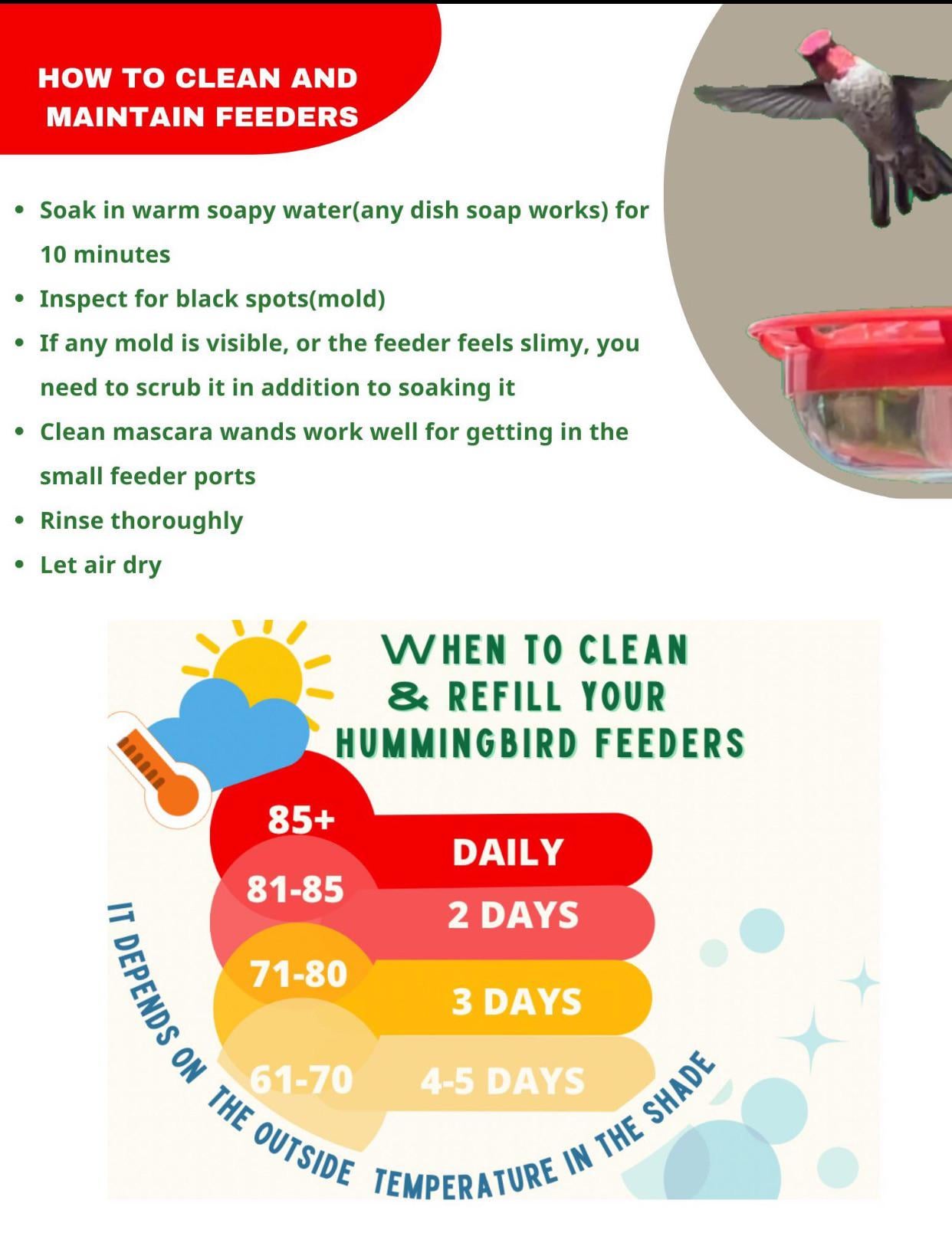
Change the nectar every 2-3 days, especially in warm weather, to keep it fresh. Clean the feeder thoroughly with hot water (no soap) before refilling to prevent mold growth. Have you ever tried homemade nectar and noticed more frequent visits? Freshness really makes a difference in attracting hummingbirds.
Frequently Asked Questions
What Time Do Hummingbirds Start Feeding?
Hummingbirds typically start feeding at dawn. They are most active during the early morning hours. This is when flowers are fresh and nectar is abundant. Feeding in the morning helps them gain energy for the day. It’s a crucial time for their daily activities.
Do Hummingbirds Feed At Night?
Hummingbirds rarely feed at night. They usually rest during this time to conserve energy. However, if they do, it’s typically under artificial light. Night feeding is uncommon and only happens in some situations. Their main feeding times are during daylight hours.
How Often Do Hummingbirds Eat Daily?
Hummingbirds eat several times a day. They need frequent meals to sustain their energy. Their rapid metabolism requires constant food intake. Typically, they feed every 10-15 minutes. This frequent feeding helps them maintain their high energy levels.
Are Hummingbirds More Active At Dawn Or Dusk?
Hummingbirds are most active at dawn. Dusk is also a feeding time, but less intense. They take advantage of cooler morning temperatures. Dawn feeding helps them prepare for the day. Dusk is a secondary, less active feeding period.
Conclusion
Hummingbirds feed mostly in the early morning and late afternoon. These times offer the best nectar and least competition. Watching them during these hours shows their busy and lively nature. Feeding patterns help gardeners plan flower planting and feeder placement.
Knowing when hummingbirds eat can improve your chances to see them up close. Simple tips like these make birdwatching more fun and rewarding. Keep observing, and enjoy the beauty of these tiny birds throughout the day.