
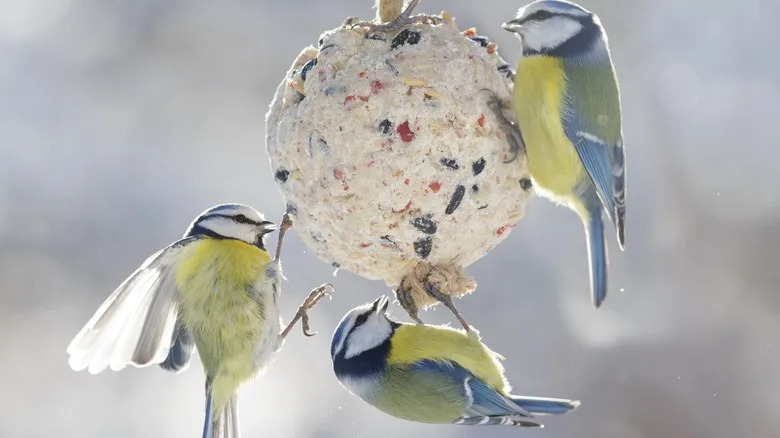
Are you tired of large birds taking over your suet feeder and scaring away the smaller birds you want to attract? You’re not alone.
It can be frustrating when your peaceful backyard birdwatching turns into a battle for space. But don’t worry—there are simple, effective ways to keep those big birds from landing on your feeder without harming them. You’ll discover easy tips and tricks that will help you protect your suet feeder and enjoy watching the smaller birds you love.
Keep reading to find out how you can take control and create a bird-friendly space that suits everyone.

Credit: www.allaboutbirds.org
Choose The Right Feeder
Choosing the right feeder is important to keep large birds away from your suet feeder. The design can control which birds can access the food. A feeder made for smaller birds helps prevent bigger birds from taking over. This way, you can enjoy watching your favorite small birds without interruptions.
Opt For Small Feeding Ports
Small feeding ports limit access to the suet inside. Only birds with small beaks can reach the food. Large birds find it hard to fit their beaks into these small openings. This design helps keep big birds from landing and eating all the suet. It also reduces fights between different bird sizes.
Use Weight-sensitive Feeders
Weight-sensitive feeders close the feeding ports for heavy birds. They open only when a light bird lands on them. This stops large birds from perching and eating. These feeders protect the suet for smaller birds. They also help keep your feeder clean and safe.
Select Appropriate Suet Types
Selecting the right suet types plays a key role in keeping large birds away from your feeder. Large birds prefer certain suet blends and flavors. Choosing suet designed for small birds helps attract the right visitors. Small bird suet often contains ingredients that large birds do not favor.
Using the correct suet also ensures your feeder remains a safe and peaceful spot. Small birds get the nutrition they need without competition from bigger birds. This careful selection makes your backyard birdwatching more enjoyable.
Pick Suet For Small Birds
Choose suet blocks made with ingredients that appeal to small birds. These often include:
- Sunflower seeds
- Millet
- Cracked corn
- Peanuts in small pieces
Look for suet labeled for species like chickadees, nuthatches, and titmice. These blends tend to be less attractive to large birds such as starlings or grackles. The texture is usually softer and easier for small birds to peck.
Avoid Attracting Large Birds With Flavor
Large birds prefer strong, oily flavors in suet. Avoid suet with peanut butter, bacon, or other rich additives. These flavors draw bigger birds and may cause them to dominate your feeder.
Keep the suet simple and plain. This discourages large birds from landing. It also helps small birds feed safely without being chased away.
Modify Feeder Placement
Adjusting the placement of your suet feeder can make a big difference in keeping large birds away. The right spot can discourage them from landing while still attracting the smaller birds you want to see. Small changes in location can change which birds visit and how often.
Hang Feeders Away From Perches
Large birds often use nearby perches to watch for food and plan their landing. Hanging your feeder at least 10 feet away from any tree branches, poles, or ledges reduces these easy access points. This distance makes it harder for big birds to swoop down undetected.
Try suspending the feeder from a thin wire or a long arm that sways in the wind. This movement can further discourage heavy birds from settling. Have you noticed how a feeder hanging in open space attracts more nimble, smaller birds?
Use Branches And Structures To Limit Access
Strategically placing branches or adding small barriers around your feeder can block larger birds physically. Use thin branches or lightweight mesh to create a natural fence that smaller birds can slip through but big birds can’t. This subtle tactic keeps your feeder inviting to the right visitors.
Think about the local bird species and how they fly or perch. Placing obstacles that don’t interfere with small birds’ flight paths but block larger wingspan access is key. Have you tried rearranging nearby branches to see which spots work best for your favorite birds?
Install Physical Barriers
Installing physical barriers is a smart way to control which birds visit your suet feeder. These barriers help you keep larger birds away without harming them, ensuring the smaller birds you want to attract get their share. You can use simple additions that create an inviting space for smaller birds while making it difficult for big birds to land or perch.
Add Wire Cages Around Feeders
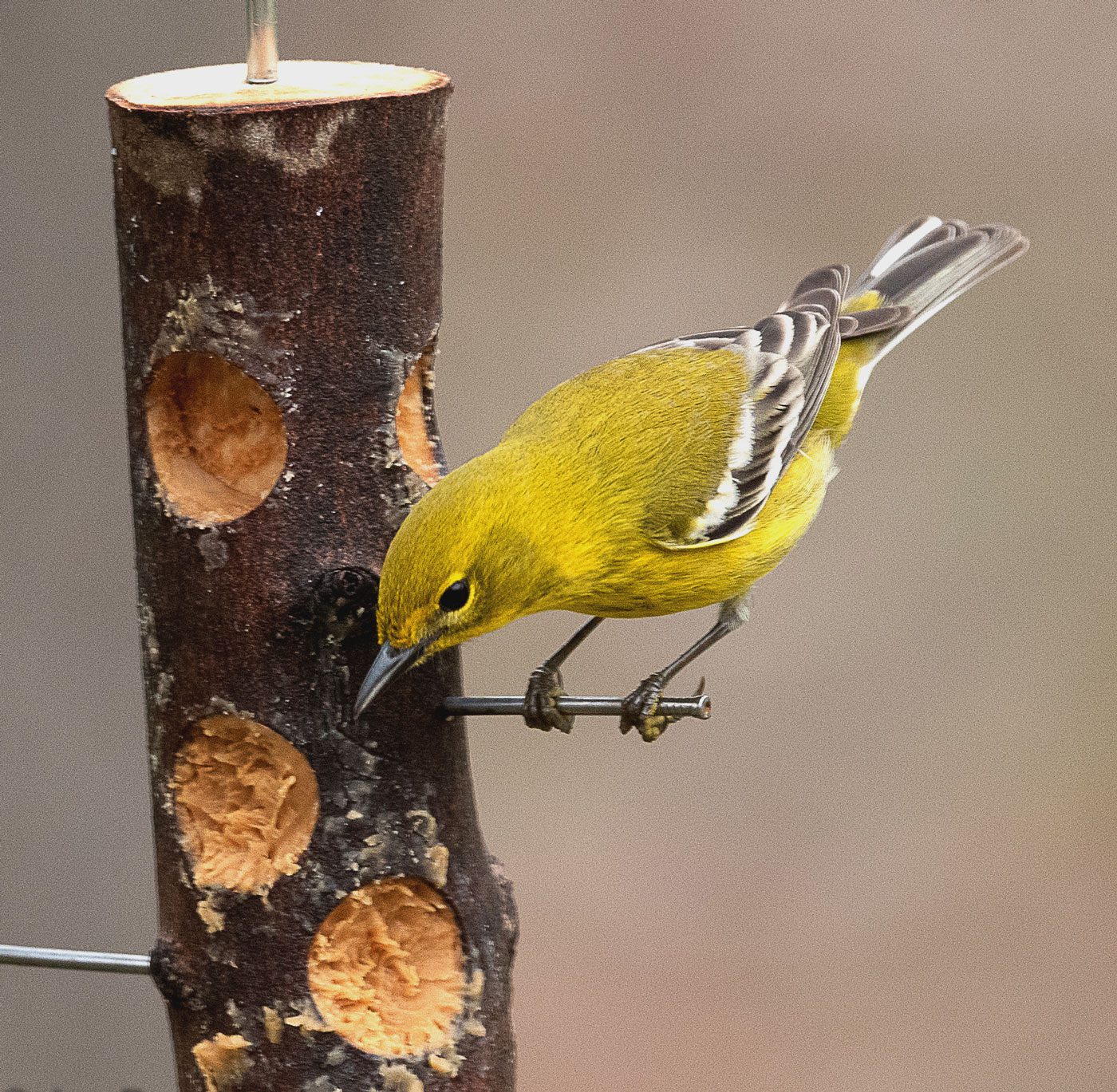
Wire cages act as a protective shield around your suet feeder. They allow small birds to enter and feed while keeping larger birds out. The openings in the cage should be just wide enough for small birds like chickadees or nuthatches.
Choosing the right wire gauge is important. Too wide, and big birds can squeeze through. Too narrow, and even your target birds might struggle. A cage also adds a layer of security against squirrels, which often compete for suet.
Have you noticed how quickly crows or grackles dominate your feeder? A wire cage can stop them from landing directly on the suet. This simple adjustment can make your feeder a peaceful spot for smaller birds.
Use Spikes Or Guards On Perches
Spikes or guards on feeder perches discourage large birds from settling down. These are plastic or metal strips with small points that don’t harm birds but prevent them from comfortably landing. This tactic works well on horizontal surfaces where big birds usually land.
Installing these spikes on your feeder’s perches can limit access to large birds like pigeons and starlings. Small birds, which are more agile, can still navigate the space without trouble. This method keeps the feeder accessible but less attractive to bigger visitors.
Think about your current feeder setup—are there wide, flat perches where large birds can rest? Adding guards there can change the dynamic quickly. It’s an easy, low-maintenance way to protect your suet from being monopolized.
Use Deterrents For Large Birds
Using deterrents for large birds can be a smart way to protect your suet feeder without causing harm or stress to the wildlife. These deterrents help create a feeding environment that favors smaller birds, allowing them to enjoy the suet without competition. You might be surprised how simple adjustments can make a big difference in who visits your feeder.
Employ Visual Deterrents
Visual deterrents work by creating an environment that large birds find uncomfortable or threatening. Reflective objects like old CDs, aluminum foil strips, or specially designed bird scare tape can catch sunlight and create flashes that keep big birds away.
Another effective option is placing predator decoys such as fake owls or hawks near your feeder. Moving these decoys occasionally increases their effectiveness because birds quickly learn if a threat doesn’t move. Have you noticed how your own pets react to certain objects? Birds respond similarly to these visual cues.
Apply Sound-based Repellents
Sound-based repellents use noises that disturb large birds without affecting smaller species too much. Devices emitting predator calls or distress signals can discourage big birds from settling at your feeder.
Alternatively, simple solutions like wind chimes or noisy objects that move with the breeze can create an unpredictable sound environment. This unpredictability often discourages larger birds more than smaller ones. Have you considered how sound shapes your outdoor space? It might be the key to keeping your feeder peaceful for the birds you want to attract.
Credit: www.allaboutbirds.org
Maintain Feeder Hygiene
Maintaining feeder hygiene plays a key role in keeping large birds away from suet feeders. Clean feeders create a healthy environment for smaller birds, making them feel safe to visit. Dirt and old food attract unwanted visitors, including big birds that can scare smaller species away.
Regular care of your feeder helps prevent disease and reduces the chance of large birds landing. It also keeps the suet fresh and appealing to the birds you want to attract.
Clean Feeders Regularly
Wash suet feeders with warm, soapy water every two weeks. Use a brush to remove stuck-on debris and old suet. Rinse well to remove soap residue. Dry the feeder completely before refilling it. This stops mold and bacteria growth that attract large birds.
Remove Spilled Food Promptly
Check the ground under the feeder daily for spilled suet. Clean up any mess quickly to avoid attracting large birds and pests. Use a small broom or rake to keep the area tidy. A clean feeding spot encourages small birds to return often.
Monitor And Adjust Strategies
Keeping large birds away from your suet feeder requires ongoing attention. Monitor and adjust strategies often to ensure smaller birds get the food. This process involves watching bird behavior closely and changing your methods based on what you see. It helps maintain a peaceful feeding area and protects the suet from being dominated by bigger birds.
Observe Bird Behavior
Spend time near your feeder to watch which birds visit. Notice how often large birds land and how they act around the feeder. Look for patterns like the time of day they come or how aggressive they are. Pay attention to smaller birds’ reactions when large birds appear. This information guides your next steps.
Adapt Methods As Needed
Change your approach based on bird behavior observations. Try different feeder placements or heights to discourage large birds. Use feeders with smaller perches or weight-sensitive mechanisms. Swap suet types to those less appealing to big birds. Keep adjusting until you find what works best for your backyard birds.

Credit: www.wildlifenomads.com
Frequently Asked Questions
How To Keep Large Birds Away From Suet Feeders?
Use feeders with smaller perches and weight-sensitive mechanisms. Place feeders in open areas to deter large birds. Regularly clean and maintain feeders to discourage unwanted visitors.
Which Suet Feeder Designs Deter Big Birds?
Choose suet feeders with small openings and no large perches. Weight-activated feeders close access when heavy birds land. These designs help limit access to smaller, desired birds.
Can Feeder Placement Affect Large Bird Visits?
Yes, placing feeders away from large bird habitats reduces their visits. Hang feeders in open spaces and away from trees or ledges. This limits large birds’ ability to perch nearby.
What Suet Types Discourage Large Birds?
Use suet blocks with spicy or bitter additives safe for birds. These flavors repel larger birds but attract smaller species. Avoid sweet or oily suet that attracts all bird sizes.
Conclusion
Preventing large birds from landing on your suet feeder is doable. Use smaller feeders to deter them. Hang feeders in tricky spots. Consider using feeder cages. These steps help keep unwanted visitors away. Your small birds will enjoy the food without competition.
Maintaining this balance is important. Keep experimenting with different methods. Find what works best for your yard. Happy bird watching!