
Are you ready to turn your backyard into a vibrant haven for birds? Knowing what to put on a bird feeder can make all the difference in attracting a diverse array of feathered friends.
Whether you’re a seasoned bird enthusiast or just getting started, this guide will open your eyes to the best choices for your feeder. Imagine the joy of watching colorful birds flutter around, chirping happily as they feast on your offerings.
Not only will you enjoy the beauty they bring, but you’ll also play a crucial role in supporting local wildlife. So, what should you put on your bird feeder to invite these delightful visitors? Let’s dive into the details and transform your outdoor space into a bird paradise.
Credit: dengarden.com
Popular Bird Foods
Choosing the right foods for your bird feeder attracts a variety of birds. Popular bird foods provide essential nutrients and energy. They help birds stay healthy and active through all seasons. Offering diverse food types supports different bird species in your area.
Seeds That Attract Most Birds
- Black oil sunflower seeds are a top choice. They have thin shells and high oil content.
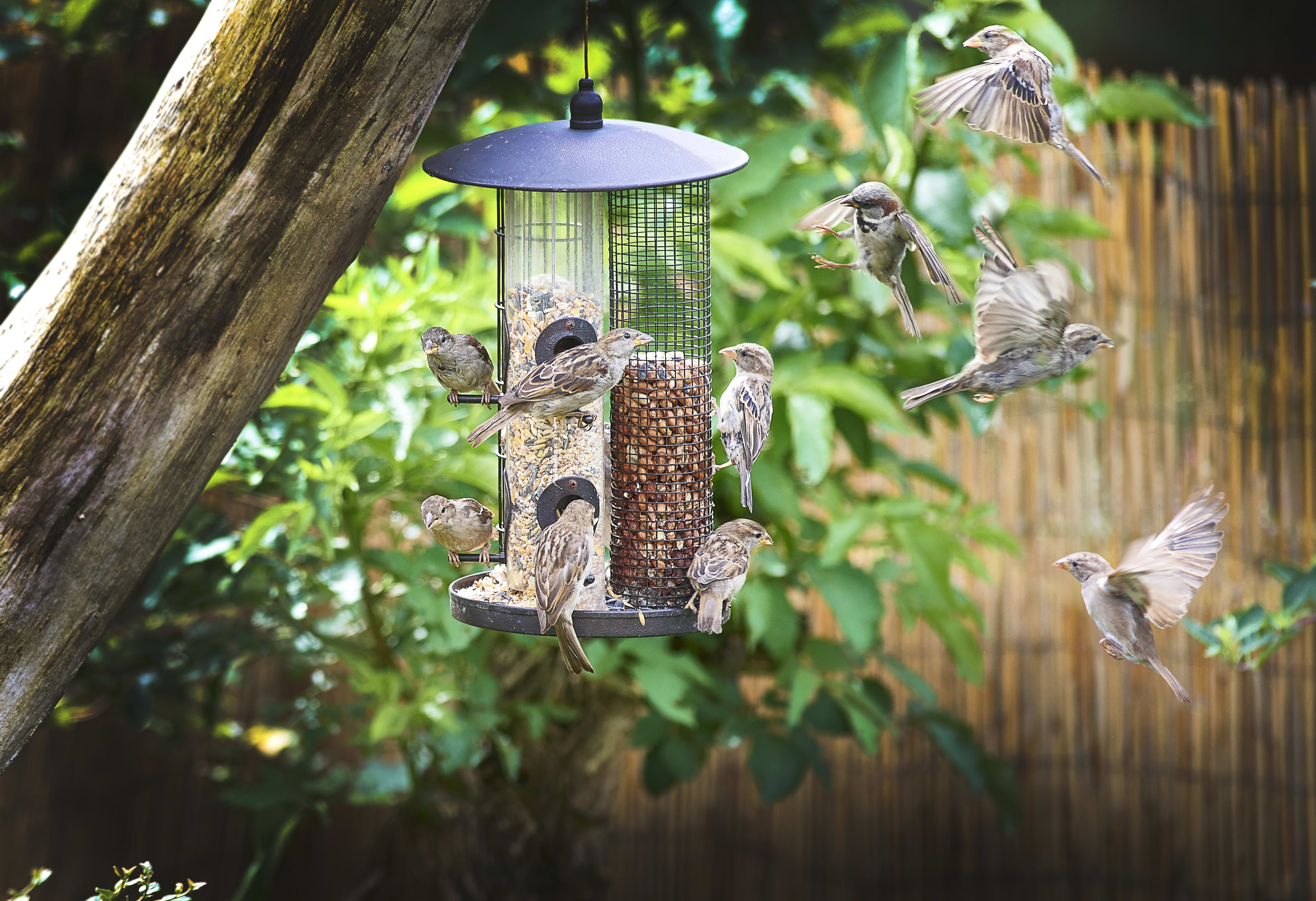
- Millet attracts small ground-feeding birds like sparrows and doves.
- Safflower seeds appeal to cardinals and finches. They are less liked by squirrels.
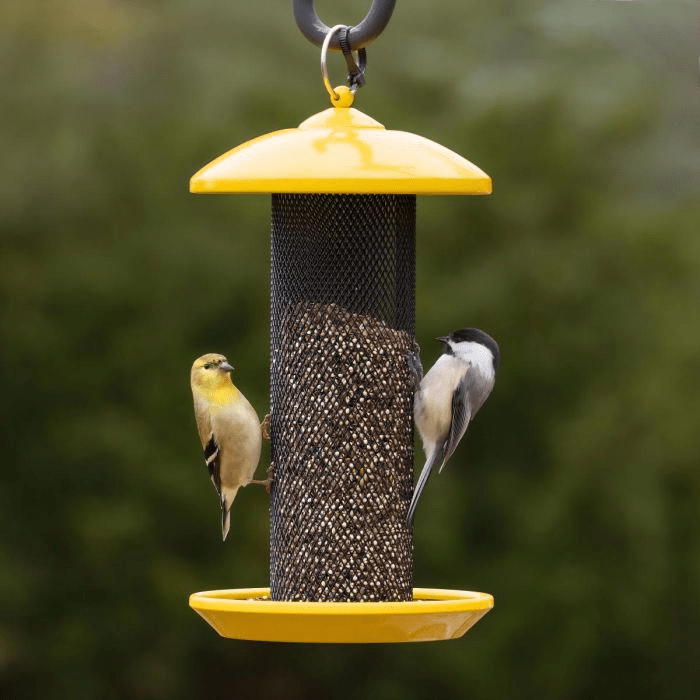
- Nyjer (thistle) seeds draw finches such as goldfinches and siskins.
Fruits Loved By Birds
- Apples provide a juicy treat for robins and waxwings.
- Oranges attract orioles and tanagers with their bright color and sweetness.
- Berries like blueberries, raspberries, and elderberries are favorites for many songbirds.
- Grapes serve as a tasty snack for mockingbirds and thrushes.
Nuts For Nut-loving Birds
- Peanuts are popular with woodpeckers, jays, and chickadees. Use unsalted and shelled types.
- Walnuts offer a nutritious option for larger birds like jays and nuthatches.
- Almonds attract a range of birds, but chop them into smaller pieces.
Insects And Mealworms
- Mealworms are a protein-rich food loved by bluebirds and wrens.
- Live or dried insects support insect-eating birds during breeding season.
- Offering insects helps young birds grow strong and healthy.
Choosing Seeds For Specific Birds
Choosing the right seeds for your bird feeder attracts specific bird species to your yard. Different birds prefer different seeds. Offering the correct seeds helps you enjoy watching a variety of birds.
Some seeds are popular among many birds, while others appeal to certain types only. Understanding these preferences improves your feeding experience.
Sunflower Seeds For Songbirds
Black oil sunflower seeds are a favorite for many songbirds. They have thin shells, making them easy to crack. Birds like cardinals, chickadees, and titmice love these seeds. They provide high energy and nutrition.
Nyjer Seeds For Finches
Nyjer seeds attract finches like goldfinches and siskins. These tiny seeds fit perfectly in finches’ small beaks. Nyjer seeds need special feeders with small holes to keep the seeds from spilling. They are high in oil and very nutritious.
Millet For Ground Feeders
White proso millet is ideal for ground-feeding birds. Sparrows, doves, and juncos enjoy millet the most. It falls easily to the ground, so scatter it below feeders. Millet is affordable and helps attract a wider range of birds.
Fruits And Suet Options
Fruits and suet are excellent additions to your bird feeder, offering a tasty and nutritious variety that attracts different bird species. These options can provide essential energy, especially during colder months when natural food is scarce. Understanding which fruits and suet types appeal to which birds helps you create a more inviting and diverse feeding station.
Berries For Orioles And Thrushes
Berries like mulberries, elderberries, and blueberries are favorites for orioles and thrushes. These birds are drawn to the sweet taste and bright colors of berries. Offering fresh or dried berries can encourage orioles to visit your feeder regularly, while thrushes enjoy foraging on the ground for fallen berries.
Think about adding a small dish or platform feeder for berries to keep them accessible and clean. Have you noticed which berry types attract the most birds in your area? Trying different varieties can reveal surprising preferences.
Apples And Oranges
Apples and oranges are simple fruits you can slice and place on your feeder. Orioles and woodpeckers especially enjoy these juicy treats. Make sure to cut fruit into manageable pieces and remove any seeds that might be harmful.
Place fruit slices on a platform feeder or skewer them on hanging feeders to keep them fresh longer. Have you seen how quickly birds can find and finish these sweet snacks? It’s a rewarding way to watch nature up close.
Suet Cakes For Woodpeckers
Suet cakes provide high-energy fat that woodpeckers, nuthatches, and chickadees love. These cakes often contain seeds, nuts, and fruits mixed in, making them a complete snack. Hanging suet feeders in shady spots keeps the cakes from melting too quickly.
Use suet cakes especially in winter when birds need extra calories. Ever noticed how woodpeckers cling to suet feeders, tapping away with their strong beaks? Offering suet can turn your yard into a lively hub of activity.
Credit: www.kingsyard.com
Avoiding Harmful Foods
Feeding birds is a joyful activity, but it requires care. Some foods can harm birds instead of helping them. Avoiding harmful foods keeps birds healthy and happy. Knowing what to exclude is just as important as knowing what to include.
Foods Toxic To Birds
Many common foods are toxic to birds. Avoid feeding:
- Chocolate
- Avocado
- Onions and garlic
- Caffeine
- Alcohol
- Raw beans
These foods can cause illness or death. Always research before offering new foods.
Moldy Or Spoiled Food
Moldy or spoiled food is dangerous. Birds can get sick from eating it. Remove old seeds and food daily. Keep feeders clean and dry to prevent mold growth. Fresh food supports strong bird health.
Salt And Sugar Restrictions
High salt and sugar levels harm birds. Avoid salty snacks and sugary treats. These can cause dehydration and heart problems. Use natural foods like seeds and nuts instead. Healthy feeding helps birds thrive.
Seasonal Food Choices
Choosing the right food for your bird feeder changes with the seasons. Birds need different nutrients at different times of the year. Providing seasonal food helps them stay healthy and strong. It also attracts a variety of birds to your feeder throughout the year.
Winter Feeding Tips
Winter is tough for birds. Food becomes scarce and energy needs rise. Offer high-energy foods like sunflower seeds, suet, and peanuts. These provide fat and protein to keep birds warm. Avoid foods that freeze or spoil quickly. Keep feeders clean and dry to prevent mold.
Summer Feeding Adjustments
Summer brings plenty of natural food. Focus on light, fresh options. Offer fruits like berries and chopped apples. Provide nectar for hummingbirds. Avoid fatty foods that can spoil fast in heat. Keep water available for drinking and bathing.
Migratory Season Foods
During migration, birds need fuel for long flights. Offer foods rich in fat and carbohydrates. Black oil sunflower seeds, suet, and mealworms work well. Fresh fruit helps too. Refill feeders often as many birds pass through quickly.
Credit: dengarden.com
Tips For Feeding Wild Birds
Feeding wild birds can be a joyful experience. It helps you enjoy nature up close and supports local wildlife. Simple tips can keep birds safe and healthy while visiting your feeder. Clean feeders, proper food storage, and good placement are key factors.
Cleaning And Maintenance
Regular cleaning stops mold and bacteria growth. Wash feeders with warm water and mild soap. Rinse thoroughly to remove soap residue. Dry feeders completely before refilling. Clean at least once every two weeks. Increase cleaning frequency during wet weather or heavy use.
Food Storage Best Practices
Store bird food in cool, dry places. Use airtight containers to keep food fresh. Avoid storing food near direct sunlight or moisture. Check food for mold or pests before use. Discard any old or spoiled food immediately. Proper storage protects birds from illness.
Positioning Your Feeder
Place feeders where birds feel safe. Choose spots away from predators like cats. Near trees or shrubs offers shelter and perches. Avoid placing feeders too close to windows. Use feeder baffles to prevent squirrel access. Position feeders so you can watch birds comfortably.
Frequently Asked Questions
What Seeds Attract The Most Birds To Feeders?
Black oil sunflower seeds attract the most bird species. They have a thin shell and high oil content. Nyjer seeds are ideal for finches. Mixed seed blends can also attract various birds but check for quality and freshness.
Can I Put Fruit On My Bird Feeder?
Yes, many birds enjoy fruit like berries, apples, and oranges. Offer fresh or dried fruit in a separate feeder or platform. Avoid fruit with pesticides or preservatives. Fruit attracts species like orioles, robins, and tanagers.
Is It Safe To Feed Birds Bread Or Crackers?
No, bread and crackers lack proper nutrients for birds. They can cause malnutrition and attract pests. Instead, provide natural seeds, nuts, or fruits. Feeding healthy food supports birds’ health and encourages natural foraging behavior.
How Often Should I Clean My Bird Feeder?
Clean your bird feeder every two weeks or when dirty. Use hot water and mild soap to remove mold and bacteria. Rinse thoroughly and dry before refilling. Regular cleaning prevents disease spread among visiting birds.
Conclusion
Feeding birds brings joy and helps nature close by. Choose seeds that suit local birds well. Keep the feeder clean to keep birds healthy. Change food often to avoid mold and bugs. Watch birds visit and enjoy their bright colors.
Small efforts make a big difference for wild birds. Try different foods and see which birds come. Feeding birds can brighten your day and theirs too. Simple care keeps your feeder busy and birds happy.