

If you’ve ever found a baby bird outside your window, you know how heart-wrenching it can be. That tiny creature, chirping for help, tugs at your heartstrings.
You want to help, but what should you feed it? Feeding a baby bird from home can be a delicate task, and knowing what to give them is crucial for their survival and growth. Missteps can be harmful, but with the right guidance, you can make a world of difference for that little life.
In this guide, you’ll uncover the secrets of nurturing these fragile creatures with the right food and care. Dive in, because your new feathered friend depends on it.
Credit: www.petsradar.com
Choosing Safe Foods
Choosing safe foods is crucial when feeding a baby bird at home. Birds have delicate digestive systems that require gentle, nutritious meals. Offering the right foods helps them grow strong and healthy. Unsafe foods can cause harm or delay their development. Always select fresh, natural ingredients without additives or spices. Prepare the food carefully to ensure it is soft enough for the baby bird to eat easily.
Fruits Suitable For Baby Birds
- Apples (peeled and finely chopped)
- Bananas (mashed)
- Berries like blueberries and strawberries (soft and small pieces)
- Melons (seedless and diced)
- Pears (peeled and chopped)
Fruits provide essential vitamins and hydration. Avoid citrus fruits as they may upset their stomach.
Vegetables To Include
- Carrots (cooked and mashed)
- Peas (soft and shelled)
- Spinach (lightly cooked and chopped)
- Sweet potatoes (cooked and mashed)
- Green beans (steamed and cut small)
Vegetables add fiber and nutrients. Always cook or steam to soften them before feeding.
Proteins From Home
- Boiled eggs (mashed yolk and white)
- Cooked chicken (finely shredded without seasoning)
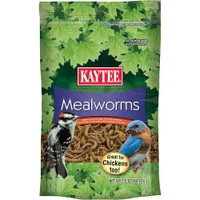
- Mealworms (small and fresh)
- Plain yogurt (small amounts for calcium)
Protein is vital for growth and energy. Avoid raw meat or eggs and never use seasoned foods.

Credit: www.reddit.com
Preparing The Food
Preparing food for a baby bird at home needs care and attention. The food must be soft and easy to swallow. It should also be safe and served at the right temperature. These factors help the baby bird digest food well and grow strong.
Mashing And Chopping Techniques
Use a fork or spoon to mash fruits and vegetables until smooth. Chop insects or meat into very small pieces. Avoid large chunks that the baby bird cannot swallow. A blender can help make a smooth paste. This texture is gentle on the bird’s throat and stomach.
Avoiding Harmful Ingredients
Do not add salt, sugar, or spices to the food. Avoid giving milk or dairy products. Some fruits like avocado are toxic to birds. Stay away from chocolate and caffeine. Only offer fresh, clean, and natural ingredients. These steps keep the baby bird safe and healthy.
Maintaining Proper Temperature
Warm the food to about body temperature, around 100°F (38°C). Test the food on your wrist before feeding. The food should feel warm but not hot. Cold or hot food can harm the baby bird’s sensitive crop. Use a warm water bath or microwave for heating, but stir well to avoid hot spots.
Feeding Methods
Feeding a baby bird at home requires careful attention to how and when you feed it. Proper feeding methods ensure the bird gets the right nutrients and stays healthy. Feeding should mimic what the mother bird would provide in the wild. This helps the baby bird grow strong and develop well.
Hand-feeding Tips
Wash your hands before feeding to avoid germs. Use gentle, slow movements to avoid frightening the bird. Offer small bites of soft, easy-to-digest food. Never force the food into the bird’s mouth. Watch for signs the bird is full or stressed. Keep the bird warm and calm during feeding times.
Using Feeding Tools
Use small syringes or spoons to feed baby birds safely. Syringes help control the amount of food given. Avoid sharp or large tools that can harm the bird. Use clean tools each time to prevent infections. Warm the food to body temperature before feeding. Feeding tools should be easy to handle and clean.
Feeding Frequency And Amounts
Feed baby birds often, about every 15 to 30 minutes. Young birds need frequent meals for energy and growth. Gradually increase the time between feedings as the bird grows. Offer food amounts that the bird can eat comfortably. Overfeeding can cause health issues, so watch carefully. Keep a feeding schedule to maintain the bird’s routine.
Foods To Avoid
Knowing what not to feed a baby bird is just as important as knowing what to feed it. Offering the wrong foods can harm their delicate systems or even be fatal. Let’s look closely at the types of foods you should avoid keeping your little feathered friend safe and healthy.
Toxic Foods For Baby Birds
Many common household foods are toxic to baby birds and can cause severe illness. Avoid giving them:
- Avocado– Contains persin, which is poisonous to birds.
- Chocolate– Even small amounts can cause heart and nervous system problems.
- Caffeine– Found in coffee, tea, and sodas, it can be deadly.
- Onions and garlic– These can damage their red blood cells.
- Alcohol– Never offer any alcoholic drinks or foods containing alcohol.
Have you ever thought about how a single piece of chocolate could affect such a tiny bird? It’s better to keep these items completely out of reach.
Choking Hazards
Baby birds have small throats, making some foods dangerous due to choking risk. Steer clear of:
- Whole nuts or large seeds
- Chunks of hard fruits like raw apple pieces
- Sticky foods like peanut butter in thick amounts
Cut foods into tiny, manageable pieces or mash them to a smooth consistency. Think about how you would feed a baby—you want to make eating easy and safe.
Foods That Cause Digestive Issues
Some foods can upset a baby bird’s sensitive digestive system, leading to diarrhea or worse. Avoid:
- Dairy products – Birds can’t digest lactose
- Salty or sugary snacks – These can dehydrate or harm organs
- Raw beans or potatoes – Contain toxins harmful to birds
Instead, focus on plain, bird-safe options. Have you noticed how sensitive birds can be to changes in their diet? Keeping their tummy happy means choosing foods carefully.
Monitoring Bird Health
Keeping a close eye on your baby bird’s health is crucial when feeding it at home. Proper monitoring helps you catch any issues early and ensures the little one grows strong. Your observations can guide adjustments in diet and care to give the bird the best chance to thrive.
Signs Of Proper Nutrition
Healthy baby birds usually have bright, clear eyes and a clean, smooth beak. Their feathers should start looking glossy as they develop, and they’ll gain weight steadily. You might notice the bird becoming more active and responsive each day, which is a good sign of proper nourishment.
Have you ever weighed your baby bird daily? Even small weight changes can tell you if the food is meeting its needs.
Recognizing Feeding Problems
Watch for signs like lethargy, dull feathers, or slow growth, as these often indicate the bird isn’t getting enough nutrients. If the bird refuses to eat or vomits frequently, it’s a red flag. Sometimes, you might see swelling around the crop or mouth, suggesting feeding difficulties or infection.
Ask yourself: Is the baby bird behaving like it’s hungry or uncomfortable? Those subtle cues matter a lot.
When To Consult A Wildlife Expert
If you notice persistent weight loss, abnormal droppings, or unusual behavior despite your care, it’s time to get professional advice. Experts can diagnose issues that aren’t obvious and suggest specific treatments or diet changes. Don’t hesitate to reach out; your timely action can save the bird’s life.
Remember, some problems need more than just food adjustments—they require expert intervention.
Credit: pethelpful.com
Frequently Asked Questions
What Can I Feed A Baby Bird At Home?
You can feed baby birds with soaked dog or cat kibble, hard-boiled eggs, and finely chopped fruits. Avoid milk and bread.
How Often Should I Feed A Baby Bird?
Feed baby birds every 15-20 minutes from dawn to dusk. Frequency depends on age and species.
Can I Use Formula For Baby Birds?
Yes, commercial hand-feeding formulas are best for nutrition. Mix as directed and feed warm for best results.
Is Water Necessary For Feeding Baby Birds?
Baby birds usually get water from their food. Avoid giving water separately to prevent choking.
Conclusion
Feeding a baby bird at home needs care and patience. Use soft, nutritious food like soaked dog kibble or mealworms. Offer small amounts often to keep the bird healthy. Avoid giving bread or milk, as they can harm the bird.
Always keep food fresh and clean. Watching the baby bird grow is very rewarding. Your help makes a big difference in its survival. Keep learning about bird care to give the best support. Every small step counts in helping a baby bird thrive.