

Feeding a baby bird can feel like a daunting task, especially when you’re unsure of where to start. You’ve likely come across a tiny, feathered friend in need and want to ensure you’re providing the best care possible.
The thought of nurturing a vulnerable creature tugs at the heartstrings, and you’re not alone in wanting to do what’s right. By understanding what to feed a baby bird, you not only give it a fighting chance but also experience the satisfaction of contributing to its growth and survival.
You’ll discover simple, effective feeding methods that will help you become a confident caretaker. Stick with us, and you’ll learn exactly what your baby bird needs to thrive.
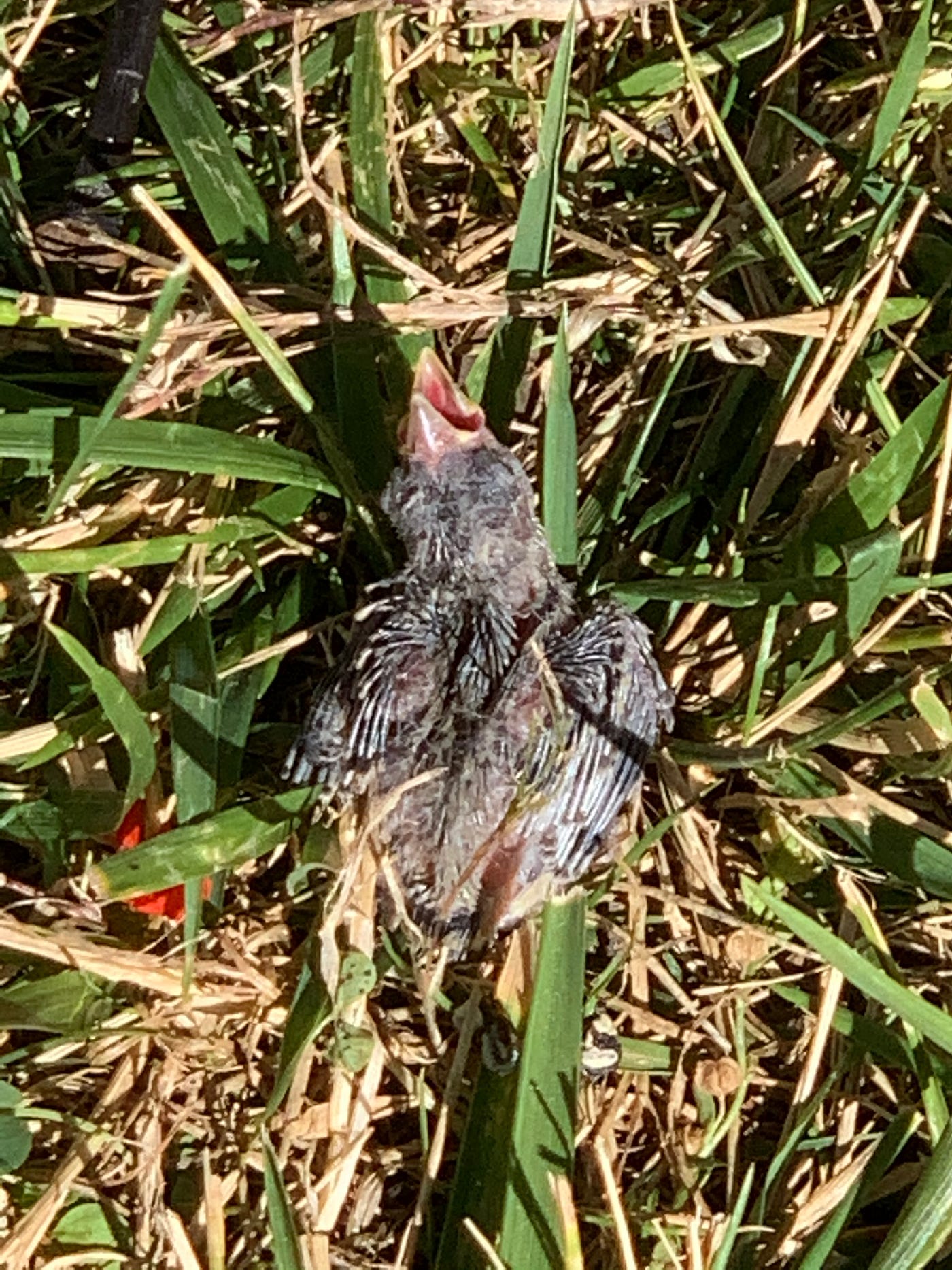
Credit: medium.com
Choosing The Right Food
Choosing the right food for a baby bird is crucial to ensure it grows healthy and strong. The food you provide must meet its nutritional needs and be easy for the bird to digest. Understanding what baby birds naturally eat helps you make better feeding choices.
Natural Diet Of Baby Birds
Most baby birds rely on their parents to feed them a diet rich in protein and moisture. This often includes insects, worms, and soft fruits. For example, many songbirds’ chicks primarily eat small insects because they provide essential proteins and fats needed for rapid growth.
Have you noticed how some baby birds’ diets change as they grow? Initially, they need softer, high-protein foods. As they develop, they gradually start eating seeds or fruits, depending on their species.
Commercial Baby Bird Formulas
Commercial formulas are designed to mimic the nutritional content of natural diets. These products are often balanced with proteins, fats, vitamins, and minerals. They come in powder or paste form and are easy to prepare.
If you’ve ever struggled with feeding a baby bird, commercial formulas can save you a lot of time and worry. They reduce the risk of nutritional deficiencies and are especially useful when the natural diet is hard to replicate. Always check the ingredients list and choose a formula suitable for your bird’s species.
Homemade Feeding Options
Making your own baby bird food can be rewarding, but it requires careful attention to nutrition. Common homemade recipes include mashed boiled eggs, soaked dog biscuits, and finely chopped fruits or vegetables. Adding a bit of baby cereal or rice can provide extra energy.
Remember, homemade options must be soft and easy to swallow. You can experiment with small batches to see what your bird prefers. Do you think you could create a mix that matches the natural diet closely? Keep a close eye on the baby bird’s reactions and adjust the recipe accordingly.
Key Nutrients For Growth
Bird babies need special nutrients to grow strong and healthy. Their tiny bodies develop fast, so the right food is very important. Nutrients help build feathers, muscles, and bones. They also support energy and brain development. Understanding these key nutrients ensures the baby bird thrives in its early days.
Proteins And Amino Acids
Proteins are the building blocks for a baby bird’s body. They help form muscles and repair tissues. Amino acids, parts of proteins, are essential for growth. Foods rich in protein include insects, small worms, and soft seeds. Without enough protein, birds may grow weak or develop slowly.
Vitamins And Minerals
Vitamins and minerals support many body functions. Vitamin A helps keep the bird’s eyes and skin healthy. Calcium and phosphorus build strong bones and beaks. Iron helps carry oxygen in the blood. Fruits, vegetables, and some insects provide these important nutrients. A lack of vitamins or minerals can cause health problems.
Fats And Carbohydrates
Fats give baby birds energy and help absorb vitamins. Carbohydrates are quick energy sources for daily activities. Seeds and soft fruits often contain fats and carbs. These nutrients keep the bird active and warm. Balanced fats and carbs are needed for steady growth and energy levels.
Feeding Techniques
Feeding a baby bird requires careful attention and gentle handling. Proper feeding techniques help ensure the bird grows strong and healthy. Feeding too much or too little can cause health problems. Using the right tools and following safe practices makes feeding easier and safer for both you and the bird.
Frequency And Amount
Baby birds need frequent feedings. Young birds may require feeding every 15 to 30 minutes during daylight. As they grow, reduce feeding frequency gradually. Offer small amounts to avoid overfeeding. Watch the bird’s crop to check fullness. An empty crop means more food is needed. A full crop means stop feeding and wait for digestion.
Proper Feeding Tools
Use tools designed for baby bird feeding. A small syringe or eyedropper works well for liquid food. Soft spoons can help with thicker mixtures. Avoid sharp or rough tools that can hurt the bird’s mouth. Clean tools before each feeding to prevent infections. Warm the food to body temperature for better acceptance.
Safe Feeding Practices
- Hold the bird gently but firmly to prevent injury.
- Feed the bird upright to avoid choking.
- Do not force food into the throat.
- Check the food temperature before feeding.
- Clean the bird’s beak after feeding to prevent buildup.
- Wash your hands before and after feeding.

Credit: www.reddit.com
Common Feeding Challenges
Feeding a baby bird can be challenging. Many new bird parents face unexpected problems. Understanding these common feeding challenges helps ensure the baby bird stays healthy and grows strong.
Refusal To Eat
Baby birds may refuse food for various reasons. Stress, illness, or unfamiliar food can cause refusal. Patience is important. Try offering food at regular times. Use a small syringe or spoon for gentle feeding. Warm the food slightly to improve acceptance. Observe the bird closely for signs of hunger or discomfort.
Digestive Issues
Digestive problems can occur from improper feeding. Overfeeding or feeding too quickly may cause upset stomach or diarrhea. Use small portions and feed slowly. Maintain cleanliness to prevent infections. Monitor droppings for changes in color or consistency. Consult a vet if problems persist or worsen.
Dehydration Risks
Baby birds can dehydrate quickly. Lack of water or fluid-rich food leads to dehydration. Offer water carefully using a dropper. Include watery foods like soaked pellets or fruits. Watch for dry mouth, lethargy, or sunken eyes. Immediate action is crucial to prevent severe health issues.
Signs Of Healthy Growth
Watching a baby bird grow is a rewarding experience, but knowing the signs of healthy development is crucial for their care. Healthy growth is more than just size; it reflects proper nutrition and overall well-being. By recognizing key indicators, you can adjust feeding and care to support your bird’s journey from fragile hatchling to strong fledgling.
Weight Gain Benchmarks
Tracking your baby bird’s weight regularly is one of the simplest ways to monitor growth. Most species have specific daily or weekly weight gain targets you can find online or from avian vets.
- Weigh your bird at the same time each day for consistency.
- A steady increase, even if small, means your feeding routine is working well.
- If you notice weight loss or no gain for several days, it’s a red flag to reassess diet or health.
I once cared for a finch chick that stalled in weight gain; adjusting the formula concentration helped jumpstart progress quickly.
Feather Development
Feathers tell a vivid story about your bird’s health. Look for smooth, well-formed pin feathers emerging at the right stages.
- Initially, the skin will be bare; pin feathers should start appearing within the first week for most species.
- Feathers growing unevenly or missing in patches could mean nutritional gaps.
- Healthy feathers look glossy and firm, not brittle or dull.
Have you noticed your bird’s feathers looking dull or falling out? This might signal the need for more vitamins, especially vitamin A and calcium.
Behavioral Indicators
Behavior often reflects internal health better than physical signs alone. A lively, responsive baby bird typically means it’s on the right feeding track.
- Alertness and quick reactions to your voice or movements show good energy.
- Consistent begging for food suggests hunger, but lethargy or silence can indicate weakness.
- Regular stretching and movement indicate muscle development and comfort.
One of my favorite moments was seeing a once-listless chick suddenly start chirping and flapping its wings after a diet tweak. That change told me everything was improving.
When To Wean Baby Birds
Knowing the right time to wean baby birds is crucial for their health and development. Too early, and they might struggle to eat; too late, and they could become overly dependent on you. Watching their behavior closely will guide you in making this important transition smoothly.
Transitioning To Solid Food
Start by offering small bits of soft food alongside their usual formula. You can try mashed fruits, soaked pellets, or finely chopped vegetables. This gives your baby bird a chance to explore new textures without overwhelming them.
Offer these new foods during feeding times but don’t remove the formula immediately. Gradually reduce the formula amount as your bird shows interest and success with solids. Patience here is key—rushing the process can cause frustration for both of you.
Monitoring Readiness
Look for signs that your bird is ready to eat on its own. These include pecking at food, swallowing solids, and showing less interest in begging for formula. If your bird is active and curious during feeding, it’s a good indicator they’re ready for more independence.
Keep a close eye on their weight and energy levels throughout this stage. Sudden weight loss or lethargy means you should slow down the weaning process. Your bird’s health always comes first.
Supporting Independence
Encourage your baby bird to feed itself by placing food within easy reach. Let them explore and make mistakes—this builds confidence and essential skills. You can also introduce feeding toys or puzzles to make mealtimes fun and stimulating.
Remember to keep offering formula until your bird consistently eats solids. This support ensures they don’t miss out on vital nutrients. How ready is your bird to take on this new challenge?

Credit: www.reddit.com
Frequently Asked Questions
What Is The Best Food For A Baby Bird?
The best food for a baby bird is a specialized hand-feeding formula. It provides essential nutrients for growth. Avoid feeding bread or milk, as they can harm the bird. Consult an avian vet for the best feeding schedule and diet.
How Often Should I Feed A Baby Bird?
Feed a baby bird every 15 to 20 minutes during daylight hours. As it grows, reduce feeding frequency gradually. Newborns require frequent feeding due to fast metabolism. Always keep food warm and fresh to ensure proper digestion.
Can I Feed A Baby Bird With Human Food?
Avoid feeding baby birds human food like bread or fruit. These foods lack necessary nutrients and can cause health issues. Stick to commercial hand-feeding formulas or natural options like soaked dog food. Always prioritize the bird’s dietary needs for healthy development.
When Can A Baby Bird Start Eating Solid Food?
Baby birds can start eating soft, solid food at about 2 to 3 weeks old. Introduce finely chopped fruits, seeds, or insects gradually. Monitor the bird’s readiness and adjust feeding accordingly. Solid foods help develop their natural eating habits.
Conclusion
Feeding a baby bird needs care and the right food. Soft, easy-to-digest meals help them grow strong. Fresh water is important too. Avoid giving foods that can harm the bird. Watch the bird closely for any signs of trouble. Feeding time should be gentle and calm.
This helps the baby bird feel safe and cared for. With patience and the right feeding, the bird will thrive. Keep learning and adjusting to meet its needs well. Caring for a baby bird can be very rewarding.