

Finding an abandoned baby bird can tug at your heartstrings and spark a flurry of questions about its care. Your instincts might tell you to help, but knowing exactly what to feed these vulnerable creatures can feel daunting.
The right food is crucial for their survival and growth, and getting it wrong can have serious consequences. Are you ready to learn how to be a lifeline for these tiny, feathered friends? Stick with us, and you’ll discover simple, effective tips to nourish and nurture an abandoned baby bird back to health.
Your compassionate nature and newfound knowledge can make all the difference. Let’s dive in and unravel the secrets to giving these birds a fighting chance.
Credit: www.petsradar.com
Identifying The Bird Species
Identifying the species of an abandoned baby bird is crucial before you decide what to feed it. Each bird species has unique nutritional needs and feeding habits. Recognizing the species helps avoid feeding mistakes that could harm the bird.
Common Types Of Abandoned Baby Birds
You might come across several types of baby birds needing help. Some of the most common include:
- Songbirds:Such as robins, sparrows, and finches. These birds eat insects and soft fruits.
- Waterfowl:Ducks and geese babies require a diet rich in grains and greens.
- Raptors:Hawks and owls need a protein-heavy diet, often raw meat.
- Pigeons and Doves:These birds are usually fed a special crop milk by parents, so their diet differs from others.
Have you ever noticed how different a robin chick looks compared to a duckling? That’s a clue to their species and what they need to eat.
Why Species Matters For Feeding
Feeding the wrong food can do more harm than good. Baby songbirds, for instance, need lots of protein from insects, while waterfowl chicks thrive on plant matter and grains.
Some birds, like pigeons, produce a special secretion called crop milk to feed their young. Trying to replace this with just seeds or meat won’t work.
Think about this: if you fed a baby hawk only seeds, it would miss the vital nutrients for growth. Knowing the species guides you to provide the right balance of protein, fats, and vitamins.
Signs Of A Baby Bird In Distress
Recognizing signs of distress in a baby bird is crucial before offering help. These little creatures show clear signals when they are hurt or in danger. Knowing what to look for can save their life. Pay close attention to their body and actions. Early detection helps provide the right care quickly.
Physical Indicators
- Fluffed up feathers that look messy or wet
- Visible wounds or bleeding on wings or body
- Weak or slow breathing
- Eyes closed or half-open for a long time
- Legs or wings hanging loosely
- Small size with no feather growth
- Cold body when touched
Behavioral Clues
- Lack of movement or very little response to touch
- Continuous chirping or crying sounds
- Trying to stand but falling repeatedly
- Opening mouth wide but no food intake
- Hiding head under wings or staying still
- Failing to follow or respond to nearby adults
Safe Feeding Practices
Feeding an abandoned baby bird requires careful attention to safety. Birds have delicate systems, so feeding must be gentle and clean. Safe feeding keeps the baby bird healthy and helps it grow strong. Mistakes can cause serious harm or illness. Follow clear guidelines for feeding frequency and techniques. These steps reduce stress and avoid choking or infections.
Proper Feeding Frequency
Baby birds need food often. Their small stomachs digest quickly. Feed every 15 to 20 minutes during daylight for very young birds. Older babies eat less frequently, about every 30 to 60 minutes.
Watch for signs the baby bird is full. Stop feeding if it turns away or closes its mouth. Overfeeding can cause choking or health problems.
Correct Feeding Techniques
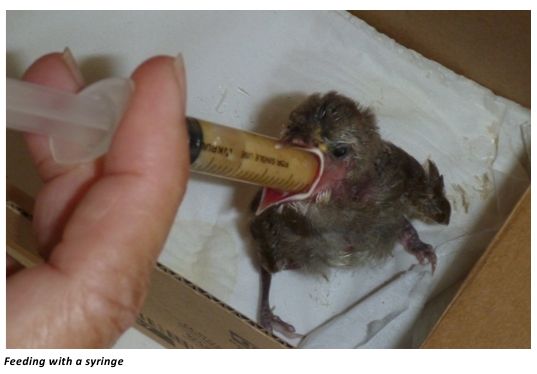
Use a small, soft tool like a syringe or eyedropper. Avoid metal or sharp objects. Warm the food to body temperature to prevent digestive issues.
- Hold the bird gently but securely.
- Place food at the edge of the beak carefully.
- Allow the bird to swallow on its own.
- Do not force food down the throat.
Keep the feeding area clean. Wash your hands before and after feeding. Clean all tools after each use to stop bacteria growth.

Credit: tracyaviary.org
Suitable Food Options
Feeding an abandoned baby bird requires careful attention to its dietary needs. The right food supports healthy growth and development. Birds need a balanced diet with proteins, fats, and vitamins. Offering suitable food options helps increase their chance of survival.
Commercial Bird Formulas
Commercial bird formulas provide a reliable nutrition source. These products are made to meet baby birds’ specific dietary needs. They contain balanced proteins, fats, and essential vitamins. Most formulas come as powders to mix with water. Using these formulas reduces the risk of nutritional gaps. They are easy to prepare and feed.
Homemade Food Alternatives
Homemade food can work if commercial formulas are unavailable. Use finely chopped boiled eggs for protein. Soft fruits like mashed bananas or apples add vitamins. Cooked rice or oatmeal provides carbohydrates and energy. Mix ingredients into a smooth paste to avoid choking. Keep food fresh and serve at room temperature. Clean feeding tools to prevent infections.
Foods To Avoid
Some foods harm baby birds and should be avoided. Do not feed bread, milk, or processed human foods. Avoid seeds and nuts that are too hard to digest. Citrus fruits and salty foods can upset their stomachs. Never give honey or chocolate as they are toxic. Avoid foods with added sugar or spices. Stick to safe and natural options only.
Hydration Needs
Hydration is crucial for the survival of an abandoned baby bird. These tiny creatures can quickly become weak without enough fluids. Providing proper hydration supports their overall health and helps them digest food better. It is important to know the right amount and safe methods to give water to baby birds.
Water Requirements
Baby birds need water, but not too much at once. Their small bodies can only hold a little fluid. Usually, a few drops of water every hour or two is enough. Overhydration can cause problems like choking or swelling. Watch the bird closely and offer water only if it looks thirsty or weak.
Safe Hydration Methods
- Use a small dropper or syringe without a needle.
- Place water drops gently on the side of the bird’s beak.
- Avoid forcing water directly into the mouth or throat.
- Keep the bird calm and steady during feeding.
- Use clean, lukewarm water to avoid shock or illness.
Never give cold or sugary drinks. Plain water is the safest choice to keep the baby bird hydrated and healthy.
Credit: besgroup.org
Creating A Feeding Schedule
Creating a feeding schedule is crucial for the health of an abandoned baby bird. It ensures the bird gets the right amount of food at the right times. A well-planned schedule supports steady growth and prevents hunger or overfeeding. Consistency in feeding times helps the bird feel secure and cared for.
Age-based Feeding Timelines
Baby birds need different feeding frequencies as they grow. Newborns require feeding every 15 to 20 minutes during daylight hours. By one week old, feedings can slow to every 30 minutes. At two weeks, feeding every hour is enough. After three weeks, feed less often, about every two hours. Once fledging starts, the bird eats fewer times but larger amounts.
Adjusting As The Bird Grows
Watch the bird’s behavior for signs to change the schedule. If the bird seems hungry, increase feeding times slightly. If it leaves food uneaten, reduce the amount or frequency. Growth stages vary, so adapt based on needs. Keep track of weight and activity to guide adjustments. A flexible schedule helps the bird thrive and develop properly.
Handling And Hygiene
Handling an abandoned baby bird requires care and attention to hygiene. Cleanliness helps keep the bird healthy. It also prevents the spread of germs. Proper hygiene protects both the bird and the caregiver.
Every feeding session needs clean tools and a safe environment. Wash your hands before and after feeding. Always use fresh food and water. Keep the feeding area tidy and dry.
Sanitizing Feeding Tools
Use warm, soapy water to clean feeding bottles and spoons. Rinse them well to remove soap residue. After washing, soak tools in a mild bleach solution for a few minutes. This kills harmful bacteria and viruses.
Let the tools air dry on a clean towel. Avoid using towels that may harbor germs. Replace feeding tools regularly to maintain hygiene.
Preventing Illness
Monitor the bird for signs of sickness like lethargy or unusual droppings. Quarantine the bird if you care for more than one. Avoid contact with wild birds to reduce infection risk.
Keep the bird’s living space clean. Change bedding often and remove waste promptly. Clean food and water containers daily. These habits reduce illness chances significantly.
When To Seek Professional Help
Knowing when to seek professional help is crucial for the survival of an abandoned baby bird. Some health issues need expert care beyond home feeding. Early intervention can save the bird’s life and improve its chances of recovery.
Signs Of Health Complications
- Weakness or inability to hold up its head
- Labored or irregular breathing
- Visible injuries or bleeding
- Unusual fluffiness or missing feathers
- Refusal to eat or drink
- Constant crying or distress
- Swelling or deformities on the body
Spotting these signs means the bird needs urgent care. Delaying professional help may worsen its condition.
Finding Wildlife Rehabilitators
Wildlife rehabilitators specialize in caring for injured or orphaned birds. They have the right tools and knowledge to nurse baby birds safely.
Contact local animal shelters or wildlife rescue centers. Many have trained staff to assist or guide you. Online directories also list licensed rehabilitators by region.
Keep the bird warm and quiet while arranging transport. Use a small box with soft cloth to avoid further stress or injury.
Frequently Asked Questions
What Is The Best Food For An Abandoned Baby Bird?
The best food for abandoned baby birds varies by species. Generally, soft insects, soaked dog food, or specialized bird formula work well. Avoid bread or milk, as they can harm the bird. Consult a wildlife expert for species-specific diets and care advice.
How Often Should I Feed An Abandoned Baby Bird?
Feed an abandoned baby bird every 15 to 20 minutes during daylight hours. Younger birds need more frequent feedings, while older ones require less. Always monitor the bird’s behavior and adjust feeding frequency accordingly to ensure proper growth and health.
Can I Use Milk To Feed A Baby Bird?
No, milk is harmful to baby birds. Birds cannot digest lactose found in milk, which may cause severe digestive issues. Stick to water, specialized bird formula, or appropriate food alternatives to ensure the bird’s safety and well-being.
How Do I Prepare Food For A Baby Bird?
Prepare baby bird food by softening dry dog or cat food with water until mushy. Alternatively, use commercial baby bird formulas. Avoid seasoning or additives. Always feed food at room temperature and in small, manageable portions for easy consumption.
Conclusion
Feeding an abandoned baby bird takes care and patience. Choose soft, easy-to-digest foods like soaked dog kibble or mealworms. Avoid giving bread or milk, as they can harm the bird. Offer small amounts often, mimicking how a mother bird feeds.
Keep the baby warm and safe while you help it grow. Remember, contacting a wildlife expert is the best way to ensure proper care. Saving a little life feels rewarding and important. Every small step counts in helping a baby bird survive.