

You’re standing in your garden, and there it is—a baby killdeer bird, chirping and looking a bit out of place. Suddenly, you’re filled with the urge to help this tiny creature.
But what do you feed a baby killdeer bird? This question probably has your mind racing, and you’re not alone. Many people find themselves in this situation, eager to lend a helping hand to nature’s little wonders. The good news is, you’re about to discover exactly what these little birds need to thrive.
By understanding their dietary needs, you can ensure they grow up strong and healthy. Stick with us, and you’ll learn the simple steps to providing the right nutrition for your feathered friend. Ready to become a baby bird hero? Let’s dive in!
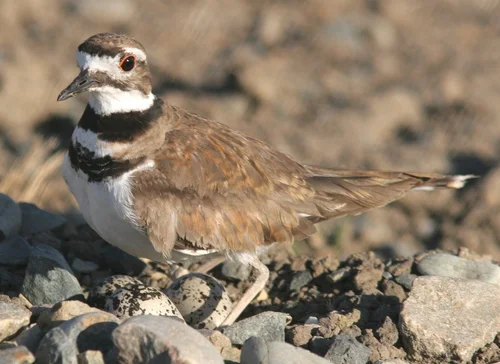
Credit: www.sacramentoaudubon.org
Diet Needs For Baby Killdeer
Feeding a baby Killdeer requires understanding their unique diet needs to ensure they grow strong and healthy. These birds have specific nutritional demands that differ from adult Killdeer, and meeting these needs is crucial for their survival. Let’s look closely at what makes up a balanced diet for these young birds and how you can provide the right foods.
Nutritional Requirements
Baby Killdeer need a diet rich in protein to support rapid growth and development. Protein helps build muscles and feathers, which are vital during their early days. Alongside protein, they require essential fats and minerals like calcium for strong bones.
Have you noticed how active baby Killdeer are? Their energy levels are high, which means they also need carbohydrates for fuel. Vitamins, especially A and E, play a key role in boosting their immune system, helping them fight off infections.
Suitable Food Types
Baby Killdeer mainly eat small insects and invertebrates. You can feed them tiny worms, beetles, ants, and caterpillars, which provide the protein and fats they need. These foods closely mimic what they find in the wild, making them ideal choices.
Don’t forget to offer some soft fruits and seeds in small amounts. These provide additional nutrients and help diversify their diet. Avoid anything processed or too large, as baby Killdeer have delicate beaks and digestive systems.
- Small live insects (mealworms, crickets)
- Soft-bodied larvae and worms
- Finely chopped soft fruits like berries
- Small seeds and grains, sparingly
Have you tried watching their feeding behavior? It can teach you a lot about the size and type of food they prefer. Observing these details helps you adjust their diet for better health and growth.
Feeding Techniques
Feeding a baby Killdeer requires patience and care. Proper feeding techniques ensure the bird grows healthy and strong. Understanding how to hand-feed, how often to feed, and the right portion sizes is essential. Each aspect plays a key role in the baby bird’s development. Let’s explore these techniques in detail.
Hand-feeding Tips
- Use tweezers or a small spoon to feed the baby bird gently.
- Offer soft, moist food that mimics natural prey like insects.
- Keep the feeding area clean to avoid infections.
- Feed the bird slowly to prevent choking.
- Hold the bird calmly to reduce stress during feeding.
Feeding Frequency
- Feed the baby Killdeer every 30 to 45 minutes during daylight hours.
- As the bird grows, gradually reduce feeding to every 2 to 3 hours.
- Do not feed at night; baby birds need rest.
- Watch for hunger signs like open mouth or chirping.
- Keep a consistent feeding schedule for stability.
Portion Sizes
- Start with small portions, about the size of a pea.
- Increase portion size as the bird’s appetite grows.
- Offer only what the baby can eat in one feeding.
- Avoid overfeeding to prevent health issues.
- Observe the bird’s weight and adjust portions accordingly.
Safe And Unsafe Foods
Choosing the right food for a baby Killdeer bird is crucial for its growth and health. Some foods can harm the bird or cause digestive problems. Other foods provide essential nutrients and energy. Understanding which foods are safe or unsafe helps care for these birds properly.
Foods To Avoid
- Processed human foods like bread, chips, and sweets
- Milk and dairy products, which birds cannot digest well
- Salty or spicy foods that can dehydrate or upset the bird’s stomach
- Raw beans and seeds that may contain toxins
- Anything moldy or rotten, as it can cause illness
- Large chunks of hard food that may cause choking
Safe Insect Options
Baby Killdeer birds mostly eat insects. These provide protein and fat needed for growth. Choose insects that are small and soft-bodied.
- Mealworms, either live or dried
- Crickets, chopped into small pieces
- Soft caterpillars and larvae
- Avoid wild insects that may have pesticides
- Ensure insects are fresh and not too hard
Hydration For Baby Killdeer
Keeping a baby Killdeer well-hydrated is just as important as feeding it the right food. These little birds rely on water not only to survive but also to help digest their meals and stay healthy. Understanding how much water they need and the best ways to provide it can make a big difference in their growth and well-being.
Water Needs
Baby Killdeers get some moisture from the insects and small invertebrates they eat, but they still need access to clean water daily. Unlike adult Killdeers, babies can dehydrate quickly, especially in warm weather. You should offer shallow water dishes that are easy for them to drink from without risk of drowning.
How much water does a baby Killdeer actually need? While there’s no exact amount, observe their behavior—if they seem lethargic or their skin looks dry, they might need more hydration. Fresh water should always be available and changed frequently to keep it safe.
Hydration Tips
- Use shallow containers:A small dish with water no deeper than half an inch works best for baby Killdeers to prevent accidents.
- Keep water clean:Change the water at least twice a day to avoid bacteria buildup that could harm your bird.
- Add moisture-rich food:Including juicy insects or soaked mealworms can help boost hydration naturally.
- Monitor weather conditions:On hot days, increase water availability and check the bird more often for signs of dehydration.
Have you ever noticed how a baby bird acts when it’s thirsty? Pay close attention to your Killdeer’s behavior and you might catch subtle signs before dehydration becomes a problem. Providing water thoughtfully isn’t just about survival—it supports their energy and growth too.
Monitoring Growth And Health
Monitoring the growth and health of a baby Killdeer is essential for its survival. Careful observation helps spot any problems early. It also ensures the bird receives the right nutrition and care. Regular checks build confidence in knowing the bird is thriving.
Signs Of Healthy Development
- Steady weight gain over days and weeks
- Bright, alert eyes and smooth feathers
- Active movements and strong leg muscle growth
- Consistent eating habits and good appetite
- Clear breathing without wheezing or coughing
- Normal droppings that are neither too watery nor too hard
When To Seek Help
- Sudden weight loss or no weight gain at all
- Weakness or difficulty standing and walking
- Loss of appetite or refusal to eat
- Dull eyes or ruffled, patchy feathers
- Labored breathing or unusual sounds when breathing
- Unusual behavior like excessive sleeping or twitching

Credit: pacificwildlifecare.org
Preparing For Release
Preparing a baby Killdeer for release is a delicate process that requires patience and careful attention to their natural behaviors. The goal is to help the bird gain independence and confidence in finding food on its own. This stage is critical to ensure the Killdeer thrives once it returns to the wild.
Encouraging Natural Foraging
Start by gradually introducing the baby Killdeer to natural food sources like small insects, worms, and seeds. Scatter food in areas that mimic their natural environment, such as grassy patches or dirt areas, to stimulate their instinct to search and hunt.
Try hiding some food under leaves or small rocks to make the bird work a little harder, just as it would in the wild. This helps develop their problem-solving skills and sharpens their foraging instincts.
Have you noticed how quickly they learn when given the chance to explore? Observing their progress can be both rewarding and insightful.
Reducing Human Dependency
Limit direct feeding by hand as the Killdeer grows more capable of feeding itself. This reduces the risk of the bird associating humans with food, which could be dangerous after release.
Instead, place food nearby and gradually increase the distance between you and the feeding spot. This simple change encourages the bird to feed without relying on human help.
Consider the balance between care and independence carefully. Your goal is to prepare the Killdeer to survive on its own, not to become dependent on your presence.

Credit: pacificwildlifecare.org
Frequently Asked Questions
What Do Baby Killdeer Birds Eat?
Baby Killdeer primarily eat insects like beetles, ants, and caterpillars. They also consume small invertebrates such as worms. These foods provide essential protein for growth and development during their early days.
Can I Feed Baby Killdeer Bread Or Seeds?
Bread and seeds are not suitable for baby Killdeer. These foods lack necessary nutrients and can cause digestive issues. It’s best to offer insects or specialized bird food designed for young birds.
How Often Should Baby Killdeer Be Fed?
Baby Killdeer require frequent feeding every 15 to 30 minutes during daylight hours. Consistent feeding helps maintain their energy and supports healthy growth. Parents usually provide constant care until fledging.
Is It Safe To Feed Baby Killdeer By Hand?
Hand-feeding baby Killdeer can be risky and stressful for the bird. It’s better to observe from a distance and let parents feed their young naturally. Human interference should be minimal to avoid harm.
Conclusion
Feeding a baby Killdeer bird takes care and patience. Offer small insects and soft foods often. Keep the food natural and easy to swallow. Avoid giving anything harmful or too hard. Watch the baby bird’s reaction to new foods. This helps it grow strong and healthy every day.
Enjoy watching these unique birds thrive with your help. Small steps make a big difference for their survival. Caring for wildlife starts with simple, kind actions like this.