

Are you worried about the tiny, chirping baby bird you’ve found without its mother? You’re not alone.
Many people find themselves in this situation and are unsure about what to do next. The responsibility can feel overwhelming, especially when it comes to feeding. You want to do what’s best, but where do you start? This guide is here to help you understand exactly what to feed baby birds without a mother in New Zealand.
You’ll discover simple, effective solutions that ensure these vulnerable creatures get the nutrition they need to grow strong and healthy. Stick with us, and you’ll feel empowered to make the right choices for your feathered friend.

Credit: www.youtube.com
Identifying Orphaned Baby Birds
Spotting an orphaned baby bird is the first step to helping it survive. Baby birds often fall from nests or get separated from their mothers. Not every bird on the ground needs help. Some fledglings leave the nest while still learning to fly and their parents are nearby. Knowing how to identify a truly orphaned baby bird is important. Careful observation helps decide if the bird needs rescue or just time to grow on its own.
Signs A Baby Bird Needs Help
- Visible injuries or bleeding on the bird’s body
- Bird is cold or shivering
- Feathers are dirty, matted, or missing
- Bird stays in the same spot for hours without moving
- Loud, continuous distress calls without any adult nearby
- Weakness or inability to stand or move properly
- Parents are absent for a long time or seem unaware of the bird
When To Intervene
Intervening too soon can sometimes harm a baby bird. Observe for at least an hour from a distance. If parents return to feed or care for the bird, leave it alone. If the bird is injured, cold, or alone for hours, it needs help. Handle the bird gently and keep it warm. Contact a wildlife rehabilitator or local bird rescue centre quickly.
Safe Foods For Baby Birds
Feeding baby birds without their mother requires careful attention to their diet. Their food must be safe, nutritious, and easy to digest. Choosing the right foods helps baby birds grow strong and healthy.
Natural Diet Components
Baby birds eat what their mother brings. This includes insects, seeds, and soft fruits. Their natural diet has protein, fats, and vitamins. Mimic this by offering foods close to what they eat in the wild. Keep meals varied for balanced nutrition.
Suitable Protein Sources
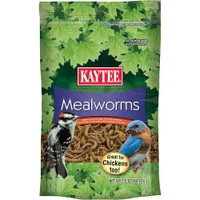
Protein is vital for growth and development. Offer small insects like mealworms or crickets. Soft boiled eggs chopped finely work well too. Avoid salty or processed meats. Plain cooked chicken can be an option if insects aren’t available. Make sure all protein is fresh and safe.
Fruits And Vegetables To Offer
Fruits and veggies add vitamins and minerals. Offer mashed bananas, apples, or berries without seeds. Soft cooked carrots and peas are good vegetable choices. Avoid citrus fruits and anything acidic. All fruits and vegetables should be soft and easy to swallow.
Foods To Avoid
Feeding baby birds without a mother requires careful attention. Choosing the wrong foods can harm their health or even be fatal. Avoid certain foods that are unsafe for their delicate systems. Knowing which items to keep away helps ensure their growth and survival.
Harmful Human Foods
- Salt: Too much salt causes dehydration and kidney damage.
- Sugar: High sugar harms their digestion and energy balance.
- Milk and Dairy: Birds lack enzymes to digest dairy properly.
- Processed Foods: Contain additives and preservatives toxic to birds.
- Chocolate: Contains theobromine, which is deadly for birds.
- Avocado: Contains persin, a toxin that can kill birds quickly.
- Onions and Garlic: These can cause anemia and digestive issues.
Toxic Plants And Ingredients
- Rhubarb Leaves: Highly toxic and can cause organ failure.
- Tomato Leaves and Stems: Contain alkaloids harmful to birds.
- Oleander: A common plant that is deadly if ingested.
- Foxglove: Contains digitalis compounds toxic to the heart.
- Nightshade Family: Many parts of these plants are poisonous.
- Caffeine: Found in coffee and tea, it overstimulates birds’ hearts.
- Alcohol: Extremely dangerous and should never be given.

Credit: creators.yahoo.com
Feeding Techniques
Feeding baby birds without a mother requires care and patience. Proper feeding techniques help young birds grow strong and healthy. Understanding how to prepare food, how often to feed, and which tools to use is crucial. These steps ensure the baby birds get the right nutrition safely.
How To Prepare Food
Baby birds need soft, easy-to-digest food. Mash or blend food to a smooth texture. Avoid large chunks that may cause choking. Use a mix of proteins like cooked egg, insects, or commercial baby bird formula. Keep the food fresh and at room temperature before feeding.
Feeding Frequency By Age
Young birds need frequent feeding. Newborns require feeding every 15 to 20 minutes. As they grow, space feedings to every 30 minutes. Older chicks eat every 1 to 2 hours. Stop feeding at night to let them rest. Monitor their hunger cues and weight daily.
Proper Feeding Tools
Use tools that mimic the mother bird’s beak. A small syringe or dropper works well for tiny mouths. Tweezers can gently place food inside the beak. Avoid using spoons or forks that may hurt the bird. Clean tools before and after each feeding to prevent infection.
Hydration Needs
Baby birds need proper hydration to survive and grow strong. Water helps their tiny bodies work well. Without enough water, they can get weak very fast. Hydration is as important as food for these little birds. Understanding how to provide water safely is key to their care.
Water Provision Tips
- Use clean, fresh water at room temperature.
- Offer water in a shallow dish or dropper.
- Be gentle when giving water to avoid choking.
- Do not force water; let the bird sip slowly.
- Check water often and change it daily.
Signs Of Dehydration
- Dry, wrinkled skin around the eyes or beak.
- Weak or lethargic behavior.
- Sunken eyes or dull feathers.
- Less frequent begging or movement.
- Sticky mouth or tongue.
Creating A Safe Environment
Creating a safe environment is key for baby birds without a mother. It helps them feel secure and grow strong. A proper space protects them from harm and stress. Careful attention to their surroundings supports their health and comfort.
Housing For Baby Birds
Choose a small, clean container to keep baby birds safe. Use a box or a pet carrier lined with soft cloth or paper towels. Avoid materials that can trap their toes or cause injury. The housing should be quiet and away from pets or loud noises. Keep it in a place with good air flow but no drafts.
Temperature And Comfort
Baby birds need warmth like they get from their mother. Keep the temperature steady between 32°C and 35°C (90°F to 95°F). Use a heating pad or lamp, but never let the birds touch the heat source. Check the temperature often to avoid overheating or chilling. Soft bedding helps keep them comfortable and cozy.
When To Seek Expert Help
Knowing when to seek expert help is crucial if you find a baby bird without its mother in New Zealand. While your first instinct might be to care for the bird yourself, some situations demand professional attention to ensure the bird’s survival and well-being. Understanding the signs and knowing where to turn can make a significant difference.
Wildlife Rehabilitators In Nz
Wildlife rehabilitators have the experience and resources to care for baby birds properly. They provide specialized diets, medical care, and safe environments that mimic natural conditions. If the bird shows signs of injury, illness, or extreme distress, contact a local rehabilitator immediately.
Even if the bird seems healthy, but you are unsure how to feed or care for it, professionals can guide you or take over. Many communities in New Zealand have dedicated centers or individuals who offer support for orphaned wildlife. Reaching out to them early can improve the chances of the bird’s survival and eventual release back into the wild.
Legal Considerations
In New Zealand, wildlife is protected under the Wildlife Act 1953, which means you must be cautious about handling native birds. It is illegal to keep protected species without proper permits, even if your intention is to help. This law ensures that wildlife is managed responsibly and ethically.
Before attempting to care for a baby bird, check your local regulations or contact the Department of Conservation (DOC). They can provide advice on what is allowed and direct you to licensed rehabilitators. Ignoring these legal boundaries can lead to fines or unintentional harm to the bird’s chances of survival.
Credit: www.petsradar.com
Frequently Asked Questions
What Can I Feed Baby Birds Without A Mother In Nz?
You can feed baby birds in NZ with soaked dog or cat kibble, hard-boiled eggs, or soaked bread crumbs. Avoid milk and bread alone. Use a specialized formula if possible for best nutrition.
How Often Should I Feed Orphaned Baby Birds?
Feed orphaned baby birds every 15 to 20 minutes from dawn to dusk. Younger birds need more frequent feeding. Monitor their hunger cues and adjust feeding times accordingly.
Can I Give Water Directly To Baby Birds?
Do not give water directly to baby birds. They get enough moisture from their food. Offering water can cause choking or aspiration, which is dangerous.
When Should I Contact A Wildlife Rehabilitator?
Contact a wildlife rehabilitator immediately if the baby bird is injured or weak. Also seek help if unsure about feeding or care. Experts ensure proper recovery and release.
Conclusion
Feeding baby birds without a mother needs care and attention. Use soft, easy-to-digest foods like soaked dog food or scrambled eggs. Avoid giving bread or milk, as they can harm chicks. Keep their feeding schedule regular to help them grow strong.
Always handle them gently and keep them warm. Watching baby birds thrive is rewarding and helps nature. Remember, patience and kindness make a big difference in their survival.