

Have you ever stumbled upon a baby bird of prey and felt an overwhelming urge to help? It’s a unique and thrilling experience.
But the question is, what should you feed a baby bird of prey? Your nurturing instincts are spot on, but knowing exactly what these little predators need is crucial. In this guide, you’ll uncover the essentials of nourishing a baby bird of prey and ensuring its healthy growth.
Imagine the satisfaction of watching that small creature thrive because of your thoughtful care. Keep reading to discover the secrets that will transform your compassionate intentions into effective action.
Credit: wildbloo.com
Diet Basics For Baby Raptors
Baby birds of prey, or raptors, need a special diet for healthy growth. Their food must provide energy and nutrients to build strong muscles and sharp eyesight. Feeding baby raptors correctly helps them develop hunting skills and survive in the wild.
Natural Food Sources
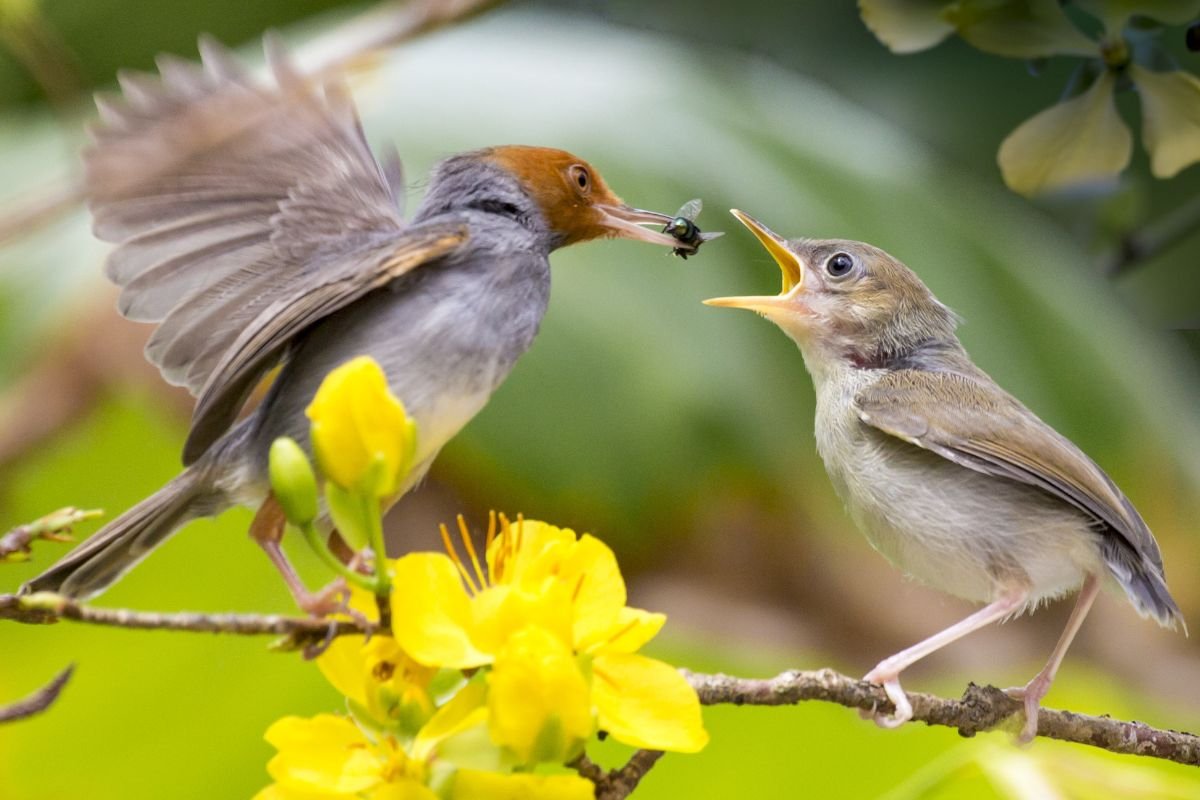
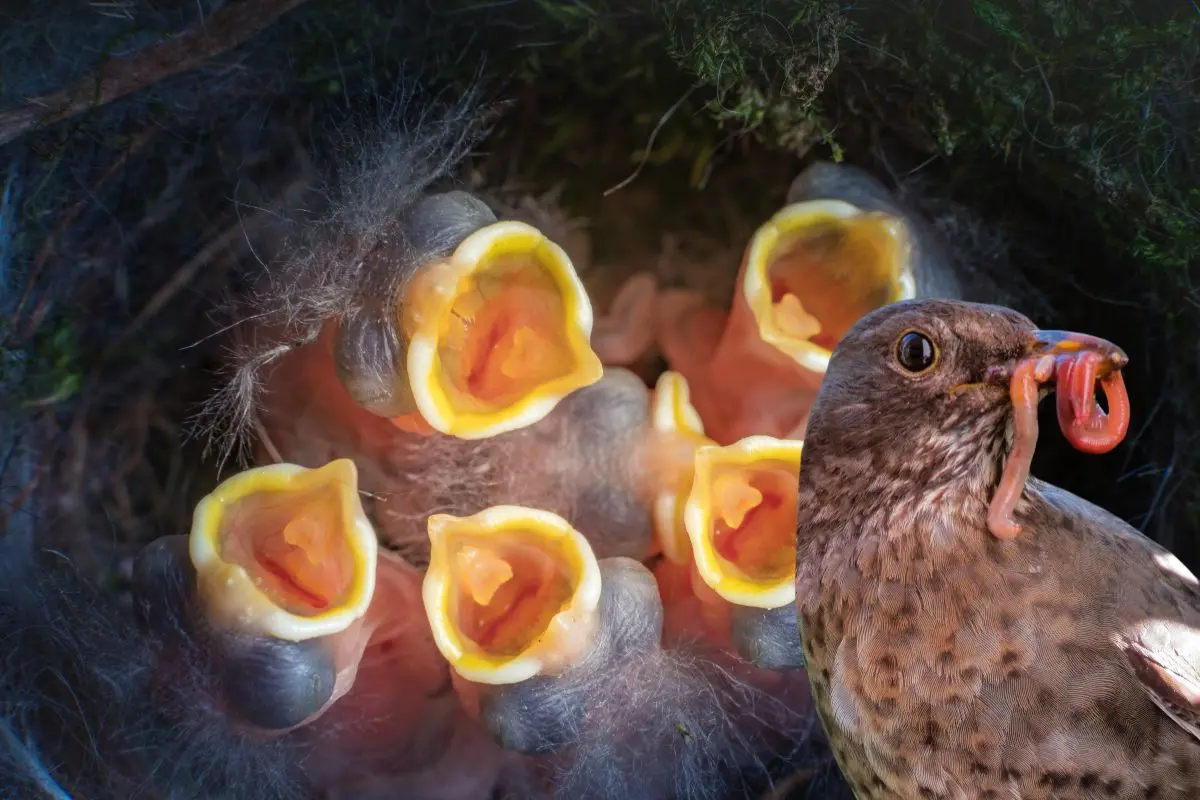
In the wild, mother raptors bring various foods to their chicks. Common natural food includes:
- Small mammals like mice and voles
- Insects such as grasshoppers and beetles
- Small birds or bird eggs
- Reptiles like lizards
- Fish for species near water
These foods provide protein and fats needed for growth. Fresh, whole prey keeps baby raptors strong.
Nutritional Needs
Baby raptors need high protein for muscle and feather development. Fats supply energy for their active metabolism. Calcium and phosphorus build strong bones. Vitamins A and D support eyesight and immune health.
Balanced nutrition includes:
| Nutrient | Purpose |
|---|---|
| Protein | Muscle growth and repair |
| Fat | Energy and brain development |
| Calcium | Bone strength |
| Vitamins A & D | Vision and immune support |
Providing these nutrients helps baby raptors grow fast and healthy.
Safe Feeding Practices
Feeding a baby bird of prey safely requires careful attention to detail. Your approach can impact the bird’s health and growth significantly. Understanding safe feeding practices helps you avoid harm and ensures the bird thrives under your care.
Proper Feeding Techniques
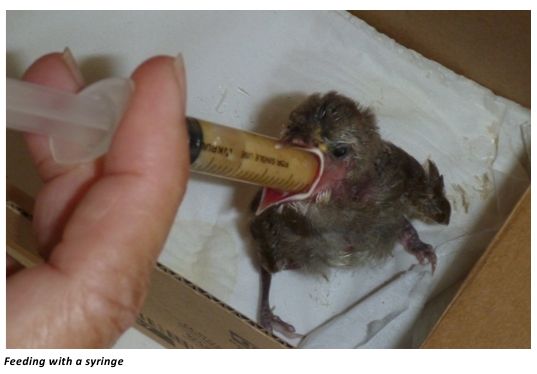
Hold the baby bird gently but firmly to avoid stressing it. Use tweezers or forceps to offer food pieces, mimicking how a parent bird would feed. This reduces the risk of choking and teaches the bird to eat naturally.
Keep the food at room temperature—too cold or too hot can upset the bird’s digestive system. Feed small portions frequently; baby birds have tiny stomachs and need steady nutrition throughout the day.
Observe the bird’s response carefully. If it pushes food away or refuses to eat, pause and try again later. Forcing food can cause injury or aspiration pneumonia, a serious risk for young birds.
Avoiding Common Mistakes
Never feed a baby bird bread, milk, or processed foods. These can cause nutritional imbalances or digestive problems. Stick to fresh, raw meat or specially formulated diets recommended by avian experts.
Avoid overfeeding, which can lead to obesity or crop infections. Watch for signs like a swollen crop or lethargy and adjust feeding amounts accordingly. Are you sure the bird is swallowing every bite? If not, feeding technique might need adjustment.
Don’t use your fingers to feed directly. Human skin oils can harm the bird, and accidental bites may happen. Using proper tools keeps feeding hygienic and safe for both of you.
Suitable Food Options
Choosing the right food for a baby bird of prey is crucial for its health and growth. These birds need high-protein meals to build strong muscles and develop feathers. Their diet should closely mimic what they would eat in the wild. Providing suitable food options ensures they receive essential nutrients for survival.
Live Vs. Frozen Prey
Live prey stimulates natural hunting instincts and helps develop coordination. Small mice, chicks, or insects work well. Feeding live prey can also prevent boredom and stress. Frozen prey offers convenience and safety. It reduces the risk of injury to the bird and limits parasites or diseases. Thaw frozen food properly before feeding. Both options require careful handling to ensure freshness and hygiene.
Supplemental Foods
Supplemental foods support a balanced diet and provide extra vitamins. Soft meats like finely chopped chicken or quail can be added. Some caretakers offer vitamin-enriched gels or powders. Calcium supplements promote strong bones and beak development. Avoid processed or salty foods. Clean water should always be available for hydration. These extras help maintain health during growth phases.
Feeding Schedule And Portions
Feeding a baby bird of prey requires careful attention to both the timing and amount of food given. Getting the schedule right helps ensure healthy growth and prevents overfeeding or underfeeding. Understanding how often and how much to feed will make a noticeable difference in your bird’s development.
Frequency By Age
Newly hatched raptors need feeding very frequently, sometimes every 20 to 30 minutes during daylight hours. This high frequency supports their rapid growth and high energy needs. As they grow, you can gradually space out the feedings to every 2 to 4 hours.
By about two weeks old, feeding every 3 to 4 hours is usually enough. Once your bird reaches 4 to 6 weeks, three feedings per day typically suffice. Paying attention to their behavior and hunger cues helps you adjust this schedule effectively.
Portion Size Guidelines
Portion sizes depend heavily on the bird’s age and species. A good rule is to start with a small amount that the baby can finish in about 10 minutes. Overfeeding can cause digestive issues, while underfeeding slows growth.
| Age | Approximate Portion Size | Notes |
|---|---|---|
| 0-1 week | 1-2 grams per feeding | Feed often, very small portions |
| 1-3 weeks | 5-10 grams per feeding | Increase portion size gradually |
| 3-6 weeks | 15-30 grams per feeding | Feed fewer times, larger portions |
Have you noticed how your baby bird’s appetite changes day by day? Monitoring weight and growth is the best way to fine-tune portions. If you’re ever unsure, consulting a wildlife rehabilitator or avian vet can provide guidance tailored to your bird’s specific needs.
Hydration For Baby Birds
Keeping a baby bird of prey well-hydrated is just as important as feeding it the right foods. Hydration supports their overall health, aids digestion, and helps maintain energy levels. Understanding how to recognize and meet their water needs can make a big difference in their survival and growth.
Water Needs
Baby birds of prey get most of their hydration from the food you provide, especially if it’s fresh meat. However, they also require access to clean, fresh water to stay properly hydrated.
You can offer water in a shallow dish or use a dropper to gently provide small amounts. Be careful not to force too much water at once, as this can cause choking or aspiration.
Keep water available at all times, especially in warm weather or if the bird appears active and hungry. The amount varies with age and size, so observe your bird’s behavior closely to adjust accordingly.
Signs Of Dehydration
How can you tell if your baby bird is dehydrated? Watch for these warning signs:
- Dry, shriveled skin or wrinkled eyes
- Weakness or lethargy
- Sunken eyes or dull feather appearance
- Reduced appetite or refusal to eat
Early dehydration can be subtle, but if you notice these symptoms, act quickly by offering fluids carefully and consulting a wildlife rehabilitator or vet.
Have you ever struggled to keep a baby bird hydrated? Sometimes, the best approach is patience and gentle care, ensuring the bird feels safe while you provide what it needs.
Credit: wildbloo.com
Monitoring Growth And Health
Monitoring growth and health is vital when feeding a baby bird of prey. It ensures the bird develops properly and stays strong. Careful observation helps catch problems early. This keeps the bird safe and healthy during its crucial growth stages.
Weight Tracking
Regular weighing shows if the bird is gaining weight. Use a small scale made for animals. Weigh the bird at the same time daily. Record the weight to notice trends. Steady weight gain means good health. Sudden weight loss or no gain may signal illness or poor diet. Adjust feeding amounts based on weight changes.
Behavioral Indicators
Watch the bird’s actions closely. A healthy bird is alert and active. It responds quickly to sounds and movement. Look for normal eating and drinking habits. Signs of illness include lethargy, lack of appetite, and unusual sleeping. Fluffed-up feathers and constant crying also show distress. Noticing these behaviors early helps you act fast to protect the bird.
When To Seek Expert Help
Knowing when to seek expert help for a baby bird of prey can make the difference between life and death. These young raptors have specific dietary and care needs that can be challenging to meet without proper knowledge. If you spot warning signs or feel unsure, reaching out to professionals is the safest choice for the bird’s well-being.
Signs Of Malnutrition
Malnutrition in baby birds of prey can appear in subtle ways. Watch for weak or lethargic behavior, lack of coordination, or unusually fluffed feathers. If the bird is losing weight or has a sunken belly, these are urgent red flags.
Another sign is abnormal droppings—if they are too watery, too dry, or discolored, it could indicate digestive issues linked to poor nutrition. Sometimes, you might notice delayed growth or failure to feather properly. These signs signal that the bird is not getting the right nutrients and needs immediate expert attention.
Choosing A Wildlife Rehabilitator
Finding the right wildlife rehabilitator is crucial for the baby bird’s recovery. Look for someone licensed and experienced in handling birds of prey. You can often find reputable rehabilitators through local wildlife agencies or bird rescue organizations.
Ask about their success stories and how they feed and care for orphaned raptors. A good rehabilitator will explain their feeding protocols and give you advice on what to do if you find another injured or orphaned bird. Remember, your goal is to give the bird the best chance to return to the wild, and expert care is key to that process.
Credit: besgroup.org
Frequently Asked Questions
What Is The Best Food For Baby Birds Of Prey?
Baby birds of prey need a high-protein diet. Feed them small pieces of raw meat, like chicks or rodents. Avoid processed foods. Fresh water should also be available to keep them hydrated and healthy.
How Often Should You Feed A Baby Bird Of Prey?
Feed baby birds every 2 to 3 hours during daylight. Their metabolism is fast, requiring frequent meals. Gradually reduce feeding frequency as they grow older and start eating independently.
Can You Feed A Baby Bird Of Prey With Insects?
Yes, insects like mealworms can supplement their diet. They provide essential nutrients and protein. However, insects should not be the primary food source. Balance their diet with small mammals or birds.
Should Baby Birds Of Prey Be Fed Whole Prey?
Feeding whole prey is ideal as it provides bones and nutrients. Small rodents or chicks mimic their natural diet and aid in development. Avoid feeding only meat without bones to ensure proper growth.
Conclusion
Feeding a baby bird of prey takes care and attention. Offer fresh meat, small pieces, and soft food. Avoid giving bones or processed foods. Keep meals frequent but in small amounts. Watch the bird’s health and growth closely. Proper feeding helps the bird grow strong and healthy.
With patience, you can support its survival and future success. Caring well makes all the difference. Trust nature’s needs and your careful hands.