
Are you wondering what type of seed tube feeder is best for attracting a variety of feathered friends to your backyard? Choosing the right feeder can transform your outdoor space into a vibrant haven for birds, making every morning a delightful spectacle of chirps and flutters.
Imagine sipping your coffee while watching a colorful array of birds enjoying the feast you’ve set up for them. Sounds enchanting, right? This blog post is here to guide you through the different types of seed tube feeders available and help you pick the perfect one.
Whether you’re a seasoned bird enthusiast or just starting to explore the joys of birdwatching, understanding your options will enhance your experience. So, let’s dive in and discover how you can bring more joy to your backyard with the ideal seed tube feeder.
Benefits Of Seed Tube Feeders
Seed tube feeders offer several advantages that make them a favorite among bird watchers and gardeners alike. Their design not only simplifies feeding but also ensures that seeds are well protected and accessible to a wide range of bird species. Understanding these benefits can help you decide if a seed tube feeder suits your backyard bird feeding needs.
Easy To Use And Refill
Seed tube feeders are straightforward to fill and clean, which saves you time and effort. The clear tubes let you see when the seeds are running low, so you never miss a chance to keep your feathered friends fed. You’ll find that refilling is quick—just open the top, pour in the seeds, and close it up.
Protects Seeds From Weather
The enclosed design of seed tube feeders shields seeds from rain, snow, and wind. This protection helps prevent mold and spoilage, so your seeds stay fresh longer. Have you noticed how wet seeds often go to waste? With a tube feeder, you reduce that problem significantly.
Attracts A Variety Of Birds
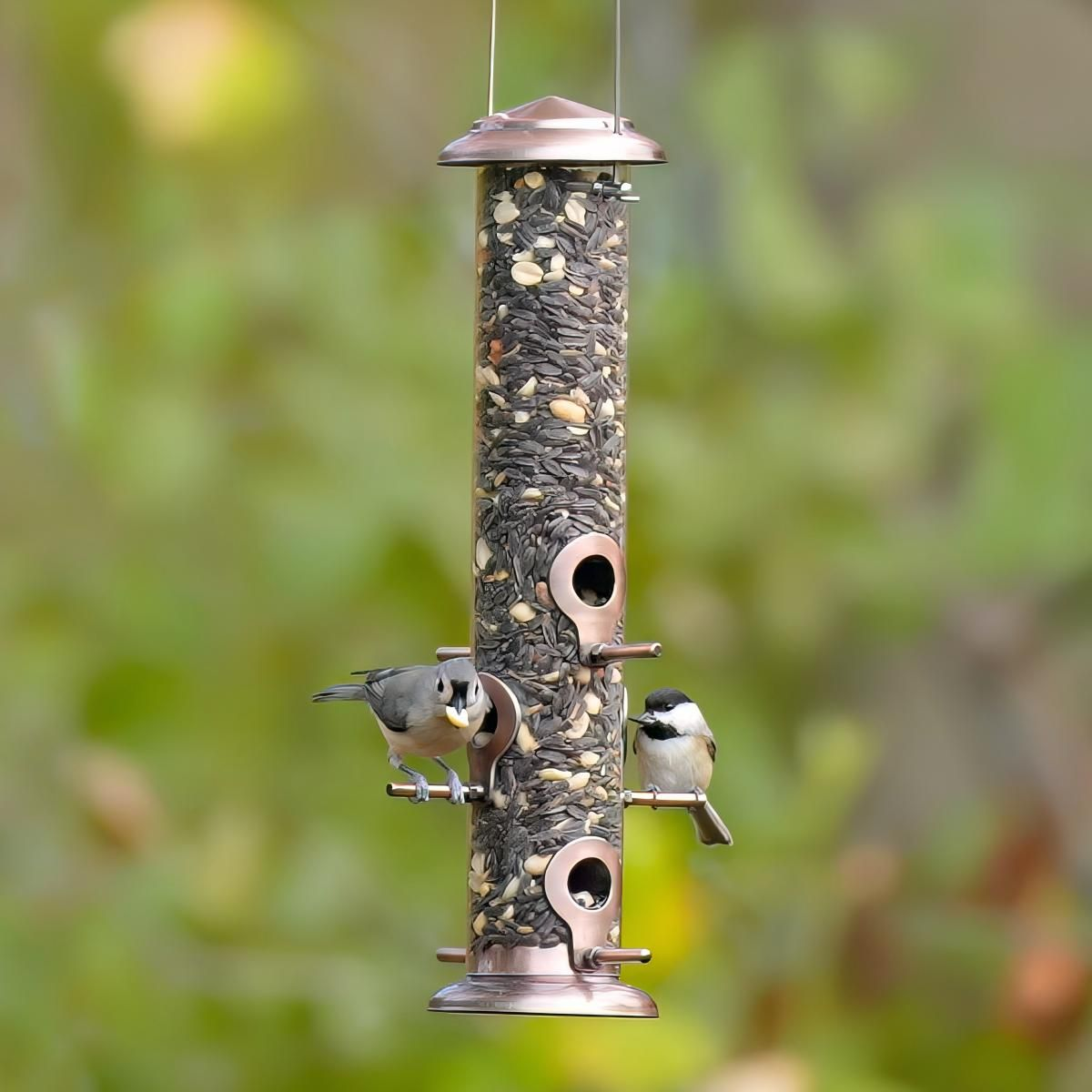
Because of their design, seed tube feeders appeal to many bird species, from finches to chickadees. The multiple feeding ports allow several birds to eat at once without crowding. This feature makes your birdwatching experience more lively and enjoyable, as you get to see different types of birds visit your feeder.
Credit: www.kingsyard.com
Popular Seed Tube Feeder Types
Seed tube feeders come in various styles to suit different bird species and garden settings. Choosing the right type can attract more birds and keep your feeder clean. Each feeder type offers unique features that fit specific needs. Understanding these popular seed tube feeder types helps you pick the best option for your backyard.
Classic Plastic Tube Feeders
Classic plastic tube feeders are light and easy to clean. They usually have several feeding ports and perches. These feeders hold a good amount of seed and keep it dry inside. Clear plastic allows easy seed level monitoring. Many bird lovers prefer them for small to medium birds.
Metal Mesh Feeders
Metal mesh feeders are sturdy and durable. The mesh design allows birds to cling and peck at seeds through the holes. These feeders are great for larger birds like finches and chickadees. The metal frame resists squirrels and weather damage well. They also provide good air circulation to keep seeds fresh.
Wooden Tube Feeders
Wooden tube feeders blend naturally with garden surroundings. They often have metal or plastic ports for feeding. Wood offers a rustic look and can last long with proper care. These feeders attract a variety of birds, especially in natural settings. Wood also helps keep seed cool during hot weather.
Best Seed Choices For Tube Feeders
Choosing the right seeds for tube feeders helps attract many types of birds. Tube feeders work best with small, clean seeds that flow easily. The seed type affects which birds visit your feeder and how often.
Seeds that fit well in tube feeders usually have a smaller size and less shell. These seeds offer good nutrition and keep birds coming back to your yard. Here are some of the best seed choices for tube feeders.
Sunflower Seeds
Sunflower seeds are a favorite for many birds. Black oil sunflower seeds have thin shells, perfect for tube feeders. They offer high fat content, giving birds energy during cold months. Small songbirds like chickadees, nuthatches, and finches enjoy them the most.
Nyjer Seeds
Nyjer seeds are tiny and fit perfectly in tube feeder ports. These seeds attract finches, including goldfinches and redpolls. Nyjer seeds have a high oil content, giving birds plenty of energy. Their small size prevents waste and mess around the feeder.
Mixed Birdseed Blends
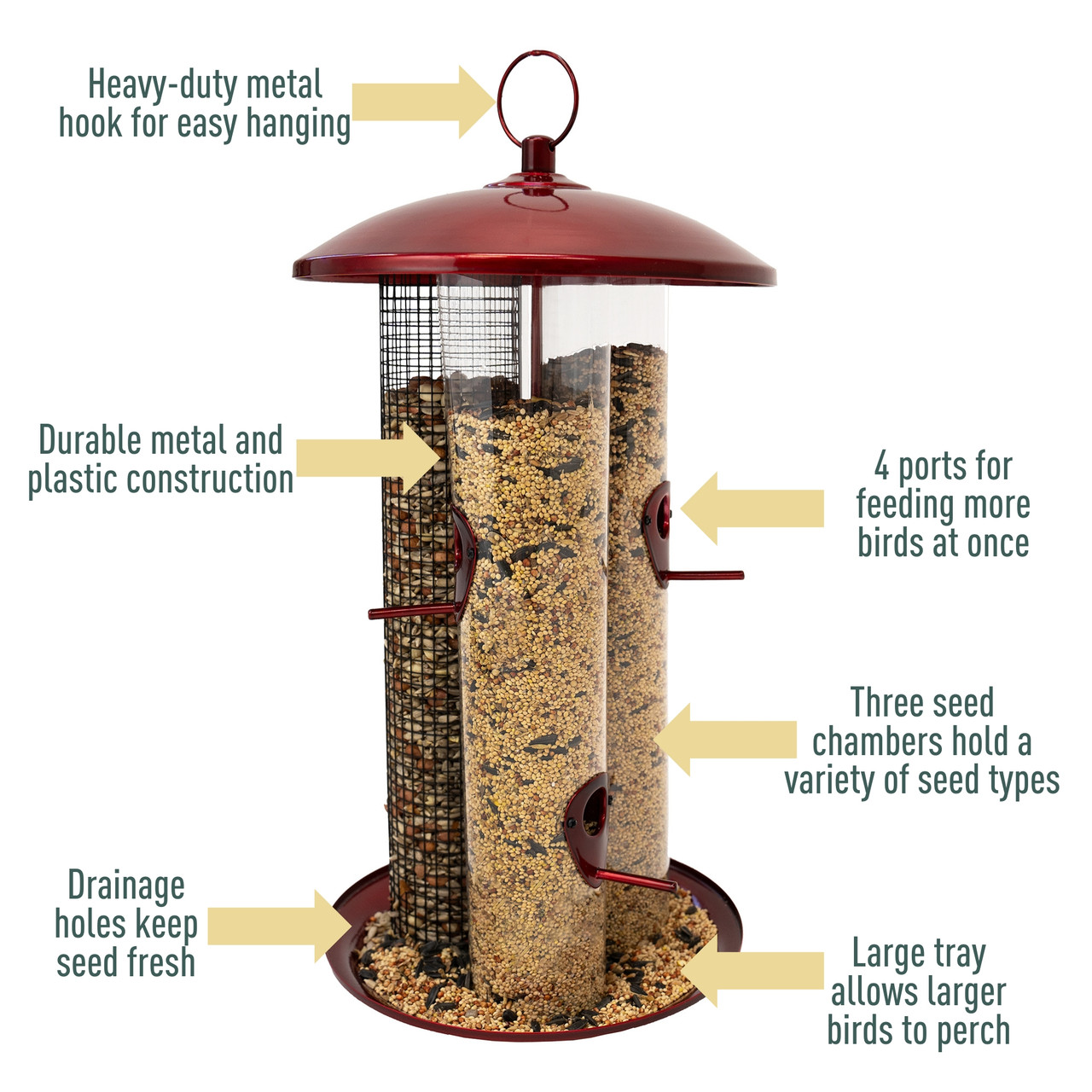
Mixed blends offer variety and attract many bird species. Look for blends with sunflower chips, millets, and cracked corn. Avoid mixes with fillers like red millet or oats, which birds often reject. Good blends keep your feeder busy with different colorful birds.
Credit: northstatesind.com
Top Bird Species Attracted
Seed tube feeders attract many bird species. These feeders hold seeds in long tubes with small holes. Birds perch on small openings to eat seeds. Different birds prefer different seeds and feeder styles. Knowing which birds visit helps choose the right feeder and seed. Here are some top bird species attracted by seed tube feeders.
Finches And Sparrows
Finches love tube feeders filled with nyjer or thistle seeds. Their small, pointed beaks fit perfectly in tiny feeder holes. House finches and goldfinches are common visitors. Sparrows enjoy mixed seeds like millet and cracked corn. These birds perch easily and feed quietly. Their cheerful chirps add life to any garden.
Chickadees And Nuthatches
Chickadees favor sunflower seeds in tube feeders. Their strong beaks crack open tough seed shells. Nuthatches cling upside down while feeding. They like safflower or striped sunflower seeds. These birds are curious and active, often returning many times a day. Tube feeders provide them safe, easy access to food.
Cardinals And Grosbeaks
Cardinals prefer larger seeds like sunflower or safflower. Their big, strong beaks handle tube feeders with bigger holes. Rose-breasted grosbeaks also visit feeders with mixed seeds. They enjoy sunflower, safflower, and cracked corn. These bright birds bring stunning colors to feeder spots. Tube feeders with wide perches attract them best.
Placement Tips For Seed Tube Feeders
Getting the placement of your seed tube feeder right can make a big difference in attracting a variety of birds to your garden. It’s not just about hanging it anywhere; thoughtful placement ensures birds feel safe, can easily access the food, and keeps them away from potential dangers. Let’s break down some key tips to help you find the perfect spot for your seed tube feeder.
Ideal Height And Location
Position your seed tube feeder between 4 to 6 feet off the ground. This height is perfect for most small to medium birds, making it easy for them to land and feed comfortably.
Choose a location that is visible but shielded from harsh weather. Near a window is great for bird watching, but avoid direct sunlight that can spoil the seeds quickly.
Avoiding Predators
Keep your feeder away from places where cats or other predators can easily hide or jump from, such as low branches or fences. A clear area around the feeder reduces surprise attacks on the birds.
Adding a baffle above or below the feeder can help deter squirrels and climbing predators. Think about what kind of predators are common in your area and adjust accordingly.
Ensuring Easy Access For Birds
Make sure there is enough space around the feeder for birds to perch and maneuver. Crowded spots can scare birds away or make feeding difficult.
Consider planting native shrubs or small trees nearby. These provide quick cover for birds to retreat to if they sense danger and also offer natural perching spots.
Maintenance And Cleaning
Proper maintenance and cleaning keep seed tube feeders safe and inviting for birds. Dirty feeders can spread disease and scare birds away. A clean feeder ensures fresh seeds and healthy visitors. Simple care routines extend the feeder’s life and improve bird feeding experiences.
Regular Cleaning Schedule
Clean your seed tube feeder every two weeks. Use warm water and mild soap to wash all parts. Rinse thoroughly to remove soap residues. Dry completely before refilling with seeds. Increase cleaning frequency during wet seasons or heavy use. This prevents dirt build-up and seed spoilage.
Preventing Mold And Mildew
Moisture causes mold growth inside feeders. Keep feeders in a dry, shaded spot. Remove old or wet seeds daily. Use a brush to scrub hard-to-reach corners. Vinegar water can help remove stubborn mold. Always allow the feeder to dry before adding new seeds.
Replacing Worn Parts
Check the feeder regularly for cracks or damaged tubes. Broken parts can trap moisture or seeds. Replace worn tubes and caps promptly. Use parts recommended by the feeder’s manufacturer. Proper parts ensure smooth seed flow and prevent leaks. Keep feeders in good condition for longer use.
Diy Seed Tube Feeder Ideas
Creating your own seed tube feeder is a fun and rewarding project. It brings birds closer to your home. You can tailor feeders to fit your garden style and bird preferences. Building feeders from simple materials saves money and reduces waste.
DIY seed tube feeders also offer a chance to get creative. You can decorate them to match your outdoor space. This makes feeding birds more enjoyable and visually pleasing.
Using Recycled Materials
Recycled items make great seed tube feeders. Empty plastic bottles, glass jars, and old containers work well. They are easy to clean and refill. Cut small holes for seeds to spill out slowly. Attach perches for birds to sit on while feeding.
Using recycled materials helps the environment. It reduces plastic waste and saves resources. Plus, these feeders are lightweight and portable.
Customizing For Specific Birds
Different birds prefer different feeder styles. Small tube feeders with tiny holes attract finches and chickadees. Larger openings suit cardinals and grosbeaks. Adjust the seed type to match bird species needs.
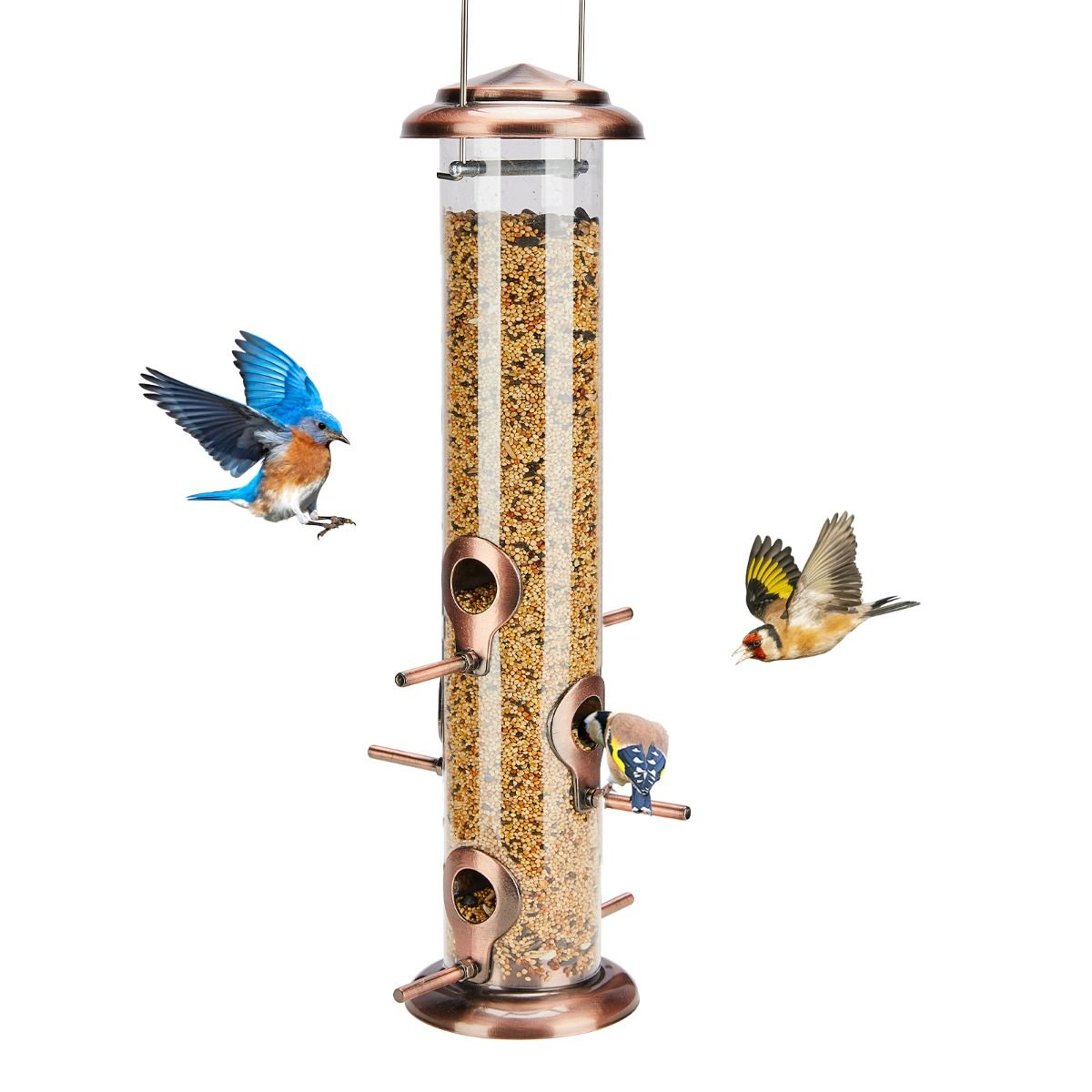
Adding multiple feeding ports allows more birds to feed at once. Position feeders at various heights to attract different species. Customize color and shape to appeal to local birds.
Creative Decoration Tips
Decorate feeders with natural or weatherproof materials. Paint them with bright colors to catch birds’ attention. Use twine, beads, or small wooden shapes for a unique look.
Make sure decorations do not block feeding holes. Avoid toxic paints or glues. Simple, colorful designs brighten your garden and make feeders stand out.
Credit: www.kingsyard.com
Frequently Asked Questions
What Types Of Birds Use Seed Tube Feeders?
Seed tube feeders attract small birds like finches, chickadees, nuthatches, and titmice. These birds prefer small perches and feeding ports.
How Do Seed Tube Feeders Work For Birds?
Seed tube feeders dispense seeds through small holes or ports. Birds perch on the feeder and extract seeds easily.
What Seeds Are Best For Tube Feeder Birds?
Black oil sunflower seeds and nyjer seeds work best. These seeds attract finches, chickadees, and other small songbirds.
Are Seed Tube Feeders Easy To Clean?
Yes, most seed tube feeders are designed for easy cleaning. Regular cleaning prevents mold and keeps birds healthy.
Conclusion
Seed tube feeders attract many types of birds with ease. Small birds like finches and chickadees enjoy these feeders most. They offer simple access to seeds, making feeding quick and safe. Choosing the right feeder helps bring more birds to your yard.
Keep feeders clean and filled for best results. Watching birds feed can bring joy and calm every day. Seed tube feeders are a great way to connect with nature. Try one and see which birds visit your garden.