
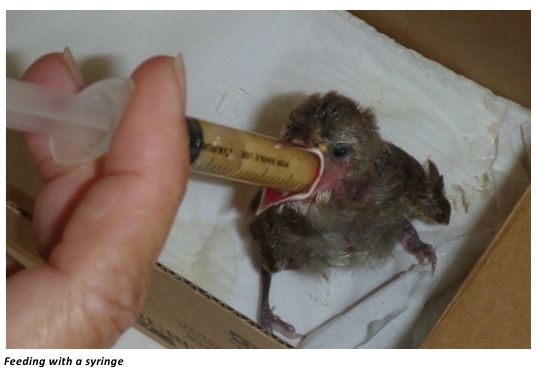
You’ve found a baby bird that’s almost ready to fly, and now you’re wondering what to feed it. This little creature is at a crucial stage, and what you give it can make all the difference between a healthy flight and serious harm.
You want to help, but it’s easy to feel unsure or overwhelmed. Don’t worry—this guide will walk you through exactly what to feed a baby bird at this stage, using simple tips that anyone can follow. Keep reading to learn how you can give your feathered friend the best chance to soar.
Credit: pethelpful.com
Signs A Baby Bird Is Ready To Fly
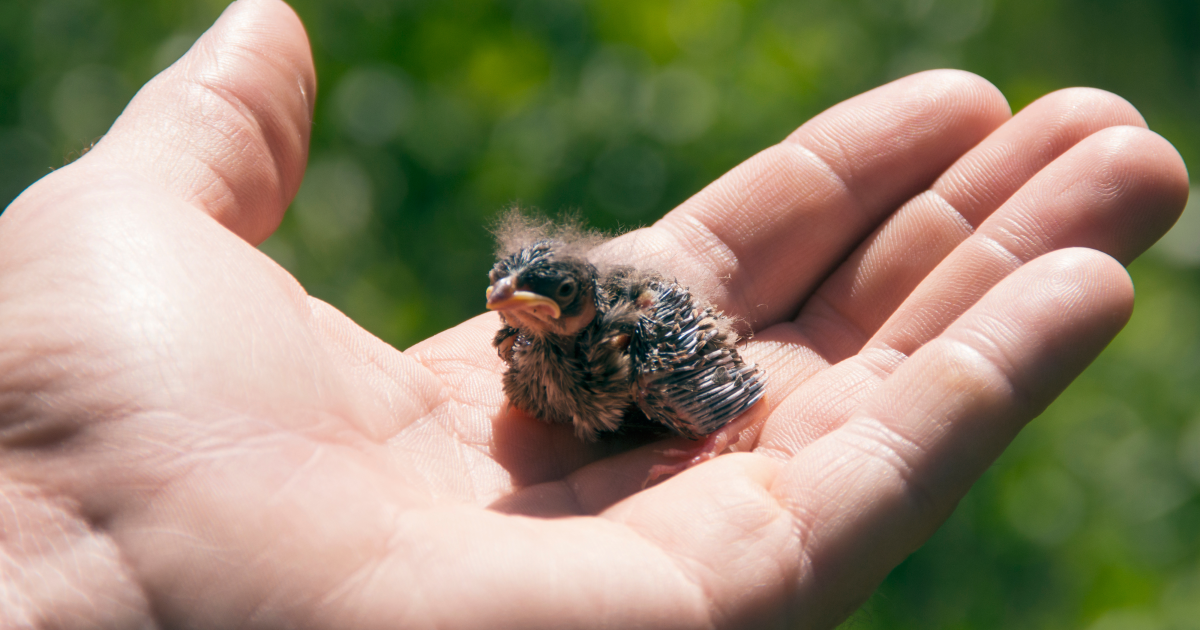
Watching a baby bird grow and prepare for its first flight is a remarkable experience. Recognizing the signs that a baby bird is ready to fly helps you provide the right care and food during this critical stage. You’ll notice clear changes in its body, behavior, and feathers that signal it’s time to take off.
Physical Development
Your baby bird’s muscles become noticeably stronger as it gets ready to fly. It will start exercising its wings by flapping them vigorously, often while perched or hopping around. You might see it pushing off lightly, building the strength needed for sustained flight.
Have you ever noticed how a baby bird’s legs firm up and it gains more control over its movements? That’s a key sign of physical readiness for flying.
Behavioral Changes
As the bird matures, it becomes more curious and adventurous. It will begin to explore its surroundings more actively, attempting short hops or fluttering to nearby branches. This increased confidence shows it’s mentally preparing for flight.
Watch for signs like begging less frequently or starting to practice feeding itself. These are clues that it’s gaining independence and getting ready to leave the nest.
Feather Growth
Feather condition is one of the most obvious indicators of flight readiness. The baby bird’s feathers become fully grown and sleek, especially the wing and tail feathers, which are essential for balance and lift. You’ll see a smooth, even layer of feathers without gaps or fluffiness.
Pay attention to whether the feathers look strong and healthy. Weak or patchy feathers mean the bird needs more time before its first flight.
Credit: www.petsradar.com
Nutritional Needs Of Near-flying Birds
Near-flying baby birds need special care in their diet. Their bodies grow fast and require strong nutrition to build muscles and feathers. Feeding them right helps their wings get stronger for their first flights. Understanding their nutritional needs supports healthy development and energy.
Protein Requirements
Protein is vital for muscle growth and repair. Baby birds need high protein foods to build strength. Insects, small worms, and soft meat pieces provide good protein. Offer small, frequent meals for steady energy. Protein helps feathers grow healthy and robust.
Hydration Importance
Water keeps baby birds active and healthy. Near-flying birds need enough fluids for body functions. Wet foods like soaked dog kibble or fruit pieces provide hydration. Always keep clean water nearby for drinking. Dehydration can weaken their energy and flight skills.
Vitamins And Minerals
Vitamins and minerals support bones and feather health. Calcium helps strengthen wing bones for flying. Vitamin A improves vision and immune health. Offer foods rich in these nutrients like leafy greens and fortified bird food. Balanced vitamins help baby birds grow strong and ready to fly.
Safe Foods For Baby Birds
Feeding a baby bird that can almost fly requires careful food choices. Safe foods help the bird grow strong and healthy. Offering the right nutrients supports its energy and development during this critical stage.
Focus on natural and gentle foods that the baby bird can easily digest. Avoid anything that might harm its delicate system or cause choking. Below are some safe food options to consider.
Insects And Worms
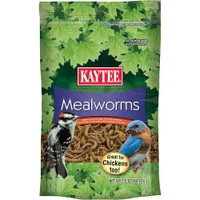
Baby birds eat insects and worms in the wild. These provide essential proteins and fats. You can offer small live or dried mealworms, crickets, or earthworms.
- Chop larger insects into small pieces.
- Avoid insects from unknown sources to prevent pesticides.
- Feed insects that move slowly to reduce choking risk.
Fruits And Vegetables
Soft fruits and vegetables add vitamins and hydration. Choose mild options like mashed bananas, cooked peas, or soft berries. Avoid citrus fruits, onions, and anything spicy.
- Remove seeds and skins before feeding.
- Serve in small, bite-sized pieces or mashed form.
- Introduce new fruits gradually to check tolerance.
Commercial Bird Food Options
Specialized bird formulas can support nutrition needs. Look for products designed for baby or young birds. These contain balanced vitamins, minerals, and proteins.
- Use powdered or gel types that mix with water.
- Follow package instructions carefully for preparation.
- Ensure freshness and avoid expired products.
Feeding Techniques For Independent Birds
Feeding a baby bird that can almost fly requires a shift in approach. At this stage, your little feathered friend is gaining independence but still needs your support. Feeding techniques should encourage self-sufficiency while ensuring the bird gets enough nutrition to strengthen its wings and body.
Hand-feeding Tips
Hand-feeding remains important, but you can start offering food in a way that encourages the bird to take initiative. Use tweezers or your fingers to gently place small pieces of soft food near the bird’s beak.
Make sure the food is easy to swallow and nutritionally rich, such as soaked pellets or finely chopped fruits. Keep your movements slow and calm to avoid startling the bird while building trust.
Encouraging Self-feeding
Set up a small feeding area where your bird can explore food independently. Place shallow dishes with a variety of soft foods like mashed fruits, insects, or soaked seeds nearby.
You might notice the bird pecking at the food hesitantly at first. That’s a positive sign—encourage this behavior by praising or gently petting your bird after each attempt. Have you observed how curiosity can speed up a bird’s learning to eat on its own?
Feeding Frequency
At this stage, baby birds don’t need feeding as often as newborns but still require regular meals. Aim for feeding every 3 to 4 hours during daylight.
Watch for signs of fullness or hunger to adjust feeding times. Offering food too frequently may discourage self-feeding, while waiting too long can leave your bird weak.
Avoiding Common Feeding Mistakes
Feeding a baby bird that can almost fly requires care and attention. Mistakes during feeding can harm the bird’s growth and health. Understanding what to avoid helps you provide the right care. This section covers common feeding mistakes to watch out for.
Foods To Avoid
Some foods are unsafe for baby birds. Avoid giving:
- Milk or dairy products
- Processed human foods like bread and chips
- Raw meat or fish
- Foods high in salt or sugar
- Spicy or seasoned food
These can cause digestive problems or poisoning. Stick to natural, bird-safe foods.
Overfeeding Risks
Overfeeding can harm a baby bird’s health. It may cause:
- Obesity and poor flight ability
- Digestive issues like vomiting or diarrhea
- Reduced appetite for natural food
Feed small amounts often and watch the bird’s hunger cues. Do not force feed.
Sanitation Practices
Cleanliness is vital when feeding baby birds. Use clean utensils and bowls. Wash hands before and after feeding. Remove leftover food promptly to avoid bacteria growth. Keep the feeding area dry and hygienic. These steps prevent infections and keep the bird healthy.
Preparing For Flight And Release
Preparing a baby bird for flight and release requires careful attention to diet and behavior. This phase helps the bird gain strength and confidence. Proper feeding supports muscle growth and energy levels. Observing the bird’s progress guides the right timing for release. Patience and care improve survival chances in the wild.
Building Strength Through Diet
Feed high-protein foods to boost muscle development. Offer small insects like mealworms or crickets. Soft fruits add vitamins and hydration. Provide fresh water for drinking and bathing. Avoid processed or sugary foods that harm growth. Feed frequently to meet the bird’s high energy needs.
Monitoring Progress
Watch the bird’s wing movement daily. Note improvements in flapping and balance. Check for alertness and eagerness to explore. Record feeding amounts and appetite changes. Look for signs of fatigue or weakness. Consistent progress signals readiness for more flight practice.
When To Release
Release when the bird can fly short distances confidently. Ensure it can find food independently. Pick a safe, natural environment with shelter and water. Avoid days with bad weather or strong winds. Release early in the morning for better adjustment. Stay nearby to monitor the bird’s first flights.

Credit: www.reddit.com
Frequently Asked Questions
What Should I Feed A Baby Bird That Can Almost Fly?
Feed soft, protein-rich foods like mealworms, soaked dog kibble, or finely chopped boiled eggs. Avoid bread or milk. Provide small amounts frequently to mimic natural feeding.
How Often Do Baby Birds That Can Almost Fly Eat?
Feed them every 2-3 hours during the day. As they grow, feeding intervals lengthen. Ensure fresh water is always available alongside food.
Can I Feed Fruits To A Baby Bird Ready To Fly?
Yes, offer small pieces of soft fruits like mashed berries or bananas. Avoid citrus fruits and sugary or processed items for safety.
Is It Safe To Hand-feed A Baby Bird That Can Fly?
Hand-feeding is safe if done gently and hygienically. Use tweezers or a small spoon. Avoid forcing food to prevent injury or stress.
Conclusion
Feeding a baby bird can be a rewarding experience. Choose foods that are safe and nutritious. Soft fruits, insects, and special bird formula work well. Always observe the bird’s reaction to new foods. Too much or too little can be harmful.
Keep an eye on hydration. Fresh water is essential. Encourage the bird to try different foods. This helps prepare for life in the wild. Avoid bread or milk, as they are harmful. Contact a wildlife expert if unsure. A little knowledge goes a long way in caring for these delicate creatures.
Your efforts make a big difference.