
Have you ever watched red birds feeding each other and wondered why they do it? This simple act is more than just sharing food—it reveals secrets about their behavior and connections.
Understanding why red birds feed each other can change the way you see these vibrant creatures. Keep reading, and you’ll discover surprising facts that make their world come alive right before your eyes. Your curiosity is about to be rewarded.
Red Bird Species That Share Food
Red birds are often seen sharing food, a behavior that fascinates bird watchers and nature lovers alike. Understanding which red bird species engage in this social activity helps you appreciate their complex relationships. It also reveals how feeding each other strengthens bonds within bird communities.
Common Red Birds Known For Feeding
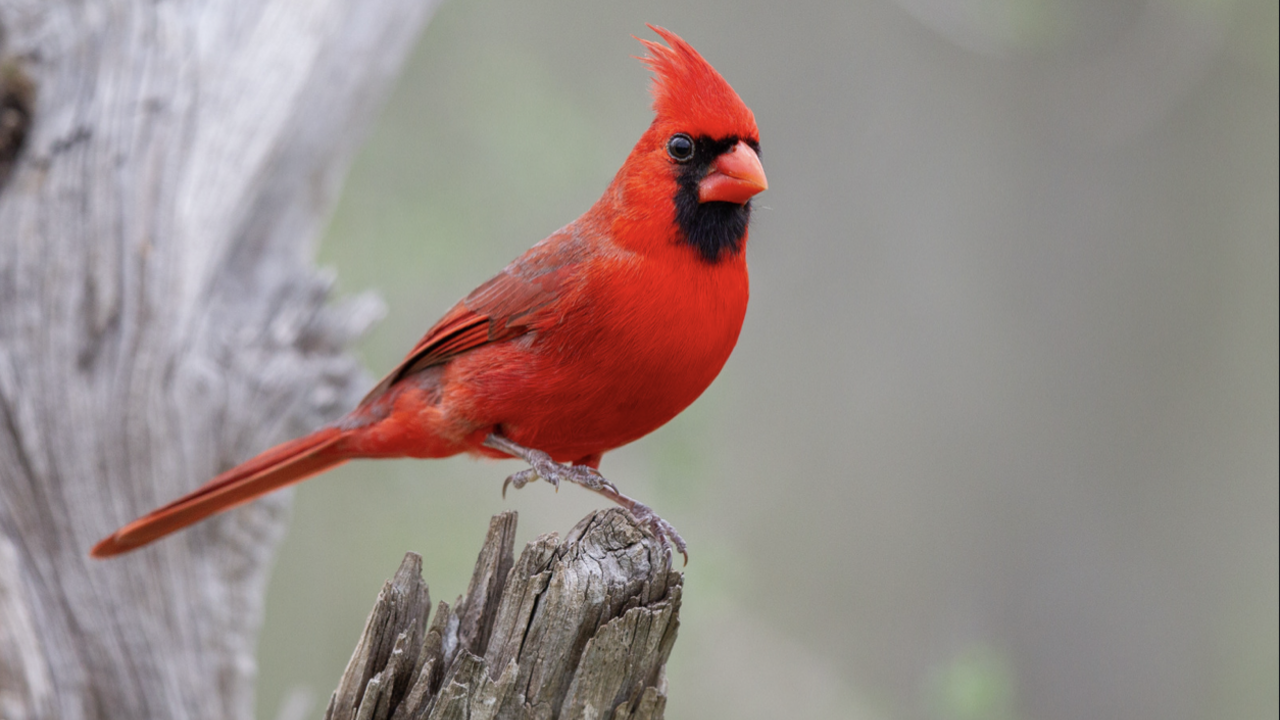
Several red bird species are famous for sharing food with their mates or flock members. The Northern Cardinal is one of the most recognizable red birds that feed each other, especially during courtship. Males often bring food to females to show care and build trust.
Another example is the Scarlet Tanager, which feeds its young and sometimes shares food with other adults in its territory. The Red Crossbill, with its unique beak, also passes food between mates to reinforce pair bonds. These behaviors are not random; they play a key role in survival and reproduction.
Habitat And Social Behavior
The environment where these red birds live influences their feeding habits. Cardinals thrive in woodlands and suburban areas, where food sharing helps them maintain close social ties. This behavior can also improve cooperation in defending territory or caring for offspring.
Scarlet Tanagers prefer dense forests, where food is scattered, making sharing a smart strategy to ensure all members get enough to eat. Meanwhile, Red Crossbills live in coniferous forests with patchy food sources, so sharing food helps them survive harsh conditions.
Have you ever noticed how birds in your backyard interact? Watching them might reveal surprising feeding habits that hint at deeper social connections. Could these simple acts of sharing teach us something about cooperation in our own lives?
Credit: extension.msstate.edu
Reasons Behind Food Sharing
Red birds share food for several key reasons. This behavior helps them survive and thrive in their environment. Food sharing strengthens relationships and supports the young. It also plays a role in their social order. Understanding these reasons reveals much about red bird behavior and their natural instincts.
Building Strong Pair Bonds
Food sharing helps red birds create strong connections. Birds often feed each other to show trust and affection. This bonding increases their chances of staying together. Strong pairs work better to find food and protect each other. Sharing food acts like a promise of loyalty between mates.
Parental Care And Feeding Young
Parent birds feed their chicks to help them grow. Young birds cannot find food on their own. Parents bring food and share it directly with their offspring. This feeding ensures the chicks get enough nutrients. It also teaches young birds what to eat and how to eat.
Establishing Social Hierarchy
Food sharing helps set the social order in bird groups. Dominant birds may share food to show power or control. Subordinate birds often accept food to gain favor. This exchange reduces conflict within the group. It creates balance and cooperation among the birds.
How Food Sharing Benefits Red Birds
Food sharing plays a key role in the life of red birds. It helps them survive and thrive in their environment. Sharing food is more than just a kind act. It builds strong bonds and supports their daily needs.
Improved Survival Rates
Sharing food helps red birds survive harsh conditions. When food is scarce, those who share can access more resources. It reduces hunger and supports weaker birds. This cooperation increases the chance that more birds stay alive.
Enhanced Reproductive Success
Red birds that share food often have better chances to raise chicks. Parents can feed their young more easily. Well-fed parents produce stronger, healthier offspring. This boosts the overall population and helps the species grow.
Strengthening Group Cohesion
Food sharing builds trust among red birds. It creates strong social bonds within flocks. Birds that share are more likely to work together. This teamwork helps in protecting each other and finding food.

Credit: www.birdwatchingdaily.com
Scientific Studies On Bird Feeding Behavior
Scientific studies on bird feeding behavior explore why red birds feed each other. Researchers observe and test birds to learn their social habits. These studies reveal the reasons behind sharing food. Such behaviors help birds survive and build relationships.
Observational Research Findings
Scientists watch birds in natural settings to understand feeding behavior. They note how often red birds share food and with whom. Observations show feeding happens mostly between mates and family members. Sharing food strengthens bonds and supports young birds. It also signals trust and cooperation among birds.
Experimental Evidence
Experiments test birds’ reactions to different feeding situations. Researchers offer food to some birds and watch their choices. Birds often share food when they expect future help. Experiments prove feeding is not random but a social strategy. This behavior improves survival and helps birds form lasting partnerships.
Comparisons With Other Bird Species
Understanding why red birds feed each other becomes clearer by comparing their behavior with other bird species. Many birds share feeding habits that promote survival and bonding. Yet, red birds show unique traits that set them apart from others.
Similar Feeding Habits In Non-red Birds
Many bird species feed each other to build trust and strengthen relationships. Parent birds often feed their chicks to ensure growth and survival. Some birds, like pigeons and doves, also share food with mates during courtship.
- Feeding helps form strong pair bonds.
- Parents feed young birds for nourishment.
- Sharing food reduces competition within groups.
These habits help birds survive in tough environments. The act of feeding each other signals care and cooperation.
Unique Aspects Of Red Bird Behavior
Red birds, such as cardinals, show extra care when feeding each other. Mates often exchange food as a sign of love and loyalty. This behavior strengthens their bond beyond just survival needs.
- Red birds feed mates during courtship and after.
- Food sharing shows trust and partnership.
- Red feathers may signal health and readiness to feed.
This feeding ritual helps red birds maintain strong, lasting pairs. Their bright color and feeding habits create a unique social connection.

Credit: www.wikiwand.com
Implications For Birdwatchers And Conservationists
Understanding why red birds feed each other offers key insights for birdwatchers and conservationists. This behavior shows social bonds and survival strategies in these birds. Observing such interactions helps track bird health and population trends. Conservationists gain clues about habitat needs and species protection.
Careful observation of feeding behavior can reveal much about bird life. Protecting feeding grounds ensures these birds have safe places to thrive. Both efforts support bird conservation and enrich the birdwatching experience.
How To Observe Feeding Behavior
Choose quiet spots near trees or bushes where red birds gather. Use binoculars to watch without disturbing them. Note the times when birds feed each other, often during breeding or cold months. Record behaviors like food passing and vocal signals. Avoid sudden movements to keep birds comfortable. Patience is key for spotting these moments.
Protecting Feeding Grounds
Identify key areas where red birds commonly feed. These include wooded patches, gardens, and wetlands. Avoid clearing vegetation or using harmful chemicals in these spots. Support local efforts to preserve natural habitats. Plant native shrubs and trees to provide food and shelter. Protecting feeding grounds helps birds survive harsh seasons and raises biodiversity.
Frequently Asked Questions
Why Do Red Birds Feed Each Other Often?
Red birds feed each other to strengthen social bonds and show affection. This behavior helps with mating and cooperation within their group. It also supports survival by sharing food during scarce times.
How Does Feeding Affect Red Birds’ Mating Success?
Feeding increases trust and attraction between red birds. It signals health and willingness to care for offspring. This behavior boosts chances of forming strong pair bonds and successful reproduction.
What Types Of Food Do Red Birds Share?
Red birds commonly share seeds, berries, and insects. These foods provide essential nutrients for energy and growth. Sharing helps weaker birds survive and maintains group harmony.
Is Feeding Behavior Common In All Red Bird Species?
Feeding behaviors vary among red bird species but are generally common. Most species use feeding to build bonds and support mates. However, the frequency and reasons can differ depending on habitat and species.
Conclusion
Red birds feeding each other shows their strong bond. It’s a beautiful sight. This behavior highlights their caring nature. They share food to build connections. It’s nature’s way of teamwork. Understanding these behaviors helps us appreciate wildlife more. Observing red birds teaches us about cooperation.
It reminds us of the importance of community. These small acts speak volumes about bird life. Watching them can be a peaceful experience. It connects us to nature’s wonders. So, next time you see red birds, notice their feeding habits.
Appreciate their unique ways of caring for each other.