

You’re holding a tiny, featherless creature in your hands, and it’s looking up at you with wide, trusting eyes. This little baby mouse bird has somehow found its way into your life, and now you’re faced with an urgent question: what should you feed it?
You feel the weight of responsibility and a mix of curiosity and concern. But don’t worry, you’re not alone. You’ll discover the essentials of feeding a baby mouse bird, ensuring it gets the right nutrition to thrive. Stay with us to learn the secrets that will transform you into a confident caregiver for your new feathered friend.
Your journey to becoming an expert in nurturing begins here.
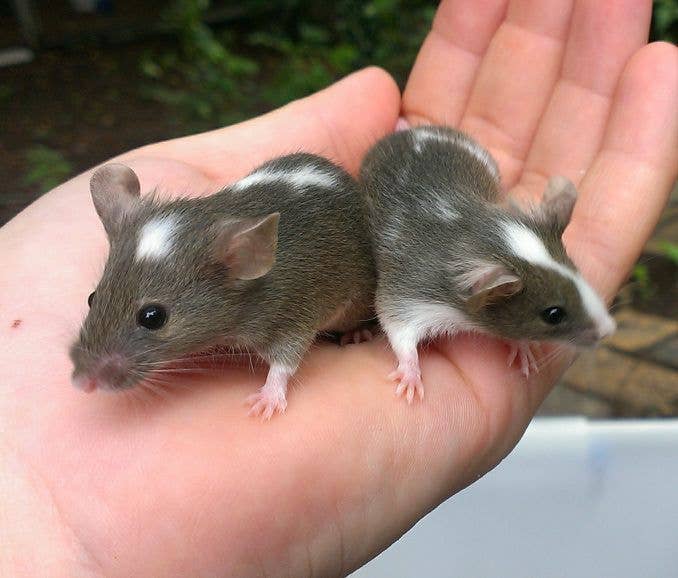
Credit: pethelpful.com
Baby Mouse Bird Diet Basics
Feeding a baby mouse bird requires understanding its unique dietary needs to ensure healthy growth and development. These tiny birds have specific nutritional demands that differ from adult birds. Getting their diet right early on can prevent health issues later and support their natural behaviors.
Nutritional Needs
Baby mouse birds need a diet rich in proteins, vitamins, and minerals to build strong muscles and bones. Proteins help with tissue repair, while vitamins like A and D support their immune system and bone health. Calcium is particularly important to develop their delicate skeletal structure.
When I first cared for a baby mouse bird, I noticed it eagerly pecking at soft fruits and insects. This behavior showed me how critical protein and vitamins were for their energy and growth. Have you considered how a lack of these nutrients might affect your bird’s development?
Feeding Frequency
Young mouse birds require frequent feeding, typically every 2 to 3 hours during the day. Their tiny stomachs cannot hold much food at once, so small, regular meals keep their energy steady. As they grow, you can gradually reduce the number of feedings.
Skipping a feeding can quickly impact their energy and mood. I found that setting a strict schedule made a big difference in maintaining my baby bird’s health. Are you ready to commit to this consistent routine?
Suitable Food Types
- Soft fruits:bananas, papayas, and ripe berries provide easy-to-digest sugars and vitamins.
- Insects:small mealworms or crickets offer essential proteins and fats.
- Vegetables:finely chopped leafy greens add fiber and extra nutrients.
- Specialized bird formula:for times when natural food is scarce, a high-quality hand-rearing mix can be a lifesaver.
Mixing these food types keeps your baby mouse bird’s diet balanced and interesting. I noticed my bird was more active and curious when offered a variety of foods. What combination will you try first to see your bird thrive?
Preparing Food For Baby Mouse Birds
Preparing food for baby mouse birds requires care and attention. Their tiny bodies need the right nutrients to grow healthy and strong. Feeding them a balanced diet helps ensure their survival and development. Freshness and safety matter a lot when preparing their meals.
Baby mouse birds eat soft, easy-to-digest foods. Their diet should mimic what their parents feed them in the wild. Proper food preparation makes feeding easier and more effective. Cleanliness during preparation prevents illness in these delicate birds.
Homemade Formula Recipes
Homemade formulas provide essential nutrients for baby mouse birds. Mixing the right ingredients creates a soft, smooth texture. Use fresh fruits like mashed banana or apple for sweetness. Add cooked egg yolk for protein and vitamins. Mix in some baby cereal or soaked bread crumbs to thicken.
- 1 mashed banana
- 1 cooked egg yolk
- 1 tablespoon baby cereal
- Water to thin the mixture
Blend all ingredients until smooth. Feed in small amounts using a syringe or dropper. Prepare fresh formula daily to keep it safe and nutritious.
Using Commercial Bird Food
Commercial bird food can support baby mouse birds. Choose formulas designed for softbills or small parrots. These foods contain balanced vitamins and minerals. Soften pellets by soaking them in warm water. Grind softened pellets into a paste for easier feeding.
Store commercial food in a dry, cool place. Check expiration dates to ensure freshness. Avoid foods with artificial colors or preservatives. Always introduce new foods slowly to monitor bird reactions.
Safe Supplements
Supplements help fill nutritional gaps in baby mouse bird diets. Calcium powder supports bone growth and strength. Vitamin drops boost immunity and overall health. Use supplements sparingly and follow dosage instructions.
- Calcium powder dusted on food
- Liquid vitamins added to formula
- Probiotics to aid digestion
Consult a vet before adding supplements. Overuse can harm baby birds. Keep supplements fresh and store them properly.
Feeding Techniques
Feeding a baby mouse bird requires patience and the right techniques to ensure they get the nutrition they need to thrive. Proper feeding methods can make the difference between stress and success for both you and your tiny feathered friend. Let’s look at some effective ways to feed your baby mouse bird.
Hand-feeding Tips
Hand-feeding a baby mouse bird means you become their direct source of nourishment and comfort. Always wash your hands thoroughly before feeding to avoid transferring germs. Hold the bird gently but securely to prevent injury or escape.
Use a soft cloth or towel to support the bird if it struggles. Warm the food to a comfortable temperature—too hot or cold can upset their delicate digestive system. Feed slowly and watch for signs of distress or choking. Have you noticed how some birds respond better to calm, quiet settings during feeding? Creating a peaceful environment can help them eat more willingly.
Using Feeding Syringes
Feeding syringes are practical tools for delivering precise amounts of food. Choose a syringe with a small, soft tip to avoid hurting the bird’s mouth. Draw the prepared formula into the syringe carefully, removing any air bubbles to prevent choking.
Position the syringe gently at the side of the bird’s beak, allowing them to swallow at their own pace. Never force the food; let the bird guide the feeding rhythm. If the baby mouse bird resists, pause and try again later. Have you tried warming the syringe slightly in your hands before feeding? It often makes the experience more comfortable for the bird.
Encouraging Self-feeding
As the baby mouse bird grows, encouraging self-feeding builds independence and confidence. Start by offering small pieces of soft fruits or seeds in a shallow dish. Place the food near their beak and let curiosity take over.
Be patient if they hesitate—some birds take longer to explore new foods. You can also dip their beak lightly into the food to show them it’s safe and tasty. Have you observed how baby birds often mimic adult behavior? Demonstrating eating can spark their interest and speed up the process.

Credit: woodgreen.org.uk
Common Feeding Challenges
Feeding a baby mouse bird isn’t always straightforward. You might face some common challenges that can feel overwhelming. Recognizing these issues early helps you respond better and keep your little feathered friend healthy.
Refusal To Eat
Sometimes, baby mouse birds simply refuse to eat, even when you offer their favorite foods. This behavior can be due to stress, illness, or unfamiliarity with the feeding routine.
If your baby bird turns away from the food, try changing the texture or temperature. Warming the food slightly or mashing it finer can make a big difference. Have you noticed if certain foods trigger more refusal? Keep a feeding journal to track preferences and patterns.
Digestive Issues
Digestive problems like diarrhea or constipation are common and can quickly affect a baby bird’s health. These issues often arise from improper diet or sudden changes in food types.
Monitor droppings daily to catch signs early. If you see loose stools or unusual colors, consider adjusting the diet or consulting a vet. Adding probiotics formulated for birds might help restore balance naturally.
Dehydration Signs
Dehydration is a serious risk since baby mouse birds are tiny and can lose fluids rapidly. Signs include lethargy, sunken eyes, and dry skin.
Make sure fresh water is always accessible and encourage drinking by gently offering water with a dropper if needed. Have you tried misting your bird lightly? This can sometimes stimulate hydration and comfort simultaneously.
Monitoring Growth And Health
Keeping a close eye on your baby mouse bird’s growth and health is key to raising a strong and happy bird. Regular monitoring helps you catch issues early and ensures your little friend is thriving on the right diet. Let’s break down the essential ways to track their progress and know when to seek help.
Weight Tracking
Weigh your baby mouse bird daily using a small, accurate scale. Record the weight at the same time each day to spot trends easily. A steady weight gain usually means your feeding routine is working well.
Sudden weight loss or no increase over several days can signal a problem. Keep a simple chart or use an app to visualize the changes. This simple habit can save your bird’s life by alerting you before things get serious.
Behavioral Indicators
Watch how your baby mouse bird acts throughout the day. Healthy birds are alert, responsive, and active when awake. They should eagerly eat and show curiosity about their surroundings.
If you notice lethargy, refusal to eat, or unusual vocalizations, these are red flags. Sometimes a bird might sit quietly but still be unwell. Trust your instincts—your bird’s behavior often tells you more than their appearance.
When To Consult A Vet
If your baby mouse bird’s weight drops or behavior changes suddenly, don’t hesitate to get professional advice. Persistent diarrhea, breathing difficulties, or visible injuries require immediate vet attention.
Regular check-ups can catch hidden issues early. Have your vet’s contact handy, especially if you are new to caring for mouse birds. Early intervention improves outcomes and keeps your bird on the path to healthy growth.

Credit: notesbynats.com
Frequently Asked Questions
What Is The Ideal Diet For A Baby Mouse Bird?
A baby mouse bird thrives on soft fruits, berries, and insects. They need a balanced mix of protein and vitamins. Avoid hard seeds or processed foods. Fresh, natural foods mimic their wild diet and promote healthy growth.
How Often Should I Feed A Baby Mouse Bird?
Feed a baby mouse bird small portions every 2-3 hours. Frequent feeding supports their rapid growth and energy needs. Gradually reduce feeding frequency as the bird matures and can eat independently.
Can I Feed A Baby Mouse Bird With Formula?
Yes, specialized bird formula can supplement feeding. Use a high-quality, bird-specific formula designed for baby birds. Avoid cow’s milk or human baby formula, as these can cause digestive issues.
Which Fruits Are Safe For Baby Mouse Birds?
Safe fruits include apples, grapes, pears, and berries. Always remove seeds and chop into small, manageable pieces. Fresh fruits provide essential vitamins and hydration for baby mouse birds.
Conclusion
Feeding a baby mouse bird needs care and attention. Offer soft fruits and small insects daily. Keep food fresh and easy to eat. Avoid giving harmful or hard foods. Watch the baby bird’s reactions closely. Proper feeding helps the baby grow healthy and strong.
Patience is key during this process. Feeding right supports a happy and lively bird. Follow simple steps for best results. Enjoy caring for your little feathered friend.