

Imagine this: you find a baby bird in your backyard, chirping for food, but you have no worms to offer. What do you do?
Don’t worry, you’re not alone. Many bird lovers face this dilemma and wonder what else they can feed these tiny creatures. You want to make sure you’re giving them the right nutrition to help them grow strong and healthy. In this blog post, we’ll dive into safe and nutritious alternatives to worms that you can easily find around your home.
Stick with us, and you’ll be prepared the next time a hungry little guest appears at your door.
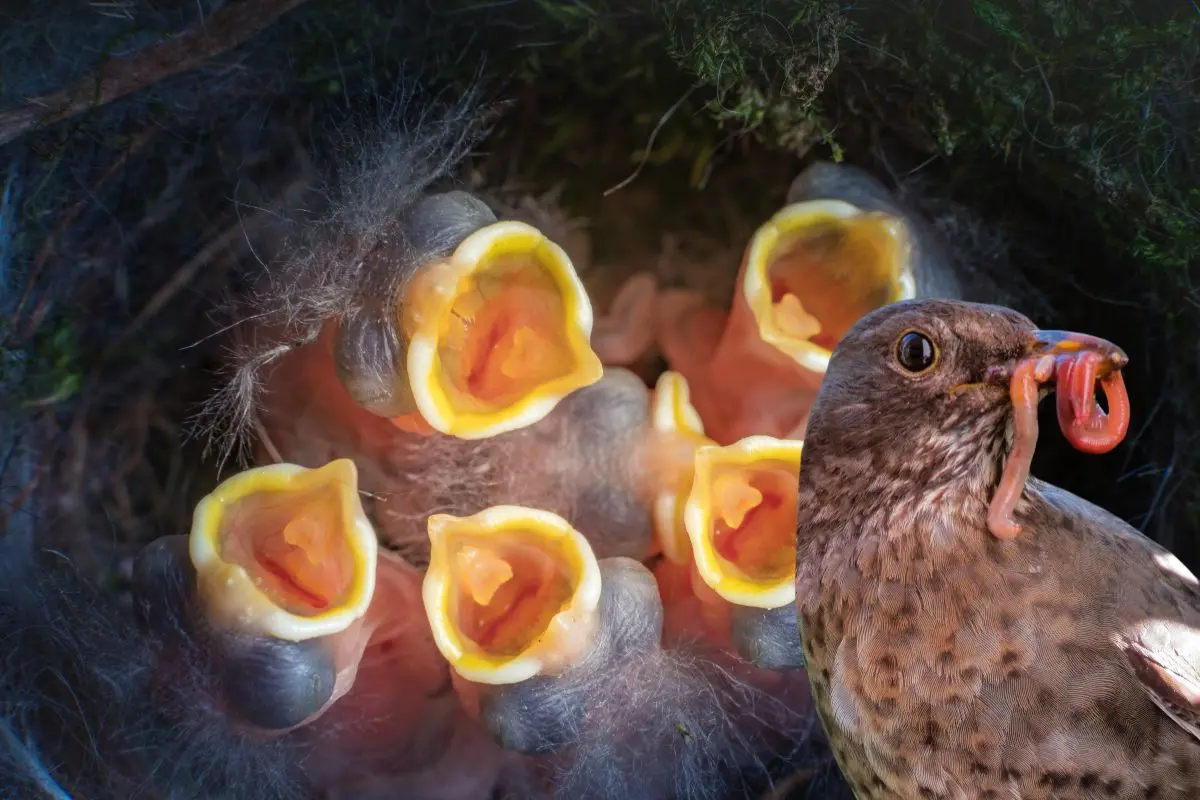
Credit: wildbloo.com
Why Worms Are Common
Worms are a popular food choice for baby birds. They are easy to find in nature. Many birds’ parents feed worms to their chicks. Worms provide important nutrients for growth. Their soft texture makes worms easy for young birds to eat. The high protein content helps baby birds develop strong muscles and feathers. Worms are often moist, which helps keep baby birds hydrated. These factors make worms a natural and common option for feeding baby birds.
Worms Are Rich In Protein
Protein is vital for baby birds’ growth. Worms have high protein levels. This helps build muscles and feathers fast. Baby birds need protein to stay healthy.
Worms Are Soft And Easy To Eat
Baby birds have small, weak beaks. Worms are soft and flexible. This makes eating easier for them. Hard foods can harm young birds’ mouths.
Worms Are Abundant In Nature
Worms live in soil and moist places. They come out after rain or at night. This makes worms easy for bird parents to find. Worms are a reliable food source.
Worms Provide Moisture
Baby birds need water to stay hydrated. Worms have a moist body. Eating worms helps baby birds get water. This supports their overall health.
Risks Of Feeding Only Worms
Feeding baby birds only worms might seem like a natural choice, but it can lead to some serious problems. Worms alone don’t provide all the nutrients young birds need to grow strong and healthy. Relying solely on worms can cause nutritional imbalances and health risks that you might not expect.
Limited Nutritional ValueWorms are rich in protein, which is important, but baby birds need more than just protein to thrive. They require fats, vitamins, and minerals that worms can’t fully supply. Without a variety of nutrients, their growth can slow down, and their immune systems might weaken.
Potential for Digestive IssuesFeeding only worms can upset a baby bird’s digestion. Worms are high in moisture and can cause diarrhea if not balanced with other foods. This can lead to dehydration, which is dangerous for fragile young birds.
Risk of Dependency on One Food SourceIf you feed baby birds only worms, they may become dependent on this single food source. This limits their ability to learn how to find and eat a variety of foods in the wild. Have you noticed how young birds explore different foods? It’s crucial for their survival skills.
Exposure to Parasites and ContaminantsWorms can carry parasites or harmful bacteria, especially if collected from unsafe areas. Feeding only worms increases the risk of passing these on to baby birds. Always consider the source of the worms and introduce other safer, clean food options.
Safe Protein Alternatives
Baby birds need protein to grow strong and healthy. Worms are a common food source, but there are other safe protein options. These alternatives provide essential nutrients and variety in their diet. Choose options that are easy to digest and free from harmful substances.
Insects And Larvae
Insects and larvae are natural protein sources for many birds. Crickets, mealworms, and small caterpillars work well. Make sure the insects are pesticide-free and clean. These tiny creatures are rich in protein and easy for baby birds to eat.
Boiled Eggs
Boiled eggs offer a soft, nutritious protein source. Remove the shell and mash the egg yolk finely. Avoid adding salt or spices. Eggs provide essential amino acids that support rapid growth and strong feathers.
Cooked Meat
Small pieces of cooked, unseasoned meat can help baby birds. Use chicken or turkey without bones or skin. Cook thoroughly to kill bacteria. Cut the meat into tiny bits to prevent choking and aid digestion.
Fruits And Vegetables For Baby Birds
Feeding baby birds can be tricky, especially if you want to provide them with more than just worms. Fruits and vegetables offer essential vitamins and hydration that young birds need to grow strong. But not all produce is safe or easy for them to eat. Let’s look at some great options you can offer your feathered friends.
Soft Fruits
Soft fruits are gentle on baby birds’ tiny beaks and easy to digest. You can mash or finely chop these to make feeding simpler.
- Bananas:Ripe bananas are rich in potassium and easy to mash into a smooth texture.
- Blueberries:These are packed with antioxidants and can be squished to release juice.
- Melons:Watermelon and cantaloupe provide hydration and natural sugars for energy.
- Peaches and pears:Remove the skin and seeds, then finely chop to avoid choking hazards.
Have you noticed how baby birds eagerly peck at soft fruit? It’s a good sign these foods meet their taste and texture needs.
Vegetable Options
Vegetables add fiber and vital nutrients, but they often need preparation to be baby bird-friendly.
- Cooked carrots:Steam until soft and dice into tiny pieces to prevent choking.
- Peas:Fresh or thawed frozen peas can be mashed easily and are full of protein.
- Squash:Butternut or zucchini, cooked until tender, provide vitamins A and C.
- Spinach:Chop finely and mix with other foods for added iron.
Remember to avoid seasoning or adding salt. Baby birds need plain, natural foods to thrive.
Grains And Seeds
Grains and seeds offer excellent nutrition for baby birds beyond the usual worms. These foods provide essential carbohydrates, fats, and proteins that support healthy growth and energy. Knowing how to prepare them properly ensures your feathered friends can digest and benefit from these natural options.
Soaked Seeds
Soaking seeds softens them, making it easier for baby birds to eat and digest. You can soak small seeds like millet, sunflower seeds, or flax seeds in warm water for a few hours or overnight.
After soaking, drain the water and mash the seeds slightly if needed to create a soft, porridge-like texture. This method also helps to reduce harmful substances naturally found in some seeds.
Have you noticed how quickly baby birds adapt to soaked seeds? It’s a simple way to introduce variety while ensuring safety and nutrition.
Cooked Grains
Cooked grains such as rice, quinoa, or oats are gentle on baby birds’ digestive systems. Boil the grains until they are soft and fluffy, then cool them before feeding.
You can mix cooked grains with a bit of mashed fruits or vegetables to add flavor and nutrients. Avoid adding salt or spices, as baby birds need plain, natural foods.
Imagine the energy boost baby birds get from these slow-release carbohydrates—perfect for their active days of learning to fly and explore.
Hydration Needs
Baby birds need more than just food to grow strong—they need plenty of water to stay healthy. Hydration is crucial because it supports digestion, regulates body temperature, and helps transport nutrients. Without enough water, even the best diet won’t keep your little feathered friends thriving.
Water Sources
Providing water for baby birds isn’t as simple as setting out a bowl. They often get moisture from their food, but when you’re feeding them outside their natural diet, you need to add water carefully. Fresh, clean water should always be available nearby, but avoid deep containers that could lead to drowning.
- Use a shallow dish with fresh water changed daily.
- Offer soft, water-rich foods like soaked raisins, mashed fruits, or finely chopped vegetables.
- Moisten insect-based foods like mealworms to increase hydration.
Avoiding Dehydration
Dehydration can happen quickly in baby birds, especially if you’re feeding dry foods. Watch for signs like lethargy, sunken eyes, or dry skin. If you notice any of these, increase water intake immediately.
One time, while helping an injured fledgling, I noticed it stopped begging for food. Checking its hydration saved its life—the bird was weak from lack of water, not just food. Keeping a close eye on hydration can make all the difference for your baby bird’s recovery and growth.
Foods To Avoid
Feeding baby birds requires careful attention, especially when deciding what not to feed them. Some foods can harm or even be fatal to these tiny creatures. Knowing which items to avoid is just as important as knowing what to offer.
Toxic Plants And Foods
Many common plants and foods can poison baby birds. Avoid feeding anything from the nightshade family like tomatoes, potatoes, or eggplants. Fruits with pits, such as cherries and peaches, contain substances that can release cyanide and are dangerous.
Also, keep away from avocado, which can cause heart damage in birds. On my first attempt at feeding rescued baby birds, I mistakenly offered grapes without checking for seeds, which caused mild distress. That taught me to always double-check every item.
Remember, even small amounts of these toxins can be harmful. Always research any new food before giving it to baby birds.
Processed Human Foods
Processed foods are full of salt, sugar, and additives that baby birds cannot handle. Items like bread, chips, or sugary snacks offer no nutritional value and can upset their delicate digestive systems. Avoid feeding leftovers or anything with seasoning.
People often think sharing table scraps is harmless, but I’ve seen how quickly processed foods can cause illness in young birds. Instead, stick to natural, fresh foods that support their growth.
If you want to help baby birds thrive, skip the processed stuff entirely. Would you feed a newborn human junk food? The same care applies to birds.
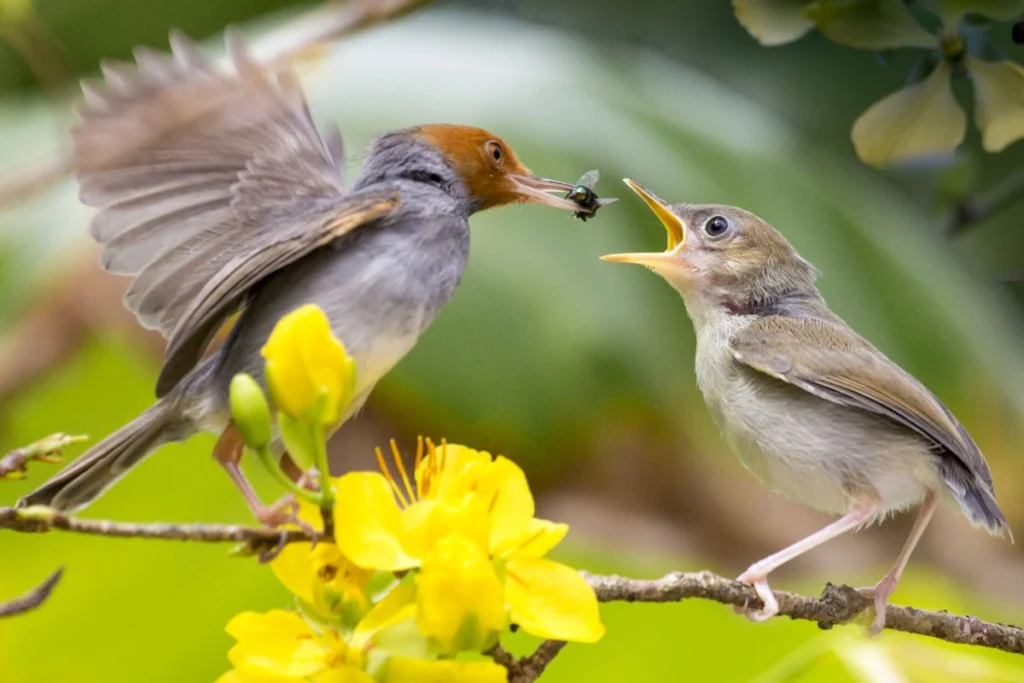
Credit: wildbloo.com
Feeding Techniques For Baby Birds
Feeding baby birds requires gentle care and attention. Proper feeding techniques help them grow strong and healthy. Feeding is not just about what to give but also how and when to offer food. Understanding feeding frequency and portion sizes ensures baby birds get the right nutrition without harm.
Feeding Frequency
Baby birds need frequent feeding as their metabolism is very fast. Young birds often require food every 15 to 20 minutes during daylight hours. As they grow, you can space feedings to every 30 minutes or hourly. Consistency is key. Avoid long gaps without feeding to prevent hunger and stress.
Proper Portion Sizes
Portion sizes must be small and manageable. Overfeeding can cause choking or digestive problems. Use a small spoon or dropper for controlled feeding. Start with tiny amounts and increase gradually as the bird grows. Watch the bird’s response to adjust portions. The crop should feel soft and slightly full after feeding, never hard or tight.
When To Seek Expert Help
Knowing when to seek expert help is crucial for baby birds’ survival. Feeding baby birds requires care, but some situations need professional attention. Recognizing these signs can save their lives and ensure proper care.
Some problems go beyond simple feeding. Experts have the skills to handle health issues and provide the right nutrition. Quick action improves the chances of recovery.
Signs Of Illness Or Injury
Look for signs like lethargy, difficulty breathing, or visible wounds. Weak or unresponsive birds need immediate help. Avoid trying to treat serious injuries yourself.
Baby Birds Abandoned By Parents
If a baby bird is clearly abandoned, experts can decide the best course. Sometimes, parents return after a short absence. Professionals know when intervention is necessary.
Improper Feeding Or Malnutrition
Feeding the wrong foods can harm baby birds. If a bird refuses food or shows slow growth, seek advice. Experts can recommend proper diet and care.
Unusual Behavior Or Development Delays
Odd movements, uncoordinated actions, or failure to grow may signal problems. Early diagnosis helps prevent long-term issues. Specialists can provide supportive care and guidance.
Legal And Safety Considerations
Handling wild birds may require permits in some areas. Experts understand local laws and safety rules. Contact wildlife rehabilitators for guidance and proper care.

Credit: www.reddit.com
Frequently Asked Questions
What Can I Feed Baby Birds Besides Worms?
Baby birds can eat finely chopped fruits, soaked dog kibble, hard-boiled eggs, and mealworms. Soft, protein-rich foods help their growth and energy.
Are Insects Other Than Worms Safe For Baby Birds?
Yes, insects like crickets and small caterpillars are safe. They provide essential proteins and nutrients similar to worms, supporting healthy development.
Can I Give Baby Birds Fruits As Food?
Yes, soft fruits like mashed bananas, berries, and cooked apples are good. Avoid citrus and seeds to prevent digestive issues.
Is Commercial Bird Food Suitable For Feeding Baby Birds?
Some commercial bird foods are suitable if finely crushed and moistened. Ensure they are high in protein and free from added sugars or salts.
Conclusion
Baby birds need a variety of foods to grow healthy and strong. Soft fruits, insects, and soaked cereals help meet their needs. Avoid giving them salty or processed foods. Fresh water is important too. Feeding baby birds with care helps them survive in the wild.
Small steps make a big difference for their growth. Keep learning about their diet to offer the best care. Every little effort counts in helping baby birds thrive.