

Are you wondering what to feed a baby sparrow bird that you found in your backyard? You might feel a mix of excitement and responsibility as you hold the tiny creature in your hands.
Knowing how to care for it can be both rewarding and challenging. This little bird’s survival depends on you, and providing the right nutrition is crucial. Imagine the joy of watching it grow stronger and eventually take its first flight, all thanks to your care.
In this guide, you’ll discover exactly what to feed a baby sparrow to ensure it thrives. Stick around to learn simple yet effective feeding tips that will make you feel like a true bird hero.
Identifying Baby Sparrows
Identifying baby sparrows is important before feeding them. Knowing their age and features helps provide the right care. Baby sparrows look different from adults. Their behavior also shows clues about their needs. Recognizing these signs ensures they get proper food and attention.
Physical Features
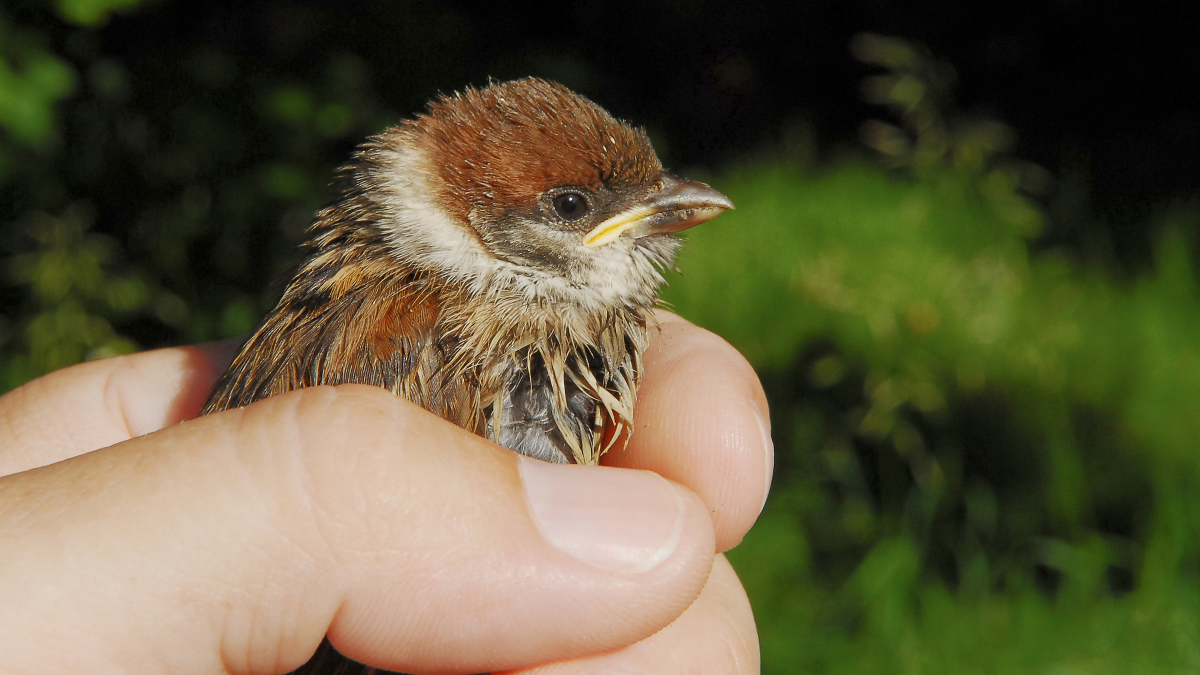
- Baby sparrows have soft, fluffy feathers called down.
- Their feathers are usually dull brown or gray, not bright.
- Their eyes may look larger compared to their head.
- The beak is short and pale, sometimes yellow at the edges.
- They appear smaller and less coordinated than adult sparrows.
Age Estimation
- Newborn sparrows are mostly featherless with closed eyes.
- At about 3 to 5 days, feathers start to grow.
- By 7 to 10 days, feathers cover most of the body.
- Young sparrows begin opening their eyes around day 5.
- At 10 to 14 days, they start to look like small adults.
Behavioral Signs
- Baby sparrows often call loudly for food.
- They stay still and wait for feeding from parents or caregivers.
- They cannot fly or hop well at a very young age.
- Older chicks try to flap wings and move around more.
- They depend heavily on adults for warmth and protection.

Credit: www.reddit.com
Nutritional Needs
Feeding a baby sparrow means meeting its specific nutritional needs to ensure healthy growth and development. These little birds require a balanced diet that supports their rapid growth, energy demands, and immune system. Understanding what nutrients to provide can make all the difference in raising a strong, thriving sparrow.
Protein Requirements
Protein is essential for building muscles, feathers, and organs in baby sparrows. They need a higher amount of protein than adult birds because they are in a critical growth phase. You can offer finely chopped insects like mealworms or crickets, which are natural protein sources sparrows would find in the wild.
Another good option is a mixture of soaked dog kibble or high-protein bird seed. Avoid giving too much protein at once; small, frequent meals work best to keep your sparrow energized and growing steadily.
Hydration Essentials
Water is vital, but baby sparrows cannot drink from a bowl easily. You’ll need to provide water through soft, moist foods or by gently offering water with a dropper. Keeping your sparrow hydrated aids digestion and helps regulate body temperature.
Did you know dehydration can be one of the quickest dangers to a baby bird? Always check their crop to ensure it feels soft and full but not overly distended, which indicates proper hydration.
Vitamins And Minerals
Vitamins and minerals support bone growth, feather development, and overall health. Calcium is particularly important for strong bones and beak formation. You can add crushed eggshells or a bit of calcium powder to the diet.
In addition, leafy greens like spinach or dandelion leaves provide essential vitamins A and K. These nutrients help with vision and blood clotting, which are crucial during the early stages of life.
Suitable Foods
Feeding a baby sparrow the right foods is key for its growth. Baby sparrows need a mix of nutrients to stay healthy and strong. Their diet should include proteins, vitamins, and minerals. Suitable foods provide energy and help build feathers and muscles. Understanding what to feed helps you care well for these tiny birds.
Insects And Worms
Baby sparrows get much of their protein from insects and worms. These foods are soft and easy to digest. Common choices include:
- Mealworms
- Crickets
- Small caterpillars
- Earthworms
These insects are rich in protein and essential nutrients. They support muscle development and feather growth. Feeding live or chopped insects mimics natural feeding habits.
Seeds And Grains
Seeds and grains provide energy and essential fats. Baby sparrows enjoy small, soft seeds. Examples include:
- Millet
- Canary seed
- Cracked corn
- Sunflower seeds (hulled)
Grains should be offered in small amounts. Soaking seeds can make them easier to eat. Avoid hard or large seeds that could choke the baby sparrow.
Fruits And Vegetables
Fruits and vegetables add vitamins and moisture to the diet. Suitable options are:
- Chopped apples (no seeds)
- Soft berries
- Peas
- Leafy greens like spinach
Offer these foods finely chopped. Fresh fruits and vegetables help boost immunity and hydration. Avoid citrus fruits and anything toxic to birds.

Credit: www.youtube.com
Feeding Techniques
Feeding a baby sparrow requires gentle care and proper techniques. These methods help ensure the bird grows healthy and strong. Patience and attention are key to feeding success.
Hand-feeding Tips
Use a small, soft brush or dropper for feeding. Avoid using force or rushing the bird. Offer small amounts of food slowly. Keep the bird calm by holding it gently. Always feed at room temperature to prevent discomfort.
Feeding Frequency
- Feed very young sparrows every 15 to 20 minutes during daylight.
- As they grow, increase the time between feedings to 30 minutes or more.
- Feed only during the day; sparrows rest at night.
- Watch for signs of fullness to avoid unnecessary feedings.
Avoiding Overfeeding
Overfeeding can cause health problems. Stop feeding if the bird turns away or refuses food. Keep portions small and controlled. Monitor the bird’s weight and activity for signs of overeating. Clean feeding tools to prevent infections.
Common Mistakes
Feeding a baby sparrow is delicate work. Mistakes can harm the bird’s health and growth. Many people unknowingly make errors that slow development or cause illness. Knowing these common mistakes helps you provide better care.
Foods To Avoid
- Do not feed bread or junk food. It lacks nutrients.
- Avoid milk and dairy products. Sparrows cannot digest them well.
- Never offer salty or sugary snacks. They cause dehydration.
- Do not give large seeds or hard nuts. They can choke the bird.
- Avoid raw meat or processed foods. They may carry bacteria.
Improper Feeding Tools
- Do not use metal tweezers or sharp objects. They can injure the bird.
- Avoid large spoons or feeding bottles. They may cause choking.
- Use small, soft tools like a dropper or tiny brush for feeding.
- Never force food into the bird’s throat. It can harm the crop.
Ignoring Hygiene
- Dirty feeding tools spread germs and cause infections.
- Always wash your hands before and after feeding.
- Clean the feeding area regularly to prevent bacteria growth.
- Discard leftover food quickly. Old food attracts harmful microbes.
- Keep the baby sparrow’s nest clean and dry to avoid illness.
Credit: pethelpful.com
When To Seek Help
Knowing when to seek help for a baby sparrow can make all the difference between life and death. Sometimes, despite your best efforts, the little bird may need professional care. Recognizing the right moment to step back and reach out can ensure the sparrow receives the support it truly needs.
Signs Of Illness
Watch closely for unusual behavior such as lethargy, weak or labored breathing, or inability to perch properly. If the baby sparrow refuses to eat or shows visible injuries, these are clear red flags. You might notice discharge from the eyes or beak, or an unkempt appearance, which often signals underlying health issues.
Contacting Wildlife Experts
When you spot these warning signs, don’t hesitate to contact local wildlife rehabilitators or bird rescue organizations. They have the skills and resources to provide proper medical attention. Have details ready about the bird’s condition and location to help experts prepare before arrival.
Rehabilitation Options
Wildlife experts often offer rehabilitation that includes medical treatment and gradual reintroduction to the wild. These programs focus on nurturing the sparrow until it can survive independently. Could your timely call be the reason this fragile bird gets a second chance at freedom?
Preparing For Release
Preparing a baby sparrow for release is a delicate phase that requires patience and careful attention. Your goal is to help the bird regain independence while ensuring it has the skills needed to survive in the wild. This transition isn’t just about diet—it’s about fostering behaviors and timing the release for the best chance of survival.
Weaning Process
Start by gradually reducing hand-feeding and introducing natural foods like small seeds and insects. You can scatter some seeds in a shallow dish to encourage the sparrow to peck on its own. It’s important to observe if the bird is actively trying to eat independently before cutting back on your feeding.
Patience matters here. If the sparrow shows hesitation, slow down the process. You want it confident enough to find and eat food without your help, but not so rushed that it goes hungry.
Encouraging Natural Behavior
Allow the sparrow to practice flying in a safe, enclosed space. This helps strengthen its wings and build stamina. Set up small perches and natural hiding spots to mimic the bird’s natural environment.
Encourage social interaction if possible by placing it near other sparrows. This helps it learn communication and survival skills essential in the wild. Ask yourself: Is the sparrow displaying curiosity and alertness? These are good signs it’s ready to thrive outside.
Choosing The Right Time
Timing the release is crucial. Aim for a day with mild weather and no extreme temperatures or storms forecasted. Early morning or late afternoon releases can be ideal, as the bird can settle in before nightfall.
Consider the sparrow’s age and physical condition. Is it fully feathered and able to fly well? These are key indicators it can handle the challenges ahead. Remember, releasing too early or during harsh conditions puts the bird at serious risk.
Frequently Asked Questions
What Is The Best Food For A Baby Sparrow Bird?
Baby sparrows thrive on a mix of soft foods like soaked seeds, insects, and finely chopped fruits. Protein is vital for their growth. Avoid feeding bread or milk, as these can harm them. Always ensure the food is fresh and easy to digest.
How Often Should I Feed A Baby Sparrow?
Feed a baby sparrow every 20 to 30 minutes during daylight hours. Frequent feeding mimics natural feeding patterns. As they grow, gradually reduce feeding frequency. Consistency is key to their healthy development and survival.
Can I Feed A Baby Sparrow With Milk?
No, do not feed milk to baby sparrows. Sparrows are lactose intolerant, and milk can cause digestive issues. Instead, provide water and appropriate bird food. Proper hydration and nutrition are essential for their growth.
Are Insects Necessary In A Baby Sparrow’s Diet?
Yes, insects provide essential protein for baby sparrows. Mealworms, small crickets, and other soft insects support muscle development and energy. Including insects in their diet closely resembles what they eat in the wild.
Conclusion
Feeding a baby sparrow needs care and patience. Offer soft foods like soaked seeds and insects. Fresh water is important for their health. Avoid giving bread or processed foods. Watch the baby sparrow closely to see what it likes. Small, frequent feedings help them grow strong.
With kindness and attention, you can help a sparrow thrive. Keep learning about their needs to give the best care. Every little effort makes a big difference for these tiny birds.