

Are you the proud new owner of a baby cockatiel? Ensuring your feathered friend gets the right nutrition is crucial to their health and happiness.
But what exactly should you feed them? The choices might seem overwhelming, but you’re in the right place to find clear answers. Imagine watching your cockatiel grow healthy and strong, chirping joyfully each day. Feeding them the right diet is the first step to achieving this.
Dive into this guide and discover how you can provide the best meals for your baby cockatiel, making sure they thrive in your care.
Baby Cockatiel Diet Basics
Feeding a baby cockatiel is a rewarding challenge that requires attention to detail and care. Understanding the basics of their diet ensures your little feathered friend grows healthy and strong. Let’s break down what your baby cockatiel really needs in their early days.
Nutritional Needs
Baby cockatiels need a diet rich in proteins, vitamins, and minerals to support their rapid growth. Protein sources like soft pellets or specially formulated hand-feeding formulas are essential. Adding small amounts of finely chopped vegetables such as spinach or carrots can boost vitamin intake.
Calcium is critical too, helping build strong bones and feathers. You can provide this through cuttlebone or calcium supplements recommended by your vet. Have you noticed how a well-balanced diet keeps your bird active and curious? That’s a sign you’re on the right track.
Feeding Frequency
Newborn cockatiels require frequent feeding—about every 2 to 3 hours during the day. As they grow, you can gradually increase the time between feedings. Watch their behavior closely; a hungry chick will chirp or open its beak wide, signaling it’s time to eat.
Overfeeding can be harmful, so avoid forcing food if they seem full. Your goal is to find a rhythm that keeps your baby cockatiel satisfied without stress. How often do you check your bird’s hunger cues?
Hydration Tips
Water is just as important as food, especially for baby cockatiels. Fresh, clean water should be available at all times once they start drinking on their own. Until then, the hand-feeding formula provides necessary hydration.
Keep an eye out for signs of dehydration like lethargy or wrinkled skin. If you’re unsure, consult your vet rather than guessing. Have you experienced how proper hydration can improve your bird’s energy and mood?

Credit: www.amazon.com
Best Foods For Baby Cockatiels
Feeding your baby cockatiel the right foods sets the foundation for a healthy, happy bird. Choosing the best foods helps support their growth, boosts their immune system, and keeps their feathers bright. Let’s look at the key types of foods that should be part of your baby cockatiel’s diet.
Seed Mixes
Seed mixes are often the first food that comes to mind for cockatiel owners. They provide variety and some essential nutrients, but not all seed mixes are created equal. Look for mixes that contain a balance of millet, canary seed, and small amounts of sunflower seeds.
Avoid mixes with too many fatty seeds like sunflower, as they can cause weight gain. You might notice your baby cockatiel prefers one type of seed over another, which can guide you to adjust the mix accordingly.
Pellets And Formulated Diets
Pellets are designed to offer a balanced diet with all necessary vitamins and minerals. Unlike seed mixes, pellets reduce the risk of selective eating, where your bird picks only their favorite seeds. Introducing pellets early helps your cockatiel accept them more readily.
Try blending pellets with seeds initially to make the transition smoother. Watch your bird’s stool and energy levels to ensure the new diet suits them well.
Fresh Fruits And Vegetables
Fresh produce is essential to provide vitamins and hydration. Offer chopped veggies like carrots, spinach, and peas, along with fruits such as apples, berries, and melons. Remove any uneaten portions quickly to prevent spoilage and bacteria growth.
Have you noticed which fruits or veggies your baby cockatiel enjoys the most? Use those favorites to encourage healthy eating habits. Remember, some foods like avocado and onion are toxic—always check before feeding anything new.
Protein Sources
Protein supports muscle development and feather growth in baby cockatiels. Small amounts of cooked eggs, legumes, or finely chopped lean meats can provide a protein boost. Be cautious with portions and avoid processed or seasoned meats to keep your bird safe.
Including protein occasionally can prevent nutritional gaps, especially if your cockatiel doesn’t eat pellets consistently. Have you tried offering boiled egg as a treat? Many baby cockatiels respond well and it’s an easy way to add protein.
Foods To Avoid
Feeding your baby cockatiel the right foods is crucial, but equally important is knowing what to avoid. Some foods can cause serious health problems or even be fatal. Being aware of harmful ingredients and treats can save your bird from discomfort and illness.
Toxic Ingredients
Never feed your baby cockatiel foods that contain toxic ingredients. Chocolate, caffeine, and alcohol are extremely dangerous and can cause severe poisoning. Even small amounts can lead to vomiting, seizures, or worse.
Avocado is another hidden danger. Its leaves, fruit, and seeds contain persin, which can harm your bird’s heart and lungs. Keep all avocado products far away from your cockatiel’s reach.
Onions, garlic, and any heavily salted or sugary foods also pose risks. They can cause digestive upset or anemia. It’s best to stick with fresh, natural foods instead of anything processed or seasoned.
Unhealthy Treats
It’s tempting to spoil your baby cockatiel with treats, but many common snacks are unhealthy. Avoid giving your bird chips, candy, or bread. These lack essential nutrients and can lead to obesity or malnutrition.
Seeds are a popular treat but feeding only seeds can cause nutritional imbalances. Mix in pellets, fresh veggies, and fruits instead to keep your cockatiel healthy. Have you noticed how some birds get lethargic on a seed-only diet? That’s a clear sign to change what you offer.
Also, avoid sugary fruits like grapes or raisins in excess. They might seem safe but too much sugar can upset your bird’s digestion and energy levels. Moderation is key when offering any treat.
Feeding Techniques
Feeding techniques for baby cockatiels shape their growth and trust. Proper feeding helps them gain strength and learn independence. It requires patience and careful attention. Each stage of feeding has its own best practice. Following the right techniques ensures your bird stays healthy and happy.
Hand-feeding Methods
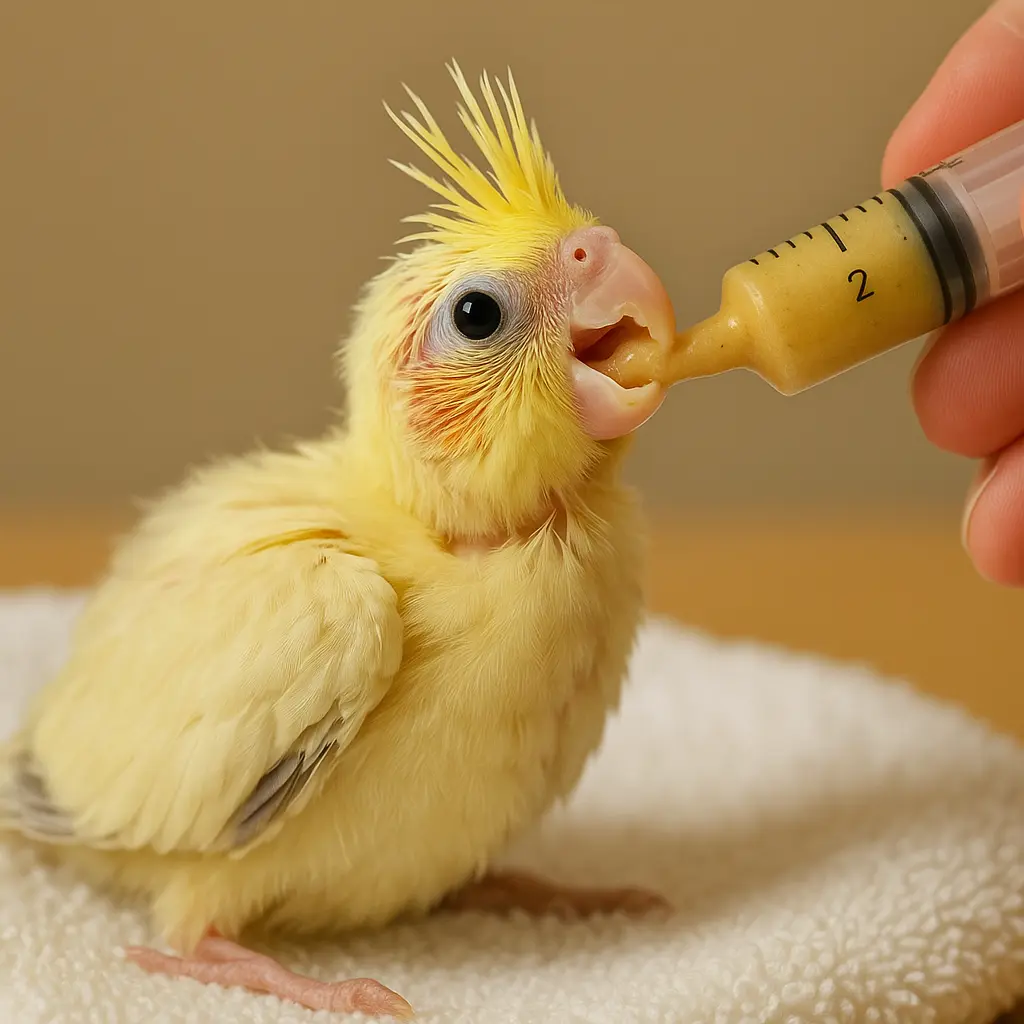
Hand-feeding builds a strong bond between you and the baby cockatiel. Use a small syringe or spoon to feed soft, warm formula. Feed slowly to prevent choking or stress. Keep the baby warm and calm during feeding. Always clean feeding tools before and after use. Watch for signs of fullness or hunger to avoid overfeeding.
Transitioning To Self-feeding
Introduce solid foods gradually as the baby grows. Start with soft fruits, vegetables, and pellets. Place food in shallow dishes inside the cage. Encourage the bird to peck and explore food on its own. Remove hand-feeding sessions slowly to build independence. Monitor eating habits to ensure enough nutrition intake.
Using Feeding Tools Safely
- Choose tools made from safe, non-toxic materials.
- Disinfect feeding syringes and spoons before use.
- Use gentle pressure when feeding to avoid injury.
- Never force food into the bird’s mouth.
- Inspect tools for cracks or damage regularly.
- Store feeding tools in a clean, dry place.
Signs Of Healthy Growth
Watching a baby cockatiel grow is exciting and rewarding. Recognizing signs of healthy growth helps ensure your bird is thriving. Growth shows in many ways, from weight changes to behavior. Observing these signs helps you provide better care and nutrition.
Weight Monitoring
Regularly check your baby cockatiel’s weight. Use a small, accurate scale designed for birds. Healthy chicks gain weight steadily. Sudden weight loss or no gain can signal a problem. Keep a record to track progress over days and weeks.
Feather Development
Feather growth is a clear sign of health. New feathers start as soft pinfeathers. They gradually open and show the bird’s color. Look for smooth, clean feathers without bald patches. Dull or missing feathers can mean poor nutrition or illness.
Behavioral Indicators
Active and alert behavior shows good health. A happy baby cockatiel chirps and moves often. Eating well and responding to sounds are positive signs. Lethargy, quietness, or hiding may indicate stress or illness.
Common Feeding Challenges
Feeding a baby cockatiel comes with its own set of challenges that can test your patience and commitment. Understanding these common feeding obstacles helps you respond effectively and keep your feathered friend healthy. Let’s explore some typical issues you might face and how to handle them.
Refusal To Eat
Sometimes, your baby cockatiel might simply refuse to eat. This can be frustrating, especially if you’re sure the food is fresh and nutritious. Try offering different textures or warming the food slightly to make it more appealing.
Keep an eye on the feeding schedule. Consistency helps your bird develop a routine and feel secure about mealtime. If refusal continues, check for signs of illness or stress that might be affecting their appetite.
Digestive Issues
Digestive problems like diarrhea or constipation can occur if your baby cockatiel’s diet isn’t balanced. Overfeeding or giving inappropriate foods can upset their delicate system quickly. Monitor droppings daily to catch any irregularities early.
If you notice digestive troubles, reduce new foods and return to a simple, trusted diet for a few days. Hydration is key, so ensure fresh water is always available. Consulting a vet is wise if symptoms persist.
Allergic Reactions
Allergies in baby cockatiels are rare but possible. Look out for symptoms like swelling, redness, or unusual itching after introducing new foods. Sometimes seeds or fruits might trigger mild reactions.
Introduce new foods one at a time and watch for any changes in behavior or appearance. If you suspect an allergy, stop feeding the suspected item immediately and seek veterinary advice. Early detection can prevent serious health issues.
Supplementing Baby Cockatiel Diet
Supplementing your baby cockatiel’s diet is essential to ensure it grows strong and healthy. While a balanced seed or pellet mix forms the base of their nutrition, extra vitamins, minerals, and calcium can fill important gaps. Knowing exactly what supplements to add and when can make a big difference in your bird’s development and overall well-being.
Vitamins And Minerals
Baby cockatiels need a variety of vitamins and minerals to support their rapid growth. You can provide these through fresh vegetables like spinach, kale, and carrots, which are rich in vitamins A, C, and E. Some breeders recommend vitamin drops specifically designed for birds, but be careful not to overdose—too much vitamin A, for example, can be harmful.
Have you noticed your cockatiel lacking energy or vibrant feathers? This might signal a vitamin deficiency. Consult your avian vet before adding supplements to make sure you’re giving the right nutrients in the right amounts.
Calcium Sources
Calcium is critical for bone development, especially in baby birds. Cuttlebone is a popular and natural source; it also helps keep their beaks trimmed. You can also offer crushed eggshells—cleaned and baked—to boost calcium intake safely.
Be cautious with calcium supplements—excess calcium can cause health problems. Watch your baby cockatiel’s behavior and growth, and talk to your vet if you’re unsure about the right calcium balance.
When To Use Supplements
Not every baby cockatiel needs supplements daily. If your bird’s diet is varied and includes fresh foods, supplements might only be necessary during growth spurts or illness. Over-supplementing can stress your bird’s system, so it’s better to use supplements as a backup rather than a staple.
Think about your cockatiel’s current diet and health. Are you noticing any signs of nutritional deficiency? If yes, supplements can provide a helpful boost. Always introduce new supplements gradually and monitor your bird’s response closely to avoid negative effects.
Credit: www.happycockatiel.com
Creating A Feeding Schedule
Creating a feeding schedule for your baby cockatiel helps ensure it grows strong and healthy. A regular routine provides the right nutrition at the right time. This consistency supports digestion and comfort for the young bird. Setting clear feeding times also makes it easier to monitor the baby’s health and appetite.
Daily Routine
Feed your baby cockatiel every 3 to 4 hours during the day. Use a syringe or spoon to offer the formula gently. Keep portions small but frequent to match their tiny stomachs. Always prepare fresh food before each feeding. Warm the food slightly to body temperature for comfort. Clean feeding tools after each use to prevent bacteria. Watch the baby’s hunger signals closely. Stop feeding when the baby shows fullness or loses interest.
Adjusting As Baby Grows
Gradually increase the time between feedings as the bird grows. By 4 to 6 weeks, reduce feedings to every 6 hours. Start introducing soft solids like millet or small seeds. Observe the baby’s acceptance of new foods carefully. Slowly reduce formula quantity as solid food intake rises. Adjust the feeding schedule based on the baby’s weight and activity. Keep track of changes to maintain balanced nutrition. This careful transition helps the cockatiel become independent and healthy.

Credit: www.youtube.com
Frequently Asked Questions
What Is The Best Food For Baby Cockatiels?
Baby cockatiels thrive on a diet of soft, easily digestible foods. Offer hand-feeding formula, soaked pellets, and finely chopped vegetables. Fresh water should always be available. Avoid seeds initially as they can be hard to digest for young birds.
How Often Should I Feed A Baby Cockatiel?
Feed baby cockatiels every 3 to 4 hours during the day. As they grow, gradually reduce feeding frequency. Consistent feeding supports healthy growth and development. Always monitor their hunger cues to avoid overfeeding or underfeeding.
Can Baby Cockatiels Eat Fruits And Vegetables?
Yes, baby cockatiels can eat soft fruits and vegetables. Introduce small, finely chopped pieces like apple, carrot, and spinach. Ensure foods are fresh and pesticide-free. Avoid citrus fruits as they can upset their stomach.
When Can Baby Cockatiels Start Eating Seeds?
Baby cockatiels can start eating seeds around 8 to 10 weeks old. Initially, offer them softened seeds mixed with pellets. Gradually transition to a seed-based diet as they mature. Seeds alone should not be their only food source.
Conclusion
Feeding a baby cockatiel the right foods helps it grow strong and healthy. Fresh fruits, vegetables, and specially made pellets give good nutrition. Avoid foods that can harm your little bird. Keep water clean and fresh every day. Watch your cockatiel’s eating habits closely to spot any problems early.
A well-fed baby cockatiel will have more energy and a happier life. Feeding with care builds trust between you and your pet. Simple steps make a big difference in your bird’s health and happiness.