

Are you curious about what to feed a baby myna bird? You’re not alone.
As a bird enthusiast or a caring pet owner, you want to make sure your feathered friend gets the best start in life. Feeding a baby myna bird the right diet is crucial for its growth and health. But with so many options and opinions out there, it can be overwhelming to figure out what’s best.
In this guide, you’ll discover the essential foods that will help your baby myna bird thrive. By the end, you’ll feel confident in knowing exactly what to provide, ensuring your little bird grows strong and healthy. Ready to learn more? Let’s dive in!

Credit: www.youtube.com
Baby Myna Diet Basics
Feeding a baby Myna bird the right diet is key to its growth and health. Young Mynas need balanced food rich in nutrients. Their diet must support strong bones, feathers, and energy. Understanding the basics helps you care for them properly.
Essential Nutrients
Baby Mynas need proteins, fats, vitamins, and minerals. Proteins help build muscles and feathers. Offer soft insects like mealworms or finely chopped boiled eggs. Fruits like papaya, banana, and apple provide vitamins and energy. Calcium is vital for strong bones. You can add crushed eggshell or a calcium supplement.
Feeding Frequency
Young Mynas eat often. Feed them every 2 to 3 hours during the day. As they grow, reduce feeding to 3 to 4 times daily. Avoid overfeeding; it may cause health issues. Observe the bird’s hunger signals and adjust feeding times.
Hydration Needs
Water is crucial for baby Mynas. Provide fresh, clean water daily. Use a shallow dish to prevent drowning risks. Mist the bird lightly to keep feathers clean and hydrated. Avoid sugary drinks or milk, as they harm the bird’s health.

Credit: www.youtube.com
Best Foods For Baby Myna
Feeding a baby Myna the right foods is key to helping it grow strong and healthy. Choosing the best foods means focusing on gentle, nutritious options that support their developing bodies and immune systems. You want to offer a balance of natural ingredients that mimic what they’d find in the wild while ensuring they’re easy to eat and digest.
Soft Fruits And Vegetables
Soft fruits and vegetables are excellent staples for a baby Myna’s diet. They provide essential vitamins and hydration without being too tough on tiny beaks.
- Try mashed bananas, ripe papaya, or finely chopped apples without seeds.
- Steamed carrots and peas are gentle on digestion and add fiber.
- Always introduce new items slowly to watch for any reactions or preferences.
Have you noticed how your baby Myna reacts to different textures? Paying attention here can make feeding times easier and more enjoyable for both of you.
Protein Sources
Protein is crucial for muscle development and energy. Baby Mynas need a reliable source that’s easy to chew and absorb.
- Boiled eggs, mashed finely, offer a rich protein boost.
- Mealworms or small insects provide natural protein and mimic their wild diet.
- Cooked lentils or beans can be added in small amounts for variety.
Have you tried mixing protein sources to keep your Myna interested? Variety can encourage better eating habits and improve growth.
Commercial Bird Foods
Commercial bird foods made specifically for Mynas or similar species can be a reliable supplement. These are often fortified with vitamins and minerals your baby Myna needs.
- Look for pellets or soft mixes designed for softbills or Mynas.
- Ensure the product is fresh and free from artificial colors or preservatives.
- Use these foods alongside natural options to balance nutrition.
Have you checked the ingredients list carefully before buying? Quality varies widely, so choosing the right product can make a big difference.
Homemade Feeding Recipes
Homemade feeding recipes offer a natural and nutritious way to nourish baby myna birds. Preparing food at home helps control ingredients and freshness. It also supports the bird’s growth and health with essential nutrients.
These recipes combine proteins, vitamins, and minerals for balanced feeding. Simple ingredients from your kitchen can create a wholesome diet. Let’s explore two effective homemade recipes for baby mynas.
Balanced Mash Mix
This mash mix provides a perfect balance of nutrients. It is easy to prepare and digest for young mynas.
- 1 part soaked and mashed cooked rice
- 1 part finely chopped boiled egg
- 1 part mashed cooked vegetables like carrots or peas
- A small spoon of ground nuts or seeds for added protein
- A few drops of vitamin supplement or calcium powder (optional)
Mix all ingredients well to form a soft paste. Serve fresh at room temperature. This mash supports healthy growth and energy.
Fruit And Insect Blends
Baby mynas enjoy fruits and insects as part of their natural diet. This blend mimics what they would eat in the wild.
- Chopped soft fruits such as banana, papaya, or apple
- Small cooked insects like mealworms or crickets, finely chopped
- A spoonful of plain yogurt or cottage cheese for probiotics
- A pinch of crushed millet or birdseed for texture
Combine the ingredients into a smooth, moist mix. Feed in small amounts several times daily. This recipe offers vitamins, protein, and good bacteria.
Feeding Techniques And Tips
Feeding your baby myna bird properly is crucial for its growth and health. Understanding effective feeding techniques can make the process smoother for both you and your feathered friend. These tips will guide you through hand-feeding, the weaning journey, and common pitfalls to avoid.
Hand-feeding Methods
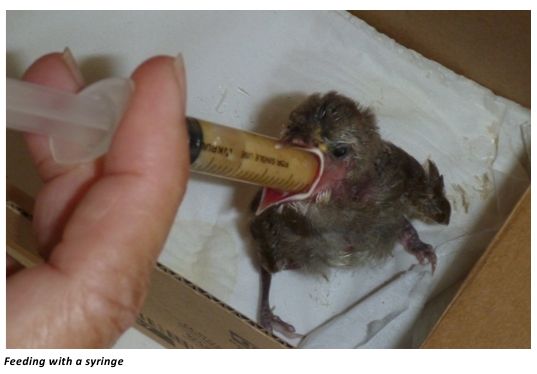
Hand-feeding a baby myna bird requires patience and gentle care. Use a small syringe or feeding spoon to deliver a warm, soft food mix directly into the bird’s mouth. Make sure the food is neither too hot nor too cold—test it on your wrist before feeding.
Hold the bird securely but gently, supporting its body to prevent stress. Feed slowly to avoid choking, and watch for signs that your bird is full, such as turning away or closing its beak. You’ll notice your confidence growing with each feeding session.
Weaning Process
Weaning your myna means gradually shifting from hand-feeding to self-feeding. Start by offering soft, easy-to-eat foods like soaked pellets or small pieces of fruit alongside hand-feeding. This encourages your bird to explore new textures and develop independence.
Decrease hand-feeding frequency over several days while increasing solid food availability. Patience is key here—if your myna resists, slow down and return to more hand-feeding until it’s comfortable. How can you tell your bird is ready? Watch for eagerness to eat on its own and less reliance on you.
Avoiding Common Mistakes
One common error is feeding food that’s too hot or cold, which can harm your baby myna’s delicate crop. Avoid overfeeding by recognizing fullness cues to prevent digestive issues. Also, steer clear of feeding inappropriate foods like avocado or chocolate, which are toxic to birds.
Another frequent mistake is rushing the weaning process, causing stress and feeding refusal. Take your time and adjust based on your bird’s responses. What small change can you make today to improve your feeding routine?
Monitoring Growth And Health
Monitoring your baby Myna bird’s growth and health is crucial to ensure it develops into a strong and vibrant adult. Paying close attention to its physical changes and behavior helps you spot potential problems early. This way, you can adjust its diet or seek help promptly, giving your bird the best chance to thrive.
Tracking Weight Gain
Keep a daily log of your baby Myna’s weight using a small, precise scale. Consistent weight gain indicates proper nutrition and good health. If the bird’s weight plateaus or drops, it’s a sign you need to review its feeding routine immediately.
Weigh your bird at the same time each day to avoid fluctuations caused by digestion or activity. Even small changes can matter, so don’t ignore subtle shifts. Have you noticed your bird’s weight staying steady for a few days? That’s a red flag worth investigating.
Signs Of Nutritional Deficiency
Watch for changes in your Myna’s feathers, eyes, and energy levels. Dull feathers, watery eyes, or lethargy can signal a lack of essential nutrients. Your bird might also develop poor muscle tone or have difficulty perching.
Sometimes, babies become picky or lose their appetite, which can worsen deficiencies. If you see these signs, try adjusting the diet to include more protein, vitamins, or minerals. Have you tried adding fresh fruits or insects to see if your Myna responds better?
When To Consult A Vet
If your baby Myna shows persistent signs of illness or stops gaining weight despite your efforts, it’s time to seek professional advice. Early vet intervention can catch infections or other health issues before they become serious. Don’t wait until symptoms worsen—acting quickly can save your bird’s life.
Also, if you notice unusual behaviors like constant scratching, breathing problems, or sudden changes in droppings, consult a vet. These can point to underlying issues needing medical treatment. Remember, your vet can help tailor a feeding plan that supports your Myna’s specific health needs.
Credit: besgroup.org
Frequently Asked Questions
What Is The Best Diet For Baby Myna Birds?
Baby myna birds thrive on a balanced diet of soft fruits, insects, and protein-rich foods. Offer mashed boiled eggs, mealworms, and finely chopped fruits like bananas or papayas to support their growth and development.
How Often Should Baby Myna Birds Be Fed Daily?
Feed baby myna birds every 2 to 3 hours during the day. Frequent feeding ensures they get enough nutrients to grow strong and healthy in their early weeks.
Can Baby Myna Birds Eat Commercial Bird Food?
Commercial bird food can supplement but not replace natural foods for baby mynas. Use it alongside fresh fruits, insects, and protein to provide a complete diet.
When Can Baby Myna Birds Start Eating Solid Food?
Baby mynas can start solid foods at about 3 weeks old. Introduce soft fruits and small insects gradually while continuing to feed softer, easier-to-digest meals.
Conclusion
Feeding a baby myna bird right helps it grow strong and healthy. Offer a mix of soft fruits, insects, and specially made bird food. Keep meals fresh and clean for the best results. Watch your bird’s behavior to know what it likes most.
Patience and care make a big difference in feeding success. Enjoy watching your baby myna thrive every day. Simple, balanced food helps your bird stay happy and lively.